
Garden Structures 7x3 - Best Deals in UK!
Showing the single result

7×3 garden structures offer a neat, space-saving footprint for storage, shelter and split-use layouts, giving slim gardens a practical structure without overpowering the plot.
Slim Footprint, Proper Purpose
A 7×3 garden structure suits plots where width is limited but length can still be used well. That narrow, elongated shape makes it easier to tuck a building along a fence line, beside a path, or at the back of a side return without blocking the whole garden. For many buyers, this is the point: you get a defined utility zone without losing the open feel of the rest of the space.
Unlike wider sheds or compact cube-shaped units, a 7×3 format tends to feel more like a run of usable space than a boxy container. That changes how you plan the interior. You can divide the length into sections for stored tools, garden materials, and one clear working or access area. If your garden needs structure but not bulk, this size often lands in the right place.
What Fits the 7×3 Shape So Well
The proportions make sense for items that naturally line up along a wall. Long-handled tools, folding chairs, watering cans, trays, pots, and slim outdoor equipment all work well in this layout. Even when the structure is used mainly for storage, the long side gives you more obvious zones than a short, square footprint.
Bestseller der Kategorie Garden Structures 7x3
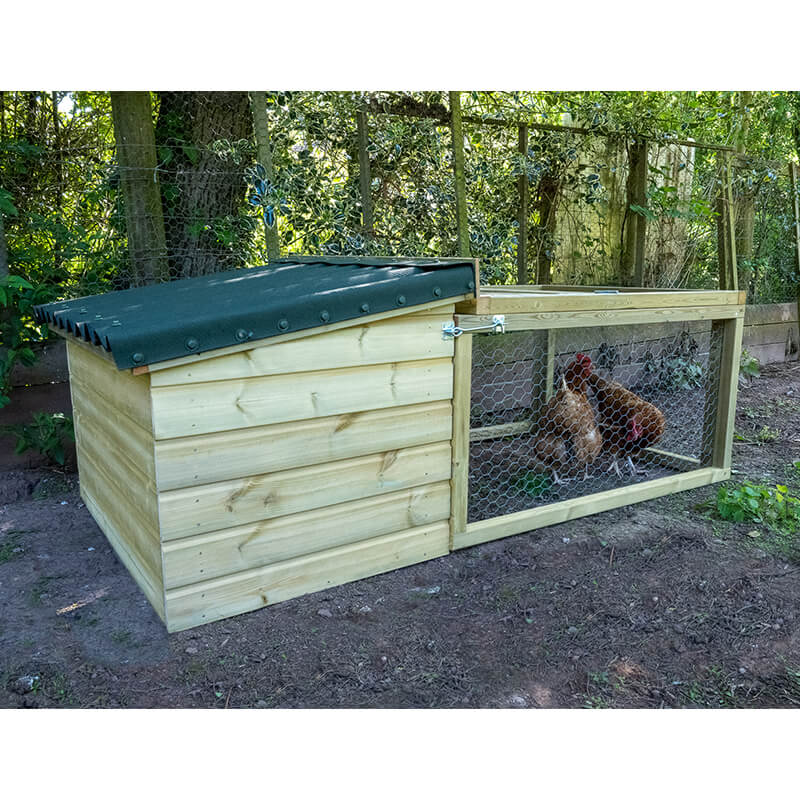
That extra length also helps when the structure needs to do more than one job. A 7×3 garden shed might hold tools at one end and pots or seed trays at the other. A 7×3 log store style structure can keep fuel separated and ordered. A lean-to style 7×3 unit can sit against a boundary where standing space is tight. The shape is versatile, but not random; its value comes from the way the space stretches out.
Styles You’ll See in This Category
Garden structures in a 7×3 size can appear in a few different forms, and each one behaves differently in the garden. The best choice depends on whether you want coverage, hidden storage, a lighter look, or something that feels more built-in.
- Traditional shed form – enclosed and enclosed-looking, usually chosen when storage is the main goal.
- Lean-to structure – a slimmer profile that sits neatly against a wall or fence, handy where space is awkward.
- Open-front store – useful for quick access, especially for logs, bins or bulky outdoor items.
- Part-open structure – combines shelter with visibility, good when you want airflow and access without full enclosure.
- Segmented structure – divided internally into zones, which works well in longer narrow spaces.
These differences matter because the same 7×3 footprint can feel very different depending on the form. A fully enclosed version gives a tidier finish and more discreet storage. An open-front option makes access easier, but it is less enclosed and therefore better suited to items you do not mind seeing. A lean-to version often reads as less dominant in the garden, which some buyers prefer when the plot is already compact.
Length Changes How You Use the Space
One of the main advantages of a 7×3 structure is the way the length becomes the working feature. In a wider structure, items can end up piled across the floor or tucked into corners. In a long narrow structure, the layout feels more obvious. You can place larger pieces along one side and keep a clear passage down the middle, or create a storage run with access from one end.
This can be useful if the structure is meant for more than just keeping things out of sight. Some buyers need somewhere to store equipment without turning the whole garden into a store room. Others need a place to separate muddy kit from cleaner items. The 7×3 layout helps because it encourages order by position, not just by stacking.
Materials and Visual Character
Although this category is about size and form, the material finish still changes how a 7×3 structure feels in the garden. A timber structure tends to sit naturally against planting and fencing, especially when you want the building to blend rather than stand out. A metal structure usually reads as more functional, with a sharper outline and a cleaner industrial look. Other garden structures in this size may use combinations of cladding, framing or panel construction, and those details alter both appearance and the way the unit sits in a row of garden features.
What buyers often notice is that the narrow shape makes material choice more visible. On a 7×3 footprint, the lines are long and direct, so the finish matters. Horizontal boards can make the structure feel more drawn out. Vertical lines can make it seem a touch taller and more upright. A simple roof line, such as a pent roof or apex roof, changes the overall silhouette too.
Roof Forms That Suit a Narrow Build
In a 7×3 category, roof shape is more than a detail. It changes both the visual balance and the way the structure sits alongside other garden elements. The most common forms tend to suit the long, narrow plan well.
- Pent roof – a single slope that gives a compact, modern outline and often works well against a fence or wall.
- Apex roof – the familiar pitched look, which can feel more traditional and gives a recognisable shed profile.
- Flat roof appearance – often chosen for a low-key finish where height needs to stay modest.
The difference is not only visual. A pent roof can look neat in narrower gardens because it keeps the profile low and directional. An apex roof tends to feel more centred and symmetrical, which some buyers prefer if the structure stands free in the garden rather than against a boundary. The key thing is how the roof works with the stretch of the 7×3 plan. Some roofs make the structure look longer, some make it look firmer, and that changes how it sits in the wider garden scheme.
When a 7×3 Layout Beats a Bigger One
Not every garden needs a larger building. In some spaces, a bigger shed takes over the plot and makes movement awkward. A 7×3 structure often works better when you need a clear utility point but still want room for borders, seating or a lawn. It is a sensible middle ground for people who want function without turning the whole garden into a storage zone.
It can also be the better option when access is narrow. If a side path, gate or run alongside a house limits movement, a slimmer footprint is easier to position. That means less hassle during planning and a better chance of keeping the garden feeling open. For buyers comparing sizes, the difference is often not just storage volume, but how naturally the structure fits the garden line.
Good Uses Beyond Simple Storage
Although storage is a big reason people look at 7×3 structures, the format can support a few different uses. The shape is handy for dividing the building into practical zones, especially when the contents are not all the same size or purpose.
- Tool storage with a long wall for rakes, spades and brushes.
- Potting and prep space where trays, compost bags and small equipment can sit in separate sections.
- Bike or mobility item shelter where length matters more than width.
- Log or fuel store when a partially open form is more suitable.
- Mixed-use garden store for a bit of everything, which is often how these structures end up being used.
The shape encourages a practical rhythm. Put tall items at one end, seasonal items in the middle, and quick-access pieces near the opening. That kind of layout is one of the small advantages of a narrow structure: it is easier to remember where things go because the space has a clear direction.
Open, Closed, or Somewhere In Between
One important difference in this category is how enclosed the structure is. A fully closed 7×3 structure gives more discretion and creates a cleaner visual line in the garden. It is useful when you want items hidden from view or when the structure needs to look more like part of the garden architecture.
An open or half-open format is better when visibility and access matter more. If you want to reach logs quickly, store bulky items, or keep things from feeling trapped in a fully sealed box, the open form can make more sense. Some buyers choose a partly open layout because it gives shelter but still feels light and airy. That balance can suit modern gardens where hard structures are needed, but not too much of them.
The difference is really about how you use the space day to day. If you want neat concealment, go closed. If you want speed and easy reach, open-front makes more sense. If you want both, a mixed form is often the sweet spot.
Small Details That Make a Big Difference
With a 7×3 structure, small design decisions affect how practical the building feels. Door position matters because the narrow layout works best when access is planned, not squeezed in. A side door can make sense if the front needs to stay visually tidy. End access can suit a long passage line. Double doors may help with wider items, though they change the balance of the front elevation.
Windows, if present, also alter the feel. A window in a 7×3 structure can break up the long side and make the interior less enclosed. But too many openings can reduce the amount of uninterrupted wall space, which is not ideal if you want efficient storage. So there is a trade-off: more light and visibility, or more plain wall for hooks, shelving and upright items.
Height is another point people sometimes overlook. Because the footprint is narrow, a structure can feel quite tall or quite low depending on the roof and wall line. A taller profile may give a stronger presence. A lower profile may blend in better, especially in a garden with fences, hedging or neighbouring structures already doing a lot of visual work.
Buying With the Garden Line in Mind
When choosing a 7×3 garden structure, it helps to look at the garden as a sequence of lines. Where does the path run? Where does the fence end? Where does the eye naturally stop? The long shape can either support that line or fight it. If placed well, it feels like it belongs. If turned the wrong way, it can interrupt movement and make a narrow garden feel narrower.
That is why this category is often attractive to buyers with terraced plots, side access, or rectangular gardens. The structure can sit neatly in the direction the garden already leads. It does not need to dominate the centre. It can simply provide a useful anchor at the edge.
Practical Tips Before Choosing
Before settling on a 7×3 structure, it helps to think in terms of use pattern rather than just size on paper. What needs to be reached fastest? What needs to be hidden? What can be left in open sight? These simple questions often lead to a better choice than trying to make the structure do everything in the same way.
- Measure the available run along fences, walls or paths, not just the open garden area.
- Check door swing and access direction, since the long, narrow shape can be awkward if the opening is poorly placed.
- Decide whether the structure should blend in or stand out, as this affects roof shape and material finish.
- Think about item length rather than item volume alone, because the 7×3 footprint is especially good for elongated storage.
- Choose enclosed or open-front form first, then compare styles within that category.
These points sound simple, but they help narrow the choice quickly. A 7×3 structure works best when it matches how the garden is already used, not when it is forced into a spot that does not suit it. That is often the difference between a purchase that feels right and one that only looks good on paper.
A Neat Answer for Busy Gardens
For buyers looking for a structure that is tidy, useful and not too imposing, Garden Structures 7×3 offers a clear answer. The size is compact without being cramped, long without being awkward, and flexible enough to support a few different uses. Whether the aim is storage, shelter, a mixed-use run of space, or a more discreet way to organise outdoor items, the 7×3 format gives a practical shape with room to plan.
It is the kind of category that suits gardeners who like things in their place, but do not want a heavy structure taking over the whole plot. And because the shape is so specific, it often feels easier to visualise in the garden than broader, less defined sizes. That alone can make the decision simpler.
[Sassy_Social_Share]