
Garden Structures 40 sq ft / 4 m² - Best Deals in UK!
Showing the single result

Garden Structures for 40 sq ft / 4 m² bring shape, shelter and a proper focal point to small outdoor spaces, with compact forms like arches, pergolas, mini gazebos and frames that fit neat plots without crowding them.
Small Plot, Clear Purpose
A 40 sq ft / 4 m² garden structure is usually chosen when every inch matters. In that footprint, the right piece does more than sit there: it can define a corner, frame a path, support climbing plants or give a tiny seating area a sense of place. The appeal is in the balance between presence and restraint. These structures are not about filling a garden; they are about giving it direction.
For compact gardens, courtyards, patios and allotment spaces, the scale needs to feel considered. That is why this category often includes slim footprints, open-sided designs and forms that keep the eye moving rather than blocking it. A structure of this size can make a space read as more organised, even if the garden itself is modest in area.
What Fits in 4 m² Without Feeling Cramped
The most useful garden structures in this size range tend to be the ones that create function without heavy bulk. Think of:
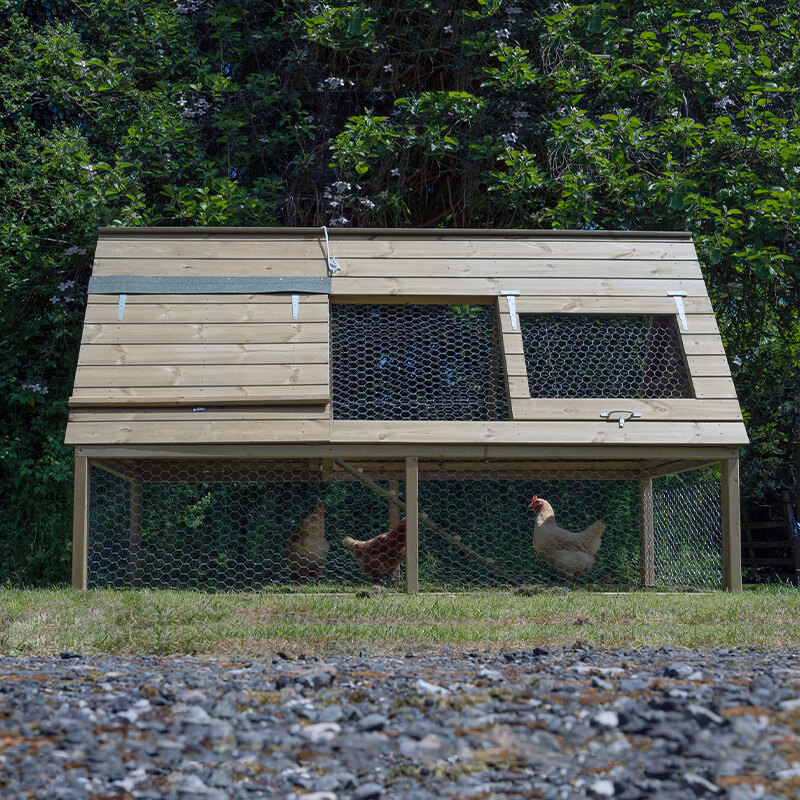
Bestseller der Kategorie Garden Structures 40 sq ft / 4 m²
- Arches that mark an entrance or divide one area from another.
- Mini pergolas that offer overhead definition for a bench, seat or planting pocket.
- Small gazebos or open shelters with a compact floor plan.
- Trellis structures that add height along a wall or fence line.
- Square or rectangular frames that suit corners and straight edges.
- Corner arbour styles for tucked-away seating or decorative planting.
What matters most is not just the external measurement, but how the shape behaves in the space. A square footprint may sit neatly on paving, while a curved or arched form can soften hard edges and make a narrow garden feel less boxy. Even within 4 m², the difference between a closed roof and an open lattice top is quite dramatic.
Arches, Pergolas, Gazebos: Not the Same Thing
People often group all garden structures together, but their jobs are different. An arch is usually the lightest option. It creates a threshold, often over a path or gate, and works well where visual height is wanted without a lot of bulk. It is good for climbers and for giving a small plot a point of entry.
A pergola feels more architectural. Even in a 40 sq ft format, it can suggest an outdoor room. The roof is often open or partly open, so it gives definition rather than full cover. That makes it handy if you want a place to sit without making the area feel boxed in.
A gazebo or compact pavilion shape has more of a shelter feel. In a small footprint, it may use a square or hexagonal plan and offer a stronger sense of enclosure. This suits gardens where a private corner matters, or where the structure is meant to be the main feature rather than just a passage or frame.
Arbours and trellis frames sit somewhere between decorative and practical. They are often chosen for climbing roses, clematis, jasmine or espalier-style planting, but they can also help split a tiny garden into zones. That is a useful trick when the outdoor space needs to do a lot: seating, planting, access and display all in one place.
Shapes That Change the Whole Feel
The shape of a garden structure changes how the space is read. A square or rectangular structure feels orderly and suits modern layouts, straight paths and decking edges. It lines up well with paving and can make a compact area look tidy rather than cluttered.
A round or hexagonal footprint softens the look. These forms tend to feel more relaxed and decorative, especially if the garden has curved borders or informal planting. In a 4 m² area, rounded edges can reduce the sense of hard lines, though they may need a bit more thought when placed against fences or boundary walls.
Low-profile designs are useful where height is already present from trees, walls or tall planting. Meanwhile, taller vertical frames draw the eye up and can make a small space seem less flat. It is a simple shift, but very effective: if the floor space is limited, vertical interest becomes a kind of visual extra room.
Why Size 40 sq ft / 4 m² Can Be a Very Good Fit
This size sits in a nice middle ground. It is compact enough for smaller gardens, yet large enough to be useful. A structure this size can create a seating nook, cover a short walkway or become a feature around which the rest of the garden is arranged. It can also serve as a planting frame, which is often where it earns its keep.
Some buyers choose this footprint because it gives a clear destination without dominating the plot. Others like it for its flexibility: it may fit beside a shed, in a corner near the boundary, or at the end of a path where the space needs a finish. In a tight garden, that sense of completion matters more than people sometimes expect.
Another practical difference is that 4 m² structures tend to feel less demanding than larger constructions. They can be easier to position in relation to doors, borders and access routes. That means you are less likely to end up with a structure that looks over-scaled or interrupts the flow. It sounds obvious, but many gardens suffer from pieces that are just a bit too large, and it throws everything off.
Materials and the Look They Give
Material choice changes both the visual style and the way a structure sits in the garden. Timber tends to feel warm and natural, making it a good match for traditional planting and softer outdoor rooms. It can look especially right with climbers, benches and gravel paths.
Metal structures often appear slimmer and more precise. They suit contemporary gardens and spaces where a lighter outline is preferred. Black or dark-finished metal can disappear into planting, while lighter tones stand out more clearly against walls or foliage.
Composite or mixed-material designs, where available, may offer a more practical finish for a busy space, though the look is still key. The main point is that the material should match the garden language. A rustic plot and a sharply paved courtyard do not ask for the same thing.
The visual difference between materials is not only about style. It is also about how much the structure reads as a feature. Timber usually has more presence. Metal often feels slimmer. For a small footprint, that difference can be quite useful when you want either a stronger centrepiece or a quieter framework.
More Than Decoration: What These Structures Do
It is easy to think of garden structures as decorative, but in a 40 sq ft / 4 m² setting they often solve problems. They can define an edge, break up a long narrow view, support vertical planting or create a place that feels separate from the rest of the garden.
- Creates a focal point where the garden needs a clear visual anchor.
- Adds height without using much ground space.
- Frames views towards planting, seating or a feature wall.
- Supports climbers and helps plant growth work in the vertical plane.
- Marks transitions between lawn, path, patio or border.
- Brings privacy in a light, partial way rather than with a solid barrier.
That mix of jobs is why compact structures are so popular in smaller gardens. They do not need to be big to make the space feel more thought through. A well-placed arch can change the feel of a path. A mini pergola can make a bench seem intentional. A trellis corner can turn a blank boundary into a planted feature. The difference is often more noticeable than expected.
Where a 4 m² Structure Works Best
Placement makes a big difference in a smaller garden. A structure of this size often works best where it can be seen from inside the house or from the main seating area. That way it becomes part of the daily view, not just something tucked away at the edge.
It can also work well as a garden room marker, especially if the plot is split into uses. For example, a structure can define the end of a path, the start of a planting zone, or the edge of a compact seating pocket. In a tiny garden, giving each area a clear identity can stop the whole place feeling muddled.
Against a fence or wall, a trellis-based structure can add depth to an otherwise flat boundary. In the middle of a paved area, a freestanding frame can act like a visual pause. Near a gate or opening, an arch can make the transition feel more deliberate. These are small moves, but they can tidy the whole layout.
Climbers, Cover and Character
Many garden structures in this category are chosen with planting in mind. Climbing plants can soften the lines and add seasonal change, but the structure itself should still look good on its own. That is important, because in winter or early spring the framework is more exposed.
Different forms suit different planting styles:
- Arches work well with lighter climbers that trail and weave.
- Pergolas suit plants that can be trained upwards and across overhead beams.
- Trellis panels are a good match for dense, upright growth and screen planting.
- Arbours often suit a romantic look with soft, layered foliage.
The key difference is how the plant and structure interact. An open lattice gives more room for foliage to show through, while a tighter pattern can make the planting feel denser. If the aim is a light, airy look, an open framework usually works better. If privacy or screen effect matters more, a closer pattern may be better. It really depends on what the garden needs to do.
Design Details That Make a Small Structure Feel Right
Small structures live or die by the details. Proportions matter, as do the width of uprights, the depth of the roof line and the amount of open space around the frame. In a 4 m² footprint, a heavy top section can make the whole piece feel too solid. A slimmer profile often keeps the structure from overwhelming the plot.
Colour is another practical design choice. Dark tones can recede into planting and let shape do the work quietly. Natural finishes can tie in with timber decking, sleepers or fencing. Brighter finishes may suit modern schemes, though they can be harder to blend into a busy border. There is no single right answer, only what feels settled in the garden.
Pay attention to how the structure sits beside nearby elements. If it is near a wall, it should not feel jammed against it. If it stands near a path, there should still be enough clear space for movement. If it is meant as a seat cover or retreat, the surrounding area should feel like part of the composition, not an afterthought.
Choosing with a Buyer’s Eye
When people compare garden structures in this category, they are often weighing up visual style, footprint and function at the same time. That is sensible. A compact structure should earn its space. It should fit the layout, suit the garden’s look and do something useful.
- For entrance definition, an arch usually gives the neatest effect.
- For a seating nook, a small pergola or open-sided shelter can feel more complete.
- For screening, trellis-based forms often offer the best mix of height and light.
- For a feature point, a square or hexagonal mini gazebo shape can carry more visual weight.
- For planting-led design, choose a frame that lets climbers show properly, not one that swallows them.
A useful tip is to think in layers. The structure itself is one layer, the planting is another, and the way you move around it is a third. If all three work together, even a 40 sq ft / 4 m² footprint can feel intentional rather than squeezed in. That is often the difference between a piece that merely occupies space and one that improves it.
For Gardens That Need Shape Without Fuss
Compact garden structures are a good match for buyers who want something that changes the layout without a major build. They add a sense of shape, offer a visual anchor and can make a small outdoor area feel more composed. They also give you options: a simple frame today can become a planted feature tomorrow, or a quiet corner with more personality than before.
In a category built around Garden Structures 40 sq ft / 4 m², the real value lies in the mix of compact size, clear function and strong visual effect. Whether you are after a delicate arch, a practical trellis, a sheltered nook or a small pergola with presence, the right shape can help the garden feel finished in a way that is hard to fake.
That is why these pieces tend to attract people who know what they want from a small plot: not more stuff, but better structure. And once the framework is right, the rest of the garden often falls into place a bit easier, which is probably the point.
[Sassy_Social_Share]