
Garden Structures 300 sq ft / 30 m² - Best Deals in UK!
Showing the single result

Garden Structures 300 sq ft / 30 m² for compact outdoor spaces: choose from pergolas, gazebos, arches, arbours, trellises and lean-to shelters to shape shade, define seating, frame planting, and make every square metre earn its keep.
Small footprint, clear purpose
A 300 sq ft / 30 m² garden structure area asks for choices that are tidy, purposeful and not overdone. The right structure can split a plot into usable zones without making it feel cramped. That is the real appeal of this category: you are not just buying a frame, you are setting the shape of the whole garden. In a space this size, a structure can work as a focal point, a shelter, a walkway marker, or a quiet place to sit with a cup of tea and not feel hemmed in.
Because the area is limited, proportion matters more than decoration. Tall, open forms can create the impression of space, while heavy enclosed ones can eat into it. That is why open-sided structures often suit 30 m² gardens better than bulky builds. They give you definition without turning the garden into a box. It is a bit of a balancing act, honestly, but a useful one.
Shapes that change how the garden feels
Different shapes do different jobs. A pergola brings rhythm with vertical posts and overhead beams, usually with an open roof that can support climbers or shade fabric. A gazebo tends to feel more enclosed and central, with a roof and clear seating area beneath it. An arbour is smaller and often used as a threshold, making an entrance or a transition between areas. An arch is even slimmer, often acting as a frame rather than a destination.
Bestseller der Kategorie Garden Structures 300 sq ft / 30 m²
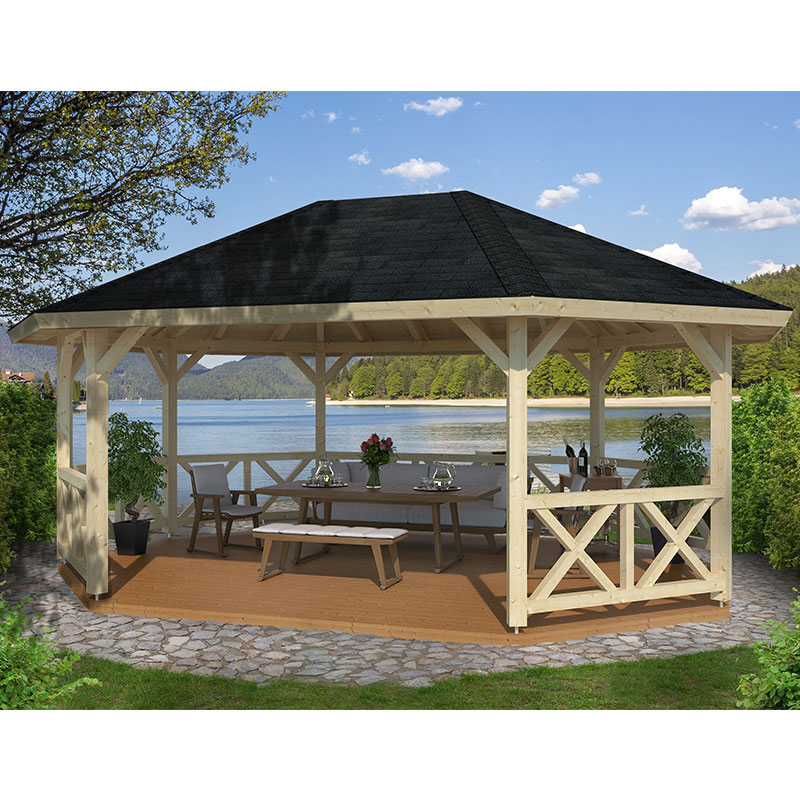
Then there are trellis panels and screening structures, which are less about sitting under and more about layering the garden. They can guide the eye, support planting, and soften boundaries. A lean-to shelter suits a wall or fence line where space is tight and you want a covered corner without taking up the middle of the plot. In a 300 sq ft setting, these shapes are not just different styles, they create very different ways to move through the space.
Which type suits which kind of garden?
The best choice depends on the job you want the structure to do, and the amount of ground it can safely claim. In a compact garden, a structure should feel like part of the layout rather than an object dropped into it. That is why some buyers lean towards slimmer forms, while others prefer a more settled, room-like structure.
- Pergolas suit seating areas and long rectangular plots, especially when you want a defined outdoor room.
- Gazebos work well as a central point in a square or broadly open layout, where you want shelter and presence.
- Arches fit entrances, narrow paths, and transitions between planting zones.
- Arbours are useful for small pauses in the garden, especially at the end of a path or beside a border.
- Trellises help with boundaries, privacy, and vertical planting without taking up much ground.
- Lean-to structures are a good match for wall-adjacent spots and awkward corners that might otherwise go unused.
The key difference is not only size, but how much of the garden each one visually occupies. A gazebo takes centre stage. A trellis slips into the background. A pergola sits somewhere in between, giving you structure without closing things off. That middle ground is often where 30 m² gardens benefit most.
Open frame or enclosed feel?
One of the main choices in this category is whether you want an open structure or a more enclosed shelter. Open frames, like pergolas and arches, keep light moving through the garden. They are good when you want a sense of height, or when the garden already feels full from planting and furniture. Enclosed options, like gazebos or sheltered corners, add more definition and can make a small space feel like a proper outdoor room.
This difference affects more than appearance. An open frame lets the planting do more of the talking, especially climbers such as roses, clematis or vines. An enclosed form gives more visual weight and can make a seating area feel anchored. If your plot is already busy, the lighter option often works better. If it is plain or awkwardly shaped, a stronger form can provide a needed centre. It sounds simple, but it changes the whole mood of the garden.
Materials that suit the scale
In a 300 sq ft / 30 m² space, the material choice can make a structure feel either refined or clumsy. Timber often gives the warmest look and fits naturally with planting. It can suit pergolas, arbours, arches and panels where a softer, more planted effect is wanted. Metal is usually slimmer in profile and can look neat where space is precious. It works especially well for arches, trellises and lightweight frames.
Some structures combine materials, for example timber posts with metal fixings or a mix of wood and decorative panels. That can help balance strength and visual lightness. The difference is not only style; it is how much visual volume the structure brings into the garden. Thicker posts and heavy detailing can be fine in a larger plot, but in a smaller one they may feel a bit much. Slimmer lines usually help the garden breathe.
Why buyers choose structures in this size range
Garden structures sized for around 300 sq ft / 30 m² are often chosen because they help a small garden behave like a bigger one. A well-placed structure can create a sense of separate zones: one for sitting, one for planting, one for moving through. That zoning makes even a simple layout feel more considered.
There is also the matter of comfort. A pergola can offer filtered shade. A gazebo can provide a sheltered place for gathering. An arch can make a plain path feel more intentional. A trellis can add privacy where a fence alone feels stark. These are practical advantages, but they also change the atmosphere. The garden feels arranged, not just occupied.
For buyers comparing options, the main differences often come down to:
- Height versus ground coverage
- Open shade versus covered shelter
- Visual lightness versus architectural presence
- Pathway framing versus seating focus
- Plant support versus standalone structure
Where each structure works hardest
Placement matters a lot in a compact garden. A pergola placed across a seating zone can feel like a natural extension of the house, especially if it lines up with a patio or deck. An arch at the start of a narrow path can create a change in mood without using much room. Trellis panels can turn a plain edge into something more layered, and they can also help screen less attractive views without a solid barrier.
Gazebos usually ask for a clearer patch of ground, so they work best where they will not interrupt movement through the space. That makes them suitable for gardens with a fairly open centre. Arbours, meanwhile, are useful where you want a pause point rather than a destination. They fit nicely beside borders, at path corners, or near a small lawn edge. In a 30 m² layout, these distinctions are worth paying attention to because a mistake of a metre or two can feel quite noticeable.
Design features that make a difference
Not every structure in this category does the same thing, even when the shape looks similar at first glance. Small design details alter how the structure behaves in the garden. An open lattice top gives climbers more opportunity and keeps the view open. A solid roof gives more shelter and a stronger visual block. Side panels increase enclosure, while bare posts keep the structure airy.
Height can also change the feel completely. A taller structure can make a small garden seem less compressed, while a lower one can create intimacy. Wide spans suit seating groups and dining corners. Narrow spans suit paths and entrances. If you are trying to avoid making a small space feel crowded, the trick is usually to keep the structure simple in outline and let plants or furniture add the detail. A bit of restraint goes a long way, which is not always easy when there are so many pretty options.
Practical tips for choosing without crowding the plot
When shopping for garden structures for 300 sq ft / 30 m², measure the exact area you want to keep open as well as the area the structure will occupy. That sounds obvious, but it helps prevent the common mistake of selecting something that fits on paper yet leaves no comfortable circulation space. A garden can lose its balance quickly if the structure is too wide, too deep, or placed too centrally.
It is also worth thinking about sightlines. A structure that looks good from one angle may block the view from the house or make a narrow garden feel even tighter. On the other hand, a slim arch or trellis can guide the eye and make the space feel longer. If the garden is rectangular, a crosswise pergola can create a sense of destination. If it is square, a corner structure may leave the middle free and more usable.
Useful things to check before buying:
- Overall footprint and how much usable space remains around it
- Height, especially if the garden is overlooked or visually busy
- Open or covered design, depending on whether you want shelter or light
- Width of access points, so paths do not feel blocked
- Compatibility with climbers, if you want planting to soften the frame
- Material thickness, since bulkier frames can dominate smaller gardens
When function and atmosphere line up
The nicest thing about a well-chosen garden structure is that it can do several jobs at once without looking forced. A pergola can define a dining area, support climbing plants and add vertical rhythm. A trellis can screen a boundary, support planting and divide a garden into zones. A gazebo can offer shelter, shape a seating point and give the whole plot a visual anchor. In a 300 sq ft / 30 m² space, that kind of overlap is useful, because there is not room for separate features doing one job each.
Differences between types are worth weighing carefully. If you want more light and a softer edge, choose open framing. If you want more enclosure and a stronger centre, lean towards a roofed or side-panelled design. If you want subtle structure, use arches and trellis. If you want a place to gather, look at pergolas or gazebos. It comes down to how you want the garden to feel when you step into it: framed, sheltered, crossed-through, or quietly divided. The right answer is the one that fits the way you actually use the space.
Details buyers notice after the first glance
People often start by looking at style, then realise the finer details matter more in a small garden. The spacing of uprights, the openness of the roof, the depth of side panels, and the line of the base can all affect how the structure sits in the plot. A neat, slim profile can make a compact garden feel more ordered. A heavier outline can create a stronger destination, but it needs room to breathe.
Also, think about how the structure connects to existing features. If it sits beside a fence, does it echo the line or clash with it? If it meets a patio, does it feel like a natural extension? If it stands near planting, can the plants climb it without swallowing the whole thing? These are the sort of questions that turn a purchase into a good fit rather than a random add-on. And in a garden this size, that fit really matters.
Making the most of 30 m²
Garden Structures 300 sq ft / 30 m² are about making small spaces feel shaped, useful and worth spending time in. Whether you choose a pergola, gazebo, arch, arbour, trellis or lean-to shelter, the best result usually comes from a structure that respects the scale of the plot. Open lines can keep the garden light. Covered forms can make it feel more settled. Slim frames can support planting and movement. More substantial forms can create a clear place to sit.
The right choice is rarely the loudest one. It is the one that gives the garden a purpose and lets the rest of it work around that. If you want the space to feel planned without looking crowded, this category gives you plenty of room to do that, even when the garden itself does not have much room at all.
[Sassy_Social_Share]