
Garden Structures 20x15 - Best Deals in UK!
Showing the single result

Garden Structures 20×15 cover shelters, frames and built features sized for larger plots, offering defined space for seating, storage, growing and shade without overpowering the garden.
Space that Works Hard Without Looking Heavy
A 20×15 garden structure gives you a useful footprint that sits between compact and full-scale. It is large enough for a proper destination in the garden, but still ordered enough to feel planned rather than bulky. That matters if you want a structure that does more than fill a corner. In this size range, you can choose forms that shape the garden visually as well as practically: a covered retreat, a growing frame, a storage-focused build or an open-sided feature that frames views and movement.
What makes this category interesting is the range of roles it can play. A 20×15 layout can support a social area, a planting zone, or a defined path-side feature, depending on the type you choose. The dimensions give room for proportion, which means the structure can be used to split a garden into clear areas without making it feel crowded. That’s a useful balance for gardens where every square metre needs a job.
Forms You’ll See in This Size
Within Garden Structures 20×15, the shape matters just as much as the materials. A rectangular footprint is the most common because it uses the full span efficiently, but the internal form changes how the structure feels and performs. You might see:
Bestseller der Kategorie Garden Structures 20x15
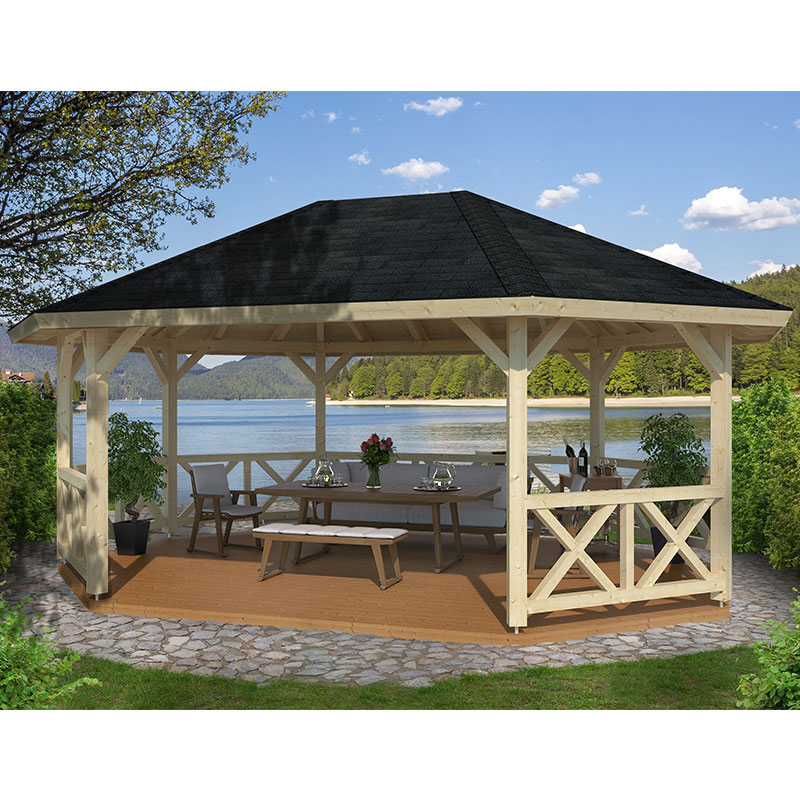
- Open pergola-style frames for filtered shade and climbing plants.
- Fully roofed shelters for drier seating or dining space.
- Side-screened structures that offer some protection while keeping an airy look.
- Enclosed garden rooms for a more defined, private space.
- Archway or tunnel forms where the structure guides movement through the garden.
The difference between these forms is not just appearance. An open frame keeps the garden more connected and lets planting remain the focus. A roofed structure creates a distinct zone and helps make outdoor use feel more organised. A partially enclosed design sits in the middle, giving a sense of shelter without closing the garden off. If you are trying to choose, think less about what looks nice in a photo and more about how the structure will divide the space on your own plot.
Why the 20×15 Footprint Feels So Usable
A 20×15 structure gives you a practical ratio. It is long enough to support movement, furniture or planting runs, while the 15-foot depth avoids that “corridor” feel you can get with slimmer structures. This makes it especially useful where you want room for more than one function. For example, one end can hold seating, the middle can stay open, and the other end can support a planting backdrop or storage edge.
Compared with smaller garden structures, this size tends to feel less like a single object and more like part of the layout. It can sit beside a lawn, border or hard landscaping and still have presence. Compared with very large builds, it usually feels easier to integrate, because the dimensions allow the surrounding planting to remain visible. That’s a useful difference when you want the garden to keep its shape and not disappear under one dominant feature.
Types That Suit Different Ways of Using the Garden
Not every garden structure in this category does the same job. The best choice depends on what you want the area to do through the seasons and during the day. Common subtypes include:
- Gazebo-style structures for a central seating point or a focal feature.
- Lean-to structures where the build sits against a wall or boundary, making use of existing space.
- Freestanding canopy structures for flexible placement in open areas.
- Timber frame structures where the visual appeal comes from visible posts and beams.
- Metal-framed structures for a sharper, more structured outline.
- Garden arbours and walk-through forms that link different parts of the plot.
The main difference between these subtypes is how much enclosure they create. A gazebo typically feels more destination-like, while a lean-to often works better where space is precious and you want the structure to belong to the garden boundary. Freestanding canopies are easier to place as stand-alone features. Arbours are more about movement and framing, so they suit routes, entrances and transitions. Each type brings a different level of visual weight, and that can affect how balanced the whole garden feels.
Materials That Change the Look and the Mood
In a 20×15 category, the choice of material affects more than durability or cost; it changes the character of the space. Timber garden structures usually feel softer and more integrated with planting. They often suit traditional borders, cottage-style schemes or gardens where the structure should blend rather than stand apart. Metal structures, by contrast, can create clearer lines and a neater outline, which works well in contemporary plots or more geometric layouts.
There are also combinations that mix materials, such as a timber frame with a covered roof, or metal posts with decorative side panels. Those mixed designs can help when you want one part of the structure to feel light and another part to feel more anchored. The difference is mostly visual, but that visual difference matters. A lighter-looking structure can keep a planting-heavy garden open, while a more solid frame can help define a patio or seating area that otherwise might look unfinished.
What Buyers Often Compare Before Choosing
People looking at Garden Structures 20×15 usually compare a few practical details. Not the kind of broad stuff you see everywhere, but the features that change how the structure sits in real use.
- Open versus enclosed — open structures keep the garden visually connected; enclosed ones create privacy and a stronger sense of room.
- Roofed versus unroofed — a roof changes the feel from frame-like to shelter-like, which affects how the structure is used.
- Simple lines versus decorative detailing — plain forms suit modern gardens, while bracketed or slatted details can suit more ornate planting schemes.
- Standalone versus boundary-fitted — freestanding units suit open lawns or central positions; fitted designs help you use edges well.
- Heavy visual presence versus lighter outline — this is often the difference between a structure that leads the garden and one that quietly supports it.
These comparisons matter because a 20×15 structure is not just about size. The same footprint can feel very different depending on how much of the garden it visually claims. If you prefer a calmer layout, look for slimmer members, open sides and a less enclosed finish. If you want a stronger feature, choose a form with a deeper roof line or more definition around the sides.
Good Uses Beyond the Obvious Seating Spot
A lot of buyers first think of seating, but this size can support other uses too. A 20×15 structure can act as a garden room outline without needing to be fully enclosed. It can create a outdoor dining zone that feels separate from the lawn. It can frame a hotspot for planters, where climbers, hanging baskets or border planting are arranged around it. It can also work as a transition piece, guiding the eye from one section of the garden to another.
Because the footprint is generous, it suits designs where function overlaps. For example, one side can hold a table, another side can stay open for circulation, and the outer edge can be planted to soften the outline. This layered use is one of the category’s best features. It lets the structure earn its place instead of just standing there looking tidy.
Design Differences That Affect the Whole Garden
It’s easy to think of a garden structure as a standalone item, but in this category the surrounding garden changes everything. A square-feel arrangement can make the structure look more formal and settled, while a longer, linear setup helps it guide the eye across the plot. If the structure is set against a border, it can act like a backdrop. If it sits in open space, it becomes a focal point and needs more careful proportioning with nearby planting.
Another difference is between structures that are visually porous and those that are more solid. A porous design lets you see through it, so the garden keeps its depth. A solid or partly solid design creates a pause in the view, which can be useful if you want to hide less attractive areas or make a seating point feel sheltered. Neither approach is better in general; it depends on whether you want connection or separation. That is often the deciding point for buyers once they’ve narrowed down the shortlist.
Small Buying Tips That Make a Big Difference
When comparing Garden Structures 20×15, think about the way the structure will sit with the rest of the garden features, not just how it looks on its own. A few useful checks:
- Match the structure’s line to the garden layout so it feels intentional rather than dropped in.
- Consider how much sky or light you want to keep visible; open forms suit brighter, less enclosed spaces.
- Think about the dominant garden material around it, such as timber decking, paving or gravel, so the structure doesn’t clash.
- Use planting to soften corners or posts if the frame feels too rigid for the space.
- Decide early whether you want a feature or a backdrop, because the same size can do both, but not in the same way.
If you are unsure between two styles, compare the outline from a distance. A structure that looks good close up can sometimes feel too dense from the house or patio. The reverse is true as well: a light frame may look modest in isolation but can work brilliantly when seen across a lawn. That kind of visual check often saves regret later on, and it’s one of those boring-but-useful things people sometimes skip.
When a 20×15 Structure Feels Right
This category suits gardens that need a defined feature without losing usable ground around it. It’s a good fit for buyers who want a structure with presence, but not one that takes over the whole plot. It also works when the garden needs clearer zoning, such as separating a dining space from open planting or creating a sheltered area near the house. If your plot already has strong edges, a 20×15 build can sit comfortably within that framework. If the garden is more open, it can help create shape and purpose.
For many buyers, the appeal is in the flexibility. 20×15 garden structures can be formal or relaxed, open or enclosed, decorative or simple. That range makes the category useful for more than one style of garden, while still keeping the dimensions easy to visualise. If you are trying to turn a blank section into something with structure, this footprint gives you enough room to make it count, without making the whole space feel tied up.
Choosing the Right Character, Not Just the Right Size
The best choice in this category is usually the one that fits the feel of the garden as much as the measurements. A clean-lined frame can suit a modern terrace or a neatly planned rear garden. A decorative timber form can sit more naturally among informal planting. A roofed shelter is useful where you want a more settled outdoor room feel, while an open pergola keeps the garden breathing. Even within the same 20×15 footprint, these choices change the experience quite a lot.
That is why this category tends to reward careful comparing. The right structure does not just fill space; it gives the space a purpose. And if it also helps the garden look more organised when viewed from the house, that’s usually a pretty good sign you’ve picked well.
[Sassy_Social_Share]