
Garden Structures 20 sq ft / 2 m² - Best Deals in UK!
Showing all 2 results
-
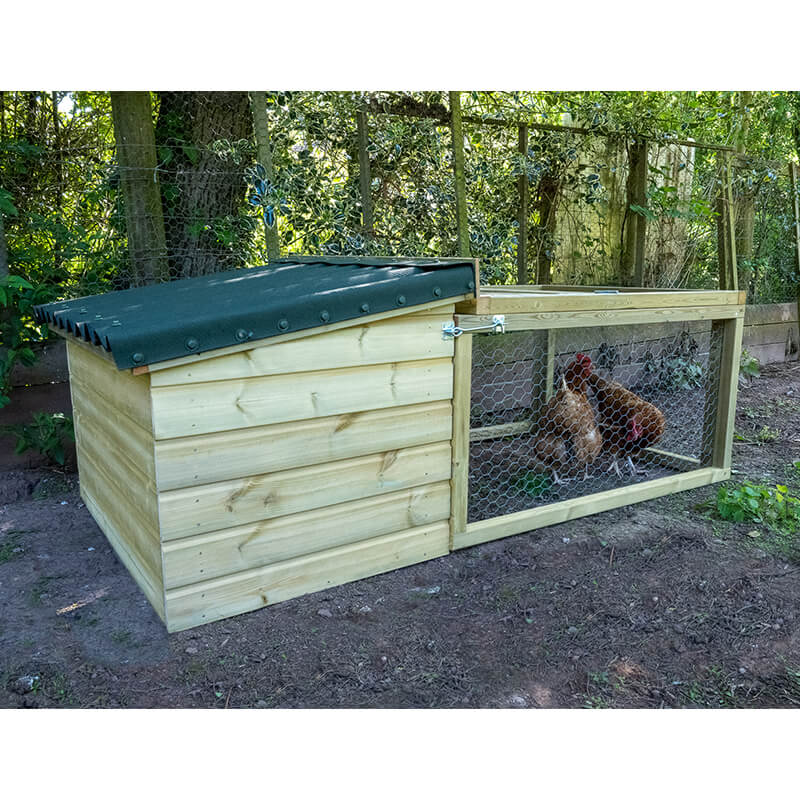
6% OFF: 6’6 x 3’5 Forest Hedgerow Wooden Chicken Coop with 4ft Run (1.99m x 1.05m) £469.996%

-
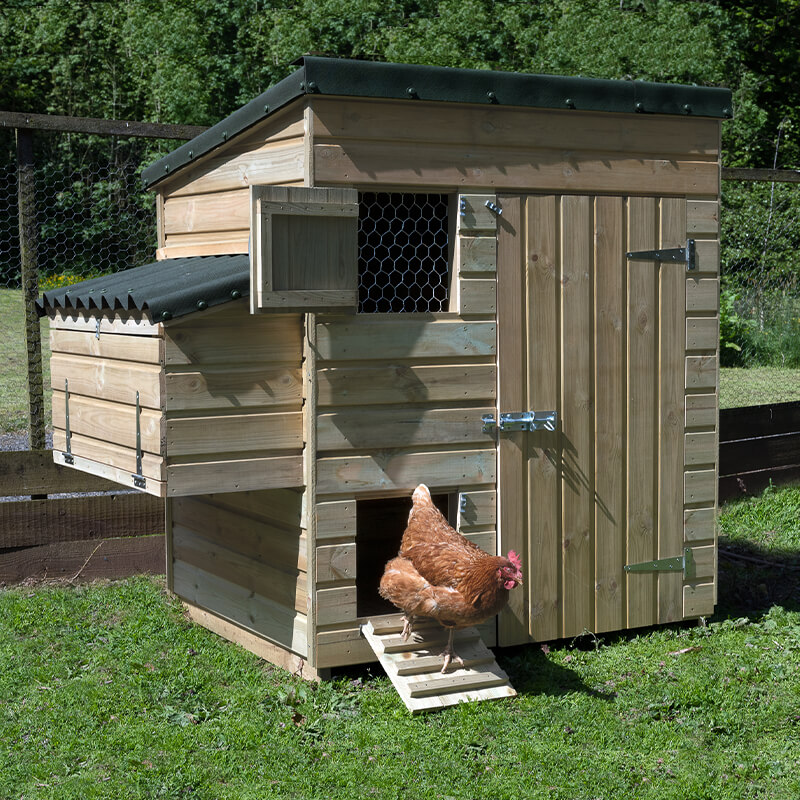
5’4 x 3’8 Forest Hedgerow Wooden Large Hen House (1.63m x 1.12m) £679.993%

Garden Structures for 20 sq ft / 2 m² make compact outdoor spaces feel purposeful, adding shape, shelter and a clear focal point with choices like arches, trellis panels, mini pergolas and slim frames.
Small Footprint, Proper Presence
A 20 sq ft / 2 m² garden structure is not about filling space for the sake of it. It is about making a modest area work harder, so a narrow patio, courtyard, allotment corner or city garden doesn’t feel like an afterthought. In this size range, structure matters more than bulk. The best pieces create definition without swallowing the plot, which is why open frames, slender uprights and lightweight lattice forms tend to suit this category so well.
What makes these structures useful is the way they organise the eye. Even a small arch can suggest a route, while a trellis screen can hint at privacy without blocking out the whole world. A compact pergola frame can mark out a sitting area, and a simple obelisk can turn a forgotten corner into a point of interest. The point is not to cram in more things, but to make the area feel intentional.
Forms That Fit: Arches, Frames and Compact Pergolas
Within 2 m², shape is everything. Different forms serve different jobs, and the right one depends on whether you want a sense of passage, support for planting, or a little shelter overhead.
Bestseller der Kategorie Garden Structures 20 sq ft / 2 m²
- Garden arches work well where you want a clear entry or transition. Their curved tops soften straight lines and they can make a short run of path feel more complete.
- Trellis structures are useful when vertical growing is part of the plan. Their grid or ladder-like pattern gives climbers a place to grip while keeping the footprint tight.
- Mini pergolas bring a framed, room-like feeling to a small patio or seating nook. Even in reduced scale, they can help define a zone without building a solid roof.
- Plant supports and obelisks are the narrowest option and suit pots, raised beds and tight corners. They add height where width is limited.
- Screen panels offer separation. In small gardens, that can mean hiding bins, softening a fence or dividing one use from another.
Each form changes how the space behaves. A curve feels inviting and decorative. A rectangle feels steadier and more architectural. A grid gives a more functional look, while a lattice finish sits somewhere in between, with a bit of detail but not too much heaviness.
What the Materials Say Before the Plants Do
The material of a garden structure often changes the character of a small garden as much as the shape itself. Wood tends to feel softer and more traditional, especially where there are planting beds or natural paving materials nearby. Metal usually looks slimmer and more defined, which helps in a small area because it doesn’t visually crowd the space. Some buyers prefer the slightly industrial feel of powder-coated steel or the cleaner lines of aluminium-style frames; others go for timber because it blends in more easily.
It is worth noticing the difference between a structure that looks decorative and one that is built to carry planting. A delicate-looking arch may be fine as a walkway feature, but if you want it to support heavier climbers, the frame and fixings need to feel properly solid. The same goes for trellis. A close-set lattice looks neat, though some climbers like larger gaps to thread through. So the material choice isn’t only about style, it also affects what the structure can realistically do.
Why 2 m² Can Do More Than It Looks Like It Can
Small structures are often chosen because they solve two or three problems at once. A compact arch can frame the end of a path, support climbers and give a sense of arrival. A trellis screen can add privacy and create a planting surface at the same time. A mini pergola can suggest a seated area even if the actual footprint is modest. That sort of efficiency matters in compact gardens where every bit of space has to justify itself.
There is also a visual benefit that is easy to miss at first. In a tiny garden, a single strong vertical element can stop the space feeling flat. It draws the eye up, which gives a sense of depth and height. This is one of the reasons why compact garden structures are so useful in courtyard layouts, terraces and side returns. They make the area feel more layered, not just more decorated.
And then there is the simple pleasure of having a garden that feels arranged rather than accidental. A small structure can help the whole space read more clearly: here is the entrance, here is the sitting spot, here is the planted edge. That kind of clarity is practical, but it also makes the garden feel more finished, even if it is very small.
Open, Half-Open or Screened: Picking the Right Degree of Coverage
Not every structure in this category does the same job. One of the main differences is how open or enclosed it feels. In a 20 sq ft / 2 m² area, that choice matters a lot because too much enclosure can make the garden feel tight, while too little may leave it feeling unfinished.
- Open structures such as arches and uprights keep the space airy. They suit gardens where you want the smallest possible visual interruption.
- Half-open structures like pergola-style frames or trellis-top designs offer a little more definition. They mark out a zone without sealing it off.
- Screened forms create the most privacy. They are useful when the aim is to block a direct view, soften a boundary or hide something less attractive.
The difference is not just visual. Open forms allow the eye to travel through the space, which can make a narrow garden seem broader. Screened forms give more intimacy, but they need to be handled with care in a small plot because they can also reduce light and openness. Half-open designs often sit in the middle nicely, especially where the structure is meant to support planting rather than act as a barrier.
When Planting and Structure Start Working Together
The best thing about this category is the way it can change once planting is added. A bare metal arch is one thing; the same arch with a climber threading through it becomes part of the garden’s shape. A trellis panel without plants can still look neat, but once it is carrying growth, it starts to act as both backdrop and feature. That mix of hard structure and living material is what gives small gardens some depth.
In compact spaces, the choice of structure should match the sort of planting you want to use. Slender climbers suit lighter forms. A more rigid support suits plants that need a bit of guidance or a stronger frame. There’s also the matter of timing: some structures look complete on day one, while others are really at their best once the planting has settled in. That is not a flaw; it is just part of the appeal.
For buyers, that means thinking beyond the item itself. A structure can be decorative, but it can also be a starting point for a living feature that changes across the seasons. In a 2 m² setting, that sort of layered effect can do a lot of work.
Using Height Wisely in a Tight Corner
One of the main tricks with small garden structures is to use height without creating clutter. A narrow garden often benefits from a vertical line, but it needs to stay visually light. This is where slim uprights, open lattice and airy top sections are handy. They give the impression of height without turning into a solid block.
Height can also create a sense of sequence. If a structure sits at the end of a path, it can pull the eye forward. If it stands beside a bench or small bistro set, it can make that area feel like a proper destination. In a plot that measures only 20 sq ft / 2 m², those cues are very useful because they help each section of the garden feel deliberate, not squeezed in.
Practical Differences Buyers Often Notice
There are a few differences that become important once a buyer starts comparing options side by side. Some are obvious, some only show up once the structure is in place.
- Width matters more than many people expect. A structure that looks modest in a showroom can feel bulky in a tiny garden if the base is too wide.
- Frame thickness changes the visual weight. Slimmer members tend to suit compact spaces better because they leave more air around the shape.
- Top design affects mood. A curved arch feels softer; a straight pergola line feels more structured and formal.
- Side openness affects how much light and view are retained. That can make a real difference in a courtyard or narrow side return.
- Fixing style matters for stability and placement. Some forms need to stand firmly on a base, while others work better when tied into a wall or fence setting.
These differences are easy to overlook when you’re just browsing pictures, but in a small garden they change the whole result. What looks elegant in theory can feel too heavy in practice. That is why proportion matters so much here.
Where These Structures Work Best
Garden structures in this size range suit a surprising number of places. They work well in courtyards, where space is tight but shape matters. They suit balcony-adjacent terraces, where a little vertical form can help the area feel less flat. They are a good fit for narrow side gardens, where a screen or arch can break up a long stretch. They also suit small raised-bed areas, where an obelisk or trellis can bring height without taking up valuable ground.
Because they are compact, these structures can also help define mixed-use spaces. A seating corner and a planting corner can sit close together, but still feel separate. That is often the real value of a structure in this category: it gives order without taking over.
Buying With the Size in Mind
Before choosing a garden structure for 2 m², it helps to measure the actual usable space, not just the rough garden size. Leave room for movement, for opening a gate if needed, and for the spread of any planting you expect to add later. In a very small area, a structure that seems fine on paper can feel awkward once it is in place if the clearance is too tight.
It is also smart to think about the view from inside the house. In small gardens, the structure is often seen from the kitchen window, back door or sitting room before it is experienced up close. A well-placed arch or trellis can improve that view, giving the garden a stronger silhouette. A poorly placed one can block the sightline or make the space feel chopped up. Tiny gardens are a bit unforgiving like that.
And if you are choosing between a decorative piece and a more functional support, ask what the structure needs to do first. If it is mainly about framing a space, a lighter shape may be enough. If it is meant to support growth, then the frame should be judged less by looks alone and more by how it stands up to use.
A Small Category With Real Impact
Garden Structures 20 sq ft / 2 m² are made for people who need their outdoor space to work neatly and look considered, without taking over the whole plot. The appeal lies in the balance: decorative but useful, compact but noticeable, simple in footprint yet capable of changing how a garden feels. Whether you lean towards an arch, a trellis, a mini pergola or a screened frame, the right choice can turn a plain patch into something with direction and character.
For small gardens, that can be the difference between a space that is just there and one that feels like it has been thought through. And that is usually what buyers are after, even if they don’t say it out loud.
[Sassy_Social_Share]