
Garden Structures 16x14 - Best Deals in UK!
Showing the single result

Garden Structures 16×14 offer a roomy footprint for outdoor living, storage, and shelter, with choices ranging from open-sided frames to enclosed builds, each shaped for different uses, looks, and layouts.
Why 16×14 feels just right in a garden
A 16×14 garden structure gives you a generous amount of space without forcing the rest of the plot to feel crowded. It is a size that can work as a focal point, but still leaves enough room around it for paths, planting, or seating. That balance is one of the main reasons buyers look at this category: it is large enough for proper use, yet still practical for a typical domestic garden.
At this scale, the structure can feel more like part of the garden layout than an afterthought. Whether you need a place to gather, cover a feature area, or create a defined zone, 16×14 proportions give you a clear shape to work with. The footprint also helps when you want the structure to do more than one job, for example a shaded sitting area with a storage corner, or a sheltered space that still feels open.
Different forms, different jobs
The term garden structures covers a few distinct styles, and the right one depends on how you want the space to feel. Some are all about openness, some bring privacy, and some sit somewhere in between.
Bestseller der Kategorie Garden Structures 16x14
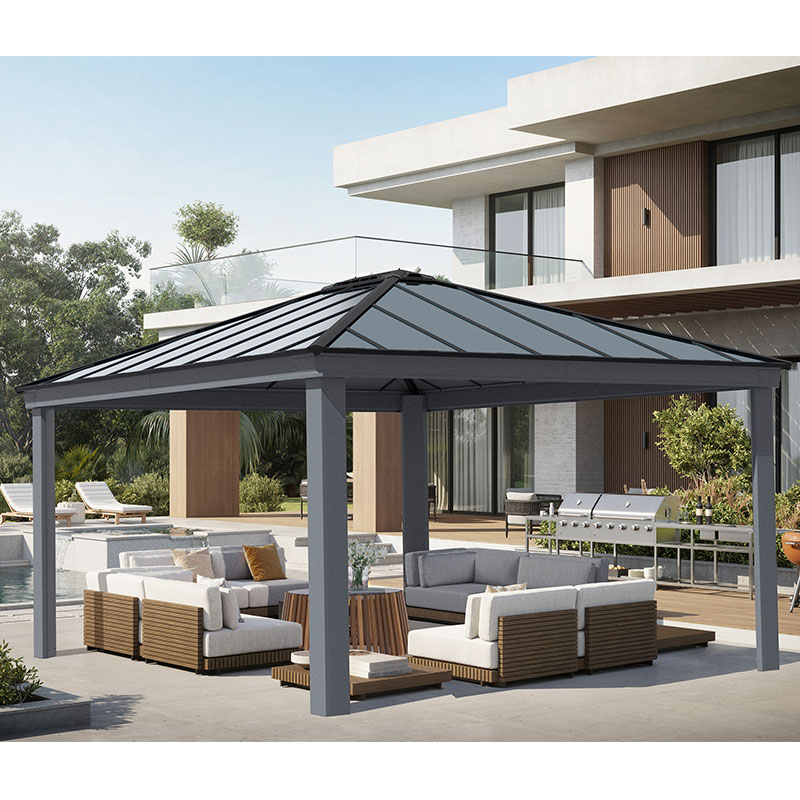
- Gazebos create a defined shelter with a strong sense of shape, often suited to seating or dining.
- Pergolas give a lighter, more open frame, with overhead structure that can mark out a garden room without closing it in.
- Arbours and smaller framed features can act as entrances, focal points, or support for climbers, though they are more compact than a full 16×14 build.
- Covered shelters offer more protection from the weather and are useful where the aim is a usable outdoor area over a longer part of the year.
- Open-sided structures keep the garden feeling airy and suit buyers who want a sense of shelter but not full enclosure.
Within a 16×14 footprint, these forms behave very differently. A pergola in this size can feel architectural and elegant, while a gazebo of the same footprint tends to feel more contained and formal. A more open frame is usually easier to blend into planting, while a solid-roofed option has more presence and can anchor a larger terrace or lawn area.
Open, semi-open, enclosed: the feel changes a lot
One of the most useful ways to compare garden structures 16×14 is by how enclosed they are. The choice affects not only appearance, but also how you use the space.
Open-sided structures suit buyers who want a garden feature that keeps views flowing. They work well beside lawns, ponds, or larger patios where you do not want to block the scene. They can also make a garden feel broader, because the eye moves through them rather than stopping at a wall.
Semi-open designs usually provide a bit more shelter and definition. These are useful if you want the structure to frame an area for chairs, a table, or a bench. In a 16×14 size, semi-open builds can feel balanced: there is enough structure to create a destination, but still enough airflow and light for the space to feel easy.
Enclosed structures are the most defined option. They suit buyers who want a stronger boundary and a more private feeling. At this footprint, an enclosed style can become a proper outdoor room, which may be ideal if the goal is to separate one zone from the rest of the garden.
Shapes that change the mood
Shape matters just as much as size. A 16×14 structure can be built in forms that feel softer, sharper, traditional, or more contemporary.
- Rectangular layouts are the most direct fit for 16×14 dimensions and are easy to align with patios, decking, or boundary lines.
- Square-feeling designs feel more centred and formal, even when the measurements are not perfectly square.
- Octagonal or polygonal forms have a gentler, more decorative look and can soften a large garden.
- Lean-to or attached styles are more about connecting to an existing wall or building, which can be useful where space planning matters.
Rectangular structures usually make the most of a 16×14 footprint because the space is easy to organise. If you are planning seating or furniture, that shape often feels more straightforward. By contrast, a faceted or rounder form can break up a long garden line and add visual interest, though it may leave less flexible floor area in the corners.
What the extra space really gives you
With garden structures, size is not only about how much you can fit inside. It also changes how the structure feels when you stand inside it. A 16×14 build gives a bit of breathing room, which makes a difference if the structure is going to be used by more than one person at a time.
That larger footprint can suit a number of uses:
- Outdoor dining with room for a proper table and chairs.
- Relaxed seating where a bench, sofa-style seating, or a few chairs do not feel cramped.
- Garden zoning to mark off one area from another, such as a leisure corner or feature space.
- Functional shelter for spaces that need some cover but still need to feel open.
The difference between a smaller structure and a 16×14 one becomes clear once furniture is added. A compact frame may suit a single bench, but this size can handle a fuller arrangement without feeling squeezed. That can matter if you want the structure to work for gatherings, not just occasional sitting.
Materials and looks: subtle changes, big effect
Even without changing the footprint, the material and finish can shift the whole impression. Wooden garden structures tend to feel warmer and more natural, fitting in with planting and softer landscaping. They often suit traditional gardens, cottage-style layouts, and plots where texture matters.
More contemporary looking structures may use cleaner lines, simpler edges, or a darker finish. These can suit modern patios, straight-edged paving, and gardens with a more minimalist approach. The structure does not need to dominate; sometimes the right finish just helps it sit quietly in place.
There is also a difference between a build that feels decorative and one that feels practical first. Decorative structures often lean on form and detail, while practical designs focus on usable shelter and clear space. In a 16×14 category, buyers often compare these two approaches closely because the size is large enough for either route.
Good reasons buyers choose this category
People often look at Garden Structures 16×14 when they want a feature that is more intentional than a simple garden accessory. It is the sort of purchase that can shape how the whole outdoor area is used.
Common reasons include:
- Creating a destination within the garden instead of just a passing area.
- Adding structure to a broad lawn, patio, or border edge.
- Making outdoor space feel usable even when the weather turns a bit less predictable.
- Separating zones for dining, relaxing, or quiet sitting.
- Improving balance in a large garden that needs a stronger visual anchor.
The appeal is not only in how it looks on day one. A well-chosen structure can also make the garden easier to understand. It gives the eye a point to settle on, which is handy in larger or more open plots where everything can otherwise feel a bit spread out.
How to tell one style from another
If you are comparing options, it helps to think about openness, roof shape, and edge definition. Those three things usually tell you far more than the label alone.
A gazebo often feels more enclosed and decorative, with a roof that becomes part of the design. A pergola is more about framing space and creating a sense of place without heavy coverage. A shelter or covered structure puts usefulness first, especially if the aim is to make the area feel dependable for sitting or gathering. Even within one size, these styles can feel miles apart in use.
Another point is how the structure meets the ground. Some designs feel grounded and solid, while others sit more lightly, almost as if they are floating above the space. That matters if the structure is going beside planting, a deck, or a hard landscape feature. A heavier-looking piece can suit a formal layout, while a lighter frame can stop a busy garden from feeling overloaded.
Placement tips that save second thoughts
With a 16×14 structure, placement matters because the footprint is large enough to affect the whole composition of the garden. It is worth thinking about how it will sit in relation to paths, sightlines, and existing features.
- Use it to frame a view if you want the structure to draw attention to a planting scheme or focal point.
- Keep circulation in mind so the area around it still feels easy to move through.
- Let the shape echo the garden if your plot is long, wide, narrow, or divided into clear sections.
- Match the tone of nearby surfaces such as paving, gravel, decking, or lawn edges.
For rectangular plots, a 16×14 structure often works well when placed in a way that echoes the garden’s lines. In a softer or more irregular layout, a polygonal form can feel less rigid. And if the structure is going close to existing features, it is worth asking whether you want it to blend in or stand out. Both can work, but the effect is different.
Choosing with use in mind, not just looks
It is easy to focus on the appearance first, but the most satisfying choice is usually the one that fits the way the space will actually be used. A structure that looks good but feels awkward in scale can be frustrating. At 16×14, there is enough room to be a little more exacting.
Ask whether the space needs:
- more shelter or more openness;
- a defined central area or a softer transition into the garden;
- formal shape or a more relaxed outline;
- a strong focal point or something that quietly supports the rest of the plot.
Those questions usually narrow the choice very quickly. They also help you avoid buying a structure that is attractive in theory but not quite right in practice. In this category, the right fit can make the garden feel better organised straight away, which is part of the appeal.
The detail that makes a structure feel finished
It is often the finer points that make a garden structure feel right. The ratio of the roof to the base, the openness of the sides, the weight of the lines, and the way corners are handled all influence the final impression. A 16×14 structure gives these details room to matter, because the scale is large enough for them to be seen properly.
Some buyers prefer a structure with a stronger visual frame, where the lines are clear and the shape reads from across the garden. Others want something softer, where the structure seems to settle into the setting without too much fuss. Neither choice is better as such; they simply do different jobs. And that is what makes this category useful.
A practical finish with a decorative edge
Garden Structures 16×14 are not just about filling space. They are about giving the garden a reason to be used in a more deliberate way. A structure of this size can support relaxed outdoor living, create privacy, define a gathering spot, or bring a strong shape into a wider landscape. The difference between styles is often in how open they feel, how they frame the garden, and how much presence they have once installed.
If you want a piece that can anchor a seating area, mark a special corner, or add clear form to an outdoor plan, this category gives you plenty to work with. The key is choosing the style that suits the space, rather than just the first one that catches the eye. When the shape, finish, and footprint line up properly, the result feels natural, not forced.
[Sassy_Social_Share]