
Garden Structures 15x15 - Best Deals in UK!
Showing the single result

Garden Structures 15×15 offer a practical way to shape an outdoor room, with enough space for dining, seating, climbing plants or a quiet corner, all in a tidy square footprint.
Square Footprint, Clear Purpose
A 15×15 garden structure gives you a balanced layout that is easy to plan around. The square shape works well when you want the structure to feel centred rather than stretched out, and it can sit neatly on a lawn, patio, gravel base or raised garden area. Compared with longer rectangular formats, a 15×15 design often feels more enclosed and usable for social spaces, while still leaving room around the edges for planting or movement.
This size suits buyers who want a defined feature without taking over the whole garden. It can form a focal point for seating, a shaded lunch spot, or a frame for climbing plants. The proportions also help when you want symmetry – a square structure tends to look ordered, which can be useful in formal gardens, mixed borders, and modern layouts alike.
What Fits Inside a 15×15 Structure
The real appeal of 15×15 garden structures is the amount of usable space inside. It is large enough to make sense as a destination area, yet not so large that it feels empty in a typical garden setting. Depending on the type of structure, you might use the space for:
Bestseller der Kategorie Garden Structures 15x15
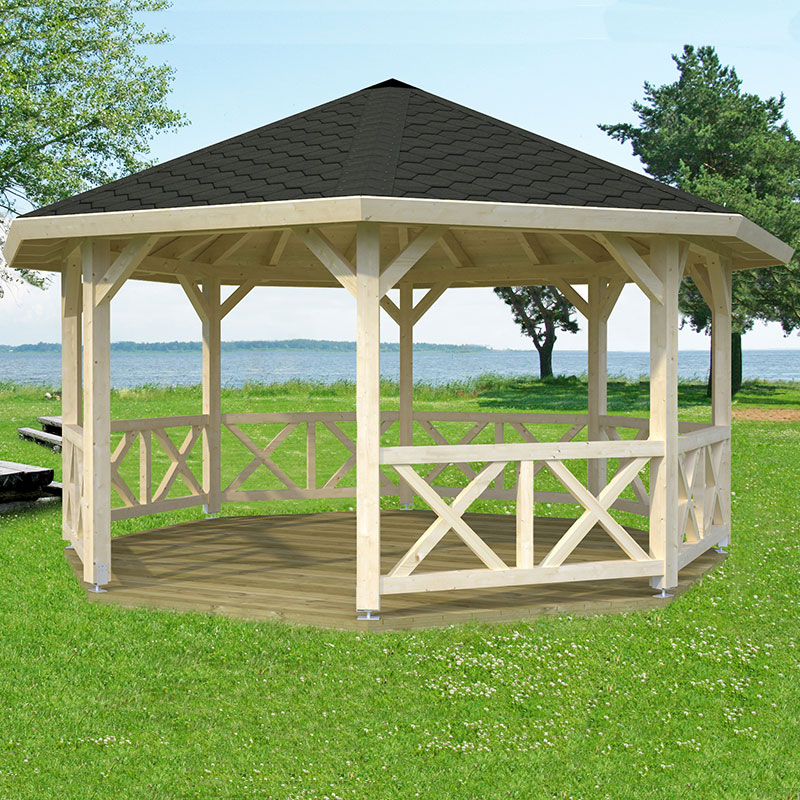
- Outdoor dining with a table and chairs
- Lounge seating for relaxed afternoon use
- Plant support for climbers and trailing greenery
- Garden focal points such as a central bench or feature pot
- Covered gathering space for family meals or guest seating
Because the format is square, it is easier to arrange furniture or planting in a way that feels even. That makes a difference when you want the structure to do more than just sit there – it should feel like part of the garden plan, not an afterthought.
Different Forms Within the Range
When people search for Garden Structures 15×15, they are often comparing different shapes of structure that share the same footprint. Each one changes the atmosphere and the way the space works.
- Gazebos usually provide a more enclosed feel, often with a roof and open sides. They suit seating areas where shelter and structure matter.
- Pergolas create a lighter frame, often with open beams rather than a fully covered top. They are good if you want definition without too much visual weight.
- Arbours or garden arches within this size category can mark an entrance, path, or planting zone, though they are typically more decorative than enclosed.
- Pavilions often feel more architectural, with a stronger roofline and a sense of permanence.
- Canopy-style structures are useful when the aim is flexible shade and a softer look.
The best choice depends on what you want the structure to do. If you need a room-like space, a gazebo or pavilion makes sense. If the goal is to frame planting and keep the garden open, a pergola may be the better fit. For a simple visual feature, an arbour can be enough, though it does not offer the same amount of usable cover.
Open, Covered, or Partly Framed?
One of the key differences in this category is how much enclosure the structure gives. A fully or partly covered 15×15 garden structure creates a more practical sheltered zone, which can be handy if the space is meant for sitting or dining. An open frame, by contrast, works well when you want light, air and planting to remain the focus.
Covered styles usually give a stronger sense of destination. They define the area clearly, and that can make a garden feel more organised. Open styles can look less dominant, which is useful in smaller plots or where you do not want to block views across the garden. There is also a middle ground: structures with a roof frame but open sides can offer some shelter while still feeling airy. Thats often the sweet spot for buyers who want both presence and flexibility.
Why the Square Shape Matters
A square 15×15 structure behaves differently from a narrow rectangle. With equal sides, circulation is more even and the centre of the space becomes easy to use. This can help if you want to place a table in the middle, or position seating so that everyone feels part of the same area.
Square proportions also make the structure easier to integrate with symmetrical planting. For example, you might place matching pots at the corners, climbing plants on paired uprights, or path lines that lead in from each side. The result often feels settled and deliberate. It is a good format if you like balance, or if the rest of the garden already uses strong lines and repeats.
Materials and Visual Character
In this category, the material choice changes both the look and the feel of the structure. The best option depends on whether you want the garden feature to blend in quietly or stand out as a centrepiece.
- Timber structures tend to look natural and sit comfortably in planted gardens, especially where softer shapes and textures are already present.
- Metal-framed structures often give a cleaner outline and can work well in more contemporary settings.
- Mixed-material designs can combine a solid frame with lighter detailing, which may suit gardens that need a bit of contrast.
Material also affects the visual weight of the structure. Timber can feel warmer and more traditional, while metal often looks slimmer and more defined. A square 15×15 footprint can handle either approach, but the wrong material for the surrounding garden can make the piece feel out of place. Matching the frame style to nearby fencing, paving, or planting helps the structure feel considered rather than random.
How the Structure Changes the Space Around It
Garden Structures 15×15 do more than fill an area – they change how the whole garden is read. A structure can create a pause point, interrupt a long lawn, or turn an unused corner into the place people actually sit. That is a big reason buyers look at this size. It offers enough presence to alter the layout, but not so much bulk that it overwhelms everything else.
Placed well, a 15×15 structure can define a room outdoors. It can separate dining from play areas, create a sense of privacy in an open plot, or support a planting scheme that needs height and form. For gardens that feel flat or slightly unfinished, a structure of this scale can bring shape without demanding a full redesign.
Features Buyers Often Compare
When choosing between structures in the 15×15 category, a few details usually matter most. These are the kinds of points that can make one option feel right and another feel slightly off.
- Roof style – flat, pitched, open-beam or partially covered
- Side openness – fully open, screened, or more enclosed
- Support layout – corner posts, central posts, or wider framing
- Use of climbing plants – suitable if you want greenery to be part of the design
- Level of visual weight – important in smaller gardens or where views matter
- Overall symmetry – a strong fit for structured or formal layouts
These details influence how the structure feels from day one. A lighter frame may suit planting-heavy gardens, while a more solid profile can anchor a patio or seating area. None of these choices is about fashion alone; they change how usable the area is, and how comfortably it sits within the garden as a whole.
Best Uses for Different Garden Styles
A 15×15 structure can work in a range of garden styles, but the way it is used should suit the setting. In a traditional garden, it may frame a lawn, rose border or central path. In a more modern space, it can become a clean geometric feature that adds structure without too much fuss. In cottage-style gardens, it can support climbing plants and soften the overall shape.
For smaller gardens, the square footprint can be especially useful because it avoids the awkwardness of a long narrow frame. In larger gardens, it can act as one part of a wider plan, linking pathways, seating and planting into a more cohesive arrangement. The structure does not need to dominate; sometimes the point is simply to make a part of the garden feel finished.
Choosing the Right Sense of Shelter
Some buyers want shade. Others want a frame. Some want a structure that feels almost like an outdoor room. The 15×15 size gives room for these different intentions, but the structure type needs to match the job.
If shade and comfort are important, look for a design with a roofed profile or tighter upper framing. If you want to grow climbers over it, an open pergola-style structure may be better. If the aim is a feature for relaxing under during gatherings, a gazebo or pavilion-style choice can feel more complete. It really comes down to how enclosed you want the space to be, and how much light you still want coming through.
Tips That Help You Choose Better
Buying a garden structure is easier when you think about how the space will be used on an ordinary day, not just how it looks in a photo. A few simple checks can make the decision clearer.
- Measure the full area, not just the footprint of the structure itself, so there is enough room around it.
- Think about movement in and out of the square space, especially if chairs or a table will be used.
- Match the style to nearby features like paving, fencing, planting or outdoor furniture.
- Decide on the level of shelter before choosing the form, since open and covered structures serve different purposes.
- Consider the view from indoors as well as the view from the garden, because the structure will affect both.
These checks sound basic, but they help avoid the common mistake of choosing something that looks fine in isolation and feels wrong once placed in the garden. A 15×15 structure should fit the flow of the space, not interrupt it for the sake of being there.
What Makes This Category Worth Browsing
The appeal of Garden Structures 15×15 is that they offer a clear middle ground. They are substantial enough to shape the garden, but still manageable in most outdoor settings. Buyers can compare forms, rooflines, openness and visual style without having to jump between wildly different sizes.
That makes this category useful for anyone who wants a defined outdoor feature with real function. Whether you need a dining spot, a planting frame, a shaded corner or a central feature, the 15×15 format gives you options that feel measured and purposeful. It is not about filling space for the sake of it. It is about giving the garden a part that earns its place.
A Final Look at the Differences
In simple terms, the main differences across 15×15 garden structures come down to enclosure, shape, and how they shape the garden around them. Pergolas feel lighter. Gazebos feel more settled. Pavilions lean towards stronger shelter and presence. Arbours are more about marking a spot than creating a full usable room. Each one brings a different balance of form and function.
That variety is useful because not every garden needs the same answer. Some need structure without heaviness. Some need shelter without losing daylight. Some simply need a neat focal point that does not look forced. The 15×15 format gives enough room to make those decisions properly, which is why it remains such a practical category for buyers who want something that looks thought through and feels useful from the start.
[Sassy_Social_Share]