
Garden Storage under £800 - Best Deals in UK!
Showing all 3 results
-
12% OFF: 6’x2’5 (1.8×0.75m) Trimetals Anthracite Protect.a.Box – Premium Metal Garden Storage £749.9912%

-
12% OFF: 6’x2’5 (1.8×0.75m) Trimetals Green Protect.a.Box – Premium Metal Garden Storage £749.9912%

-
6% OFF: 5â8 x 3â2 Trimetals Guardian D63 Metal Storage Shed (1.76m x 0.98m) £749.996%

Garden storage under £800 covers sheds, storage boxes, benches and lockable units that keep tools, cushions and outdoor kit tidy without stretching the budget.
Shapes That Fit Real Gardens
Garden storage under £800 does not have to look bulky or boxy. In this price range you can find a lot of different forms, from compact vertical storage cabinets for slim paths and courtyards to wider horizontal storage boxes that sit neatly along a fence. There are also small sheds for heavier equipment, deck boxes for everyday items, and bench storage that does two jobs at once. The shape matters more than people sometimes think, because a good fit can make a tight garden feel calmer straight away.
For narrow spaces, a tall cabinet or upright store can make use of height instead of floor area. For patios, a low box is often easier to place under a window or beside seating. If you have a more open garden, a shed-style unit gives a proper home to larger bits like lawnmowers, folding chairs or plant pots. The right shape often depends on what you keep reaching for. If it is every weekend, you want easy access. If it is only seasonally used, a deeper, more enclosed unit can make sense.
Timber, Metal or Resin: The Difference You Can Feel
The material changes the whole feel of the product. Timber storage tends to suit traditional gardens and softer planting, because it blends in visually and can look more like part of the landscape. Metal storage usually feels more utilitarian, with clean lines and a firmer, more secure look. Resin storage sits somewhere in between, often chosen for a neat finish and a lighter visual footprint. Each one has its own character, so the choice is not only about size.
Bestseller der Kategorie Garden Storage under £800
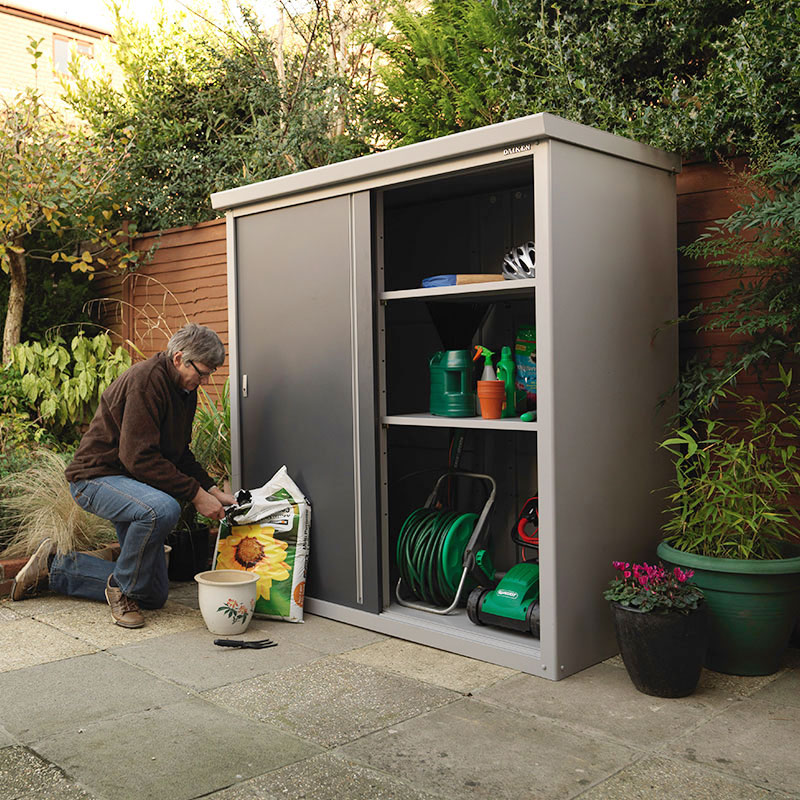
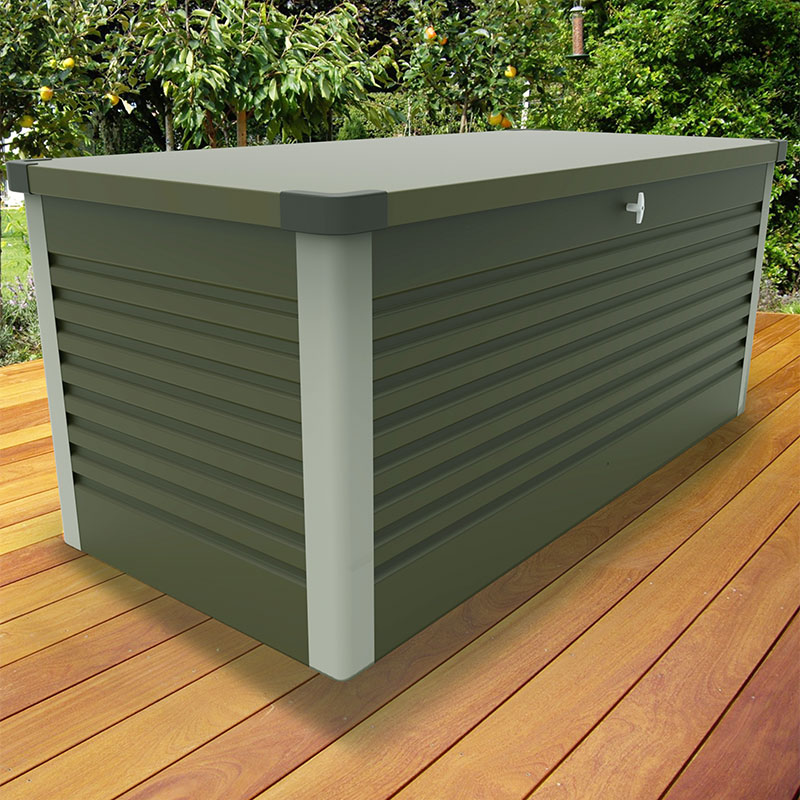
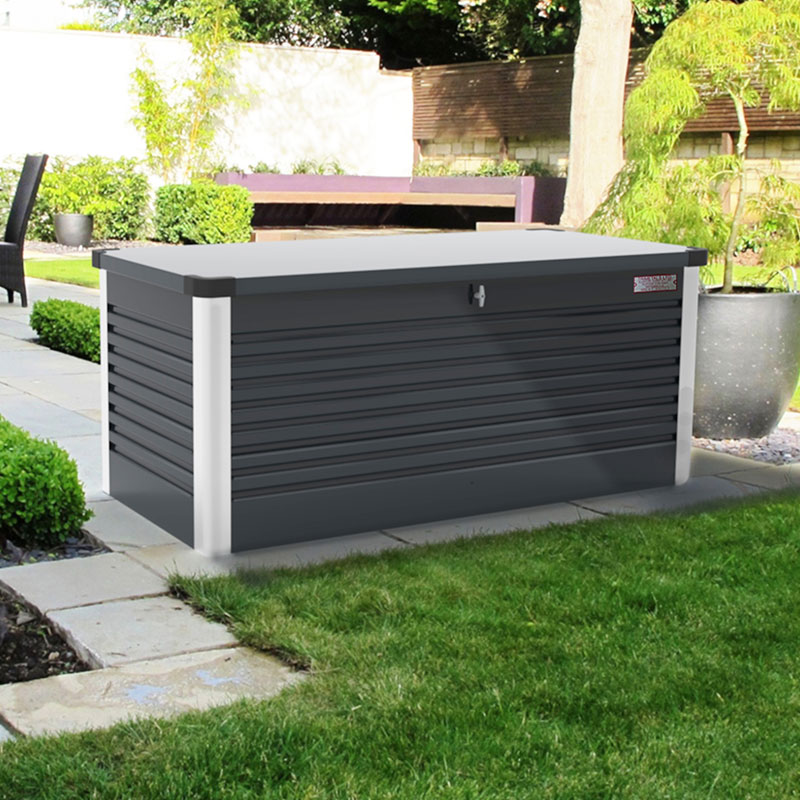
Wooden storage is often picked by buyers who want warmth and a natural look near decking, raised beds or a pergola. Steel or galvanised units are more commonly chosen when durability and a stronger exterior matter more than texture. Plastic and resin boxes can work well where the storage needs to feel discreet, especially on smaller patios where a heavy-looking unit would dominate the view. The difference is not just cosmetic either: timber can feel more like garden furniture, while metal and resin are often chosen for clearer, practical storage.
- Timber for a natural look and a softer finish
- Metal for a firmer, more structured feel
- Resin for a tidy, low-fuss appearance
- Combination designs where seating, shelving or box storage is built in
Storage That Does More Than Hide Things
One of the reasons people look for garden storage under £800 is that a good unit can clear visual clutter without needing a full garden overhaul. Cushions, watering cans, hosepipes, toys, bags of compost and barbecue bits all have a habit of drifting about the place. A storage unit gives those things a proper home, which makes the garden easier to use day to day. It sounds simple, but it changes how the space works.
There is also a practical side to storage that is easy to overlook. When items are grouped together, it becomes quicker to set up for an evening outside or a weekend job. Instead of carrying tools from the house and back again, you keep them near where they are used. That can be useful for smaller gardens especially, where every step counts. And if the storage is lockable, the garden can feel a bit more controlled, especially when items are not meant to be on show.
Compact, Medium or Roomy: Picking the Right Footprint
In this category, the footprint is one of the main things to compare. A compact storage box is often enough for cushions, small tools and children’s outdoor bits. A medium-sized cabinet suits mixed use better, because it can take awkward items like plant food, kneeling pads and spare pots. A larger shed-style store is the better fit when you need to stow bulkier kit, and it is worth noting that the bigger option is not always the right one if access space is tight.
Height, width and door opening are all worth checking together. A tall unit may look neat on paper, but if the opening is too narrow, the practical use drops off. Likewise, a low box may be perfect for cushions but not much use for a broom or folded furniture. Under £800, there is enough choice to be selective, so it pays to match the dimensions to the objects you actually own, not the things you maybe might buy later.
Styles That Suit Different Parts of the Garden
Not every storage piece needs to sit in the same place. A patio storage box can keep dining cushions close to the seating area, while a side-return cabinet can use a narrow gap that would otherwise go unused. Near a shed, a small extra unit can act as overflow space for hand tools and odds and ends. By placing storage where it is needed, the garden starts to work in sections rather than as one crowded area.
Different styles also bring different visual effects. A low box can almost disappear beside a bench. A taller cabinet can act as a visual anchor, especially if it is placed against a fence. A log store gives a more open, slatted appearance, which can feel lighter than a fully enclosed unit. The difference matters if the garden already has strong features such as paving, raised beds or a long boundary wall. Storage should fit into that picture, not fight it.
Security, Access and Everyday Ease
For many buyers, the main question is not simply where things will go, but how easily they can be reached. A good storage unit under £800 should balance secure closure with easy access. If you are storing higher-value tools, a lockable option can be helpful. If the contents are used often, then a lid, double doors or front opening that feels straightforward is just as important. The point is to avoid making storage so secure that it becomes annoying to use, which happens more often than it should.
Think about how often the unit will be opened. Daily-use items need quick access. Seasonal items can live deeper inside. If the garden is used by several people, clear access can matter more than a very hidden location. In that case, front-opening units often feel easier than top-lid boxes, especially when the item you need is at the back. It is a small detail, but small details tend to decide whether storage feels useful or just present.
- Top-lift boxes work well for cushions and light, bulky items
- Double-door cabinets make larger tools easier to reach
- Side-opening units can be useful in narrow spaces
- Lockable designs suit items you do not want left out
Bench Storage, Log Stores and Other Useful Variations
One reason this category is interesting is that it includes more than the classic garden box. Storage benches combine seating and hidden space, which is handy near a terrace or play area. Log stores keep firewood organised and off the ground, with an open form that looks less closed-in than a cabinet. Tool stores often have a slimmer, more practical shape for long handled items. These types may all sit in the same budget, but they solve slightly different problems.
Bench storage is often chosen when space is tight and every item needs to earn its place. Log stores are useful where fuel needs to stay accessible and sorted, not stacked in a heap. Tool stores usually favour height and slimmer width, so they can stand against a wall without taking over the corner. If you compare them side by side, the biggest difference is not just size. It is the way they interact with the rest of the garden.
Why Under £800 Still Gives You Proper Choice
Some buyers assume a budget like this means only basic options, but garden storage under £800 often includes a fairly wide mix of designs, materials and finishes. That makes it easier to choose something that suits the garden rather than settling for the nearest thing. You may be looking for a simple cushion box, or you may need a more defined outdoor store with doors, shelving space or a stronger frame. This budget can cover both directions depending on size and build.
The useful thing about this price point is that it sits in the middle ground. It is high enough to find a more considered design, but not so high that the category becomes complicated. For many buyers, that is the sweet spot. You can look for a unit that looks tidy, does the job and matches the rest of the outside space without turning it into a long project. It is shopping that feels practical, not overdone.
What to Match Before You Buy
Before choosing a unit, it helps to make a quick list of what will actually go inside. A storage box for cushions has different needs from one for tools or bike gear. If long items are involved, measure their length first, then compare that with the internal depth. If you are storing mixed items, think about whether shelving would help or whether you need one open compartment. These small checks stop the all-too-common problem of buying something that looks fine but works badly in real use.
It is also sensible to think about where the unit will sit. If it will be near a seating area, the finish and profile matter more. If it is going to live in a side passage, access and width matter more. If it is placed at the end of a lawn, the visual weight matters. The same product can feel right or wrong depending on location, so comparing storage by shape and purpose is often more useful than comparing by photos alone.
- Check the internal space, not only the external size
- Match the opening style to how often you use the contents
- Think about the garden layout so the unit does not feel awkward
- Choose a material that suits both the look and the use
Practical Details That Make a Difference
Small design details can change how satisfying a storage unit feels to use. A lid that opens smoothly, doors that give a decent clear opening and a body that sits neatly on a level surface all help. The finish matters too, because a storage piece should feel like it belongs in the garden instead of being dropped into it. Even something as simple as whether the unit looks light or solid can shift how much space it appears to take up.
Ventilation is another detail that sometimes gets overlooked, especially with enclosed units. While the product page may focus on size and material, the layout of the panels or doors can affect how enclosed it feels. Buyers looking for covered storage often value a design that feels orderly rather than sealed shut. That can be relevant for anything from tools to soft furnishings, depending on what you keep inside. In this category, small structural differences often make the biggest everyday difference.
A Good Fit for Patio, Lawn or Courtyard
The best storage choice is usually the one that disappears into the garden in a sensible way. On a patio, a low box or bench store can sit beside the table without crowding the area. On a lawn edge, a shed-style unit may feel more natural, especially if it is positioned against a fence or boundary. In a courtyard, compact vertical storage can make the most of limited floor space. Each setting asks for something slightly different, which is why this category works well for people with varied layouts.
That flexibility is one of the strongest reasons to shop here. You are not limited to one look or one kind of box. Instead, you can choose between compact cabinets, low deck boxes, storage benches, tool stores, log stores and more enclosed shed-style options. The result should feel useful, but also like it belongs where it stands. When that happens, the garden looks less cluttered and a bit more sorted, which is often what the purchase was really about.
Useful Benefits Buyers Notice Straight Away
People tend to notice the same benefits quite quickly after adding storage. The first is a clearer patio or path, because loose items are no longer spread around. The second is easier routine use, because tools and accessories stay in one place. The third is the better use of awkward spots, such as the side of a fence or the end of a terrace. These are not dramatic changes, but they do make the garden feel more usable, and that is usually what matters.
There is also a visual benefit that should not be ignored. A well-sized unit can reduce the sense of clutter without needing to hide everything away indoors. That helps when outdoor living is part of the day-to-day routine. If the garden is used for meals, hobbies, children’s play or just sitting out with a drink, having a dedicated place for the bits and pieces makes the space easier to enjoy. Not fancy, just better organised.
The Final Check Before Choosing
If you are browsing garden storage under £800, the strongest choice is usually the one that matches your items, your space and the way you use the garden. Look at the form, compare the materials, and decide whether you need a box, cabinet, bench, log store or small shed-style unit. The useful part of this category is that it gives you several directions without pushing you into a one-size-fits-all answer.
When the proportions are right and the style fits the setting, storage stops feeling like an extra and starts feeling built in. That is the kind of purchase people tend to be glad of later, because it solves a daily annoyance in a quiet, practical way. And that, really, is what good garden storage should do.
[Sassy_Social_Share]