
Garden Storage under £700 - Best Deals in UK!
Showing all 6 results
-
19% OFF: 6′ x 3′ (1.96×0.89m) Trimetals Green Metal Bicycle Store – Garden Bike Storage £649.9919%

-
19% OFF: 6’5 x 2’11 Trimetals Storeguard Green Metal Garden Storage Unit (1.96m x 0.89m) £614.9919%

-
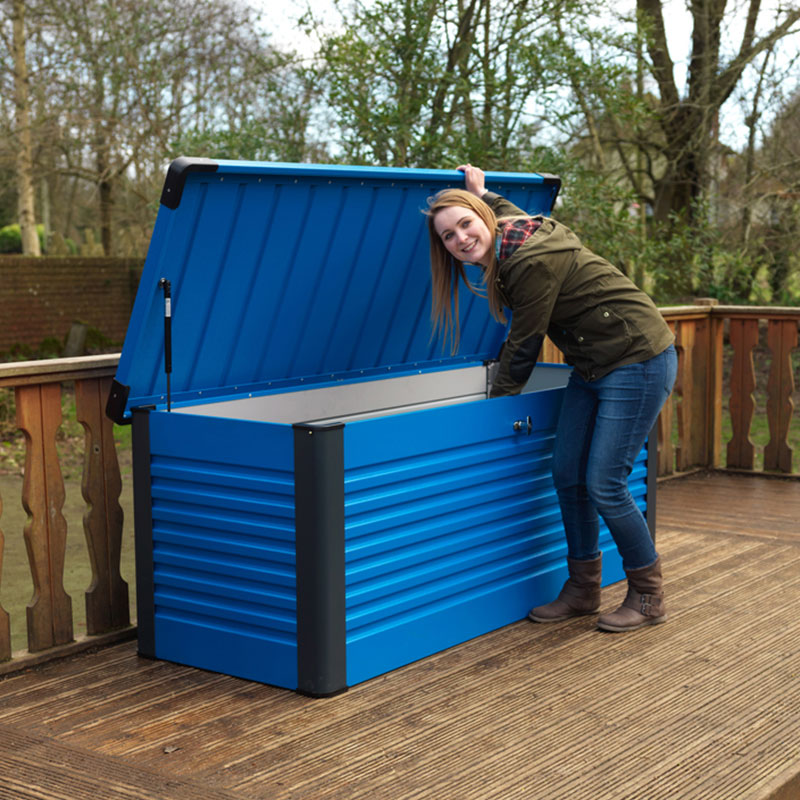
16% OFF: 4’x2’5 (1.2×0.75m) Trimetals Blue Protect.a.Box – Premium Metal Garden Storage £669.9916%

-
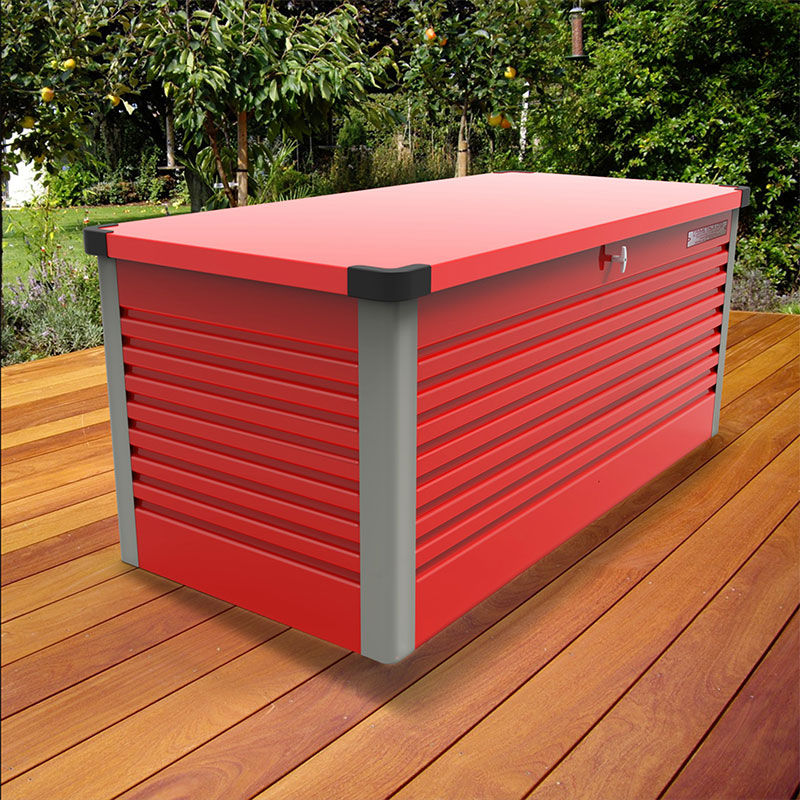
16% OFF: 4’x2’5 (1.2×0.75m) Trimetals Red Protect.a.box – Premium Metal Garden Storage £669.9916%

-
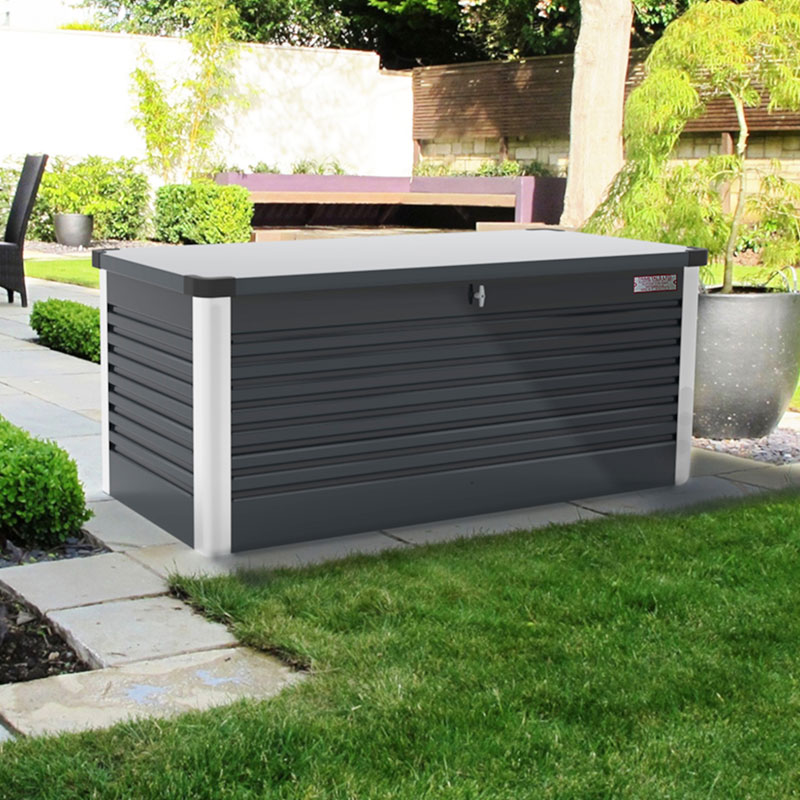
14% OFF: 4’x2’5 (1.2×0.75m) Trimetals Anthracite Protect.A.Box – Premium Metal Garden Storage £689.9914%

-
14% OFF: 4’x2’5 (1.2×0.75m) Trimetals Green Protect.a.Box – Premium Metal Garden Storage £689.9914%

Garden storage under £700 covers sheds, cabinets, boxes and bike stores that make room for tools, cushions and outdoor gear without pushing the budget too far. Choose the right shape, size and mate
Why this price band makes sense for busy gardens
When you are looking at garden storage under £700, you are usually in that useful middle ground where flimsy, short-term options start to fall away and more dependable choices begin to appear. It is enough budget to consider several types, from compact storage cabinets to bigger garden sheds, yet it still keeps the search focused. That matters, because outdoor storage is not just about hiding clutter; it is about matching the structure to the way your garden is actually used.
At this level, buyers often want a balance of usable space, weather resistance and a finish that sits neatly in the garden rather than shouting for attention. Some want somewhere to keep mower kits, plant food and hand tools together. Others need a dry spot for seat cushions, children’s toys, bike accessories or a folding table. The best choice tends to depend on what you are storing, how often you need to get at it, and how much floor space you can give up. A small error in sizing can mean a cupboard that fills too quickly, or a shed that eats the whole corner of the patio.
Cabinets, boxes and sheds: the main forms
One of the easiest ways to narrow the choice is by shape. In this category, you will usually see a few clear storage forms:
Bestseller der Kategorie Garden Storage under £700
- Storage cabinets – Tall, narrow and handy for tools, pots and cleaning bits. They suit side returns, narrow patios and the edge of a garage area.
- Deck boxes – Low, lidded storage boxes that are good for cushions, toys and garden throws. They can double as a casual perch in some settings, though that depends on the build.
- Horizontal sheds – Shorter and broader than a standard shed, often easier to tuck beside a wall or fence where headroom is limited.
- Vertical sheds – A sensible option for long-handled tools, brooms and compact kit when floor space is tight but height is available.
- Bike stores – Shaped with cycling gear in mind, useful where you want less visual bulk and a more specific layout.
- Traditional garden sheds – The go-to for all-round storage, especially when you need room for mixed items and a bit of wriggle space.
The main difference between these is not only capacity, but also how they fit into a garden. A deck box may look neat and low-key, while a vertical cabinet uses height to save floor area. A shed gives more flexibility, but it can feel too large if all you need is a home for a few tools and chair pads. That is why it pays to think in terms of the exact load you want to store rather than just the name of the item. If the item looks tidy in the photos but your spades, forks and watering bits are awkwardly long, it may not be the right shape at all.
Materials that change the feel, weight and look
The material has a big influence on how garden storage under £700 behaves in daily use. In this price range, you may come across plastic resin, metal, wood and sometimes mixed-material designs. Each has its own character and different trade-offs.
Plastic storage is often chosen for ease and a neat, tidy appearance. It tends to be lighter to handle than timber or steel, and many buyers like that it does not need the same level of visual upkeep. It can suit people who want straightforward storage for cushions, gardening gloves or smaller tools. The downside is that some styles can feel a bit plain, and internal strength varies from one design to another.
Metal storage usually leans towards a slimmer, more rigid structure. It can work well for secure tool storage, bikes and gear that benefits from a firmer shell. It may be a good fit where you want a cleaner line against a fence or wall. On the other hand, metal units can sometimes feel less warm visually, and it is worth paying attention to panel thickness, door fit and the way the structure stands up in gusty spots.
Wooden storage has its own appeal because it sits naturally in a garden setting. It can be a good choice if you want the storage to blend with planting, sleepers, fencing or a more traditional plot. The practical difference here is that timber units can offer a more furniture-like feel, but they also depend more on the quality of build and finish. In the under-£700 bracket, that means checking the details rather than assuming all timber storage is the same.
What fits inside, and why that matters
The most useful storage is the one that actually fits the things you use. It sounds obvious, but plenty of buyers end up with a box or shed that looks roomy until the first load of awkward items turns up. For garden storage under £700, think in item groups rather than general clutter:
- Tools – hand trowels, secateurs, forks, rakes and long-handled spades need different internal depths.
- Soft furnishings – cushions, pads and throws usually need dry, flat space with enough width to avoid cramming.
- Children’s outdoor items – balls, chalk, ride-ons and small garden toys benefit from quick-access storage.
- BBQ accessories – utensils, covers and fuel-related bits need a separate, organised place.
- Garden machinery – compact mowers, trimmers and hoses can require more headroom and a wider opening.
- Cycling gear – helmets, pumps, locks and bikes themselves call for measured internal clearance.
A narrow cabinet may be enough for hand tools and bags of compost accessories, but it will not do the same job as a shed when the load becomes mixed and bulky. Meanwhile, a larger structure may be wasted if you only need a place for cushions and a watering can. It helps to list what will live inside now, not just what you might store later. People often forget the extra room taken by handles, lids, wheelbarrow arms, or just that odd-shaped item that never stacks nicely.
Practical differences between small and larger options
Within this budget, the size differences are often more important than the brand or style. A small storage box gives a quick solution for one category of items, while a larger shed creates a more flexible zone for mixed garden equipment. In between, cabinet-style units can be surprisingly useful if you are short on width but have wall height available.
The key difference is how the storage is used day to day. A box is fast to open and handy for things you reach for often. A cabinet can keep bits in sections, which helps when you want to separate hand tools from chemicals, seed trays or hose attachments. A shed offers the broadest scope, but it can become a bit of a catch-all if there is no internal plan. That is where shelves, hooks or simple internal zoning can make a real difference, even in a smaller garden structure.
Another difference is how the unit feels in the garden. Low boxes sit quietly beside seating or a patio edge. Taller cabinets can work beside a fence without feeling too bulky. Sheds create a stronger presence and may suit a back corner where you want visual balance as well as function. If your garden is compact, a box or vertical unit can look less heavy and still solve the storage problem. If space is more generous, a shed can reduce the need for several smaller containers dotted around the plot.
Security, access and the everyday details people notice
For many buyers, the decision is shaped by small practical details rather than the headline size alone. Door width, lid opening, hinge style and the overall ease of access all matter. A storage unit may technically hold the right amount, but if you have to shuffle items out just to reach the back, it stops feeling useful pretty quickly.
Security is another point worth looking at, especially for tools and cycling equipment. In this budget, different designs offer different levels of closure and door strength, so it helps to check how the unit closes and whether the layout suits your intended use. A storage box for cushions needs less than a cabinet for expensive tools, and a bike store needs a different kind of access again. The important thing is matching the structure to the risk, rather than assuming every outdoor storage solution needs the same approach.
Access also includes where the unit will sit. A box with a top lid may work well in a corner, but not if a hedge overhang makes opening awkward. A cabinet with front doors needs room to swing. A shed door needs a clear path if you expect to roll items in and out. These are the small things that buyers often spot only after delivery, so it is worth checking the site before choosing. A bit of measuring saves a lot of irritation later on, honest.
Styles that suit different garden layouts
The best garden storage under £700 does not just store items; it fits the shape of the garden. In a narrow courtyard, a vertical cabinet can tuck neatly into a slim gap. On a patio, a low deck box can sit beside a table or lounge area without blocking sightlines. In a family garden, a broad horizontal store may feel more practical for mixed use because it gives easy access from the front. And in a larger outdoor space, a more traditional shed can settle into a rear corner and keep the main area feeling clear.
There are also differences in the way the unit affects the look of the space. A lighter-coloured cabinet can soften a dark fence line. A timber unit can sit better with planting and natural textures. A metal store can suit a tidy, structured garden with clean edges. None of these are right for every plot, which is why the style question is as important as the storage volume. People do not always buy storage for the storage alone; they buy it because they want the garden to feel less cluttered and more pulled together.
Useful buying tips that avoid disappointment
If you are browsing garden storage under £700, a few simple checks can narrow the list quickly:
- Measure the footprint with enough room for doors, lids or panel swing.
- Check internal dimensions, not only the external size, because wall thickness can reduce usable space.
- Think about item length for tools, bikes or garden furniture parts before you choose a shape.
- Match the opening style to how often you need access.
- Look at the structure and whether it suits a windy, exposed or tucked-away spot.
- Decide what stays in it year-round and what moves in and out seasonally.
It also helps to separate everyday storage from occasional storage. Everyday items deserve quicker access and a more convenient location. Seasonal things, like spare cushions or patio extras, can live in a deeper box or further corner. This keeps the garden easier to use and stops one storage unit from becoming a muddle of things you rarely need. If you know your storage habits, the category becomes far easier to shop.
Why buyers keep coming back to this category
What makes this category so appealing is the range of choices it opens up without turning the purchase into a major project. With garden storage under £700, you can often move from temporary clutter to something more organised, more weather-aware and more suited to the way your outdoor space works. That can make a garden feel less busy, and frankly, it is easier to enjoy a seating area when cushions are not being dragged indoors every other day.
There is also a clear value in choosing a size and form that fits now, not after the next round of purchases. A lot of buyers start with a simple need — a place for tools, or somewhere to keep seat pads dry — and then realise the storage solution has to cope with more than one kind of item. That is where the differences between cabinets, boxes, bike stores and sheds really matter. The right one will save you from juggling separate containers and make the space feel more intentional.
Choosing the right store for the job
If your priority is small garden tools, a cabinet or tall vertical unit often makes sense. If you need a place for cushions and soft items, a lidded box can be the easier choice. If you are working with bikes, larger equipment or mixed storage, a shed or wider horizontal store is usually more practical. The decision is less about one type being “better” and more about the balance between access, shape, and the type of clutter you want out of sight.
For many homes, the best result comes from choosing storage that feels almost part of the garden layout, not an afterthought. That means looking for a shape that sits comfortably against a wall, fence or corner, and a capacity that leaves a bit of breathing room inside. A cramped unit can become annoying fast, while one with just enough slack gives you better organisation and less faffing about when you are in the middle of gardening jobs.
In short, this category gives you room to find a solution that looks sensible, works hard and does not stretch the budget too far. Whether you want a compact outdoor cabinet, a practical deck box or a more flexible garden shed, the best choice is the one that suits your space, the items you own, and the way you actually use the garden.
[Sassy_Social_Share]