
Garden Storage under £2000 - Best Deals in UK!
Showing all 2 results
-
12% OFF: 9’x5′ (2.7×1.5m) Trimetals ‘Protect a Bike’ Secure Garden Storage £1,709.0012%

-
11% OFF: 9’x6′ (2.7×1.8m) Trimetals ‘Protect a Bike’ Secure Garden Storage £1,949.0011%

Garden storage under £2000 covers sheds, compact cabins, tidy bike stores, timber cupboards and weather-resistant metal units that help keep tools, cushions, bikes and outdoor kit organised without stretching the budget.
Space-saving storage that still feels considered
When you are looking at garden storage under £2000, the main advantage is choice. This budget sits in a useful middle ground: enough for a proper, long-lasting storage solution, but not so high that the purchase becomes overcomplicated. It is the kind of range where you can compare materials, sizes, door layouts and roof shapes with a bit of breathing room, then pick the option that suits the garden rather than forcing the garden to suit the unit.
For many buyers, the real decision is not simply “shed or no shed”. It is about what has to go inside it. Long-handled tools need height, bikes need width, garden furniture wants a dry corner, and smaller accessories are easier to live with when they are hidden behind a proper door rather than stacked in the open. That is why this category includes different forms of storage, each doing a slightly different job.
Timber, metal or plastic? The practical split
Timber garden storage is usually chosen for its natural look and the way it settles into planting, fencing and paving. It works well if you want the storage to feel like part of the garden, not an afterthought. Within this category you will often see timber sheds, compact stores and cabinet-style units. The useful difference is structure: timber tends to offer a more traditional feel, often with good internal space and easier customisation in terms of shelving or hooks.
Bestseller der Kategorie Garden Storage under £2000
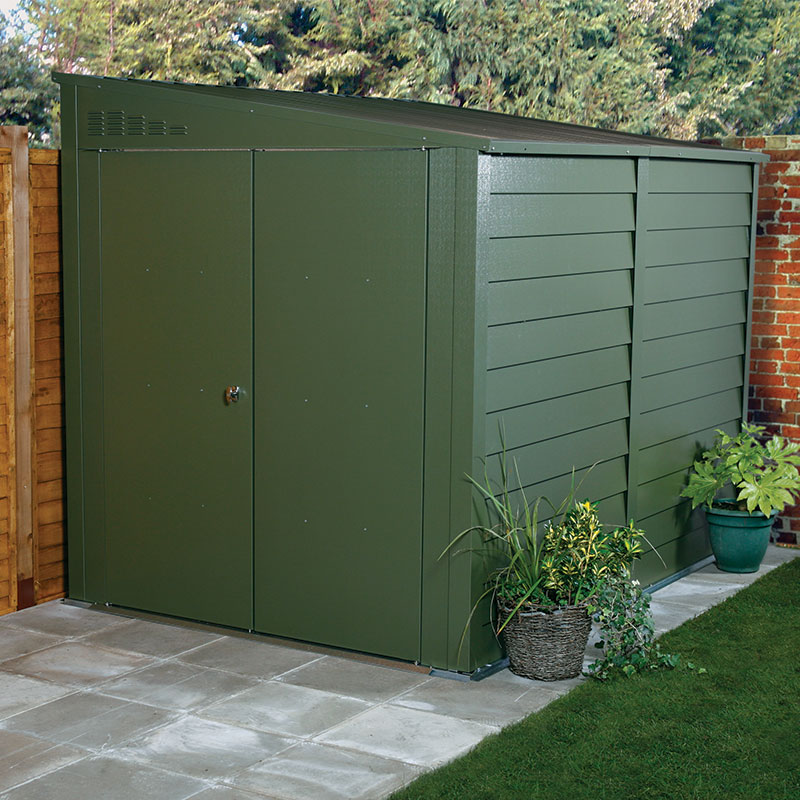
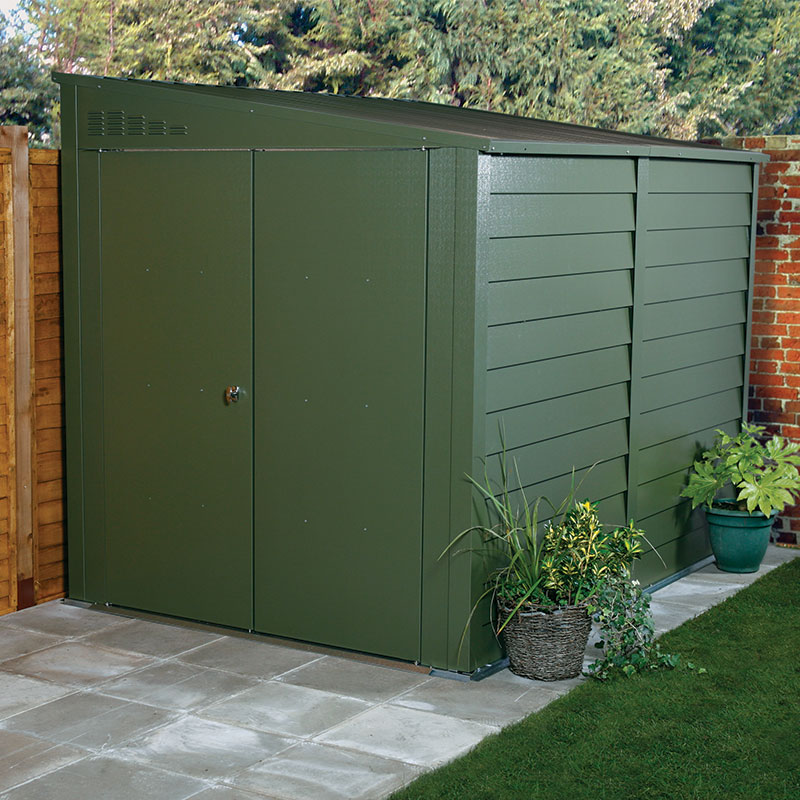
Metal storage has a very different appeal. It is often picked for its clean lines, firmer security feel and the fact that it can suit tighter, more modern plots. A metal unit can be a smart answer where you want a straightforward place for tools, bags of compost, hosepipes or outdoor toys. The look is more functional than decorative, but that is exactly what some gardens need.
Plastic or resin storage sits somewhere else again. These units are often chosen for their low-fuss, neat finish and lighter weight. They can suit courtyards, patios and smaller gardens where access is limited. They also tend to be useful when you want a storage unit that feels less bulky visually. The difference here is less about rustic charm and more about tidy practicality.
Small footprint, big effect
Not every garden has room for a full shed, and that is where compact garden storage becomes very useful. Under £2000, you can find slimline units, tall cupboards and narrow stores designed to sit against a wall or fence line. These are handy when you want to keep the central lawn or patio open, while still hiding away the clutter that can make a garden feel unfinished.
Tall storage is a strong choice when floor space is limited. It lets you make use of vertical room for rakes, brooms, foldable chairs and smaller tools. Wide, low storage, by contrast, is better when you need to store larger items side by side, such as cushions, plant pots or bags of feed. The shape matters more than people sometimes expect. A unit that looks modest from the outside can be surprisingly useful inside if the layout is sensible.
There is also a clear difference between single-door and double-door storage. Single-door units work neatly in tighter spaces and are often better for daily-use items. Double-door models are easier when you need to move bulkier gear in and out without awkward angles. It sounds simple, but it makes a real difference when you are trying to get a mower or folded table through the opening.
Storage for tools, bikes, cushions and all the rest
One of the reasons this category is so broad is that garden storage is rarely for just one thing. A buyer might be looking for a place for hand tools, another might need space for bicycles, and someone else may be tired of dragging seat cushions indoors every time the sky changes. The best choice depends on what is being stored most often.
- Tool storage: good for spades, fork, shears, hand tools and smaller accessories that are easy to lose in a larger shed.
- Bike stores: designed with wider access and enough depth to keep bikes together without using the whole garden footprint.
- Cushion storage: useful for keeping seating accessories together, especially where you want a dry, enclosed place near the patio.
- Multi-purpose sheds: suited to mixed storage, where tools, lawn kit and seasonal items all need a home.
- Cabinet-style units: best for smaller kit that you want to reach quickly, without opening a large shed every time.
The benefit of this range is flexibility. You can choose a unit that matches the size of your items, instead of squeezing everything into one oversized box. That often leads to a tidier setup and, frankly, less irritation later on.
Rooflines, doors and the shape of useful storage
The shape of a storage unit changes how it works day to day. A pent roof is often chosen where the unit sits against a wall or fence, as it offers a practical slope and a compact profile. A gable roof gives a more classic shed shape and often feels roomier inside, which can be handy if you need extra head height in the middle. A flat-top cabinet style, on the other hand, is useful where the aim is to keep the silhouette low and unobtrusive.
Door style matters too. Single doors are neat and space-aware, while double doors allow easier access for broader items. Some storage units use lift-up lids or front-opening panels, which can be better for quick grab-and-go use. Others are more like miniature sheds, with proper walk-in access. The difference is not just visual. It affects how often you use the storage and how annoying it is when you are carrying something awkward in one hand and trying not to knock the frame with the other.
It is worth thinking about the opening direction as well. If the unit is being placed near a path, wall or planting bed, a door that swings the wrong way can become mildly annoying every single time. Small detail, but it counts.
Why this budget hits a useful middle ground
Garden storage under £2000 is attractive because it gives you room to choose quality without drifting into unnecessary expense. At the lower end of the budget, you may be focused on simple function. As you move through the range, you can start comparing sturdier construction, more generous dimensions, better internal access and finishes that feel more settled in a garden setting.
The main advantage is that you are not locked into one type of storage. A smaller budget may force a quick decision, but this category lets you think about how the storage will actually work with the rest of the outdoor space. Will it sit beside a fence, at the end of a path, tucked beside the garage, or on a patio where appearance matters? That question helps narrow down the material and shape much more than price alone.
Another useful point is proportion. A storage unit under £2000 can be substantial enough to feel permanent, but it may still be compact enough to suit ordinary gardens rather than only large plots. That makes it easier to buy something with real capacity without taking over the whole view.
Picking the right style for the right spot
Placement changes everything. A narrow side return often calls for a slimline store or tall cabinet, because it makes efficient use of an awkward strip of ground. A patio corner can suit a more decorative timber unit, especially if it will be seen from indoors. A rear boundary is often the best place for a larger shed or bike store, where access is easy but the unit does not dominate the central garden.
If you are comparing styles, think in terms of use frequency. The things you reach for every week should be easy to get to. Seasonal items can sit deeper inside. That is one reason why some people prefer a unit with shelving potential, while others want one deep open space. Neither is better in every case. It depends on whether you want orderly compartments or a single practical volume for bulkier gear.
It also helps to match the look of the storage to the rest of the space. Timber can soften paved areas. Metal can sit neatly in contemporary gardens. Resin can feel tidy and minimal. These differences are not only visual; they affect how the storage is read in the garden. A good unit feels like it belongs there, even when it is doing the very unglamorous job of hiding hose reels and bags of charcoal.
Useful details buyers often look for
People shopping in this category tend to focus on a handful of practical details. Floor space is obvious, but internal height can be just as important. A unit that looks fine outside may feel cramped if the roofline is too low for upright tools or hanging storage. Likewise, access width can make a big difference if you plan to move larger items in and out regularly.
- Compact dimensions for smaller patios and narrow borders.
- Deeper interiors for lawnmowers, foldable furniture or mixed seasonal storage.
- Front access when you need quick entry to everyday kit.
- Side access where the unit sits along a boundary and the approach is tighter.
- Multi-level storage potential for buyers who want to separate small and large items more clearly.
These details may seem minor, but they are often what separates a storage unit that works once in a while from one that becomes genuinely useful every day. And that is the whole point, really.
When appearance matters as much as capacity
Not all storage is meant to disappear. Sometimes the unit needs to be seen, because it sits in a prominent part of the garden or near outdoor seating. In those cases, buyers often lean towards finished timber, neat panel lines or a lower-profile design that looks planned rather than purely functional. The visual difference between a boxy store and a more refined shed can be quite marked, even when the internal use is similar.
That said, an attractive finish should not be the only reason to choose one unit over another. The better purchase is usually the one that gives you the right balance of capacity, access and style. A storage solution that looks good but is awkward to use can become a frustration, while a practical one with a simple, honest look may feel much more satisfying over time.
This is why the category is useful for so many different types of garden. It includes options for neat terraces, family lawns, modern courtyards and more traditional outdoor spaces. There is enough variety to find something that fits, but not so much that the choices become messy.
A sensible buy that solves more than one problem
Good garden storage does more than hide clutter. It frees up circulation space, protects items from being left in random corners and makes the whole outdoor area feel easier to use. Under £2000, you can look at storage that is practical enough for real daily use, while still allowing yourself a bit of choice over form and finish. That balance is what makes the category worthwhile.
If you are comparing options, start with what needs storing most often, then work backwards from there: the size, the shape, the access, and the material. Those four points usually lead to the right answer faster than trying to judge by appearance alone. The right storage should feel like it has always had a place in the garden, even if it was the last thing added.
From slim tool cabinets to larger sheds, from bike stores to multi-purpose timber units, this category offers a practical way to bring order to outdoor spaces without overreaching on budget. For buyers who want a storage solution that works hard and still looks like it belongs, it is a very sensible place to start.
[Sassy_Social_Share]