
Garden Offices under £15000 - Best Deals in UK!
Showing all 2 results
-
20% OFF: Forest Xtend 4.0+ Fully Insulated SIP Garden Room Office with UPVC Double Doors 4.05m x 3.42m (97mm) £12,619.9920%

-
10% OFF: Forest Xtend 3.0+ Insulated Garden Office 2.98m x 2.9m (97mm) £12,629.9910%

Garden offices under £15,000 offer a practical way to create a separate work space at home, with compact timber cabins, insulated pods, corner layouts and flat-roof designs for year-round use.
Why this budget works for a garden office
A budget of under £15,000 sits in a sweet spot for buyers who want a proper outdoor workspace without moving into the higher end of the market. At this level, you can usually look at a mix of small to medium garden offices that focus on usable internal space, sensible build costs and a clean finish. The key is not trying to get everything at once, but choosing the features that matter most: enough room for a desk, a chair, storage, power, and a bit of breathing space so the room feels like work space and not just a shed with ambition.
What makes this category useful is the variety. Some people want a compact office for occasional remote days, while others need a more permanent setup for daily work, client calls or even creative projects. Under this budget, the designs often lean towards simple footprints, efficient roof shapes and practical glazing choices. That does not mean boring. It means the spend goes into the parts that help the building work harder for you.
Compact cabins, pods and office rooms: the main types
Within garden offices under £15,000, there are a few clear styles worth comparing. The most common are timber cabins, modern office pods, corner units and flat-roof contemporary rooms. They all solve the same problem, but they do it in different ways.
Bestseller der Kategorie Garden Offices under £15000
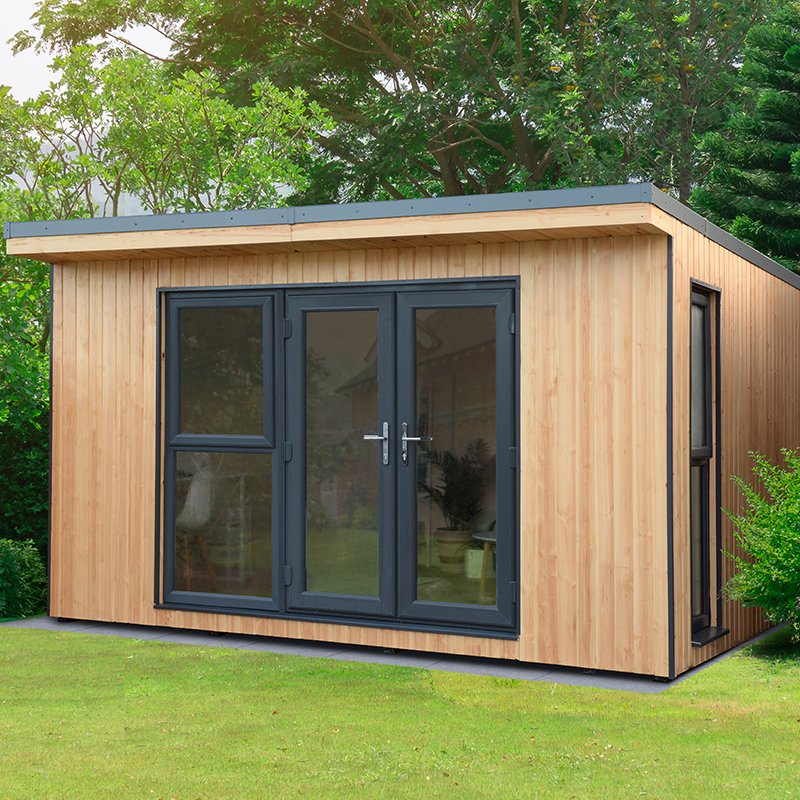
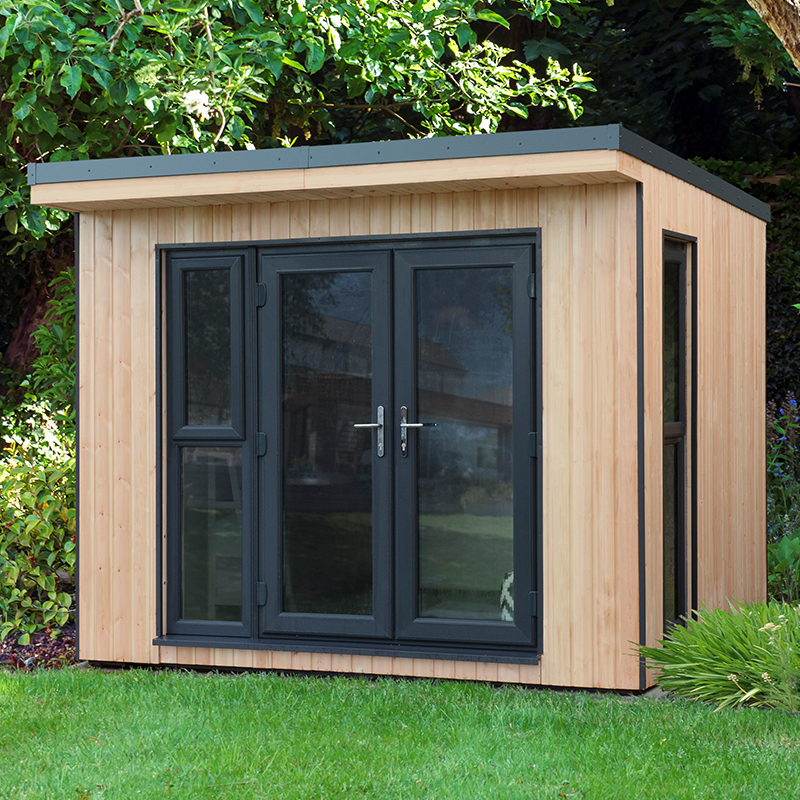
- Timber cabins usually have a warmer, more traditional feel. They suit gardens where you want the office to blend in with planting, fencing and softer landscaping.
- Office pods are often smaller and more compact, which helps when garden space is tight. They can be good if you need a dedicated work zone but not a huge room.
- Corner garden offices make smart use of awkward plots. The angled layout can free up the main lawn or patio area, which is handy if the garden has an unusual shape.
- Flat-roof offices tend to feel more modern and can give a neat line in the garden. They often suit buyers who prefer a clean, minimal look rather than a cabin style.
The differences are not just visual. A cabin shape may feel more enclosed and cosy, while a flat-roof room can feel more like a small studio. Corner offices can be especially clever when you want to keep the centre of the garden open. Office pods, meanwhile, are often chosen when the aim is simple: a proper workstation, a door you can shut, and not much faff.
Small footprint, better layout: how shape changes the feel
The shape of a garden office matters a lot in this price range. When budgets are controlled, every square metre needs to earn its keep. A rectangular layout is easy to furnish and usually gives the most straightforward desk placement. You can line one wall with storage, put the desk near a window, and still leave space to move around without side-stepping every five seconds.
A square office can work well for balanced layouts and may feel more flexible if you are setting up a compact meeting space as well as a desk. By contrast, a long, narrow office can be efficient if the plot is awkward, though it needs a bit more thought so it does not end up feeling like a corridor. The proportions of the room affect the whole experience, not just the look from outside.
Corner units deserve a mention here because they often make the most of land that would otherwise be ignored. They can sit neatly in a back corner and leave the rest of the garden usable. For buyers with a smaller plot, that can be a real advantage. You do not have to lose a large strip of lawn just to gain a separate work room.
What you tend to get for the money
At under £15,000, buyers are usually balancing size, finish and specification. The good news is that there is still a lot to work with. Depending on the design, you may find insulated wall systems, decent glazing, double doors, simple internal lining and a choice of exterior cladding. Some designs put more emphasis on visual appeal, others on practical internal space. It is worth reading the spec carefully, because two offices with a similar price tag can feel quite different once you compare wall thickness, window layout and room dimensions.
Many people assume a lower budget means compromise across the board, but that is not always the case. A smaller office with a sensible layout can often feel more usable than a larger one with awkward corners or too much wasted space. If your main aim is focused work, calls and laptop-based tasks, a well-planned compact office can be more effective than a bigger room that is half empty and a bit echoey.
Insulated or basic: choosing the right level of comfort
One of the biggest differences in this category is whether the office is aimed at occasional use or more regular, all-year work. A basic build may be fine for spring-to-autumn use and lighter tasks. An insulated garden office, on the other hand, is designed to feel more settled through the seasons and tends to be the better fit for daily use. The choice here affects not only comfort, but how much the space can really be relied on.
Insulated offices often have a more complete, room-like feel. They can make remote work less of a compromise because the space feels separate from home in a proper way. That separation can be useful for concentration, but also for routine. You step out of the house and into work mode, which sounds simple, yet it changes how the day feels. A basic office can still be a smart buy, though, especially if you want a lower-cost solution and do not need the room to work hard in colder months.
The difference is also about expectations. If you want somewhere to write, take calls and keep files, a lighter specification may suit you. If you want to spend long hours there most days, look more closely at insulated options and the way the internal space has been arranged. It is not about chasing features for the sake of it. It is about matching the building to the way you actually work, not the way you imagine you might work on a perfect Monday.
Traditional timber or sharp modern lines?
Style has a practical side, even if it does not always look that way at first. Traditional timber garden offices usually feel softer and more relaxed in the garden. They can sit nicely beside planting, sleepers, gravel paths and natural materials. The visual effect is often calmer, which helps if you want the office to feel like part of the garden rather than a separate object dropped into it.
Modern garden offices often use stronger lines, larger panes of glass and a flatter profile. That style can suit newer homes or gardens with a more structured look. It may also create a brighter internal feel, depending on the window arrangement. Some buyers prefer this because it looks more like a studio or work room than a garden building in the older sense.
The right choice comes down to the house and the plot. A timber cabin can soften a busy garden, while a modern office can tidy up a more contemporary space. Neither is better in every case. One might just fit your setting a bit better, which matters more than people sometimes think. A building that looks right in the garden tends to feel right to use, too.
Glazing, doors and light: where the room starts to work
For a garden office, light is not a decorative extra. It shapes how the room feels at nine in the morning, two in the afternoon and late on a cloudy day when everything seems to be going grey for no reason. Under this budget, you will often see a choice between smaller window sets and larger glazed sections. The difference affects privacy, brightness and wall space for furniture.
A room with more glazing can feel open and less enclosed, which is useful for longer work sessions. It may also help if you want the office to feel less boxy. But more glass can mean less wall space for shelves, pin boards or storage, so it needs a bit of planning. A design with balanced glazing can be a better compromise if you want daylight but also practical wall areas for a desk and storage.
Door style matters too. French doors can make the office feel more open to the garden and are handy if you like to step out between tasks. A single door with a large side window can feel more private and may suit narrower plots. Sliding or bi-fold styles are not always common in this budget, but when they appear, they can change the whole character of the room. The main thing is to think about how the doors affect both access and how the office is laid out inside.
Office, studio or hybrid room: the differences buyers notice
Not every garden office is intended for the same kind of work. Some are clearly set up as home office spaces for laptop use, phone calls and paperwork. Others are closer to studios, where the buyer may need extra floor space, display areas or a slightly more open plan feel. A few are genuinely hybrid spaces, useful for work during the week and a different purpose at weekends.
The difference is often in the details: desk depth, window placement, ceiling height and whether there is enough room to turn the chair without bumping into everything. A studio-style room may prioritise open floor space, while an office-focused design will think more about the working wall, cable routes and storage positions. If you are comparing products, picture the daily routine rather than just the empty room. Where does the laptop sit? Is there room for a visitor chair? Can you keep papers out of sight? These are the bits that decide whether the room stays useful after the first month.
Some buyers want a quiet zone for calls, others want a place where they can keep business and home life separate. That separation is one of the key strengths of a garden office, and it does not need a huge footprint to work. Even a compact room can create that mental shift from home mode to work mode, which is often the whole point.
Useful things to check before you choose
When shopping in this category, it helps to compare more than the headline price. A building can look similar from the outside but feel very different once you look at dimensions and features. Keep an eye on:
- Internal floor space and whether the usable area suits your desk and storage needs.
- Wall thickness, especially if you want a more enclosed, room-like feel.
- Window and door position, because this changes light, privacy and furniture layout.
- Roof style, since flat, pent and pitched roofs all create different looks and internal atmospheres.
- Exterior footprint, to make sure the building sits well in the garden without crowding patios or lawn areas.
- Access to the site, which matters more than people often expect when thinking about installation.
It is also worth checking whether the design feels too small once you imagine a proper chair, monitor and storage in place. Some offices seem fine on paper but become cramped very quickly when real furniture goes in. A slightly more efficient layout can make a cheaper office feel more expensive to use, oddly enough.
Why this category appeals to remote workers and side hustles
Garden offices under £15,000 are popular with people who need a dedicated work zone but do not want to commit to a large project. That includes remote workers, freelancers, creatives, tutors, consultants and buyers running a side business from home. The appeal is straightforward: the office sits close enough for convenience, but separate enough to give a proper shift in atmosphere.
That separation can help with concentration, especially if the house is busy or the kitchen table has become a permanent desk without anybody really agreeing to it. A garden office gives a cleaner boundary. You can close the door, leave papers in place and return later without setting everything up again from scratch. It is a small thing, but it can make work feel more ordered.
There is also a practical benefit in how the garden office uses outdoor space. Instead of adding pressure to the main house, you gain a dedicated room without changing the internal layout. For some buyers, that is more appealing than converting an existing space, because the office is separate and does not take over another room. It can be a better fit when home and work are both important, but you still want them to sit apart.
How to match the office to the garden, not just the budget
A sensible purchase is not only about staying under £15,000. It is also about matching the design to the plot. In a narrow garden, a slim office can keep the layout open. In a wider space, a larger rectangular building might create a stronger anchor point. If the garden is already busy with planting, a timber finish may feel less harsh. If the space is more structured, a crisp modern design can sit in more naturally.
Think about where the office will sit in relation to sunlight, shade and the home. A window-heavy front may work beautifully if the room looks onto planting, but less well if it faces a fence that you would rather not stare at all day. Small details like this can have more effect than an extra cladding option or a slightly different roof line. And yes, it is easy to forget that until you are standing in the garden and seeing the place properly.
Practical buyers often end up happiest when they choose a building that feels balanced: enough room to work, enough light to enjoy being in it, and a style that does not fight the rest of the garden. That sort of fit tends to age well, even if tastes shift a bit over time.
What makes a good buy in this range
A good garden office under £15,000 is not just the one with the lowest figure or the most glass. It is the one that gives you the right mix of size, layout, style and everyday use. If you want a calm place for focused work, choose a layout that supports that. If you want something that sits quietly in the garden, look at timber cabins or softer shapes. If you want a sharper, more contemporary feel, flat-roof or pod-style designs may make more sense.
The strongest options in this category are usually the ones that avoid waste. They make the most of the footprint, use the light well, and leave enough room inside for an actual working life. Not just a photo. Not just a one-off purchase mood. A real room that does a job.
And that is the real appeal of this price band: it offers a route to a proper separate workspace without pushing the project into a much higher bracket. For many buyers, that is enough to make the garden feel more usable and the working day a bit more manageable, which is probably the point in the first place.
[Sassy_Social_Share]