
Garden Offices under £12500 - Best Deals in UK!
Showing all 2 results
-
19% OFF: Forest Xtend 4.0 Insulated Garden Office 4.05m x 3.42m (97mm) £11,999.9919%

-
8% OFF: Forest Xtend 3.0 Insulated Garden Office 2.98m x 2.9m (97mm) £11,979.998%

Garden offices under £12,500 give you a proper working space at the bottom of the garden, with enough room for remote work, clients calls, storage, or a quiet corner away from the house. Compare compact timber pods, insulated studios, corner builds and contemporary flat-roof designs.
A real workspace, not just an extra shed
A garden office under £12,500 sits in a useful middle ground: more polished than a basic shed, but still far more reachable than a full home extension. This budget tends to open the door to a range of sizes and layouts that can suit a single desk, a pair of screens, a meeting chair, or even a small split use setup where work and storage are kept apart. For many buyers, that is the point — a separate room without turning the whole garden upside down.
What makes this category interesting is the variety. Some buildings are made for a slim plot and use every inch cleverly. Others are wider and boxier, with a more room-like feel. You will also see clear differences in finish, wall build-up, glazing style and roof shape. These details matter, because they change how the office feels day to day, how much light it gets, and how neatly it sits within the garden.
Shapes that suit different gardens
One of the biggest choices is the shape of the office. A rectangular unit is often the easiest fit for a desk-first layout. It gives a clear wall line for furniture, storage, and cable runs. A square format can feel more balanced if you want a central desk or a small two-person setup. Then there are corner garden offices, which use the angle of the garden well and can leave the rest of the plot more open.
Bestseller der Kategorie Garden Offices under £12500
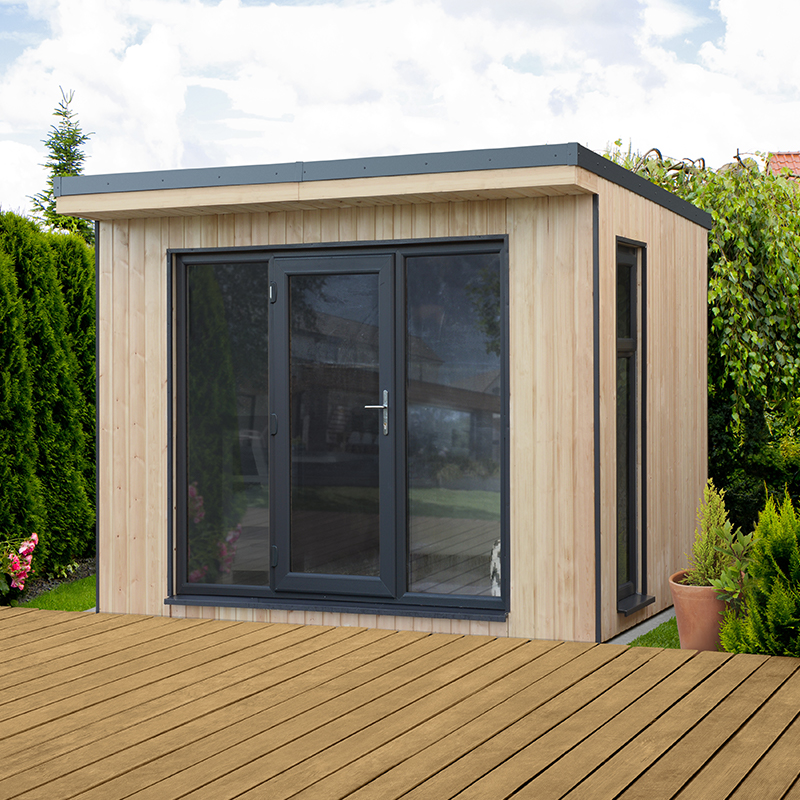
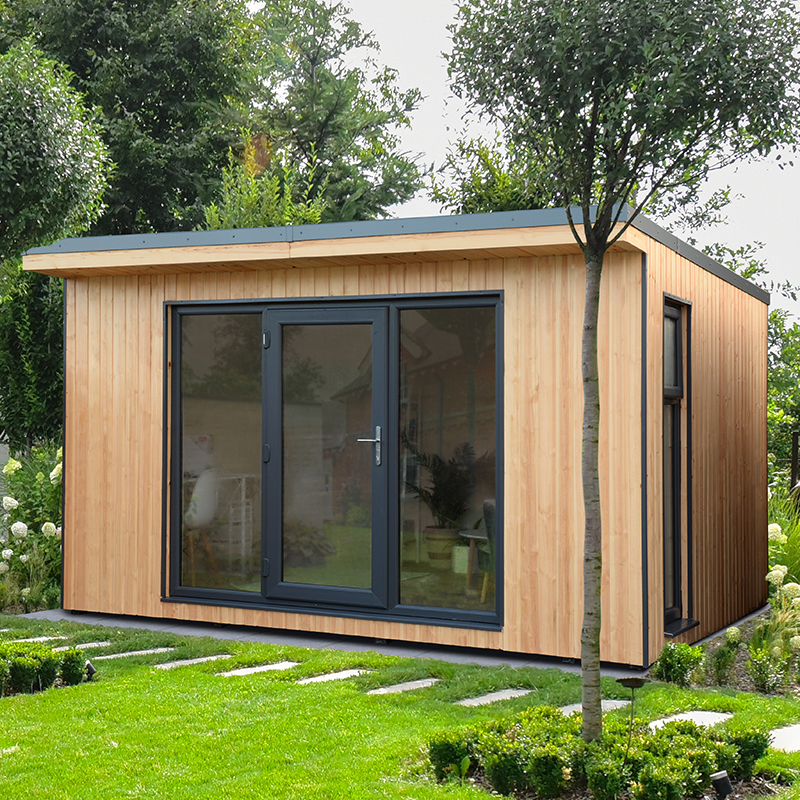
Some buyers prefer a narrow footprint because it slips along a boundary and doesn’t dominate the view from the house. Others want a wider front elevation so the office feels less like a cabin and more like a proper room. In this budget, that choice often comes down to the exact external size and the internal wall layout. A few extra inches in the right place can make a big difference to the feeling of elbow room.
- Rectangular offices for simple desk placement and clear zones.
- Square offices for a more centred, room-like setup.
- Corner offices to make use of awkward or underused spaces.
- Long, narrow designs for slimmer plots or side returns.
Timber cabins, modern studios and compact pods
Within garden offices under £12,500, the look can vary quite a lot. A timber cabin style usually brings a warmer, more natural feel, often with visible cladding lines and a softer profile in the garden. It can suit traditional houses and greener settings where you want the building to sit in quietly rather than shout for attention.
A modern studio style usually leans into clean edges, large glazing and a flatter roofline. This works well if you want the office to feel sharp and contemporary, almost like a small design-led room in its own right. A compact pod is a different sort of solution again. These are often chosen where space is tight, or where the buyer wants a straightforward footprint with a strong visual shape and a tidy internal layout.
The difference is not just appearance. Cabin-style offices often feel more enclosed and cosy, while studio styles can feel brighter and more open thanks to wider windows. Pods may be smaller in scale but sometimes make the best use of limited space, especially if your work needs only one or two main workstations and not much else.
Cladding and finish change the whole feel
The exterior finish does more than make the office look neat. It affects how the building sits in the garden and how formal or relaxed it feels from the outside. Natural timber cladding gives a softer, earthy look that blends with planting and fencing. Horizontal lines can make the office feel wider, while vertical boards can add height and a more architectural touch.
Some offices in this bracket use more contemporary finishes, such as darker trims or contrasting frames, which can help the building feel less bulky. A lighter finish can do the opposite and make the office appear less heavy, especially in smaller gardens. If you have paving, decking or a gravel path nearby, the finish can tie the building to the rest of the space rather than leaving it looking like it was dropped in at random.
Glazing that works for the way you use the room
Windows and doors are a major part of the decision. A single full-glass panel can flood the room with light and give a better view of the garden, which is useful if you spend long stretches at a desk. Bigger glazing can also make a compact office feel less boxed in. On the other hand, smaller or more carefully placed windows can give a bit more wall space for shelving, noticeboards or storage units.
Some layouts feature a central set of doors with windows either side, while others use one long glazed front. There are also side-window options, which can help if the office will face a boundary or if you want to avoid looking directly into a neighbour’s garden. The position of glazing matters just as much as the amount. Put it in the right spot and the whole room feels more workable.
- Front glazing for a brighter, open feel and a pleasant outlook.
- Side windows to bring light in without losing wall space at the front.
- Mixed glazing for a balance between privacy and daylight.
- Smaller window layouts when you want a more enclosed working environment.
Roof lines that shape the mood of the office
The roof style changes both the look and the internal feel. A flat roof is common in this category and usually suits modern garden offices well. It gives a neat outline, often works nicely with clean glazing, and can keep the outside height more modest. A pent roof brings a slight slope and can help the office feel simple and practical, especially on sites where water run-off and direction matter in the design.
Some buyers are drawn to a sloping roof because it adds character and can create a subtly different interior ceiling line. The choice affects how the room feels above the head as well as how it looks from the house. If you want a low-profile structure that doesn’t steal attention from the garden, a flatter shape may suit. If you want more visual character, a pitched or sloped form can make the office feel more like a standalone garden room.
Layout choices inside the budget
Even at this price point, internal layouts can differ quite a lot. A straightforward single-room office is ideal if you want one clear working zone and no fuss. This is often the cleanest option for a desk, chair, monitor setup and maybe a small filing cabinet. A slightly larger unit may allow for a zoned layout, where one side is used for work and the other for storage, a reading chair or extra surface space.
Some buyers look for a plan that leaves a wall uninterrupted, because that makes it easier to position furniture without awkward gaps. Others prefer an entry point that doesn’t cut across the main working wall. These small decisions can make the room feel more settled once it is in use. In a compact office, that can be the difference between a space that feels arranged and one that feels like you are working around it.
Insulated spaces versus simple garden rooms
There is a meaningful difference between a basic garden room and a more fully insulated garden office. In the under £12,500 range, you may see different build approaches and internal finishes, and that changes how suited the room is to regular use. A more insulated structure is usually better if you plan to use the office for longer sessions, across more seasons, or with office equipment that benefits from a more stable environment.
A simpler build may still be the right call if you want a quieter separate spot for occasional work, admin or side projects. The practical difference is often about comfort, not just appearance. If the room is going to be your main working area, look carefully at how enclosed and substantial the structure appears. If it is more of a part-time base, a lighter format may be enough and keep the overall budget in check.
Why buyers keep coming back to this price point
There are a few reasons this category gets so much attention. First, it gives the garden a purpose that is easy to understand. A dedicated office can help separate work from home life without needing a loft conversion or a room taken from inside the house. Second, it can make use of garden space that is often underused. That awkward strip at the end of the lawn can suddenly become a practical place.
It also suits buyers who want something more defined than a temporary desk in the dining room. A garden office creates a boundary, and that boundary can be valuable. You close the door and your work stays in the garden. For people balancing calls, admin, freelance work or a small business, that separation is often what makes the purchase feel worthwhile. And yes, it can make the garden feel more complete too, which is not a bad side effect.
Practical differences buyers should notice
When comparing options, it helps to look beyond the headline size. Two offices can both fall under £12,500 and still feel quite different once placed in the garden. One may have more glass and feel better for daylight. Another may offer more wall space and suit storage-heavy work. A third may be narrower but easier to position where the plot is tight or uneven.
Pay attention to door position, overall width, roof height, and the way the front elevation is framed. These features shape how the office functions as much as how it looks. If your work involves video calls, natural light and the angle of the glazing matter. If your work involves paperwork or drawing, more uninterrupted wall space can be useful. If you need a clear path from the house, a layout with straightforward access will matter more than a fancy frontage.
Small tips that make a purchase feel more thought through
Before choosing a garden office in this range, it helps to think about the real working setup rather than the idea of one. Measure the desk, chair and any storage you already use. Then compare that against the internal footprint, not just the external measurements. A room can look generous in a photo and still feel tight once furniture is inside.
Also think about the view from the house. Some people want the office to be a feature; others want it to disappear into the garden a bit more. The right shape and finish can help with that. A darker or lower-profile design may sit more quietly, while a brighter one can make the garden feel more structured. Neither is wrong, but the effect is different.
- Check the internal footprint, not only the outside dimensions.
- Match the glazing to how much light and privacy you need.
- Choose the shape based on your garden, not just the listing photo.
- Think about wall space if you use storage, shelves or notice boards.
- Consider how the office reads from the house as well as from the garden.
A neat upgrade for work, study or side projects
Garden offices under £12,500 suit more than one kind of buyer. They work for people who need a private work room, for those starting a business from home, and for anyone who wants a clean separation between household life and desk life. The category is broad enough to include compact units, more open studio styles, and corner-shaped buildings, yet focused enough to keep the search practical.
If you are comparing options carefully, the useful questions are not just about price. Ask what shape fits the plot, how much glazing you need, whether a cabin or studio look suits the house, and how much room you want left for furniture once the desk is in place. Those details do the real work. A good garden office does not just sit in the garden — it gives the garden a job.
[Sassy_Social_Share]