
Garden Offices - discount offers - Best Deals in UK!
Showing all 5 results
-
27% OFF: Forest Xtend 2.5 Insulated Garden Office 2.54m x 2.9m (97mm) £9,479.9927%

-
20% OFF: Forest Xtend 4.0+ Fully Insulated SIP Garden Room Office with UPVC Double Doors 4.05m x 3.42m (97mm) £12,619.9920%

-
19% OFF: Forest Xtend 4.0 Insulated Garden Office 4.05m x 3.42m (97mm) £11,999.9919%

-
10% OFF: Forest Xtend 3.0+ Insulated Garden Office 2.98m x 2.9m (97mm) £12,629.9910%

-
8% OFF: Forest Xtend 3.0 Insulated Garden Office 2.98m x 2.9m (97mm) £11,979.998%

Garden offices discount offers for compact workspaces, insulated pods, timber studios and corner builds, with clear price differences, layout options and practical buying tips for garden office shoppers.
Why a discounted garden office can still feel like a proper workspace
A garden office is not just a shed with a desk in it. Even in the discount offers range, the right build can create a separate place for work, study or project planning without taking over the house. What makes this category useful is the mix of space-saving forms, material choices and layout styles that let you match the unit to your garden and to the way you actually work. Some buyers want a simple room for laptop work and calls, others need a more defined studio feel with clearer separation from the home. That is where the differences matter.
Discounted garden offices often cover a wide spread of shapes and specs, so it helps to look past the price tag and compare what is included. A lower offer can still suit you if the size, wall build-up, door position and roof style fit the plot. In practice, the best value is usually the one that gives you the right usable floor area and a layout that avoids wasted corners.
Shapes that change how the space works
Garden offices come in a few common forms, and each one suits a different kind of plot. A rectangular office cabin is the straightforward option and often the easiest to furnish. It gives you a sensible desk run, shelving along one wall and enough room for a chair without awkward angles. This is often the easiest shape when you want to keep the room feeling calm and organised.
Bestseller der Kategorie Garden Offices - discount offers
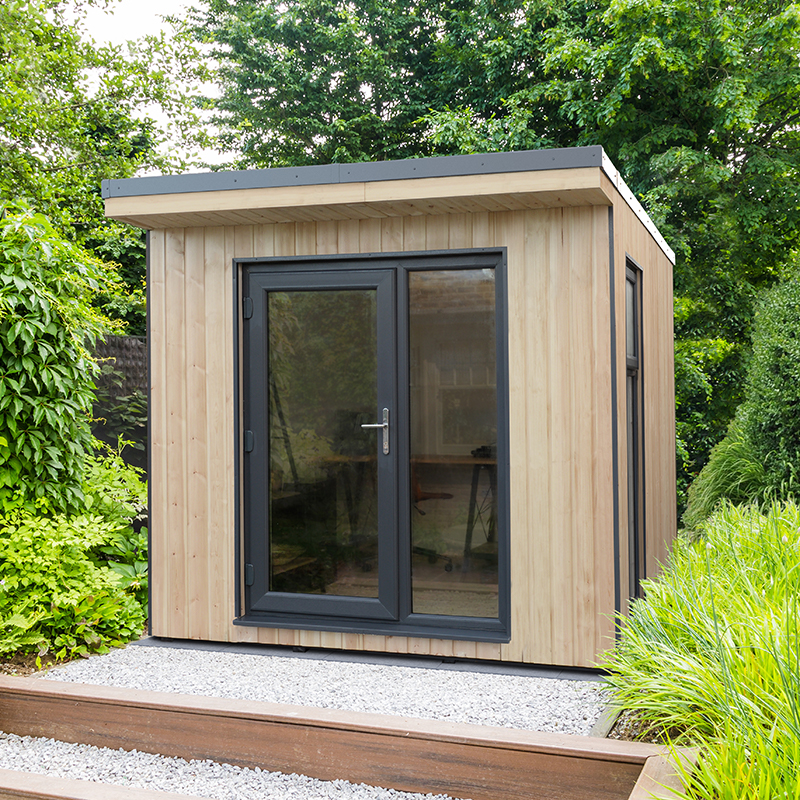
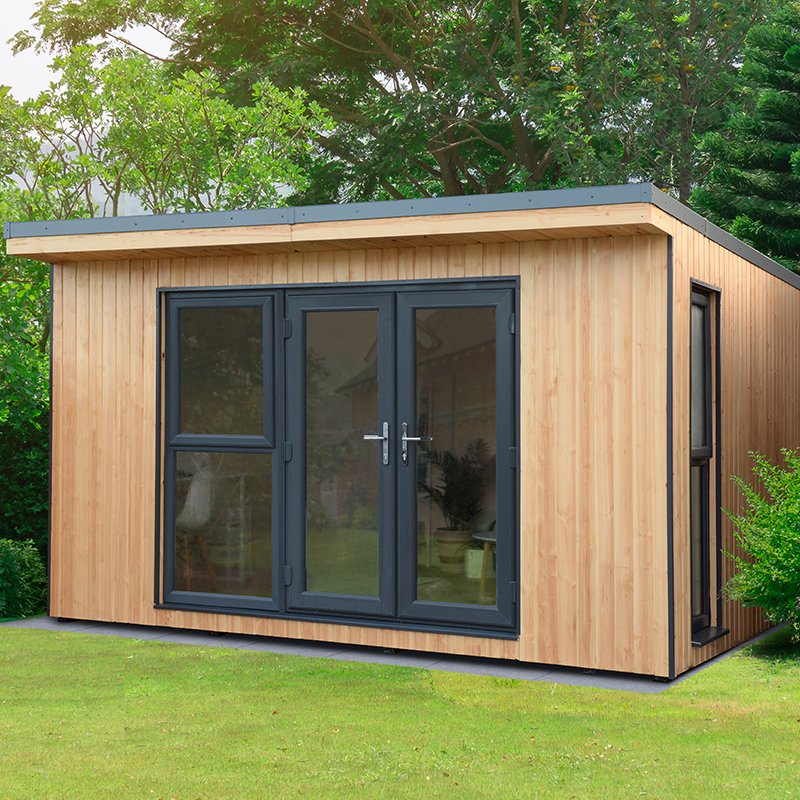
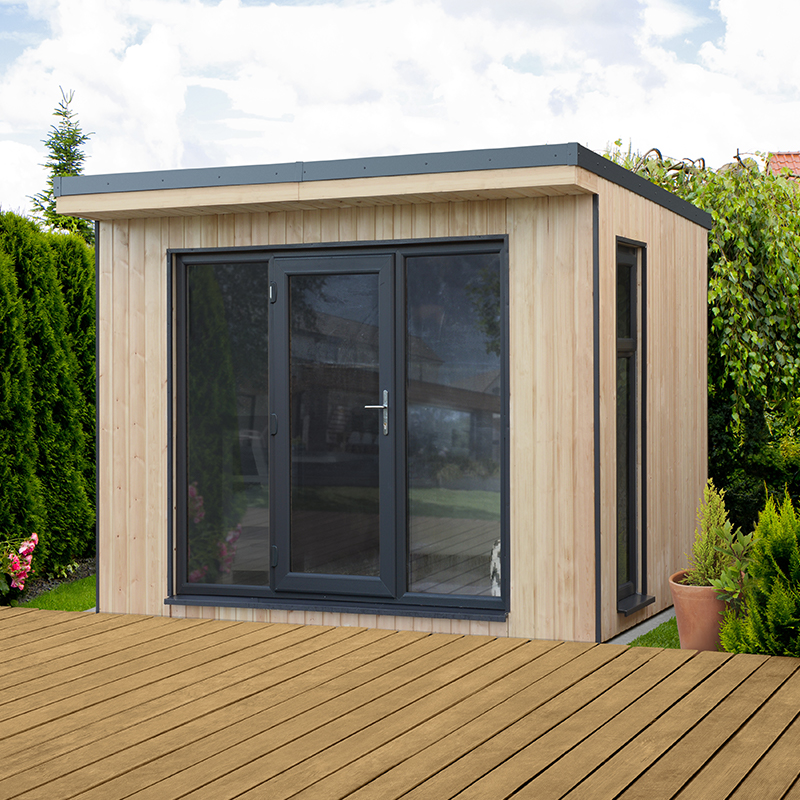
Corner garden offices are made to sit into an unused corner of the garden, which can be useful on smaller plots or where the centre of the lawn needs to stay open. They usually make better use of awkward ground, though the internal layout can feel less linear than a standard rectangle. If you like a wraparound desk or a more social seating area, that shape can work well.
Pod-style offices are another option. These tend to be more compact, with a rounded or softened footprint that gives a different feel from a box-like cabin. They can suit buyers who want a smaller build that looks a bit lighter in the garden. Compared with a larger cabin, a pod may be easier to place without overwhelming neighbouring planting or a narrow side return.
There are also flat-fronted studios and more traditional timber cabins. A studio look often feels neat and modern, while a timber cabin style leans towards a warmer, more natural appearance. The difference is not just visual: the front shape can affect window size, furniture placement and how much daylight reaches the desk.
What the discount price is really reflecting
In discount offers, the variation in price usually comes from size, wall thickness, glazing, roof design and how the office is built as a package. A smaller office with a simpler roof and fewer openings is usually priced differently from a larger unit with more glass and a more involved structure. That does not mean the lower-cost option is weak; it may simply be aimed at buyers who need a neat, practical room rather than a statement build.
It is worth checking whether the offer is for a basic shell, a more complete insulated room, or a model with extra elements already included. Even when the category stays within discounted ranges, the differences can show up in the way the office feels in use. For example, a wider opening at the front can make the room brighter, while a narrower build may suit tight gardens and side plots more comfortably.
When comparing offers, look closely at the wall build-up, door type, window arrangement and overall footprint. A small difference in each of these can change the everyday experience more than a small change in price. If the office is meant for regular use, the layout and internal proportions should carry more weight than a simple headline discount.
Insulated rooms, basic cabins and somewhere in between
One of the main distinctions in this category is between a fully insulated garden office and a more basic cabin-style room. An insulated office is usually the better fit when you plan to use it often, especially through the cooler months. It tends to feel more like a dedicated workspace and less like an occasional outbuilding. The difference shows up in the sense of enclosure, the way the room handles temperature swings and how comfortable it feels over a working day.
A basic cabin can still be a sound buy when the office is intended for lighter or seasonal use. If you only need a separate place for admin, hobby work or occasional remote days, a simpler build may suit the budget better. The key is to be honest about how often you will use it. A cheaper option that does not fit your routine can end up feeling like a compromise.
Between those two sits a range of mid-spec garden studios that aim for a cleaner finish and a more enclosed feel without moving into the higher-end territory. These often appeal to buyers who want a more refined work space but are still watching the spend. It is a useful middle ground if you need something that looks more finished than a shed and more practical than a summerhouse.
Timber, panel and modern looks: which style suits the plot
Most garden office ranges lean into timber in some form, because it gives a natural appearance and works well with garden settings. A timber-clad office often sits comfortably beside planting, fences and paths, which helps it feel part of the garden rather than dropped into it. For some buyers that matters just as much as the working space inside.
A more modern-panel style can feel sharper and more architectural. These designs often suit paved areas, contemporary houses and gardens with clean lines. They can also make the office read as a separate feature, which is useful if you want a clear visual distinction between home and work.
There are also cabins with a lodge-like look. These are often chosen when the garden already has a softer, more natural layout. The difference is mainly visual, but visual balance matters when you are placing a structure in a small or medium-sized garden. A unit that looks too bulky can dominate the space, while a slimmer profile can keep the rest of the garden usable.
Window and door choices that change day-to-day use
The placement of doors and windows can make a garden office feel very different, even when the footprint is the same. A wide glazed front can bring in a good amount of daylight and help the room feel open. That is handy if the office will be used for long stretches, because daylight can make the room less closed-in. On the other hand, too much glazing in the wrong place may leave fewer wall sections for storage or equipment.
Side-door access can be useful when the office sits deeper in the garden, because it changes how you enter and exit the space without crossing directly through the main view line. Some layouts make better use of the front wall by moving the entry point to one side. That can free up the interior for a larger desk or a more flexible seating zone.
Another useful difference is between single-leaf doors and wider glazed openings. A single door feels compact and can suit smaller offices, while a broader opening can make moving chairs, printers or storage easier. For buyers comparing discount offers, this is one of those details that is easy to overlook at first and later matters every day.
How to match the office to the way you work
Different work habits suit different garden office formats. If you work mostly on a laptop and use the space for calls, a compact office with a simple rectangular layout may be enough. You get a clear desk zone, a chair and possibly a shelf or two, without paying for excess size that will sit unused.
If you split time between screens, paperwork and storage, look for a wider unit or one with a more deliberate internal shape. A little extra width can make the room feel easier to move around in, and that matters once you add filing, a guest chair or a second work surface. In a small room, even a narrow aisle can make the difference between a neat office and a cramped one.
For creative work, sketching, making, editing or planning, a garden office with a more open front wall or larger window sections can be helpful. It gives you a brighter working atmosphere and can make the room feel less boxed in. If the room is also meant to act as a meeting space, a more generous layout may be worth the added spend.
Practical buying checks that save regret later
When looking through garden offices discount offers, it helps to measure the garden properly and picture the office with enough space around it. A build that looks manageable online can feel larger once it is set in place. Check the footprint against paths, fences, trees and any slope in the garden, because those details affect how easy the unit will be to site.
It is also smart to compare the internal usable area, not just the outside dimensions. Wall thickness, roof overhang and framing can change what you can actually fit inside. Two offices with the same outer size can feel quite different once a desk, chair and storage are added.
Think about the direction the windows face. A bright outlook can lift the room, but a very exposed side might need a different layout. If the garden is overlooked, the position of the glazing can matter for privacy as much as for light. This is one of those small details that can shape how relaxed the office feels over time.
Why a discounted office can be a smart fit, not a compromise
The word discount can sometimes make people assume a lower level of choice, but that is not always the case. In this category, a discount offer may simply mean a well-priced option in a standard shape, a run of selected sizes, or a style that fits a practical budget. If the structure, proportions and appearance suit the garden, the value can be very sensible.
For many buyers, the appeal is in getting a dedicated work area without paying for extras that would not change the day-to-day use. A compact office that fits neatly into the garden can be more useful than a larger room that takes too much space from the rest of the plot. That is especially true where the garden still needs to do double duty as a place for relaxing, children playing or general outdoor living.
In other words, a good buy here is often the one that fits the plot, the routine and the budget at the same time. When those three line up, the office tends to feel like a proper part of the home rather than an add-on that was chosen just because it was on offer.
Useful details worth checking before you choose
- Overall footprint and how much garden space is left around it
- Shape of the building: rectangular, corner, pod or studio style
- Door position and whether it suits the garden access route
- Window layout for daylight, privacy and desk placement
- Wall build-up if you want a more enclosed, work-ready feel
- Internal proportions so the room does not feel narrow or wasted
- Style finish that matches the house and surrounding planting
Choosing the version that feels right when you use it every week
The best garden office is usually the one that fits into the rhythm of your week without forcing you to rearrange everything else. A smaller office can be enough for focused work if it has the right shape and enough light. A wider studio may suit anyone who wants room for files, a second screen, or a more relaxed seating area. The main difference is not just size, but how useable the room feels once furniture is in place.
When browsing discount offers, try to picture the office as it will be on a wet Tuesday morning, not just on a sunny day in the sales photos. Does the entrance feel practical? Is there enough wall for your desk? Will the shape leave you with dead corners? Those details decide whether the office becomes a regular part of your routine or stays as an idea that never quite settles in.
A good discounted garden office can be a neat, grounded choice for working from home without taking over the house. With the right shape, the right layout and a finish that suits your garden, it can feel like a proper place to think, work and get on with the day.
[Sassy_Social_Share]