
Garden Must Haves Gazebos - Best Deals in UK!
Showing all 6 results
-
12% OFF: 12′ x 10′ Garden Must Haves Runcton Grey Polycarbonate Garden Gazebo (3.6m x 3m) £729.9912%

-
12% OFF: 10′ x 10′ Garden Must Haves Runcton Grey Polycarbonate Garden Gazebo (3m x 3m) £659.9912%

-
12% OFF: 12′ x 10′ Garden Must Haves Pandora Leaf Adjustable Garden Gazebo (3.6m x 3m) £544.9912%

-
12% OFF: 9′ x 9′ Garden Must Haves Sliding Roof Grey Gazebo (2.8m x 2.8m) £529.9912%

-
12% OFF: 10′ x 10′ Garden Must Haves Pandora Leaf Adjustable Garden Gazebo (3m x 3m) £474.9912%

-
11% OFF: 13′ x 13′ Garden Must Haves Got It Covered Pop Up Gazebo – Brown (4m x 4m) £194.9911%

Garden gazebos for shade, shelter and outdoor living: explore wooden, metal and pop-up styles, hexagonal and rectangular shapes, open or enclosed designs, and pick the right gazebo for dining, relaxing or year-round garden use.
Why a gazebo changes the feel of a garden
A gazebo does more than mark out a space. It gives a garden a defined outdoor room, somewhere that feels intentional rather than leftover. That is why gazebos work so well in family gardens, patios, larger lawns and even tucked-away corners that need a clear purpose. Whether you want a place for alfresco dining, a sheltered reading spot, a shaded seating area or a focal point for gatherings, the right gazebo adds structure without making the garden feel rigid.
What makes gazebos so appealing is the balance between openness and cover. Unlike a fully enclosed garden building, a gazebo still keeps you close to the air, the light and the views. At the same time, it offers a practical break from harsh sun, light rain or breezy evenings. That mix is why they feel useful across seasons, not just in summer.
Shapes that set the tone: round, square, hexagonal and more
Gazebos come in several shapes, and the form affects both the look and the way the space is used. A round gazebo tends to feel soft and social, with seating arranged naturally around the centre. It suits informal chats and decorative garden settings, especially where curved lines already appear in planting beds or paths.
Bestseller der Kategorie Garden Must Haves Gazebos
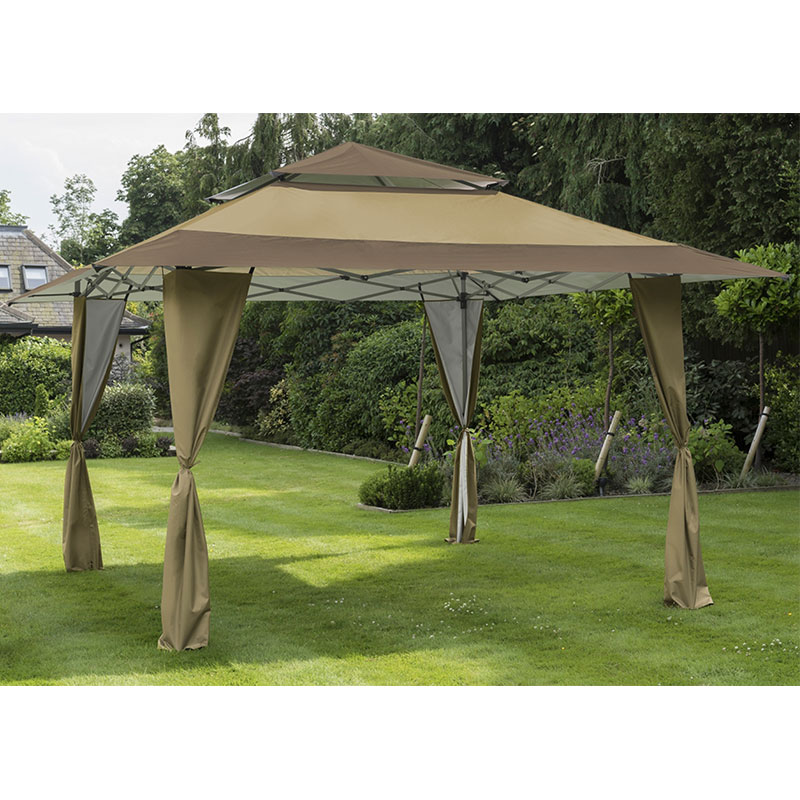
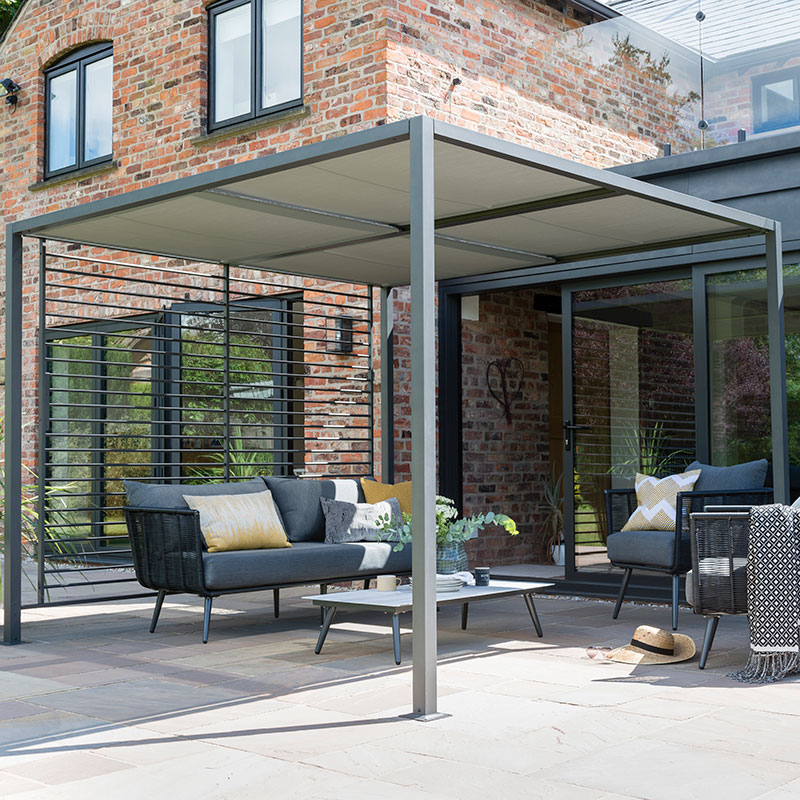
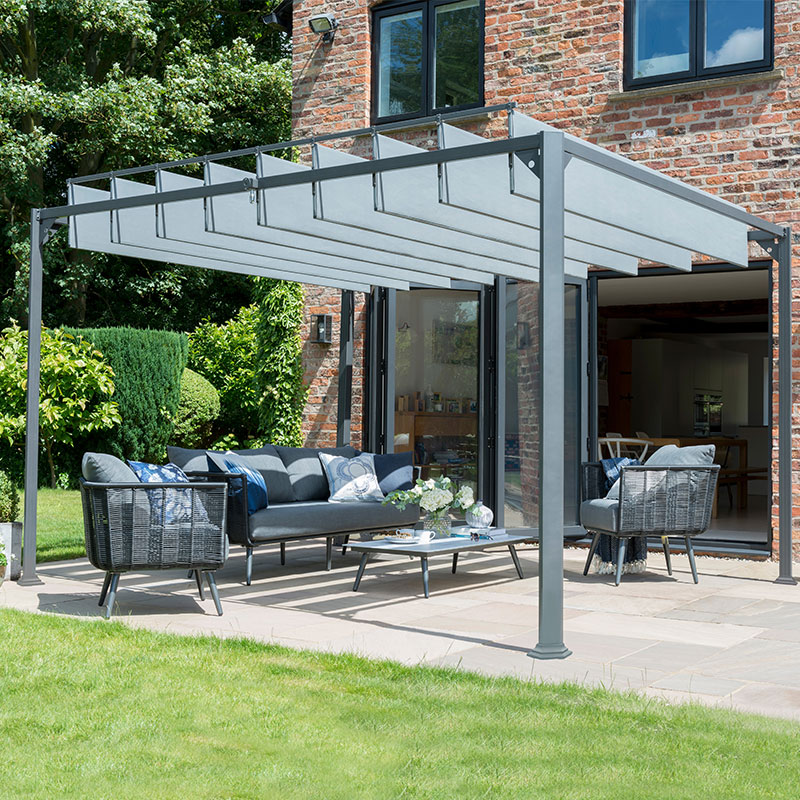
A square gazebo or rectangular gazebo creates a neater, more architectural feel. These shapes work well with dining tables, benches or modular seating because the edges line up cleanly with furniture. They also suit modern gardens where straight lines and clear zones matter.
Hexagonal gazebos sit somewhere between the two. Their angled sides bring visual interest without seeming too formal, which is why they are often chosen when the gazebo is meant to be a feature in itself. An octagonal shape, where available, offers a similar effect with a little more presence and a broader canopy footprint.
It is worth thinking about shape in relation to use. A round structure can feel more intimate, while a rectangular one often makes better use of floor space. If you want a gazebo around a dining set, the shape should allow chairs to move back comfortably. For a lounge-style setup, a more open footprint may suit better than a tight geometric frame.
Open, half-open or enclosed: choosing the right level of shelter
The biggest difference between gazebos is not always the frame shape, but how open they are. An open gazebo feels airy and light. It usually suits social spaces where people want coverage from above but still enjoy the garden from all sides. This style works nicely for summer lunches, casual seating and decorative use near a lawn or terrace.
A half-open gazebo gives a bit more definition, often with curtains, side panels or partial screening. This type can help create a calmer feel and provide added protection from wind or low sun, without closing the space off entirely. It is a useful choice if the gazebo is meant to stay in place as a regular outdoor room.
Enclosed gazebos with fitted sides create a stronger sense of shelter. They are often chosen when privacy matters, or when the space is intended for more frequent use in changeable weather. The difference here is not just about weather cover, but about atmosphere. An enclosed design feels more like a destination, while an open one remains part of the wider garden conversation.
Material matters: timber, metal and fabric each bring a different feel
Wooden gazebos are often chosen for their natural appearance. Timber blends well with planting, decking and rustic garden settings, and can feel softer than a metal frame. It also suits traditional gardens where the gazebo should look like it belongs with pergolas, fences and planters. The trade-off is that timber tends to bring a more substantial, grounded look, so it needs the right setting rather than being dropped anywhere at random.
Metal gazebos, usually with steel or aluminium frames, have a cleaner outline and a more contemporary feel. They can suit paved areas, modern patios and spaces where a crisp silhouette is preferred. Metal frames often look lighter visually, even when the structure is robust. They also pair well with minimalist furniture or neutral fabrics.
Fabric gazebos and pop-up styles offer flexibility. These are useful when you need cover for occasional events, garden parties or temporary shade. They are generally less permanent in appearance, but that can be an advantage when you want something practical without changing the garden layout too much. The differences between these materials are not just visual; they affect how formal the space feels, how much permanence it suggests, and how the gazebo sits beside the rest of the garden.
Fixed frame or pop-up: permanent presence versus flexible use
A fixed gazebo gives a garden a lasting feature. It can anchor a seating area, support a dining set or create a defined gathering point that remains in place through the season. This type is usually preferred when the gazebo is meant to become part of the garden’s layout rather than a movable extra. It works especially well for people who already know where they want their outdoor zone to live.
A pop-up gazebo is a very different kind of choice. It is made for quick use, easy repositioning and events where cover is needed only sometimes. That makes it handy for birthdays, barbecues, garden fairs or occasional shade in different parts of the garden. The advantage is clear: you can adapt the space as needed. The difference is also clear: pop-up gazebos tend to be less architectural, more practical, and better suited to flexible living than to permanent landscaping.
For some buyers, the decision comes down to how often the gazebo will be used. If it will form the heart of an outdoor seating area, a more permanent style makes sense. If it is needed now and then, a foldable design can be a better fit. In other words, the best gazebo is not the one with the most features, but the one that matches the way the garden is actually used.
Roof styles that do more than look neat
The roof shape has a strong impact on the gazebo’s character. A flat roof gives a simple, modern profile and can suit compact gardens where a lower visual line is preferred. It can feel practical and tidy, especially in spaces with contemporary furniture or clean paving.
A pitched roof gives more of a classic gazebo look. It can create a more open feeling inside and often gives the structure a stronger presence from outside. This style is often associated with traditional garden architecture and can help a gazebo stand out as a focal point.
Domed or curved roof designs bring a softer silhouette and can look decorative without being overly formal. These work well when the gazebo is intended to feel a bit more special, but still part of a relaxed garden setting. The roof shape also affects how the gazebo sits in the space visually: low and sleek, tall and statement-like, or somewhere in between.
How gazebos work in real gardens, not just on paper
The best gazebo is the one that fits the way people move through the garden. A gazebo placed near the house can act as an extension of the patio, making it easier to carry food, glasses and cushions outside. One placed further down the garden can create a destination, a separate pocket that encourages people to linger away from the main seating area.
If you already have a dining table, check whether the gazebo allows chairs to pull out comfortably without hitting the frame. If the plan is more relaxed, with loungers or armchairs, think about the shape of the roof and the amount of headroom around the edges. Some gazebos suit dining because they feel structured and balanced; others feel better for soft seating, where the atmosphere matters more than a formal layout.
A gazebo can also help divide one garden into different moods. The lawn can stay open, while the gazebo becomes the shaded retreat. Or the gazebo can sit close to borders and planting, letting greenery frame the space. In this way, it does not just add cover; it gives the garden more than one place to be.
Useful buying points that make a real difference
When browsing gazebos, it helps to look beyond the first impression. Footprint size matters because a gazebo can feel generous in the shop image but tight once placed beside furniture. Measure the area with chairs in mind, not just the frame itself. A little extra room often makes the whole setup easier to use.
Think about side clearance, too. If the gazebo has posts at the corners, those can affect how tables, benches or planters sit inside or around it. A shape with wider openings may feel easier for regular movement, while a more enclosed design gives stronger shelter. Neither is better in general; they just suit different uses.
Also consider how visible the gazebo will be from the house. Some buyers want it to blend in. Others want it to stand out as a feature. That choice can guide material and shape as much as practical needs do. A wooden gazebo with a traditional form can soften a planting-heavy garden, while a metal frame may fit a sharper, more modern scheme.
- Choose a round or hexagonal gazebo if you want a softer social feel and a feature that breaks up straight garden lines.
- Choose a square or rectangular gazebo if you need easier furniture placement and a cleaner, more structured look.
- Choose open-sided designs if the priority is airiness, view and casual use.
- Choose partial panels or curtains if you want more privacy and a sheltered atmosphere.
- Choose timber for a natural, traditional look that sits comfortably with planting and rustic features.
- Choose metal for a sharper outline and a more contemporary finish.
- Choose a fixed gazebo for a permanent outdoor room.
- Choose a pop-up gazebo for flexible, occasional cover and easy repositioning.
Where gazebo styles differ in atmosphere, not just design
Some gazebos feel formal, others relaxed. That difference comes from several details at once: the frame thickness, the roof pitch, the number of open sides, the finish of the materials and the overall proportions. A slim-framed metal gazebo with straight edges can read as modern and neat. A timber gazebo with a pitched roof and decorative braces feels more settled and classic.
This matters because the gazebo will affect how the rest of the garden looks. A bold structure can give a plain patio a stronger identity. A lighter frame can keep a small garden from feeling crowded. In larger gardens, a gazebo can help create balance by giving one area a clear purpose, while the rest remains open and free-flowing.
If your garden already has a lot going on, the gazebo does not need to shout. A quieter design may work better. If the space feels empty or unfinished, a gazebo with more presence can make it feel complete. The trick is matching the structure to the garden’s own rhythm.
A good gazebo is the sort you use again and again
Gazebos earn their place when they are easy to enjoy. A structure that works for lunch, late drinks, a quiet hour with a book or a family gathering becomes part of the way the garden is lived in. That is why buyers often focus on the obvious basics first, then discover that the finer details matter just as much: shape, openness, material and how the gazebo fits around everyday movement.
When chosen well, a gazebo can make a garden feel more usable without changing its character too much. It gives shelter where it is needed, shape where the space needs definition and a reason to spend longer outdoors. For anyone looking to build a more inviting garden corner, gazebos offer a practical way to do it without overcomplicating the layout.
Final details worth thinking about before you buy
A gazebo should suit both the garden and the way you spend time outside. If you imagine meals, gatherings or calm afternoons beneath it, focus on headroom, footprint, shape and frame style. If you want a feature that looks settled into the garden, lean towards fixed designs and natural finishes. If you need something that adapts to different occasions, a lighter, more flexible option may fit better.
In the end, the right gazebo is about more than cover. It is about creating a place that feels ready to use, easy to enjoy and in step with the rest of the outdoor space. That is the real appeal of a well-chosen garden gazebo: it gives shape to moments you already want to have outside.
[Sassy_Social_Share]