
Garden Building Solar Lighting 170 sq ft / 16 m² - Best Deals in UK!
Showing all 2 results
-
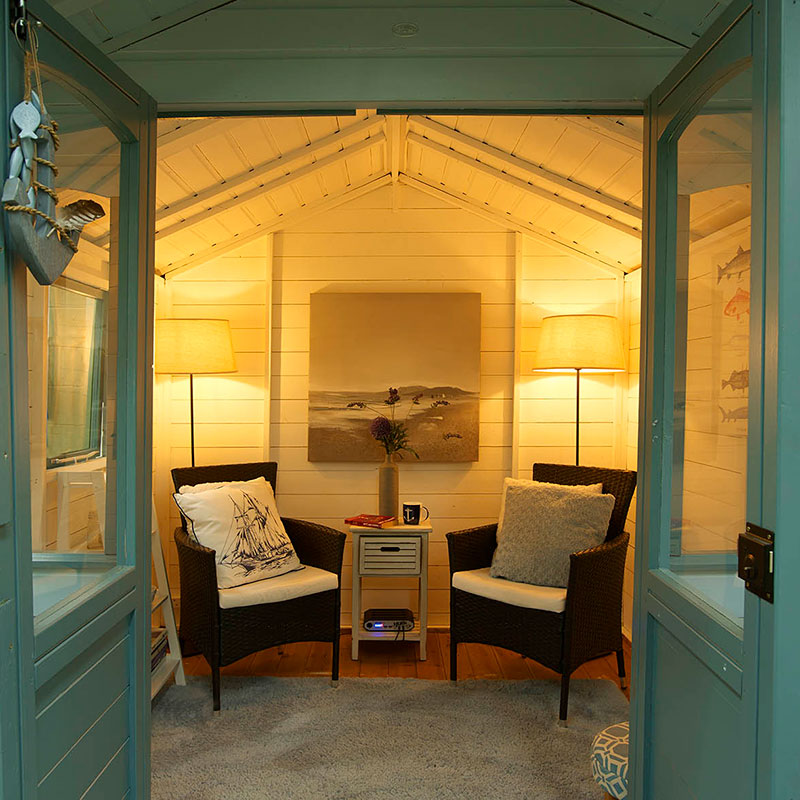
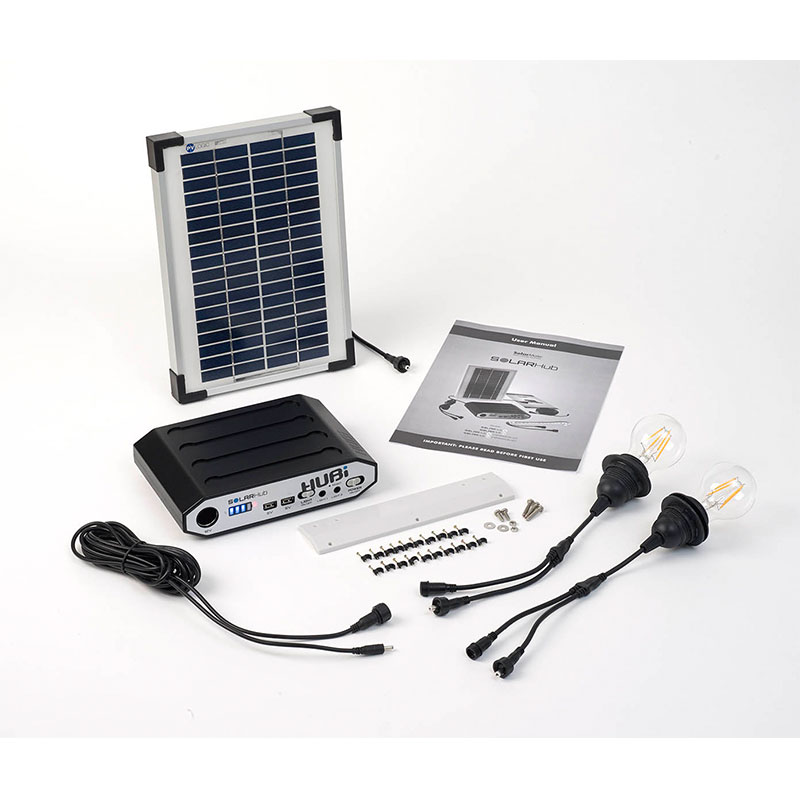
17% OFF: Solartech Premium Garden Building Solar Lighting & Charging Kit 4 – Suitable for Gazebos up to 4m x 4m (14′ x 14′) £189.9917%

-
12% OFF: Solartech Premium Garden Building Solar Lighting Kit 8 – Suitable for Buildings upto 4m x 4m (14′ x 14′) £305.9912%

Garden Building Solar Lighting for 170 sq ft / 16 m² spaces brings practical, low-profile light to sheds, studios, cabins and compact outbuildings, with options that suit doors, corners, roof edges and work zones.
Light that fits a 170 sq ft building without feeling crowded
A 170 sq ft / 16 m² garden building usually asks for lighting that is tidy, compact and properly thought through. You do not need a flood of fittings everywhere; you need the right mix of solar lights for small garden buildings that make the space usable after dusk without turning it into a bright box. This category is built around that kind of setup: lights that work with limited wall space, low rooflines and the odd awkward corner that every small building seems to have.
The real appeal is the balance between independent solar power and the building’s scale. In a room this size, lighting can be split into clear zones: a entrance point, a main interior area, maybe a shelf or bench, and sometimes an outside marker light for the step or path. That means you can choose solar wall lights, solar ceiling lights, solar strip lights or solar security-style lights depending on how you use the building. Each form does a different job, and in a small space those differences matter more than people expect.
The main types and where each one makes sense
For a garden building of this size, the most useful products tend to fall into a few clear groups. They are not all doing the same job, and that is actually the point.
Bestseller der Kategorie Garden Building Solar Lighting 170 sq ft / 16 m²
- Solar wall lights – good for doors, side walls and places where a bit of direction is needed. They often cast light downwards or in a broad wash, which helps with movement around the building.
- Solar ceiling lights – useful inside the main room when you want an even spread from above. These suit central positions, especially in narrow buildings where a single overhead unit can cover a lot.
- Solar strip lights – flexible for shelves, worktops and under-edge lighting. They are handy where a hard fitting would get in the way, and they can make a small room feel more organised.
- Solar post or marker lights – better outside the building for edging a path, marking a step or guiding you to a door.
- Solar motion sensor lights – useful at entry points or around the outside if you want light only when someone approaches. They save battery use and suit occasional use.
- Decorative solar string lights – more about atmosphere than task lighting, often used where the building doubles as a hobby room, seating spot or quiet retreat.
Each type has its own feel. A wall-mounted solar light gives a more fixed, practical look. A string light feels softer and a bit less formal. A motion-activated lamp adds convenience, while a ceiling unit usually feels more like a proper room light. The best choice depends on whether the building is used as a workshop, garden office, storage space or somewhere in between.
How shape changes the way the light works
Shape matters a lot in smaller buildings. A wide-diffusion light can make a room feel open, while a narrow beam is better when you need focus. In 16 m² garden buildings, the main shapes you will see are often compact and simple, but the effect is different each time.
Round solar lights tend to spread light in a softer way and can sit well on ceilings or around doors. Rectangular units often look more technical and suit walls, especially where clean lines matter. Bar-style lights are useful for shelves, work surfaces and overhead runs. Then there are adjustable-head lights, which let you aim the beam where it is needed, good if one side of the room is darker or if the layout changes.
For a small garden building, the shape should follow the use of the room. If the space is mainly for storage, you may want a light that throws a clear beam to the centre and along the main walkway. If it is used for crafts or reading, a softer, broad light may feel more comfortable. The point is not just how bright it is, but how the beam lands on the surfaces around it.
Battery style, panel layout and why it changes the result
Even without getting into technical overload, the way a solar lighting set stores and receives power changes what you get indoors. Some products have the solar panel built into the fitting, while others use a separate panel placed outside. That difference can be quite important for a small garden building.
Integrated panel lights are neat and easy to position, which suits doors, short runs and external markers. But if the light is inside or tucked under a roof overhang, the panel may not see enough sun. That is where separate-panel solar lights can make more sense, because the panel can sit in a sunnier spot while the light itself stays where you need it.
This matters especially for buildings with shaded sides, deep eaves or a garden layout that blocks direct sun for part of the day. A compact building can look simple from the outside, but the actual light path from sun to panel is often the deciding factor. If you are comparing products, check whether the panel needs to be mounted facing open sky or whether it still works in partial shade. That one point can make the difference between a lamp that feels useful and one that is always a bit dim, which is frustrating.
Task light, mood light and the middle ground
Not every solar light in a garden building has to do the same job. In a 170 sq ft outbuilding, it often makes sense to layer the lighting in a simple way. One fitting may be doing the practical work, another may just soften the space.
Task lighting is the sharper, more direct kind. This suits worktops, tool areas, hobby corners and entryways. It helps you see what you are doing and makes the room feel more usable. Ambient lighting is broader and gentler. It can come from ceiling units, low-glare wall lights or a strip hidden along a beam. Then there is accent lighting, which might pick out a shelf, a plant, a sign or the edge of a door frame.
The difference is not only visual. Task lighting can make a building feel more organised, because it gives structure to the room. Ambient lighting can make a small space feel calmer and less boxy. Accent lighting helps the building feel finished, even if it is still plain at heart. A lot of buyers overlook this and just ask how bright a lamp is, but brightness alone does not tell the whole story.
Outside the door: lighting that makes the entrance work better
For many garden buildings, the entrance is where solar lighting earns its keep. A door at the side of the garden, a short step, a path with uneven edges, or a latch that takes both hands can all make a simple arrival feel more difficult once the light goes. That is why solar entrance lights are often a smart choice in this category.
Look for downward-facing lights if you want to reduce glare and keep the doorway clear. Motion sensor fittings are useful when the building is not visited constantly, because they switch on only when needed. If the outside wall is narrow, a slim lamp can work better than a bulky one. For a wider porch or overhang, a broader fixture may help spread the light across the threshold.
There is also a difference between making the door visible and making the route to it easy to follow. A single door light can show where to enter, but a few low marker lights along the path can guide your steps more naturally. In a small garden plot, that small detail often makes the whole setup feel more thought through.
Inside the room: small fittings that do not steal space
Inside a 16 m² garden room, light fittings need to be compact, because every bit of wall or ceiling space is doing something already. That is why low-profile solar lights are useful. They keep the room tidy and avoid the feeling that the fittings are taking over.
Flush-mounted ceiling lights are a good match for low ceilings or simple timber interiors. They keep the light central without hanging down too far. Wall-mounted units can be set higher up, which leaves working surfaces free. Corner lights are less common but can be very handy where the main room is shaped a bit oddly or when one side needs extra lift.
If the building is used as a hobby room, a small office or a reading space, the quality of the spread matters more than a dramatic beam. Harsh light can feel tiring in a compact room. Softer, even coverage is often the better route. But if the room doubles as storage, a stronger directed lamp may be more sensible, because you need to identify items on shelves quickly.
Clear advantages that matter in a compact garden building
The benefits of solar lighting for garden buildings show up most clearly when the space is limited. There is less room for running cables, less need for large fixtures, and usually a stronger wish to keep the interior simple.
- No hard wiring – useful where you want to avoid electrical work or keep the layout flexible.
- Positioning freedom – many lights can go where a cable would be awkward.
- Low visual clutter – ideal for smaller sheds, studios and cabins that should stay neat.
- Separated light zones – easy to divide a building into entrance, task and ambient areas.
- Useful for occasional use – suits buildings that are not lit every single day.
- Works well outside the mains – especially helpful in detached outbuildings.
There is also a practical side to the look of it. Solar fixtures often feel less intrusive than traditional fittings. They can fit the relaxed character of a garden building better, especially if the building is timber-clad, painted in muted colours or used as a quiet retreat. A room like that can lose its feel if the lighting is too heavy-handed, so choosing slimmer products often pays off.
Differences between decorative and practical solar lights
People often mix these up, but the difference is worth paying attention to. Decorative solar lights are chosen for atmosphere. Practical solar lights are chosen for visibility and use. Both can belong in the same building, but they should not be expected to do the same job.
A string light around a beam or along a shelf can make the building feel warmer in the evening, though it may not help much if you are trying to find a tool or read labels. A stronger wall or ceiling light will help with that, but it may feel a bit plain if used on its own. The most balanced setups often combine one practical fitting with one softer layer.
For buyers comparing options, the question is not “which is best?” but “what does this part of the building need?” A room used for hobbies may need a bright centre plus a lower glow at the edges. A storage building may need a strong doorway light and a strip over the shelves. A small social space may lean more towards warmer decorative pieces. It depends on the use, not just the product type.
Useful buying points before you choose
When selecting solar lights for a garden building of this size, a few details are worth checking before you commit.
- Beam angle – wider angles spread light more evenly; narrow angles focus more tightly.
- Panel position – separate panels help where the fitting itself sits in shade.
- Mounting style – wall, ceiling, adhesive, clip-on or screw-fixed, depending on the surface.
- Sensor mode – motion activation suits entrances and outside areas; steady light works better indoors.
- Light colour – warmer light often feels softer, while cooler light can feel clearer for tasks.
- Compactness – smaller rooms usually benefit from slimmer fittings that do not jut out too far.
One thing people sometimes miss is the relation between the light’s design and the building’s actual surfaces. Dark timber walls, for example, can absorb light and make a fitting seem weaker than it looked in the photos. Pale interiors reflect more, so a smaller unit may go further. If your building has exposed beams, you may also need to think about where the light sits in relation to shadows, because shadows can become quite noticeable in a compact room.
Why this category suits sheds, studios and compact cabins
The strength of this category is that it works across a range of small garden structures without needing a one-size-fits-all approach. A garden shed may need practical doorway light and shelf visibility. A garden studio may need a more balanced indoor feel. A small cabin may need both atmosphere and function. The same solar lighting range can cover all three, but the mix changes.
That flexibility is useful for buyers who want the building to feel more usable without making it overcomplicated. You can start with one core fitting and add another type later if needed. Or choose a combination from the start: one ceiling light, one door light, and a path marker, for example. That keeps the setup compact while still giving the room structure.
If you are shopping for a 170 sq ft / 16 m² garden building, the best results often come from products that are modest in size but clear in purpose. It is not about filling every corner. It is about choosing solar lighting that sits naturally in the space and makes the building easier to use, easier to enter and nicer to spend time in. Small details, but they do add up.
[Sassy_Social_Share]