
Garages under £1000 - Best Deals in UK!
Showing the single result
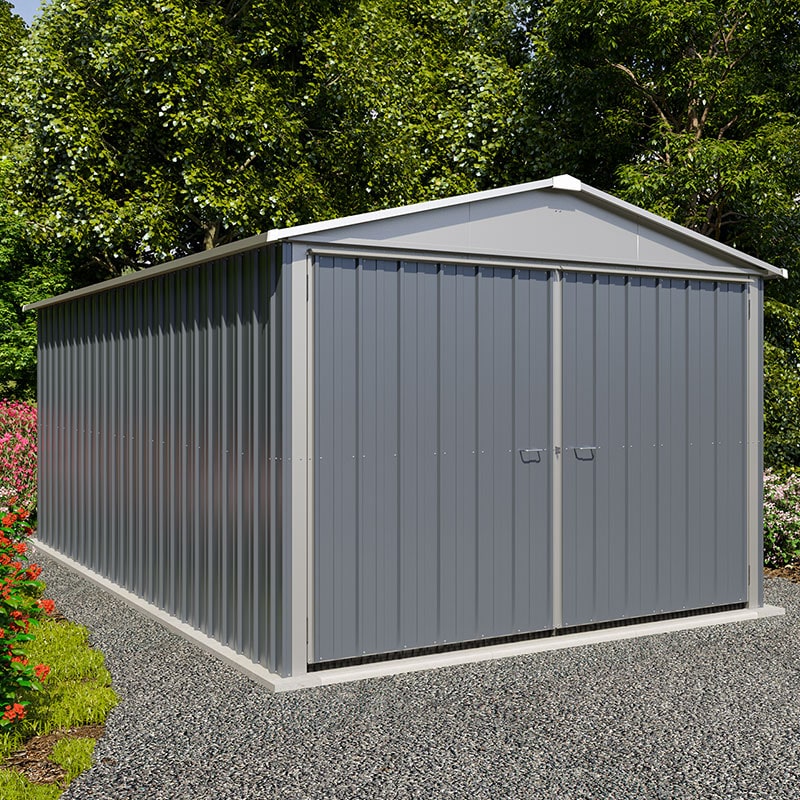
Garages under £1000 give you a practical way to add covered space for tools, bikes, garden kit and smaller vehicles, with choices in timber, metal and plastic. See the key styles, shapes, and buying points.
Popular products in this range
Compact shelter without the big spend
When you are looking at garages under £1000, the main appeal is simple: you get a defined, enclosed storage space without moving into the higher price bands that come with larger bespoke builds. This price range usually focuses on compact garages, lean-to styles, and smaller single-bay structures that suit tighter plots, side returns, and garden edges where space is at a premium.
For many buyers, the best part is not just the price. It is the balance between usable cover and straightforward sizing. A garage in this range can help keep items out of sight, reduce clutter in the shed, and create a neat boundary between garden space and storage space. That makes it a practical fit for homes that need order more than they need a large outbuilding.
What sits inside this budget
Within the under-£1000 bracket, you will usually see a few clear categories. Each has a different look and a different job to do, so it helps to compare them by shape and material rather than thinking of all garages as one thing.
- Metal garages – often chosen for a clean, functional finish and a more box-like form.
- Timber garages – usually preferred when the garden setting matters and a more natural look is wanted.
- Plastic or resin garages – lighter in appearance, often easier to place in smaller gardens.
- Lean-to garages – designed to sit against a wall or boundary, helping save space.
- Compact single garages – better for one vehicle, bike storage, or mixed use.
These types are not the same in feel. A metal garage normally gives a sharper, more utilitarian impression, while a timber garage looks softer and can blend better with planting, fencing, and other garden structures. A resin garage tends to sit somewhere in the middle, with a tidy finish and less visual weight.
Shape matters more than people think
The shape of a garage changes how it works day to day. A narrow, rectangular design is common because it makes the best use of limited width, especially on side plots. A wider frontage gives you more room to open doors, store bulky equipment, or move around inside without it feeling cramped.
Flat roof garages tend to look lower and less dominant, which is useful if you do not want the structure to take over the garden. Pitched roof garages can offer a more traditional look and sometimes create a little extra overhead space, even when the footprint stays modest. If your plot is tight, a flatter profile may be easier to fit in. If you want the garage to echo a more classic outbuilding shape, a pitched roof can feel more settled.
Another detail is door style. Some garages come with a single wide opening, while others use side or front access layouts. A broad opening is easier for moving equipment in and out, but a more compact access point can help when the structure is mainly for stored items rather than regular vehicle use.
Timber, metal, or resin: the feel is different
The material choice often decides the whole tone of the garage. Timber garages under £1000 are usually picked for their warmer look and their ability to sit naturally beside planting, fencing, and traditional garden features. They can feel less harsh in a domestic setting, which matters when the garage is visible from the house or patio.
Metal garages have a more direct, no-fuss look. They suit buyers who want a clear storage solution without much visual detailing. Their structure can feel more industrial, which works well in practical spaces, but may stand out more in a softer garden scheme.
Resin garages are often considered when low visual maintenance and neat panelled surfaces are attractive. They can appear less heavy than metal and less rustic than timber, making them a middle-ground option for modern plots. If the goal is to keep the garden feeling open, this lighter visual effect can be useful.
Single bay, bike bay, or mixed-use space
Not every garage under £1000 needs to behave like a full car garage. In fact, many buyers use this budget for mixed-purpose storage. A single bay garage can hold a mower, hose reels, hand tools, planters, spare pots, folding furniture, or bicycles, with enough covered space left for movement.
Some people are mainly after bike storage, especially where the house has limited hallway space or no easy place to keep cycles. Others want a space for garden machinery and seasonal items. The advantage of a garage compared with a basic open shelter is the sense of separation: things are enclosed, less exposed, and easier to organise as a group.
For those with a smaller vehicle or mobility scooter, dimensions matter more than the badge on the product. Checking internal width, access height, and door clearance is more useful than simply looking at the outside footprint. A garage that is too tight can be annoying every time you use it.
Lean-to designs for awkward corners
Lean-to garages are a smart option when the garden layout is not square or generous. They can sit beside a house wall, boundary wall, or existing outbuilding, which helps reduce how much new footprint you need to give up. This makes them a strong choice for narrow gardens, side alleys, or plots where the most usable space is already spoken for.
The key difference with a lean-to is not just the sloping roofline. It is the way the structure makes use of a wall for support or alignment. That can make the garage feel less intrusive and more deliberately placed. It is a tidy way of adding cover without putting a freestanding block in the middle of the plot.
If your outdoor space is already split into zones, a lean-to design can help keep circulation clear. It leaves more room for paths, bins, planting beds, or a small seating area, while still giving you the enclosed storage you need.
Why cheaper garages still make sense
The under-£1000 range can be attractive for a few practical reasons. First, it opens the door to budget-led storage planning. You are not paying for oversized extras, so the purchase is easier to justify when the aim is simple shelter and space management. Second, this bracket often suits buyers who want a first garage solution rather than a permanent full-scale build.
There is also a difference in how the space feels compared with open storage. Tools are hidden, equipment looks less scattered, and the whole garden can seem more ordered. That matters if you are trying to keep the outdoor area looking calm rather than busy. Even a modest garage can have a noticeable effect on how tidy the plot appears.
For rented homes or changing family needs, a lower-cost garage can also be easier to commit to because the decision is less heavy. You are buying function first, not a grand statement. That can be the right balance for many gardens.
Useful things to compare before choosing
When browsing garages under £1000, the small details are often what separate one workable option from another. A quick checklist helps, especially when products look similar at first glance.
- Internal space – check whether it will suit storage, a bike, or a small vehicle.
- Door opening – wider access is useful if you move larger items in and out.
- Roof style – flat, pent, or pitched can change both look and usable space.
- Material finish – think about whether you want timber warmth, metal practicality, or resin neatness.
- Placement – side access, wall alignment, and boundary position can all affect the final fit.
- Visual impact – some garages sit quietly in the garden, others become a stronger feature.
A lot of buyers focus on external width and forget the way the doors open, or how much clearance is needed in front. That is one of those small details that can change how easy the garage is to use from the first day. It is worth measuring twice, maybe even three times, before making a decision.
Styles that suit different gardens
The best garage style depends on the garden around it. In a more traditional setting, a timber garage with a pitched roof often feels most at home. In a compact modern garden, a lower-profile flat roof or pent roof design can look more controlled and less bulky.
If the plot already has lots of textured planting, curves, or older boundary features, a simple rectangular garage can provide a useful visual anchor. If the garden is neat and contemporary, cleaner lines and smoother surfaces may feel better. The point is not to force the garage to dominate, but to make it sit comfortably in its place.
Different forms also change how you use the area around the garage. A narrower design can leave a strip for bins or a path. A slightly wider one may create a useful approach area. So the shape is not only about storage; it affects the whole flow of the garden.
Smart buying hints for a tidy result
A useful tip is to think in terms of what the garage is for most days. If it is mainly storing tools, garden furniture, and seasonal kit, you may not need the biggest footprint available in the budget. If you need regular access for bikes or bigger equipment, a more open front and easier entry point matter more than fancy detailing.
Another point is to avoid choosing only by price. Two garages can sit in the same budget but offer very different benefits. One may give better internal room. Another may suit a narrow boundary better. Another may be more suitable for a front garden or a side return because its shape is less dominant. These differences are worth paying attention to, because they affect how pleased you feel after installation.
It can also help to think about whether you want the garage to stand out or blend in. A timber finish usually softens the look, while metal can read as more direct and practical. Resin often keeps the visual profile neat without too much texture. None of these is automatically better; the right one depends on the rest of the garden and how much visual presence you want.
A category built for real outdoor use
Garages under £1000 are a strong category for shoppers who want sensible storage, a clear footprint, and a structure that does not overcomplicate the garden. The range includes different subtypes, from lean-to garages and single-bay units to more compact freestanding options, with forms that suit narrow spaces, side plots, and simpler storage needs.
What makes the category useful is the variety. You can choose between timber, metal, and resin, compare flat and pitched roofs, and look at access styles that match how you actually use your outdoor space. That makes it easier to pick a garage that feels like part of the garden rather than an afterthought.
If you want covered storage with a clear budget in mind, this is a practical place to start. The right garage can make the whole outside area feel more sorted, give your equipment a proper home, and keep the layout looking less cluttered. And that, for a lot of gardens, is the real gain.