
Garages 45 sq ft / 4 m² - Best Deals in UK!
Showing all 2 results
-
16% OFF: 8’8 x 5’3 Trimetals MCG950 Premium Motorcycle Metal Garage- Security Storage (2.65m x 1.60m) £1,559.0016%

-
6% OFF: 5’2 x 9′ Asgard Secure Motorbike Garage (1.58m x 2.74m) £1,869.006%

45 sq ft / 4 m² garages offer compact cover for bikes, tools, bins and garden kit, with smart layouts, different roof shapes and practical sizes for tighter outdoor spaces.
Small footprint, proper shelter
A 45 sq ft / 4 m² garage is built for gardens where every inch matters. It is the kind of space that gives you a dry, enclosed place without taking over the plot, which is why it suits side returns, narrow drives, courtyard gardens and tucked-away corners. The appeal is not just the size. It is the balance between usable storage and a footprint that still leaves room to move around outside. For many buyers, this is the point where a garage stops feeling like a bulky outbuilding and starts working like a neat piece of the garden plan.
At this size, the garage is usually chosen for single-item storage or a carefully arranged mix of smaller items. Think bicycles, a push mower, hand tools, plant pots, folding furniture or bags of compost. It is not about housing a car in the usual sense; instead, it is about making one compact zone do a clear job. That clarity can be helpful when you want the garden to stay open and tidy, not crowded by a structure that is too large for the site.
What fits inside, and why that matters
The usefulness of a 4 m² garage comes down to how the space is set out. The floor area may look modest on paper, but inside it can still handle a surprising amount if the items are chosen well. The best use is often a mix of vertical storage and floor-level parking for one main item. A bike, for instance, can sit with room beside it for tools or a small shelf. A mower might live next to rakes, trimmers and a stack of pots. The trick is not to overfill it with bulky pieces that block access.
Bestseller der Kategorie Garages 45 sq ft / 4 m²
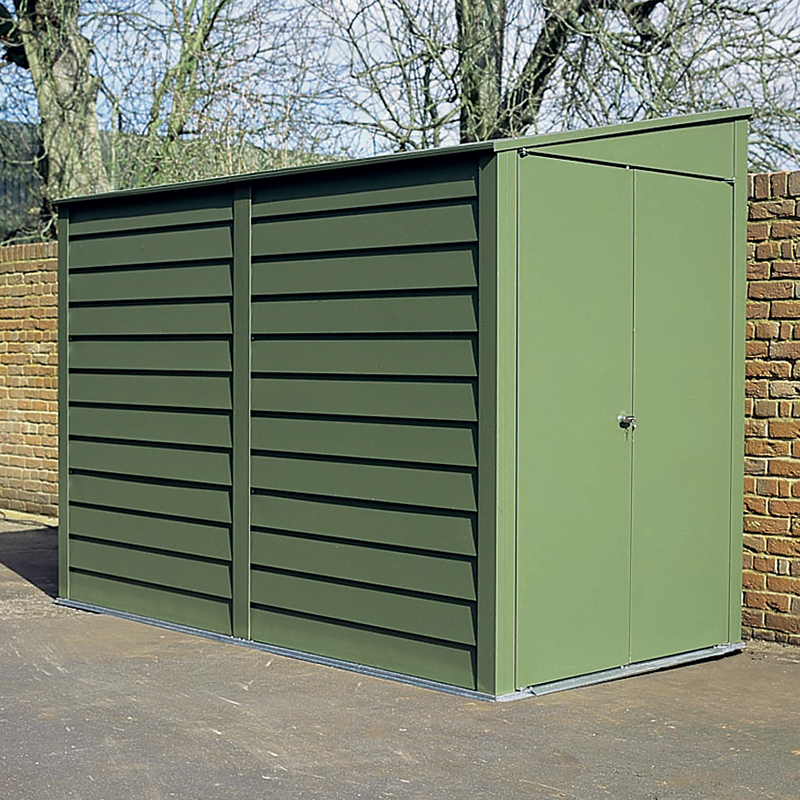
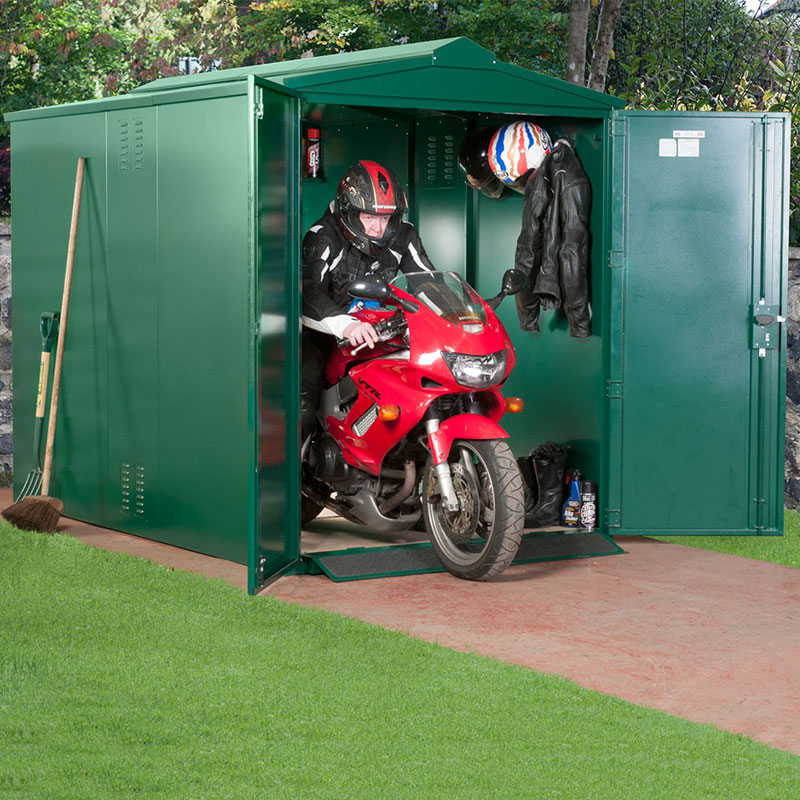
- Bicycles – especially one full-size bike, or a couple of smaller ones with careful positioning
- Garden tools – spades, forks, rakes, edging tools and hand tools
- Outdoor equipment – a mower, strimmer, hose reel or pressure washer
- Seasonal items – folding chairs, cushions in storage boxes, parasol bases
- Waste and recycling bins – depending on the exact door width and layout
If you are deciding whether this size is enough, it helps to think in terms of one main purpose rather than everything at once. A 45 sq ft garage is often a better fit for a focused storage plan than for a mixed-purpose space with too many jobs. That can actually make it easier to use day to day, because you know where things belong and you are not fighting with wasted corners.
Roof lines that change the feel
Even in a compact category like this, roof shape makes a noticeable difference. A pent roof gives a clean sloping line and can be practical where the building sits against a fence, wall or boundary. A flat roof gives a low, simple profile that blends well in modern settings and on sites where height needs to stay down. A dual-pitch roof brings the familiar gable look, which can suit more traditional gardens and can add a bit of interior headroom near the centre.
These forms do more than change the look. They affect how the garage sits in the garden, how much space it seems to take up, and in some cases how easy it is to work around it. A lower roof can feel less dominant in a small plot, while a pitched roof can give the structure a more classic presence. If you want the garage to stay visually light, a simpler roofline may help. If you want it to echo a house or shed with more traditional details, a pitched shape can feel more at home.
Single-door or wider opening?
The entrance style is another detail that makes a real difference. A single door garage is often enough for narrow access and for items that can be wheeled in one at a time. It keeps the front neat and can suit a compact footprint well. A wider opening gives easier access for bikes, bins and garden equipment, especially when you need to angle things in or out without scraping the sides. In a 4 m² space, the opening should not feel like an afterthought, because getting the right item in and out is half the job.
Some buyers like a side-hinged look because it feels more traditional and lets you open just one leaf for quick access. Others prefer a sectional or up-and-over style when the main goal is a broad opening and a tidy frontage. Each option changes how you use the space in front of the garage as well. If the approach area is tight, a door that does not swing too far into the garden can be easier to live with. If there is a small apron or drive section available, a wider opening may be the better choice.
Material choices and what they say about the build
For a compact garage, the material often shapes both the look and the feel of the purchase. Timber garages tend to suit gardens where a softer, more natural appearance is wanted. They can sit well among planting, fencing and other wooden structures. Metal garages usually give a more utilitarian impression and are often chosen when the priority is a straightforward enclosed store. Plastic or resin units, where available in this sort of size, can appeal if you want a lighter visual presence and a simpler exterior finish.
The differences are not only about style. They also influence how the garage stands in relation to the rest of the garden. Timber can feel warmer and more in keeping with traditional outdoor spaces. Metal can look more direct and functional. Resin can sit somewhere in between, with a cleaner, less fussy face. The right choice depends on whether you want the garage to blend in quietly or stand out as a clearly defined storage zone.
- Timber – suits natural garden settings and often feels less hard-edged
- Metal – practical appearance, often chosen for straightforward storage use
- Resin / plastic – lighter visual impact and a neat, modern look
Why this size appeals in tighter gardens
A lot of buyers are not looking for a large garage at all. They want a building that solves a storage issue without swallowing the garden. That is where 45 sq ft / 4 m² makes sense. It can be tucked beside a boundary, placed at the end of a path or used where a full-size garage would simply be too much. In small gardens, it helps preserve the feeling of open space, which matters if you still want a lawn, seating area or planting beds to remain the main feature.
This size also tends to be easier to plan around. It can often fit into layouts where larger outbuildings would force compromises. For buyers with limited outdoor area, that can mean the difference between having a garage at all and not having one. It is a practical answer when the aim is to keep clutter off the patio, store equipment safely and avoid leaving expensive items outside under covers that never quite stay put.
How shape affects the way you use it
Shape is not just a design choice; it changes the inside of the garage too. A long, narrow form may work well for a single bike or a line of tools, while a squarer footprint can make it easier to place boxes and equipment without awkward gaps. If the layout is slightly deeper than it is wide, you may get better use from items that can be stacked or hung. If it is closer to square, access may feel easier and less cramped.
For a space this small, it helps to imagine how you will move when the door is open. Can you reach the back without unloading the front first? Can a bike be turned around without knocking into shelves? Does the door position make it easy to place larger items at the rear and smaller ones near the front? These details sound minor, but they are the difference between a garage that is simply owned and one that is genuinely useful.
- Narrow rectangular layouts suit long items and line storage
- More square layouts can feel easier for mixed storage
- Low-profile forms help when visual impact needs to stay modest
- Higher roof variants may make room for overhead storage ideas
Useful features that make the space easier to live with
Small garages can still be thoughtful. Buyers often look for details that help the space work properly from day one. A solid door arrangement, sensible opening width and enough internal height for shelves or hooks can make a big difference. A garage in this size range may also benefit from a layout that leaves one clear side for storage and one clear strip for access, instead of trying to fill every wall at once. That sort of planning is not fancy, but it keeps the space from becoming awkward very quickly.
It also helps to think about what should be easy to grab. If the garage is mainly for everyday garden tools, the most used items should stay near the opening. If it is for bikes or mobility items, the route in and out matters more than squeezing in extra boxes. Small storage spaces tend to work best when the buyer is honest about what will be reached often and what can stay in the back.
Differences buyers notice before they order
When comparing options in this category, people usually notice a few clear differences. Some garages feel more like a compact store, while others feel closer to a small enclosed building with a stronger presence. Door width, roof style, wall design and material finish all play a part. The same 4 m² footprint can look quite different depending on whether it is tall and narrow, low and neat, or slightly broader with a more open front. That means the category is not only about size; it is also about how the building will sit in real life.
Another difference is the balance between privacy and access. A garage that is fully enclosed can keep items out of sight and make the garden feel tidier. A garage with a broader, more practical opening can be easier to use day to day. The right answer depends on whether you value a cleaner look from outside or a more convenient route for loading and unloading.
Buying with the site in mind
Before choosing a 45 sq ft / 4 m² garage, it is worth measuring the exact space it will occupy and also the area in front of it. The structure itself may fit, but the door still needs room to open and the user needs enough standing space to work comfortably. In a compact garden, that approach can prevent a lot of frustration later. It is also wise to think about how the garage lines up with paths, fences and existing features. A well-placed small garage can feel like it belongs there from the start.
If you already know what will be stored inside, use that list to judge the size more realistically. A single bike, for example, needs a different arrangement from three sets of garden tools and two storage boxes. Try to picture the largest item first. Then ask whether it can be moved in and out without a puzzle every time. That simple check can save you from ending up with a garage that looks suitable but feels awkward once it is in use.
A neat answer for storage that gets used
A 45 sq ft / 4 m² garage is a focused choice for buyers who want shelter, order and a modest footprint. It can store the things that usually end up leaning against fences or sitting under tarpaulins, and it does that without demanding a lot of garden space in return. The best versions are the ones that match the job properly: the right roof, the right door, the right shape and the right material for the setting.
For anyone comparing compact outdoor buildings, this category stands out because it asks a simple question: what do you really need to store, and how much room can you spare? When the answer is clear, the choice becomes easier too. A small garage can be a tidy fix, a useful bit of everyday storage and a way to keep the rest of the garden feeling open, not cluttered.
- Best for – bikes, tools, garden kit and compact outdoor storage
- Good in – narrow gardens, side spaces, courtyards and small drives
- Watch for – door width, access space and whether the shape suits your items
- Compare – roof type, material, internal layout and visual impact