
Forest Garden Planting - Best Deals in UK!
Showing 37–39 of 39 resultsSorted by price: low to high
-
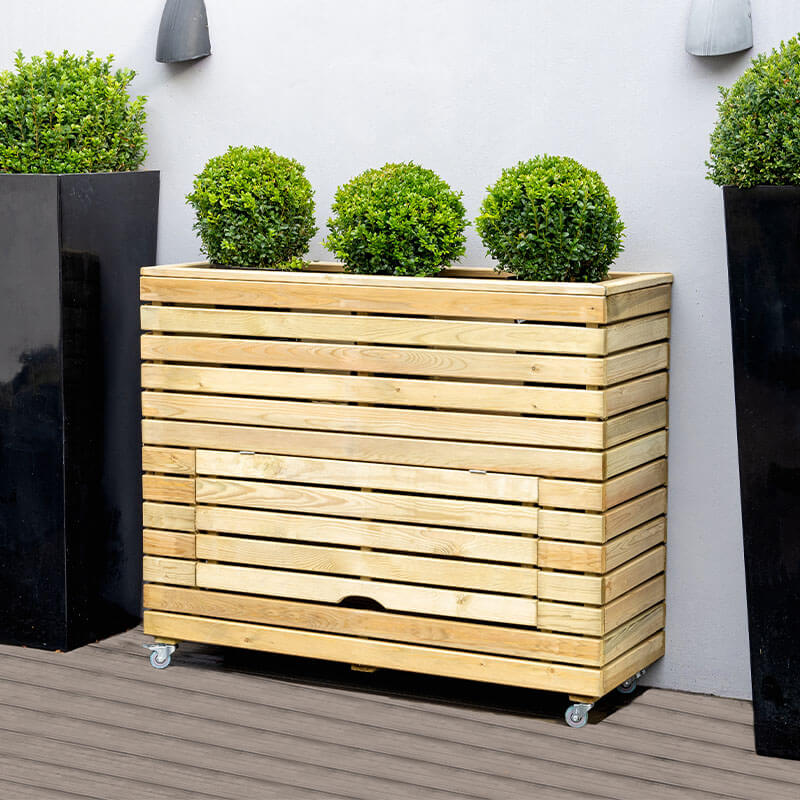
21% OFF: 3’11 x 1’4 Forest Linear Tall Wooden Garden Planter with Storage and Wheels (1.2m x 0.4m) £227.9921%
-
22% OFF: 3’11 x 1’4 Forest Linear Tall Wooden Garden Planter with Storage (1.2m x 0.4m) £232.9922%

-
20% OFF: Forest Venice Wooden Garden Planter 6′ x 2′ (1.8m x 0.5m) £269.9920%

Discover the enchanting world of forest gardening, where biodiversity meets sustainability. This ancient practice transforms your garden into a self-sustaining ecosystem.
Popular products in this range
Unveiling the Layers: The Art of Forest Gardening
Forest gardens are structured in layers, mimicking natural forests. From towering trees to ground cover plants, each layer plays a crucial role. The canopy layer, often composed of fruit and nut trees, provides shade and shelter. Beneath it, the shrub layer offers berries and medicinal plants. The herbaceous layer features culinary and medicinal herbs, while the rhizosphere, or root layer, includes tubers and nitrogen-fixing plants. Finally, the ground cover and vertical layers ensure every inch of space contributes to the ecosystem.
Species Selection: Diversity is Key
Choosing the right species is essential for a thriving forest garden. Opt for native species to enhance local biodiversity. Consider the following:
- Fruit Trees: Apple, pear, and cherry trees provide delicious produce and habitat for wildlife.
- Nitrogen Fixers: Plants like alder and clover enrich the soil naturally.
- Medicinal Plants: Echinacea and chamomile offer healing properties.
- Ground Covers: Comfrey and creeping thyme suppress weeds and conserve moisture.
Benefits of Forest Gardening: Beyond the Harvest
Forest gardening offers numerous benefits beyond food production. It promotes soil health through natural composting and nutrient cycling. The diversity of plants attracts a wide range of beneficial insects and pollinators, creating a balanced ecosystem. Additionally, forest gardens require less maintenance and are more resilient to pests and diseases compared to traditional gardens.
Designing Your Forest Garden: Tips for Success
Start by observing your site’s natural conditions, such as sunlight, soil type, and water availability. Plan your garden layout by considering plant compatibility and their mature sizes. Incorporate perennial plants to reduce the need for replanting and to maintain soil structure. Remember to include pathways for easy access and to prevent soil compaction. Mulching is essential to retain moisture and suppress weeds.
Challenges and Solutions: Navigating the Forest Garden Path
While forest gardening is rewarding, it comes with challenges. One common issue is overplanting, which can lead to competition for resources. To combat this, ensure adequate spacing and light penetration. Another challenge is managing biodiversity; introducing too many species at once can overwhelm the system. Gradually introduce new plants and monitor their impact. Pests can also pose a problem, but encouraging natural predators can help maintain balance.
Exploring the Future: The Evolution of Forest Gardens
As interest in sustainable practices grows, forest gardens are evolving. They are becoming integral to urban planning and community projects, showcasing their adaptability. The integration of technology, such as remote sensing and data analysis, is enhancing garden management and productivity. Forest gardens are not only a nod to the past but a vision for a sustainable future.
Start your journey into the world of forest gardening and transform your space into a thriving, self-sustaining ecosystem that benefits both you and the environment.
“`
If you need further expansion or more specific sections, feel free to ask!