
Fencing with Dome Roof - Best Deals in UK!
Showing all 2 results
-
34% OFF: Forest 6′ x 6′ Pressure Treated Decorative Domed Top Fence Panel (1.8m x 1.8m) £64.9934%

-
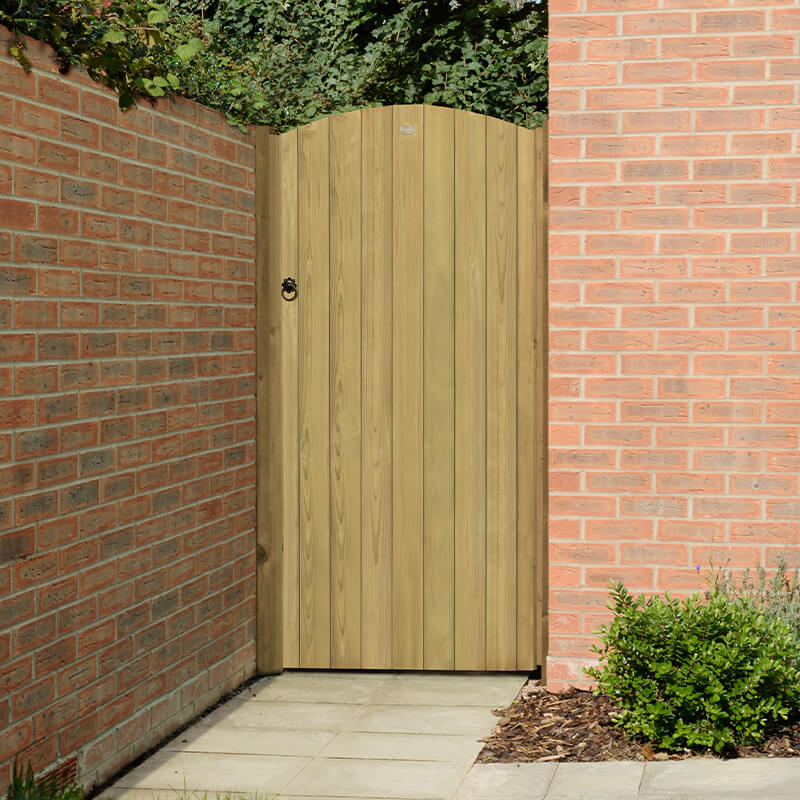
30% OFF: 1.8m x 0.9m Forest Heavy Duty Tongue and Groove Gate £104.9930%

Dome roof fencing brings a softer skyline to garden boundaries, mixing privacy, decorative shape and practical enclosure for courtyards, paths and planting areas.
A rounded line that changes the whole boundary
Fencing with a dome roof stands out because the top edge is not flat, but shaped in a gentle curve or rounded arch. That small change makes a big visual difference. Instead of a hard stop at the top of the panel, the eye moves upwards in a softer line, which can make a garden feel more considered and less boxed in. It is a style that suits both traditional and more modern outdoor spaces, depending on the material, slat pattern and overall height.
This category is especially useful when you want a fence that does more than mark a boundary. A dome top can turn a plain run of fencing into a feature, adding rhythm along a border or giving a more finished look around a front garden, patio edge or side return. It can also help tall fencing feel less heavy, because the curved top breaks up the straight line.
Forms that give the dome its character
Not every domed fence looks the same. The shape can be quite subtle or more pronounced, and that changes both the style and the effect. In this category, you may see different dome roof forms that suit different jobs.
Bestseller der Kategorie Fencing with Dome Roof

These shapes are not only about looks. The curve can subtly change how the fence sits in the landscape, especially where paths, planting beds or changes in level are involved. A flatter dome feels restrained; a deeper one makes more of a statement. That difference matters when you are matching the fence to the rest of the garden.
Materials and finishes that suit a curved top
The dome shape works across several fencing styles, but each material gives it a different mood. Timber fencing with a dome roof feels warm and natural, and it blends well with planting, gravel and soft landscaping. A painted or stained finish can help the curve stand out neatly, while a more rustic timber look gives the boundary a softer, cottage feel.
Metal fencing with a domed top often feels slimmer and more architectural. It is useful where you want the boundary to look open yet defined. The curve can be used on simple vertical bars, panel frames or decorative inserts, and the result is usually more formal than timber. For gardens that need a clear edge without a bulky appearance, metal can be a good fit.
Composite fencing, where available in curved or decorative panel forms, can give a cleaner, more uniform look. It tends to suit contemporary gardens where straight lines are balanced by the dome shape at the top. The finish is often neat and consistent, which is handy if you are creating a tidy boundary around a terrace or new build plot.
Why buyers choose a dome roof over a flat top
The choice between a flat top and a dome roof is often about more than style. A flat panel can look sharp and simple, but a dome adds a sense of softness and design. That can be useful in gardens where you want fencing to frame the space rather than dominate it.
One practical difference is how a domed fence handles visual height. The centre point of the curve draws the eye up, yet the falling edges help the panel feel less severe. This is helpful if you need a fence for screening but do not want it to read like a wall. It can make a boundary seem lighter from a distance, even when the actual height is similar.
Another advantage is the way a dome can echo other shapes in the garden. It may sit well beside arched gates, curved paths, round planting beds or topiary. When those elements work together, the whole space feels more joined up. A straight top has its place, of course, but a dome roof gives you a chance to add a bit of movement without going over the top.
Privacy, light and the balance in between
One reason dome roof fencing gets attention is the balance it can strike between screening and openness. A solid domed panel gives privacy while still looking less blocky than a rectangular one. If the upper section includes trellis or spacing, then the fence can filter views rather than blocking them completely.
This difference matters in a lot of garden settings. In a side return, you may want more enclosure but not a heavy feeling overhead. Around a sitting area, you might want enough screening for comfort, but still prefer the space to feel airy. Along a front boundary, a domed profile can soften the view from the street without making the garden look closed in.
There is also a subtle light effect. A fence with a curved top can let the sky feel a little more present, especially when compared with a straight-topped run of high panels. That does not mean it offers less boundary definition. It simply gives the space a less rigid outline, which many buyers find more pleasant to live with day to day.
Decorative details that make a panel feel finished
Dome roof fencing often works best when the details are kept consistent. The curve at the top can be matched with shaped posts, framed edges or neatly aligned slats. Even a simple panel can look more intentional when the top line is echoed in the layout below.
Some versions lean towards classic garden fencing, with vertical boards and a gentle arch. Others use horizontal or mixed slats, which can make the dome feel more modern. There are also designs where the top section includes open lattice or trellis work, giving a lighter finish while keeping the dome clearly visible. That is useful if you want the fence to support climbers or simply avoid a solid block effect.
Where the curve is quite pronounced, it can create a focal point at gate entrances, seating zones or the end of a border run. Where the curve is slight, it works more like a quiet detail that improves the line without becoming the main feature. Both approaches have their place, and the best one depends on how much emphasis you want the fencing to carry.
Where the shape works best in the garden
Fencing with a dome roof is versatile, but it shines in certain settings. It suits front gardens where kerb appeal matters, because the rounded line feels less severe than a square edge. It also works well in courtyards and smaller urban gardens, where every visual detail counts and hard edges can feel a bit too blunt.
For patio boundaries, the curved top helps a fence sit beside seating areas without looking too imposing. It can also be a neat choice for dividing different zones in the garden, such as a dining corner and a planting section. Because the top line has movement, it draws attention without needing extra ornament.
In traditional gardens, the dome shape can sit naturally with planting and softer landscaping. In modern spaces, it can be used to break up an otherwise strict layout, adding a touch of character. It is a small design move, but it can change how the whole space reads.
Choosing the right type for the job
The right dome roof fence depends on what you need it to do. If the main aim is screening, look for a solid panel with a curved top and a height that matches the area. If you want something lighter, a trellis-topped dome may be more suitable, as it lets the structure breathe a bit more.
If the fence is for a boundary that also needs to feel welcoming, a softer arch is often better than a sharp dome. If you want a clearer decorative feature, a deeper curve can add more presence. For spaces that need a clean, formal edge, metal styles with slim bars and a dome frame can work well. For warmer, more relaxed gardens, timber is usually the easier fit.
It is also worth thinking about how the top profile aligns with the rest of your garden lines. A dome roof can work with stepping levels, but it can also highlight uneven ground if the run is not planned carefully. This does not make it difficult, just something to check before buying.
Small buying tips that make a real difference
When looking at this category, measure not just the width of the run, but the overall visual height once the dome is included. A rounded top can make the fence appear taller in the centre, so it is best to check how that will sit against nearby structures, windows or planting.
Also think about the top finish in relation to gates and corners. A dome roof looks best when the line feels deliberate, not like it was added as an afterthought. Matching the curve across adjoining panels can help the whole boundary feel sorted. If the garden has several levels, a repeated dome shape can be used to keep the run visually steady as it steps along.
Another useful point is the level of detail below the top. A plain lower section keeps things calm, while a slatted or framed design gives more character. If you are trying to balance privacy and style, this is where the difference often shows. Buyers sometimes focus only on the curve, but the body of the panel matters just as much.
What sets this category apart from standard fencing
Standard fencing usually relies on straight edges and simple repetition. Dome roof fencing still gives you structure, but it adds a more shaped outline. That makes it suitable for buyers who want something that feels a bit more tailored without moving into ornate garden features.
The main differences are in the top line, the sense of softness, and the way the fence interacts with the rest of the garden. A straight fence can feel practical and direct. A domed one often feels more thoughtful, especially when used in a space where the boundary is visible from inside the house or from a seating area. It can be a small detail, but it changes the mood.
For people comparing options, the question is often whether they want the fence to disappear into the background or act as part of the design. Dome roof fencing sits somewhere in the middle. It does its job as a boundary, yet it still gives the eye something pleasing to follow. That is why it often ends up being the choice for gardens that need both function and a bit of shape.
The kind of boundary people remember
A well-chosen domed fence can make a garden feel more complete. It frames planting, sets off paths and gives edges a softer ending. The shape can be quiet or noticeable, plain or decorative, but it always brings a little more character than a flat top. For buyers who want their fence to do more than stand there, this category offers a neat balance of form, privacy and visual appeal.
It is a practical choice, yes, but it also has personality. That is often what makes people keep looking at dome roof fencing when they want the boundary to look considered from the first glance, and still feel right from the kitchen window months later.
[Sassy_Social_Share]