
Fencing under £100 - Best Deals in UK!
Showing 25–36 of 45 results
-
34% OFF: Forest 6′ x 6′ Pressure Treated Decorative Domed Top Fence Panel (1.8m x 1.8m) £64.9934%

-
33% OFF: Forest 6′ x 4′ Europa Plain Pressure Treated Decorative Fence Panel (1.8m x 1.2m) £59.9933%

-
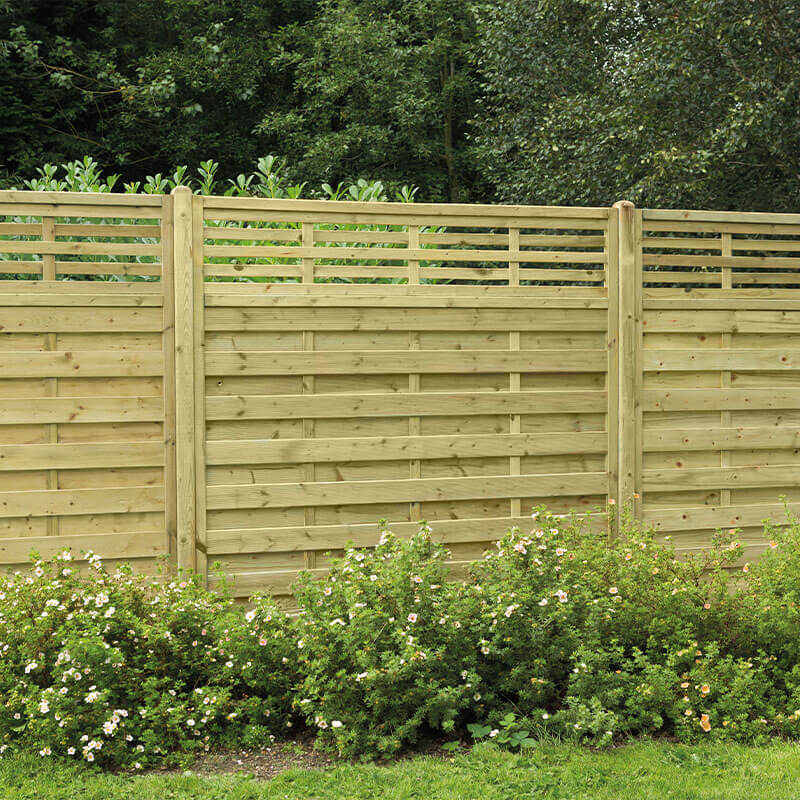
31% OFF: Forest 6′ x 6′ Kyoto Decorative Fence Panel (1.8m x 1.8m) £73.9931%
-
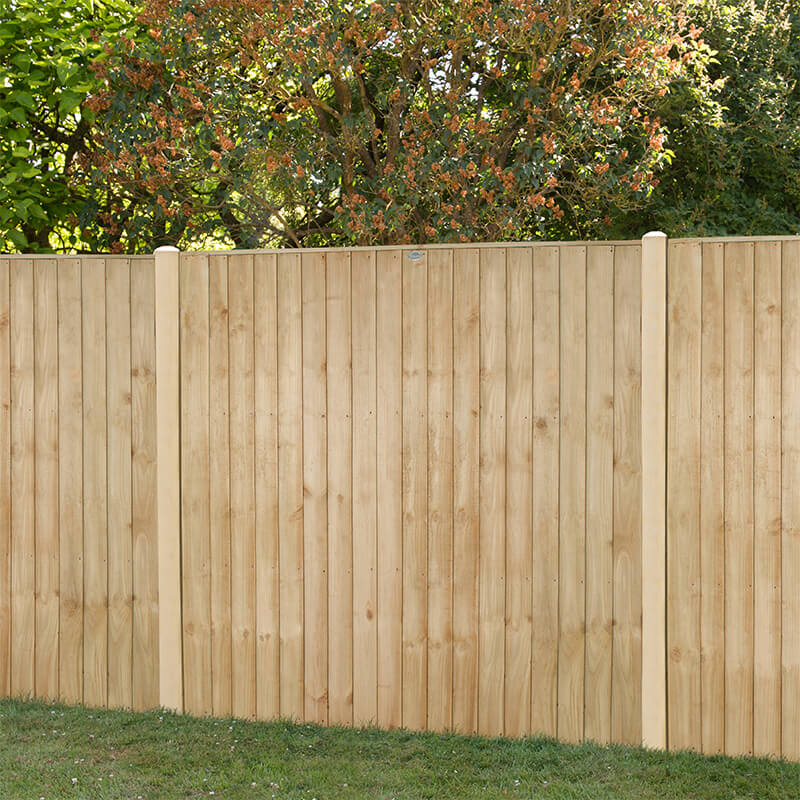
30% OFF: Forest 6′ x 5’6 Pressure Treated Vertical Closeboard Fence Panel (1.83m x 1.69m) £61.9930%

-
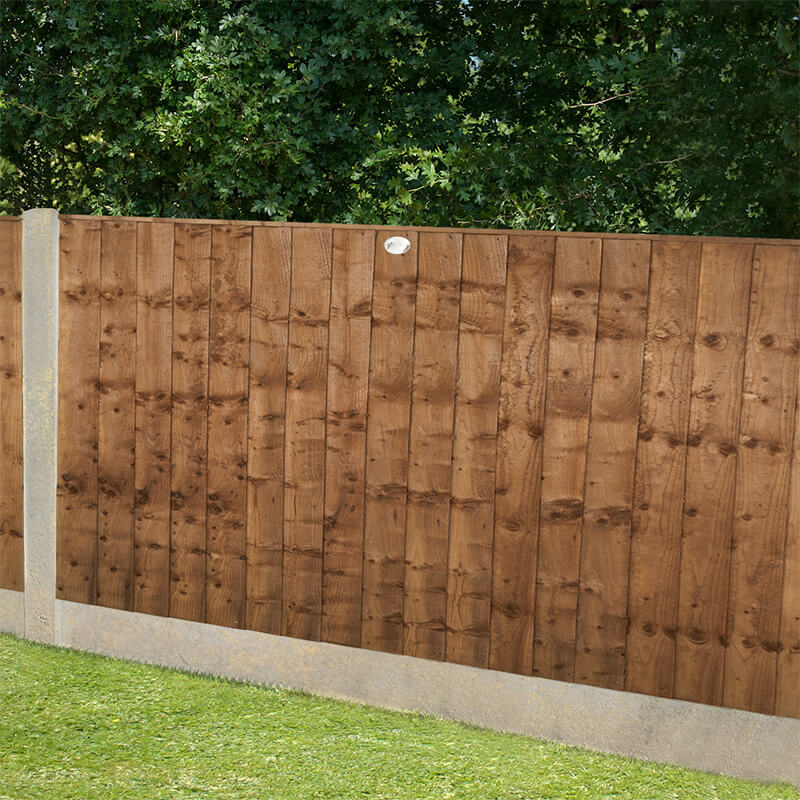
30% OFF: Forest 6′ x 6′ Brown Pressure Treated Vertical Closeboard Fence Panel (1.83m x 1.85m) £61.9930%

-
29% OFF: Forest 6′ x 3′ Pressure Treated Contemporary Slatted Fence Panel (1.8m x 0.9m) £69.9929%

-
27% OFF: Forest 6′ x 4′ Pressure Treated Contemporary Slatted Fence Panel (1.8m x 1.2m) £79.9927%

-
27% OFF: Forest 6′ x 5′ Kyoto Decorative Fence Panel (1.8m x 1.5m) £79.9927%

-
24% OFF: Forest 6′ x 5′ Pressure Treated Vertical Closeboard Fence Panel (1.83m x 1.52m) £59.9924%

-
24% OFF: Forest 6′ x 6′ Vertical Closeboard Fence Panel (1.83m x 1.85m) £59.9924%

-
24% OFF: Forest 6′ x 3′ Pressure Treated Contemporary Double Slatted Fence Panel (1.8m x 0.91m) £89.9924%

-
23% OFF: Forest 6′ x 4′ Vertical Closeboard Fence Panel (1.83m x 1.22m) £52.9923%

Fencing under £100 covers practical garden boundaries, neat low panels, decorative screens and simple boundary fixes that keep costs in check without losing style or shape.
What under-£100 fencing can actually do in a garden
When people search for fencing under £100, they are usually looking for a clear mix of privacy, border definition and value for money. In this price range, you are often choosing between smaller panels, lighter-duty materials, or decorative sections rather than heavy, full-height perimeter runs. That can be a smart move if the aim is to tidy a front garden, mark a side boundary, break up an open patch, or add a little screening without taking over the whole space.
The real appeal is choice. Under £100 can buy a simple section that does one job well, or a more decorative piece that changes the look of a border straight away. Some buyers want a straight, tidy line. Others want a softer feel with woven texture or slatted detail. The budget does not always mean compromise; sometimes it means choosing the right type of fencing for the job instead of paying for features that are not needed.
Panel styles that suit a tighter budget
One of the most common options in this category is the timber fence panel. These can range from plain, closeboard-style looks to lighter decorative designs. On a budget, the key difference is usually between solid panels, which give more visual cover, and open or semi-open panels, which feel less heavy and can suit smaller gardens better.
Bestseller der Kategorie Fencing under £100

Lattice-top or trellis-top panels are another favourite for buyers who want a little lift without fully blocking the view. They work well where a solid fence might feel too enclosed. The open top section keeps the line from looking too blunt, and it can make a short run look more finished. For many gardens, that bit of detail makes a big difference, even when the overall spend stays modest.
Lap panels are also worth considering. They usually give a classic garden look, with overlapping boards that feel familiar and straightforward. Compared with more decorative styles, lap panels often sit at the practical end of the market. They are a common pick for side boundaries, back-garden divisions, or replacing a tired section where the main goal is to restore order rather than create a feature.
Open, solid and somewhere in between
The shape of the fence changes the feel of the space just as much as the material. A solid fence is useful where privacy matters most, but it can create a heavier look. A semi-open fence, such as a picket style or a panel with gaps, lets light pass through and keeps the garden feeling a bit broader. That matters in smaller plots, where a large solid barrier can make the area feel tighter than it needs to be.
Open fencing is often chosen for front gardens, paths and borders where you want a boundary without a closed-in effect. It can also be better if the fence is there to guide rather than to hide. By contrast, solid options are more about defining space and screening views. Neither is better in every case; the right choice depends on whether the fence is meant to be noticed or to sit quietly in the background.
- Solid panels – stronger visual privacy, cleaner boundary line, more enclosed feel
- Semi-open panels – lighter appearance, less boxy, useful for mixed privacy and style
- Open designs – decorative and airy, good for front areas and low borders
Decorative fencing when the budget still matters
Not every fence in this price band needs to be plain. Decorative styles can offer a lot of impact, especially if the area being fenced is small. Picket fencing gives a neat, traditional edge and works particularly well in front gardens or around flower beds. It suggests a boundary without looking stern.
Willow screening and similar woven looks bring a softer, more natural finish. They can suit cottage-style gardens, relaxed planting schemes, or spaces where a rigid panel feels too formal. The texture is part of the point here; it adds character, and it tends to sit comfortably against planting and gravel.
Woven or slatted screens can also be useful when the fence is acting as a backdrop. These styles are often chosen for their pattern as much as for their boundary function. A slatted design can look tidy and modern, while woven finishes have a more rustic, handmade feel. The difference is not only visual. Slatted options often appear sharper and more structured, while woven ones feel less rigid and more organic.
Heights and shapes that change the result
Under £100 fencing is often about picking a sensible size. Lower panels can create a border without swallowing the garden, while taller sections are better when you need a stronger screen. In a budget category, the shape matters too. Straight vertical boards give a more formal line, while curved tops, arched details or trellis edging soften the overall look.
A low fence is usually best if the aim is to separate areas rather than block them. It can guide movement, frame beds or mark the edge of a patio. A mid-height panel gives more cover and is often the sweet spot for buyers who want some privacy but not a complete wall. Taller pieces may still appear in this category if the section is shorter, but the main decision is usually between reach and openness.
It also helps to think about straight runs versus corner turns. A clean, straight boundary feels orderly and simple. A shorter decorative section used at a turn, gap or entrance can work as a visual pause. That is useful where a full fence run is not needed, or where the budget is better spent on a few visible points instead of one long stretch.
Material differences that buyers notice fast
In this price range, material choice tends to shape both the look and the feel of the fence. Timber fencing is still the most familiar option, and it suits many garden styles because it can be plain, rustic or decorative. It often feels natural beside plants and lawn areas, and it gives a classic boundary line that many buyers recognise at once.
Composite fencing may appear in some budget searches, though not always in large sections under £100. When it does, the attraction is often the cleaner, more consistent appearance. It tends to suit buyers who want a neat, modern line rather than a traditional wooden texture. The visual difference is clear: timber feels warm and natural, while composite usually reads as more uniform.
Metal edging or short metal fence sections can also sit within this category, especially for smaller decorative purposes. These are often chosen where definition matters more than privacy. Their main advantage is the crisp shape they bring to paths, beds or borders. They feel lighter than solid timber and can make a garden look more structured without adding bulk.
Where each fencing type fits best
Different fence types suit different parts of a garden, and that is where a careful budget can go further. Front gardens often suit low picket or open designs, because they keep the view friendly and avoid making the entrance feel closed off. Side boundaries tend to need more coverage, so lap panels or solid timber sections are common choices.
Courtyard gardens and smaller patios often benefit from fencing that does not crowd the space. A trellis-top panel or a slatted screen can provide shape while still allowing light and air to move through. If the area already has strong planting or hard landscaping, the fence can work as a calm background rather than the main feature.
Raised beds, bin screens and awkward corners are another place where under-£100 fencing makes sense. A small section can tidy an area that would otherwise look unfinished. This is often where decorative fencing feels especially useful, because the eye goes straight to those small fixes and notices when they are handled well.
- Front gardens – picket, low open fencing, decorative edging
- Side runs – lap panels, solid timber, mid-height sections
- Patios and courtyards – slatted screens, trellis-top panels, lighter designs
- Beds and corners – small boundary pieces, short decorative runs, neat edging
What makes one budget fence feel better than another
Two fences can sit in the same price band and still feel quite different. One may offer a cleaner finish, while another relies on texture or shape. The difference is often in the board spacing, top profile, or the way the fence handles light. A close, solid design gives more cover but can feel heavier. A lighter frame with gaps or slats can appear more refined, especially in a smaller garden.
Another point is how the fence connects with the rest of the garden. A plain panel can be improved by the right setting, but a decorative finish may already provide enough interest on its own. Some buyers prefer a fence that blends in quietly, while others want the boundary to look like part of the garden design. Neither approach is wrong. The best choice is the one that matches the amount of attention you want the fence to draw.
In practical terms, a budget fence should still look intentional. Even a simple section can feel thoughtful if the style suits the space, the height fits the purpose, and the line is consistent. That is usually what separates a quick fix from a purchase that feels like money well spent.
Useful tips before choosing
Before buying, it helps to be clear about the main job the fence is meant to do. If the goal is privacy, choose a denser panel or a taller section. If the goal is definition, a lighter or lower design may be enough. If the aim is to add style on a budget, decorative top sections, woven textures or picket forms can create more effect than a plain board run.
It is also worth thinking in short sections rather than one big stretch. Under £100 often goes further when used in the right place, such as a visible front edge, a seating area, or a boundary that has become a focal point. A small but well-chosen fence can improve the whole feel of a garden if it solves the right problem.
Another useful point is to match the fence to the shape of the space. Straight, simple lines work well in narrow areas. Softer shapes can suit curved borders or informal planting. If the garden already has strong lines from paving, decking or raised beds, a fence with matching geometry usually feels more settled. If the space is full of planting, a softer finish may sit more naturally.
Why this category keeps drawing attention
Fencing under £100 appeals because it offers a way to make a visible change without turning it into a major project. Buyers can improve privacy, tidy a boundary, soften a view or add a decorative edge without moving into a higher spend. That makes it a practical category for small gardens, first homes, quick updates and side areas that need attention but not a full rebuild.
It also gives room to choose by style, not just by cost. Some people want a classic timber look. Others want an open, airy border. Some need a plain panel that disappears into the background. Others want a fence with enough character to stand on its own. The range of shapes, heights and finishes means the budget can be aimed at the exact part of the garden that needs it most.
For buyers comparing options, the useful question is not only “What is cheapest?” but “What does this section do for the space?” A fence under £100 can define a path, finish off a border, screen a corner or change the mood of a small area in one move. That is why these pieces are often chosen quickly and kept for a long time: they solve a clear job, and they do it without fuss.
[Sassy_Social_Share]