
double garages 60 sq ft / 6 m² - Best Deals in UK!
Showing the single result

Double garages in the 60 sq ft / 6 m² size range offer a compact, space-conscious way to create double-width storage, neat vehicle shelter, and a tidy garden edge — with different roof styles, door layouts, and timber or metal finishes to suit tight plots.
Compact by size, practical by design
A double garage in this category is about making the most of a modest footprint. With roughly 60 sq ft / 6 m² to work with, the appeal lies in the shape and layout rather than sheer scale. That means buyers often look for a structure that feels open, easy to access, and simple to place beside a house, along a driveway, or within a narrow garden run.
What makes these compact double garages interesting is the balance between width and useful internal space. In a smaller footprint, every detail matters: the door opening, wall thickness, roof pitch, and whether the form is straight-edged or slightly more rounded. For many people, the aim is not just shelter, but a cleaner way to organise the plot without it feeling crowded.
Different forms that change the whole feel
Even in a small category, double garages can vary a lot in shape. The differences are not only visual; they affect how the structure sits in the garden and how easy it is to use day to day.
Bestseller der Kategorie double garages 60 sq ft / 6 m²
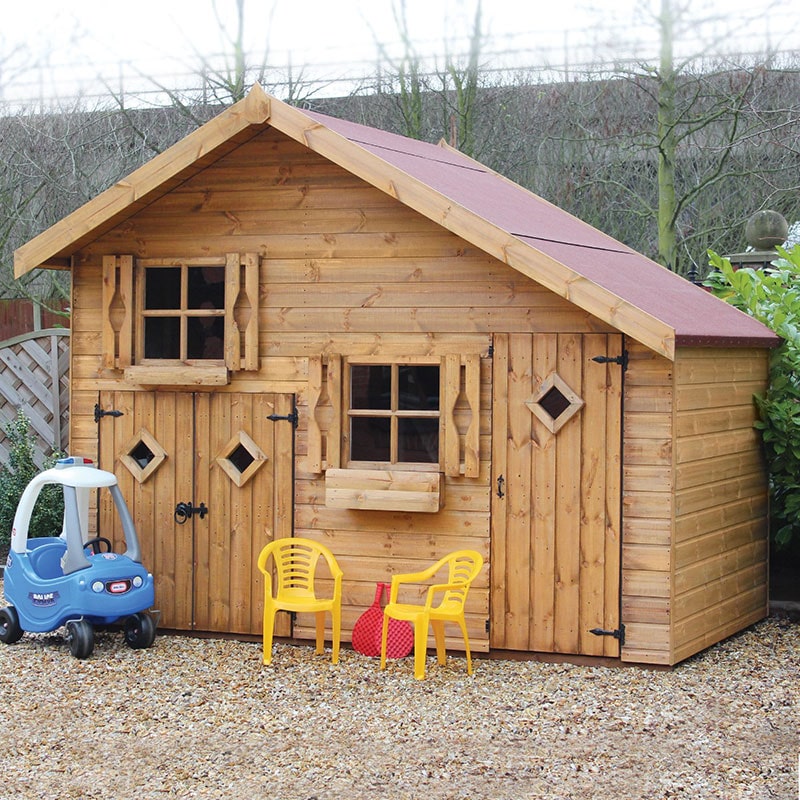
- Flat-roof double garages suit tighter settings and usually keep the profile low, which can help where height is restricted or where a discreet look matters.
- Gable-roof designs add a more traditional garage feel and can give the building a stronger presence, even when the footprint is compact.
- Hip-roof styles feel more enclosed and can blend nicely with softer garden layouts, especially where the garage should not dominate the view.
- Pent-roof variants are useful when one side of the site needs a lower edge, such as near fencing or a boundary line.
- Corner-sited forms work well where the plot is awkwardly shaped and a standard rectangle would waste space.
These forms may look similar at a glance, but the silhouette changes the practical outcome. A flat roof can look neat and understated, while a pitched roof often feels more substantial. That small difference can matter if the garage is visible from the road or sits next to planting, paving, or a side return.
Single-door, double-door, side-entry: the layout tells the story
The way a garage opens has a big impact on how usable it feels. In this size range, the door arrangement is often one of the first things buyers compare.
- Wide double-door front access gives a clear, open entrance and makes moving larger items less fiddly.
- Split-door layouts can help keep one side closed while the other is used, which suits partial storage or regular access.
- Side-entry designs are handy when the front face needs to stay visually tidy or when the garage sits close to a boundary.
- Low-opening formats work better where the structure is being used for compact storage rather than full-height access.
For buyers, the main difference is convenience. A double-width opening feels less cramped when you need to move something bulky, but a split layout can be more practical if the garage is used every day. It is often a case of deciding whether you want fast access, tidy appearance, or flexibility from the same structure.
Why people choose this category in the first place
There are a few clear reasons why compact double garages keep attracting interest. First, they create a defined storage zone instead of leaving tools, bikes, or outdoor gear spread around the plot. Second, they can help the garden look more finished, because a well-proportioned garage feels like part of the layout rather than an afterthought.
They also make sense where space is tight but the owner still wants the idea of a double-width shelter. That can mean room for two smaller items side by side, or a mix of one larger item with extra storage alongside it. In a modest footprint, buyers often appreciate structures that feel more organised than a single-box solution.
Another plus is visual order. A compact double garage can define a service area at the edge of the garden, leaving the rest of the space free for planting, seating, or lawn. That separation is useful if you prefer the practical parts of the garden to stay out of sight.
Timber, metal and mixed looks: the material difference
Material choice changes the feel of a garage quite a bit. In this category, the main options usually come down to timber, metal, or a look that combines practical panels with a more traditional outer finish.
- Timber double garages bring a warmer, more natural appearance and often suit gardens with planting, sleeper edging, or traditional paving.
- Metal versions usually look more functional and can suit modern plots where a clean, industrial feel is preferred.
- Mixed-material designs offer a balance between character and straightforward structure, which can be useful where the garage needs to sit quietly in the background.
The difference is not only cosmetic. Timber tends to soften the visual impact, while metal can appear crisper and more straightforward. In a small footprint, this matters because a compact structure can easily look too heavy or too plain if the material does not suit the surrounding garden.
Side-by-side use, split use, or storage-first?
A double garage in a smaller size band is often chosen for a specific kind of use. Some buyers want side-by-side space. Others want a structure that is really about storage, with one part reserved for larger items and the other for smaller kit.
Side-by-side use works best when the internal width is the main priority. It allows a more orderly layout, especially if items need to be accessed often. Split use suits people who like one side to stay clear and the other to handle seasonal gear. A storage-first layout may be the most realistic choice when the footprint is compact, because it lets the structure do several jobs without trying to act bigger than it is.
This is one of the key differences in the category: some options feel open and easy to move around in, while others are better at keeping contents separated. If you know your habits before buying, it becomes much easier to choose the right shape and opening arrangement.
Little details that make a big practical difference
Because the footprint is modest, small design choices matter more than they would in a larger garage. Buyers often notice these points once they compare a few styles side by side.
- Roof pitch affects how tall the building feels and how much presence it has in the garden.
- Door width changes the sense of ease when bringing things in or out.
- Wall profile can make the garage appear slimmer or more solid.
- Corner shape, whether square or softly angled, affects how neatly the garage fits beside paths or borders.
- Window placement can alter the look from plain to more balanced, even if the opening is small.
These are the sort of details that people often overlook at first, then care about later. A garage that is a little easier to approach, a bit less bulky in appearance, or better aligned with the rest of the garden can feel like the better buy, even if the dimensions are similar.
When a smaller double garage feels like the smarter choice
A compact double garage is often the better fit when the plot is limited but the need for divided storage remains. It can suit long narrow gardens, side returns, or spaces where a full-sized outbuilding would take over the whole area. The attraction is not to have more than you need, but to have enough without wasting ground.
This category also appeals when you want the garage to sit quietly in the background. A smaller footprint can be less visually demanding, so the rest of the garden still feels usable. That may be useful if you have mature planting, a seating area, or a path network that you would rather not lose.
For some buyers, the decision comes down to keeping the site tidy. If a larger structure would feel clumsy or too dominant, a compact double garage can strike a more measured note. It gives the impression of purpose without overfilling the plot.
Useful tips before choosing one
It helps to think about the garage in relation to the rest of the garden, not just on its own. A few practical checks can make the decision much easier.
- Measure the clear access route as well as the footprint itself, so the structure does not feel awkward to approach.
- Check the door swing or opening direction if there is paving, planting, or fencing nearby.
- Match the roof line to the surrounding boundary height, so the garage looks settled rather than squeezed in.
- Decide whether the interior needs to feel open or divided before you pick a door layout.
- Think about visual weight; darker finishes can feel smaller, while lighter tones may look softer against greenery.
These are not dramatic decisions, but they change how satisfied people feel after the purchase. A compact garage that fits the site neatly tends to look better for longer because it seems like it belongs there. That simple sense of fit is often what turns a browsing visitor into a buyer.
What buyers notice when comparing styles
People comparing double garages in this size range usually weigh up three things: appearance, access, and how the space will be divided. If one garage looks tidy but feels awkward to use, it often loses out. If another feels practical but looks too heavy, that can be a problem too.
That is why this category works best when it offers a clear choice between forms. A pitched roof may feel more established, while a low roofline may be better where the garden needs to stay open. A wide front opening may suit frequent access, while a side-entry option can keep the front face more orderly. These differences are not huge on paper, but in a small footprint they matter quite a lot.
Buying a compact double garage is often about getting the balance right. The best choice tends to be the one that feels calm, proportionate, and easy to live with. It should not shout for attention, but it should still look intentional.
A tidy finish that makes the garden work harder
One of the strongest reasons to choose this category is the way it helps the whole plot feel more organised. A double garage, even in compact form, can create a clear line between active and quiet areas of the garden. That can make the outside space easier to use, especially where storage items would otherwise spill into the main part of the plot.
It also gives a sense of structure to the landscape. Paths, borders, fences, and paving often feel more settled when there is a defined building nearby. In that sense, the garage is doing more than simply holding things. It is shaping the garden around it.
If you are comparing options, it is worth looking at the overall effect as much as the measurements. A design that fits the site, supports the way you use the garden, and keeps the look neat often ends up being the more satisfying choice. In a category this compact, that kind of balance counts for a lot.
[Sassy_Social_Share]