
double garages 50 sq ft / 5 m² - Best Deals in UK!
Showing all 3 results
-
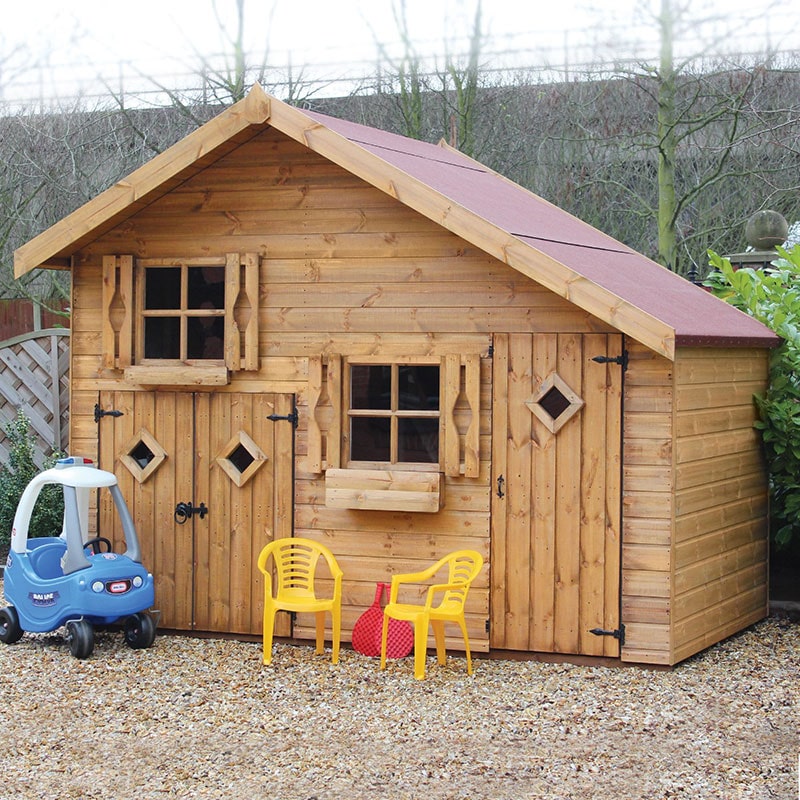
12% OFF: 5′ x 10′ Traditional 2 Storey Kids Wooden Playhouse with Garage (1.51×3.05m) £1,919.0012%

-
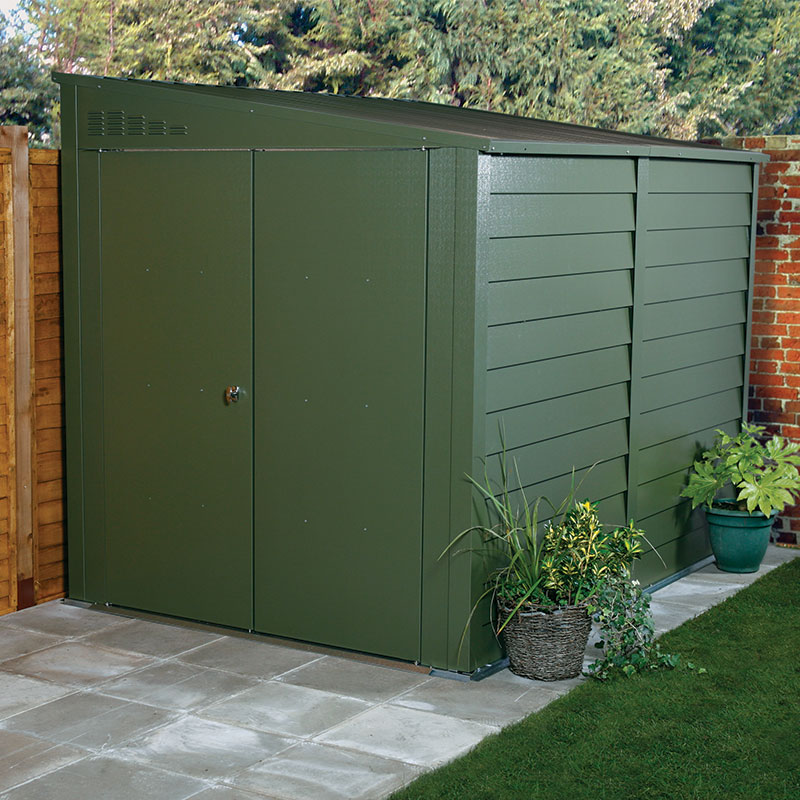
11% OFF: 8’8 x 6′ Trimetals MCG960 Premium Motorcycle Metal Garage – Security Storage (2.65m x 1.83m) £1,789.0011%

-
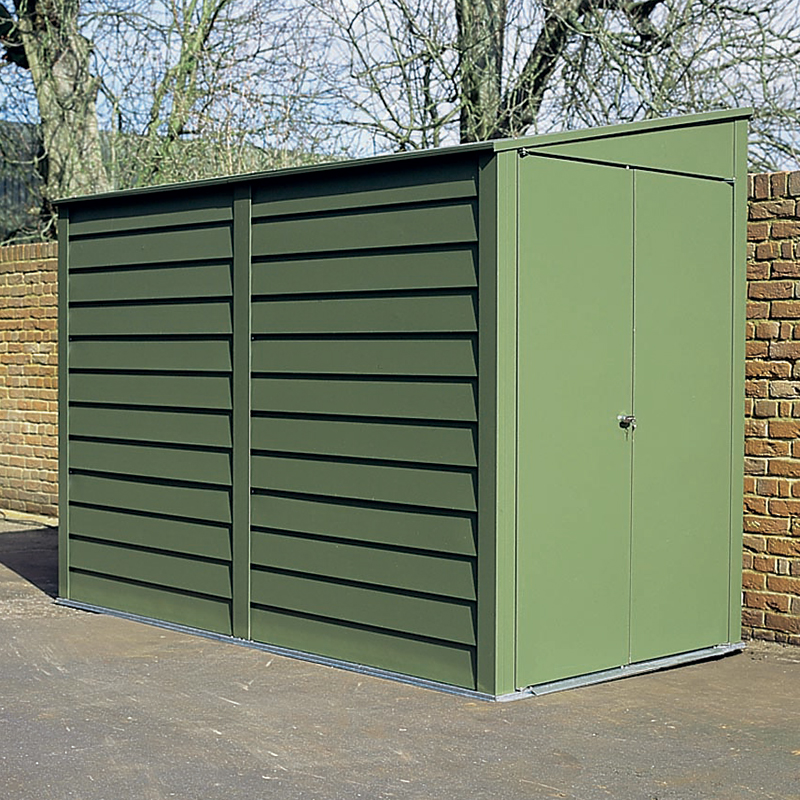
11% OFF: 9’x6′ (2.7×1.8m) Trimetals ‘Protect a Bike’ Secure Garden Storage £1,949.0011%

Double garages in the 50 sq ft / 5 m² range suit compact storage, twin-door access and tight plots, with space-efficient layouts for bikes, tools, bins and garden kit.
Small footprint, double-door feel
When a double garage is listed around 50 sq ft / 5 m², you are usually looking at a very compact building with a broad opening or a split-door layout rather than a full car garage. That scale matters. It is not about parking two cars side by side; it is about getting the double-garage idea into a tiny footprint that still gives useful access, better organisation, and a cleaner look on a small plot. For garden buyers, that can make all the differance between a cramped corner and a tidy storage zone that feels planned rather than squeezed in.
The appeal is the combination of wide access and compact size. A single narrow shed door can be awkward when you are moving longer items, but a double opening gives a more comfortable route for wheelbarrows, mowers, folded furniture, stacks of pots, sacks of compost, or boxed seasonal items. In a small area, the opening often becomes the main selling point. It helps the structure feel more usable than a standard narrow-front shed of the same floor space.
What fits inside a 5 m² garage-style store?
At this size, the practical use is storage-first. Think garden tools, hand tools, hose reels, small machines, spare slabs, seed trays, outdoor cushions, or a pair of bikes if the shape allows it. Some buyers also use the space for bins and recycling, especially where they want them hidden from view but still close to the house. The point is not to pack the space full, but to choose a form that matches what you actually need to move in and out.
Bestseller der Kategorie double garages 50 sq ft / 5 m²
Shape matters as much as square footage. A square 5 m² layout gives more flexibility than a long, narrow one. A slightly deeper footprint can suit shelving along one wall with a central standing strip, while a wider front can make it easier to use the double opening properly. If the walls are straight and the roof line is simple, you get more honest internal space. If the design includes awkward corners or a steep internal roof drop, usable space can shrink quite quickly, even if the outside measurements look fine on paper.
Forms that suit tight garden plots
In the compact garage category, a few forms tend to make more sense than others:
- Side-by-side wide front layouts, where the opening takes up much of the face and makes access simple.
- Lean-to styles, which sit neatly against a wall, fence or boundary and reduce visual bulk.
- Rectangular box shapes, useful when every bit of floor space needs to work hard.
- Corner-friendly builds, where the structure is tucked into an unused angle of the garden.
- Double-door sheds with garage styling, which give the impression of a larger unit without increasing the footprint much.
The differences are worth noticing. A lean-to can feel less intrusive and often suits narrow gardens or side returns. A freestanding box shape is more adaptable, because it can be placed almost anywhere with a suitable base. A double-door front helps when the main problem is not storage volume but access. If you are shifting bulky items in and out often, the opening width becomes more important than an extra shelf or two inside.
Single access or double access: the real difference
One of the main choices in this category is whether you want a single-wide opening or a two-part double-door front. A single wide opening can feel more like a modern mini garage. It is neat, quick to use, and often simpler when moving awkward items. A two-part door set can be easier to open in small increments, which is handy if you are only reaching for one item and do not want to expose the whole interior every time.
The difference is not just visual. It affects how the space is used day to day. A wide opening is better for rapid loading, and it creates a more open feel when the structure is in use. Split doors can be more modest in operation and may suit sites where the building is close to a path, boundary, or neighbour-facing area. On a tiny footprint, the opening style really changes the whole experience.
Low ridge, apex, pent — and why roof shape matters
Roof form is another thing buyers should look at carefully. In small garage-style buildings, the roof is not just for looks. It changes how much headroom you get, how the unit sits in the garden, and how visible it is from nearby areas.
- Apex roofs give a classic garage outline and a little more central height.
- Pent roofs suit modern or space-limited settings, especially where the building needs to sit lower.
- Flat roof profiles create a very restrained shape and can work well where height is a concern.
An apex roof can help a compact unit feel less boxy, though the usable benefit depends on how steep the pitch is. A pent roof usually feels more restrained and may be a practical fit if you do not want the garage-style building to dominate a small garden. A flatter profile can be useful where planning limits or surrounding walls make height an issue, but it can also reduce the sense of volume. So the choice is partly about appearance and partly about how the structure sits in real space.
Materials that change the look and the feel
Even within the same size, materials change the character quite a lot. Timber gives a softer garden appearance and tends to blend with planting, fencing and other outdoor features. Metal usually looks more utilitarian, with crisp lines and a stronger industrial note. Plastic or resin-based finishes often lean towards low-fuss presentation and a cleaner surface. Each one brings a different mood, and that can matter when the garage is near a patio, lawn edge or kitchen window.
The material also affects how the building reads from a distance. Timber can feel warmer and more in keeping with a planted garden. Metal can look compact and purposeful, which suits a tight urban plot or a side access run. If the goal is to keep the structure visually light, a plain finish and simple geometry often work better than anything fussy. In this size bracket, less visual weight can be a real advantage.
Why compact double garages still make sense
It may seem odd to talk about a double garage at 5 m², but the value is in the concept rather than the full car-parking meaning. Buyers often want the double-width access, the broader front face, and the feeling that the unit can handle larger items with less bother. That is especially useful in gardens where storage is currently spread across a shed, bin store, and a few exposed corners. A single compact building can tidy all of that into one place.
There is also the visual benefit of a cleaner garden edge. Instead of several small bits of storage, one compact garage-style unit can create a more ordered line. If you are working with a modest plot, that can improve the whole layout. It may even make the rest of the garden feel bigger, because items are not scattered around the perimeter. That’s a practical gain, not just a cosmetic one.
Useful features buyers tend to compare
When choosing between compact garage-style structures, buyers usually compare more than just size. The useful details tend to be the ones that affect everyday access and internal use.
- Opening width — important for bikes, mowers and bins.
- Internal height — helps with shelves, hanging storage and headroom.
- Wall shape — straight sides give more practical placement options.
- Door position — centred or offset fronts change the inside flow.
- Profile — low, pitched or boxy forms alter how the structure sits in the garden.
- Finish colour — lighter tones can make a small unit feel less heavy.
These details sound minor until you compare two otherwise similar structures. A few centimetres of extra opening can save a lot of fumbling. A roof with better internal clearance can make shelves actually usable rather than just theoretical. And a front that is visually balanced can make the whole garden feel less cluttered. For small-footprint buying, the fine print really does matter.
Best-fit uses: when this size earns its place
A 50 sq ft / 5 m² garage-style unit is best matched to users who need compact, contained storage rather than a large enclosed workspace. It suits people who want quick access to items that would otherwise live outdoors or in the house. It is also a neat option for homes where the garden has no room for a larger shed, or where a more garage-like appearance is preferred over a standard box shed.
Different households use the space in different ways. For one buyer, it is a dedicated home for bikes and helmets. For another, it is a clean place for garden machinery and off-season items. For someone else, the appeal is keeping bins hidden but reachable. That flexibility is part of the category’s strength. The same footprint can solve different problems if the layout is chosen well.
Buying with the layout in mind, not just the label
The term double garage can sound larger and more capable than the actual dimensions suggest, so it is worth reading the measurements properly. A 5 m² model is compact by any standard, and the smartest purchases are usually made by looking at the internal arrangement first. Ask yourself where the wide items will go, which side needs access first, and whether you need room to stand inside or simply reach in quickly.
It helps to sketch the expected contents before choosing. A pair of bikes may need a different width to a stack of long-handled tools. Bins may be easiest if the doors open fully and the depth is straightforward. Shelving works best when it does not cut into the opening route. None of this is glamorous, but it is the sort of thing that stops a small building from becoming annoying very quickly.
Why the compact version can still feel generous
There is something satisfying about a structure that uses its footprint well. In this size class, the best designs often feel more generous than expected because they avoid wasted corners, awkward braces, or overly decorative bits. A simple outline, a sensible opening and a clean interior layout can make a small garage-style unit feel properly useful. That is usually what buyers are after, even if they do not say it in those words.
When the proportions are right, a compact double garage-style store can look calm rather than crowded. It gives you a place for the things that do not belong in the open, while still respecting the limited scale of the garden. For many outdoor spaces, that balance is exactly the point: enough room to store what matters, enough order to keep the rest of the plot pleasant to use, and a shape that fits without shouting for attention.
[Sassy_Social_Share]