
double garages 45 sq ft / 4 m² - Best Deals in UK!
Showing all 2 results
-
16% OFF: 8’8 x 5’3 Trimetals MCG950 Premium Motorcycle Metal Garage- Security Storage (2.65m x 1.60m) £1,559.0016%

-
12% OFF: 9’x5′ (2.7×1.5m) Trimetals ‘Protect a Bike’ Secure Garden Storage £1,709.0012%

Double garages in 45 sq ft / 4 m² format are a compact choice for tight plots, with two-bay access, tidy lines and space for bikes, tools or a small vehicle setup.
Why the double-bay idea still matters in a small footprint
A double garage is usually thought of as a broad, two-opening structure, but in a compact category like 45 sq ft / 4 m², the appeal is more about layout than size. You are looking at a space that tries to do two jobs at once: keep items separated and keep access easy. That can mean a split interior for parking and storage, or a shared front with two distinct sections inside. For buyers with limited garden space, that kind of order matters more than plain floor area.
The main draw is the way a double garage can handle different uses without feeling muddled. One side can take a mower, garden hand tools or fold-up outdoor furniture, while the other stays clear for a vehicle, trailer parts or bulky boxes. Even in a modest footprint, that separation reduces the usual “pile it all in one corner” problem. It also makes it easier to see what you’ve got, which sounds simple, but saves a lot of faffing about later.
Forms that change how the space works
Not every double garage is arranged the same way, and that is where shoppers often find the useful differences. A side-by-side double garage gives two zones across the width, which suits people who want equal access on both sides. A tandem layout places one space behind the other, making a narrow plot easier to work with, though it changes how you move things in and out. Some buyers prefer a split-use form, where one bay is more open and the other is enclosed or shelved. That can be handy when storage needs are not evenly matched.
Bestseller der Kategorie double garages 45 sq ft / 4 m²
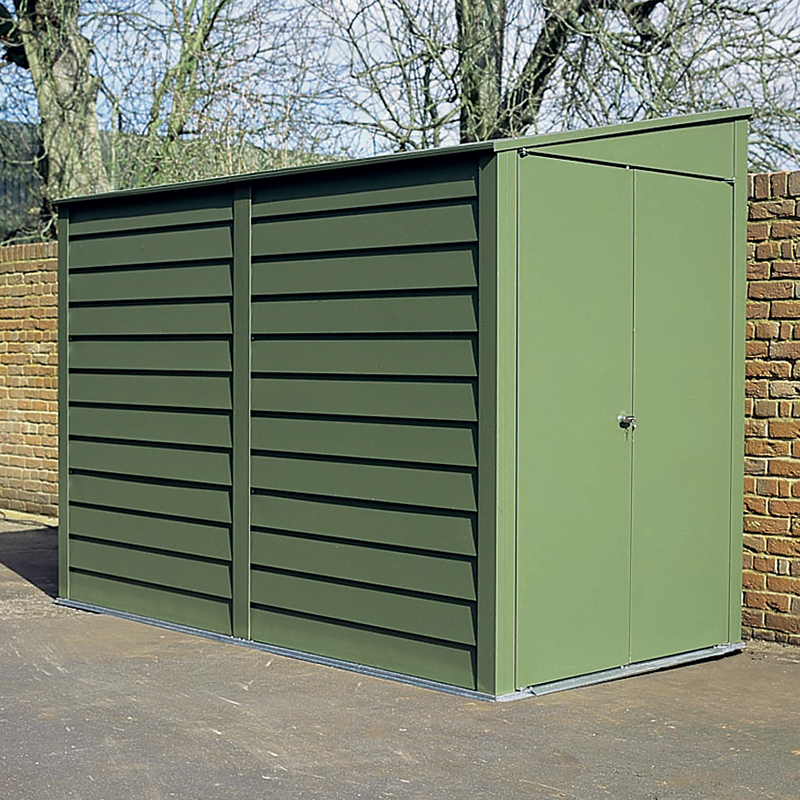
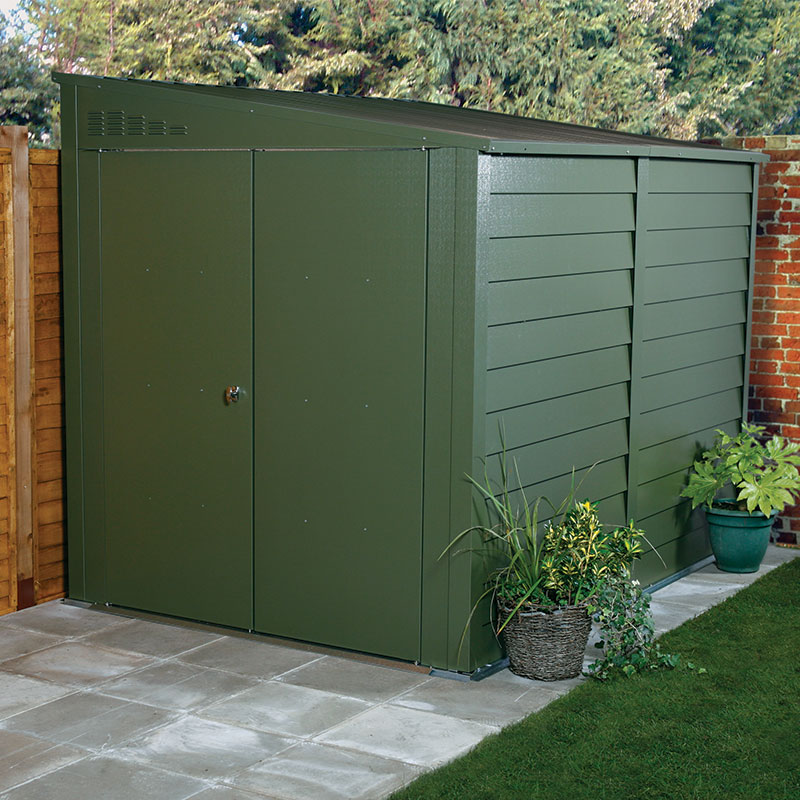
- Side-by-side layouts: better for balanced access and shared use.
- Tandem layouts: useful where plot width is tighter than depth.
- Split-use layouts: one side can stay clear, the other can hold tools or equipment.
- Open-front styles: quicker access, often chosen when frequent movement matters.
- Closed-front styles: better for keeping contents out of sight and weather exposure lower.
These forms are not just visual differences. They affect how much turning space you need, how easy it is to move larger items through the opening, and whether the garage feels practical day to day. A buyer who needs regular access will usually think differently from someone who wants a neat, mostly static storage spot.
What buyers mean by “double” in this category
The word double can mean a few things, depending on the exact product. In some cases, it refers to a wider front with room for two vehicles side by side. In others, it means two usable zones rather than two full parking bays. With a 4 m² footprint, the category often leans toward compact storage structures or garage-inspired enclosures rather than a full residential garage. That is worth checking closely, because the difference changes what you can reasonably expect to fit.
For some buyers, the important part is the sense of division. Two smaller spaces can be easier to keep tidy than one open box, especially if you do not want garden equipment mixing with household clutter. For others, the advantage is simply having a broad opening and a bit more elbow room when moving things in. Either way, the “double” label suggests flexibility, not just size.
Materials and build style: the practical differences
Build style has a direct effect on how a double garage feels and performs. Timber gives a softer, more garden-friendly look and often suits plots where the structure needs to sit quietly beside planting or fencing. Metal tends to suit buyers who want a cleaner, more utilitarian finish and straightforward panelled construction. Plastic or composite options, where available, are often chosen for low visual fuss and a lighter appearance.
The right choice depends on what matters more to you: appearance, rigidity, or how the structure fits into the rest of the outdoor space. Timber can look warmer next to a lawn and borders, while metal may suit a more practical storage setup. A composite finish can sit somewhere in between, with less visual bulk than some heavier styles. None of these choices is just cosmetic; the material changes the feel of the doors, the frame, and how the whole unit sits in the garden.
- Timber: works well if you want a natural look and a more traditional shape.
- Metal: often favoured for a crisp, no-nonsense appearance.
- Composite: can bridge the gap between practical and less obtrusive.
- Panelled finishes: useful if you want the front to look structured rather than plain.
- Clad designs: help the garage sit more comfortably in a landscaped plot.
Roof shapes that alter the profile
The roof is one of the easiest ways to spot the difference between garage styles. A flat roof gives a low profile and can suit a compact garden where height needs to be kept down. A pent roof slopes in one direction and often feels neat and simple, especially on smaller footprints. A gable roof creates a more familiar garage outline, with a clearer ridge line and a slightly more substantial appearance. There are also apex forms, which bring a pitched shape that can make a small structure look more balanced.
The practical difference is not only visual. Roof shape affects how the garage sits beside a house, shed or fence line, and it changes the sense of height inside. In a compact double garage category, some buyers prefer a lower roof because it keeps the overall build from dominating the plot. Others want the pitched style because it reads more like a proper garage and less like a storage box. Both views make sense, depending on the garden.
Door setups and how access changes the use
Door arrangement is one of the most important features in a double garage. A single wide opening makes it easier to move larger items through without awkward angles. Two separate doors can help divide use, so one side does not always need to be opened just because the other is in use. In a compact category, that split can be quite useful, especially if the garage is being used for mixed storage rather than only parking.
Some buyers also prefer a door system that makes partial access possible. If you are only reaching for a few items, it is often better to open one section instead of exposing the whole interior. That can be more orderly, and it can cut down on how much moving around is needed. It sounds minor, but in a tight space, every bit of access control helps.
Who a compact double garage suits best
This category tends to suit buyers who need more organisation than a single-storey storage shed can offer, but do not have the space for a full-sized garage. It may appeal to households with bikes, seasonal gear, garden tools, small machinery or a compact vehicle. It also works for people who prefer to keep certain things separate: clean items on one side, muddy kit on the other, or household storage away from outdoor equipment.
For some buyers, the attraction is visual order. A double garage can make a garden look less cluttered because objects are hidden in defined zones rather than spread across the plot. That matters if the outdoor area is used for sitting, growing, or simply trying to keep a neat boundary. It is not only about storage capacity; it is about how the structure helps the garden feel planned.
Good reasons to choose this layout over a single garage
Compared with a single-bay style, a double garage gives you more choice in how the inside is arranged. You can dedicate one section to frequently used items and keep the other for less common bits and pieces. This is useful when you want to avoid stacking things too high or digging through boxes to reach something simple. It also makes it easier to share the space with someone else, because there is a clearer split in use.
There is also a difference in how each style handles awkward items. Longer tools, folded furniture, spare pots and sports gear can all be easier to organise when the garage is not one narrow run of shelves. A double layout can feel less cramped even when the footprint itself is modest, because the width or split gives your eye a sense of structure. That is one of those small things that makes a purchase feel right after the first few uses.
- Better separation of items and uses.
- Easier sharing between two users or two storage needs.
- Clearer organisation for garden and household items.
- Less visual clutter in the garden when everything has a place.
- More flexible access than a single narrow bay in many cases.
Small-space tips that actually matter before buying
When looking at a compact double garage, measure the plot in a way that includes doors, corner clearance and the route you will use to reach it. A structure can look manageable on paper and still feel awkward if the access point is tight. Also think about the items you plan to store side by side. Two zones work well only if the contents are not both bulky in the same way. If they are, the split may not help as much as you expect.
It is also worth checking whether the garage shape suits the garden edge it will sit against. A pent or flat roof may tuck in better beside a boundary, while a gable or apex form can become more visually pronounced. Neither is wrong. It just depends on whether you want the garage to blend in or stand a bit more clearly as its own feature. Buyers often overlook that part and then notice it every day after the build is in place.
Where the value sits for careful buyers
The value of a double garage in this compact size lies in the way it brings order to a small outdoor area. It gives you a defined place for items that would otherwise drift into the rest of the garden. It can support mixed use without needing a huge footprint, and it offers different forms, door setups and roof profiles so the structure can match the plot rather than fighting it.
If you are weighing up options, focus less on vague promises and more on the exact layout: side-by-side or tandem, single door or split access, flat or pitched roof, timber or metal. Those details decide whether the garage feels useful in practice. A small double garage that is arranged properly can be easier to live with than a larger one that does not suit the space. That is usually the bit buyers remember once it is in the garden.
In short: this category is for people who want a compact but structured way to store more, separate better and keep the plot looking sorted, without making a fuss about it.
[Sassy_Social_Share]