
double carports 300 sq ft / 30 m² - Best Deals in UK!
Showing all 2 results
-
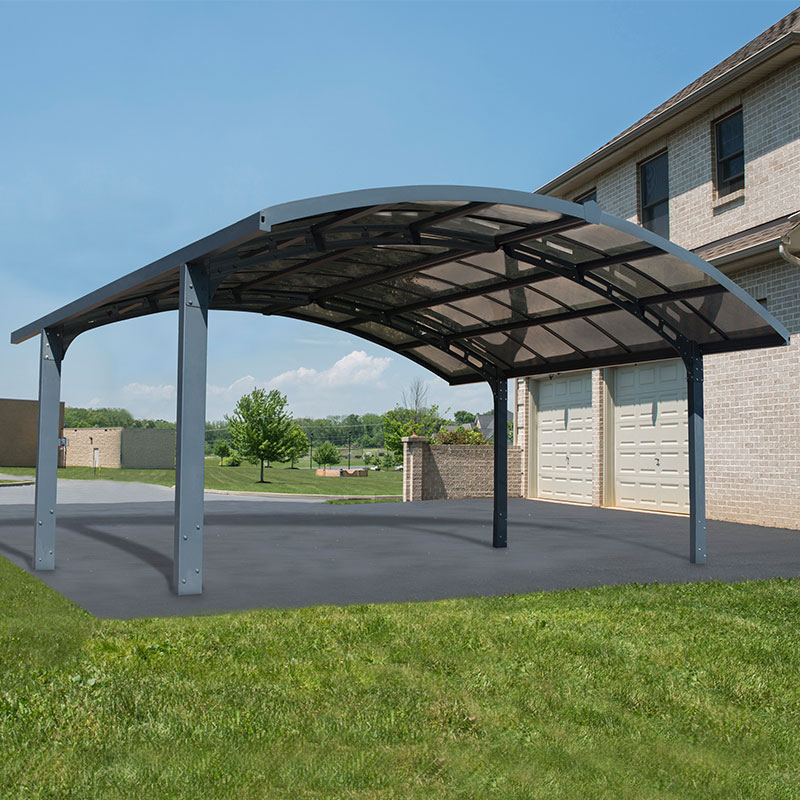
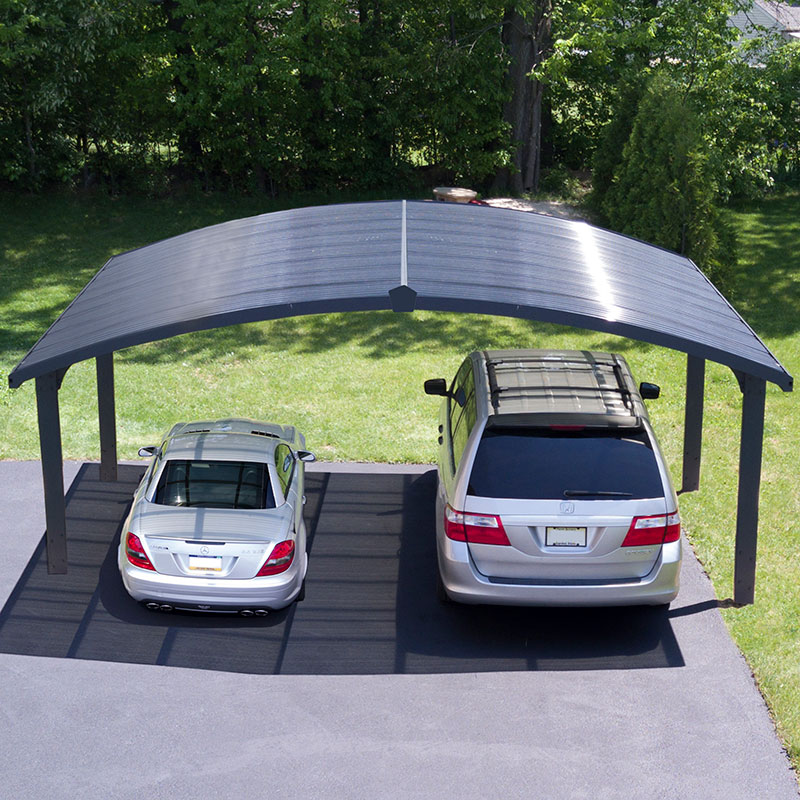
16′ x 19′ Palram Canopia Arizona Wave Grey Metal Double Carport (4.95m x 5.78m) £5,799.003%

-
16′ x 19′ Palram Canopia Arizona Breeze Grey Metal Double Carport (4.95m x 5.78m) £6,699.003%

Double carports around 300 sq ft / 30 m² give two vehicles proper cover, a tidy footprint, and a practical way to use outdoor space without building a full garage.
A sized-up shelter that still fits the plot
A double carport in the 300 sq ft / 30 m² range is usually chosen when one bay simply is not enough. That extra width changes the whole setup: doors can open more freely, side mirrors are less of a worry, and there is often room for a bike, bins, or a small storage nook at one end. For many homes, this size sits in a useful middle ground. It is larger than a single carport, but it does not push into the scale of a full outbuilding. That balance is why it appeals to buyers who want practical vehicle cover without overcommitting on space.
The footprint also makes sense when households have mixed vehicle use. A family car and a compact SUV, two hatchbacks, a car plus a motorcycle, or a van and an everyday runabout can sit under one structure more comfortably than under two separate shelters. In a garden-shop context, this category matters because it speaks to both space planning and day-to-day convenience, not just looks.
What 300 sq ft / 30 m² usually means in real use
In practical terms, this size often allows a layout around two parking bays side by side, with the exact dimensions depending on the design. The total area can be arranged in different proportions, so the same 30 m² may feel wide and shallow, or more compact and deeper. Buyers often compare these forms because the shape affects how the car doors open, where rainwater falls, and whether the structure suits the driveway or a side yard.
Bestseller der Kategorie double carports 300 sq ft / 30 m²
It is worth looking at the actual footprint rather than only the headline size. Some double carports feel roomy because they are generous in width. Others work better when the depth is slightly increased for longer vehicles. A difference of only a small amount can matter when parking a saloon, estate, SUV, or 4×4. That is why the category is often searched by size and not just by style.
Open sides, half sides, full sides: the main layouts
Double carports in this size band are commonly found in a few distinct forms. Each has its own feel, and the choice often comes down to how much protection and privacy is needed.
- Open-sided double carports – easy access from all sides, with a light visual footprint and no awkward doors to swing around.
- Partially enclosed carports – side panels on one or both ends help with wind break and add a more defined boundary.
- Fully roofed with open perimeter – a classic carport feel, offering overhead cover without enclosing the parking area.
- Lean-to double carports – fixed to a wall or existing building, often useful where the plot edge needs to be used efficiently.
- Freestanding double carports – placed independently in the garden or driveway, giving more flexibility over positioning.
Each version changes the way the space is used. An open-sided unit is quick to drive into and makes sense when access from both sides matters. A lean-to style can feel more integrated with the house or garage, while a freestanding version gives more freedom if the driveway layout is unusual. The right choice is often less about fashion and more about how the vehicles, gates, fences, and turning area all line up.
Roof shapes that change the character of the carport
The roof design makes a bigger difference than many buyers expect. It affects not only the look, but also the headroom, rain run-off, and how the structure sits against the house or garden. In the double carport category, a few roof forms come up again and again.
- Flat roof – a neat, low-profile option that can suit modern homes and tighter plots.
- Mono-pitch roof – one sloping surface that gives a clean line and clear direction for water drainage.
- Dual-pitch roof – a more traditional shape with a central ridge, often preferred where a classic look is wanted.
- Gable-style roof – recognisable triangular profile that can add a more architectural feel to the garden.
A flat roof carport often suits contemporary properties and lower-height boundaries, but it may feel more compact visually. A mono-pitch design is popular when one side of the structure needs to sit lower than the other, for example beside a wall. A dual-pitch or gable roof can give the structure a more defined presence, which some buyers like if the carport is visible from the road. The shape is not just about appearance either; it can affect how easy it is to use the space next to the vehicles.
Timber, steel, aluminium: material differences buyers do compare
Although the category is about size, material still shapes the buying decision. A double carport in 300 sq ft / 30 m² can be built in different materials, and each one brings a different feel and visual effect.
- Timber double carports – warmer in appearance and often chosen where the garden style matters as much as vehicle cover.
- Steel double carports – known for a more industrial look and a firmer, structured presence.
- Aluminium double carports – lighter in visual weight, often picked where a cleaner, simpler outline is wanted.
Timber can sit nicely alongside planting, fencing, and traditional brickwork. Steel often suits sharper lines and a more utilitarian layout. Aluminium can feel less bulky, which matters when the carport should not dominate a smaller driveway. The material choice also affects the details buyers notice, such as post thickness, frame style, and how the roofline reads from a distance. These are the things that make one double carport look right for a property while another seems a bit off.
Why the double format works better than two singles
There are clear reasons why people look for a double carport rather than two separate single units. One roofline can make the parking area feel calmer and less chopped up. It also often means better use of the available footprint, because the structure is shared rather than duplicated. That can leave more open space around the driveway and reduce the sense of clutter.
For households with two vehicles, the main advantage is simple: parking becomes more orderly. There is no need to squeeze one car into a narrow shelter while the other sits out in the weather. A double format also helps when one vehicle is used more often than the other. The cars can be parked side by side, with the more frequently used one placed for easier exit. It sounds small, but in daily use that can save a lot of shuffling around.
When width matters more than depth
Some buyers focus on length first, but with double carports, width is often the key number. Two vehicles side by side need enough room for mirrors, doors, and people moving around the cars. If the width is too tight, the carport may technically fit the vehicles, but it will not feel comfortable in use.
This is especially important for mixed vehicle sizes. A compact car and an SUV do not always fit neatly into a symmetrical layout. A wider span can make the difference between a carport that works every day and one that feels awkward. In many cases, buyers are not only protecting vehicles from rain and debris; they are also creating a usable parking zone where doors can be opened without drama. That is a very real benefit, even if it is not the kind of thing shown in glossy pictures.
Useful side benefits that make the category attractive
A double carport in this size range does more than keep rain off a car bonnet. It can shape how the outside of a property works.
- Covered loading and unloading – useful for shopping, luggage, prams, or sports equipment.
- Reduced exposure – the roof helps protect paintwork and windshields from direct weather.
- Cleaner entry and exit – stepping into a dry car in the morning is simply easier.
- Flexible outdoor cover – the space can also suit a trailer, motorbike, or temporary storage of larger items.
- More orderly frontage – the parking area looks planned rather than improvised.
These are everyday advantages, not dramatic promises. But that is often what sells the idea. A carport is one of those purchases where the value becomes clearer once you use it through several seasons. The benefit is not only in weather shelter; it is in how the driveway behaves, how the entrance feels, and how much easier the routine becomes.
Freestanding or attached: a choice that changes the whole setup
The difference between a freestanding double carport and an attached design is important. A freestanding unit can be placed where access works best, which is useful on plots with side entrances or angled drives. It also stands on its own visually, so it can become a clear feature in the garden or parking area.
An attached carport, by contrast, can feel more connected to the house or garage. That can be handy when the aim is to move between indoors and the car with less exposure. It also often helps the structure feel less like an extra object in the plot and more like part of the property. Buyers usually compare these two forms based on how they enter the house, where the drive sits, and whether the build should blend in or stand apart.
Things shoppers tend to compare before buying
When people look at double carports around 300 sq ft / 30 m², they usually compare a few practical details rather than only the appearance.
- Overall width – enough room for two cars and door clearance.
- Overall depth – whether longer vehicles fit comfortably under cover.
- Roof overhang – useful for extra shelter at the edges, though it changes the footprint.
- Post placement – important for easy entry and unobstructed parking.
- Height clearance – especially relevant for SUVs, roof boxes, and vans.
- Style fit – modern, traditional, or somewhere in between.
These points sound technical, but they are the details that decide whether the carport feels useful every day. A structure can look smart online and still feel too narrow in real life. That is why size, shape, and positioning should be considered together. It is not just a purchase, it is part of how the driveway works.
A good fit for mixed households and changing vehicle needs
One reason this category is so useful is that vehicle needs change over time. A household may begin with two smaller cars and later switch to one larger SUV, or add a motorbike, trailer, or family vehicle with higher ground clearance. A double carport around 30 m² gives more breathing room for those changes than a tighter shelter would.
That flexibility matters because buyers often want a structure that does not feel outgrown too quickly. Even if both parking spaces are not used in the same way every day, the shared cover still gives options. One bay might be used for the main car while the other serves as overflow space, guest parking, or temporary cover for larger items. That makes the category appealing to people who value versatile outdoor space without needing to build a closed garage.
Small details that influence the buying decision
Shoppers often notice the bigger points first, but the smaller details can be what tips the choice.
- Side access – whether you can walk around the cars without squeezing through.
- Drainage direction – how the roof slopes and where water is led away.
- Visual mass – whether the frame feels light or heavy in the garden setting.
- Boundary fit – how the structure sits near fences, walls, or planting.
- Parking angle – straight-in access versus a slight turn on the approach.
These are the kinds of things buyers often only think about once they stand in the driveway and picture the daily use. A carport is not just about cover; it is about how the space behaves around the cars. The best choice is usually the one that makes parking feel easy without taking over the site.
A practical purchase with a clear visual effect
A well-sized double carport in 300 sq ft / 30 m² brings order to the front of a property and gives two vehicles a proper sheltered place. It can be open, partially enclosed, attached, or freestanding. It can lean modern with a flat or mono-pitch roof, or feel more traditional with a gable form. Timber, steel, and aluminium each bring their own character, so buyers can match the structure to the property rather than forcing a one-style-fits-all solution.
For anyone comparing options, the real appeal is in the mix of usable width, shared shelter, and cleaner driveway organisation. That is what makes this category stand out: it answers a very specific need in a way that is easy to live with, day after day. Not flashy, just useful, and that often makes the decision easier.
[Sassy_Social_Share]