
double carports 170 sq ft / 16 m² - Best Deals in UK!
Showing all 4 results
-
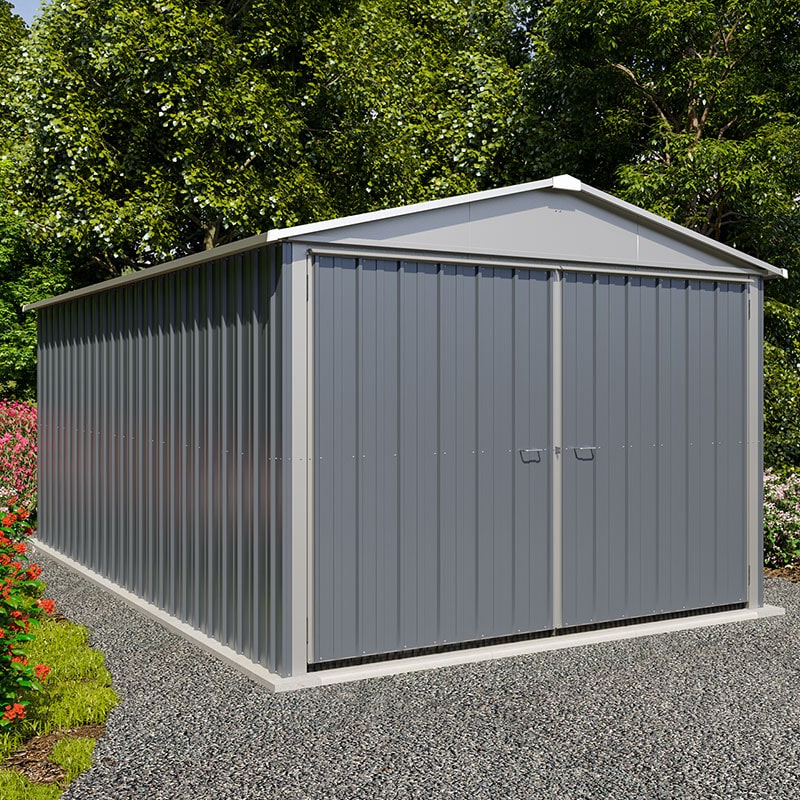
15% OFF: 9’10 x 17’2 Yardmaster Metal Garage (2.97m x 5.22m) £899.9915%
-
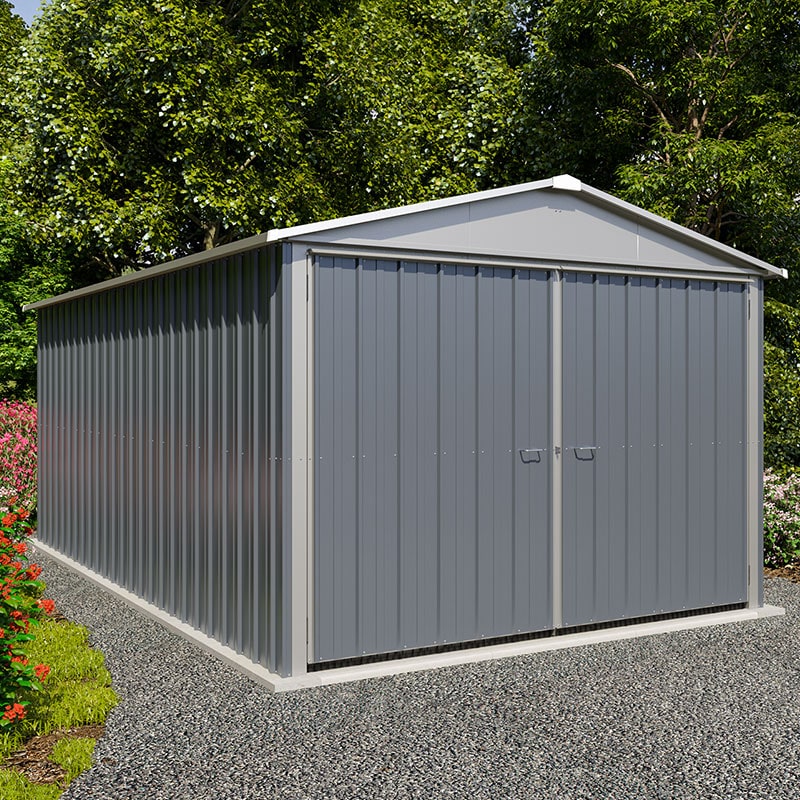
10% OFF: 9’10 x 17’2 Yardmaster Metal Garage (2.97m x 5.22m) £949.9910%
-
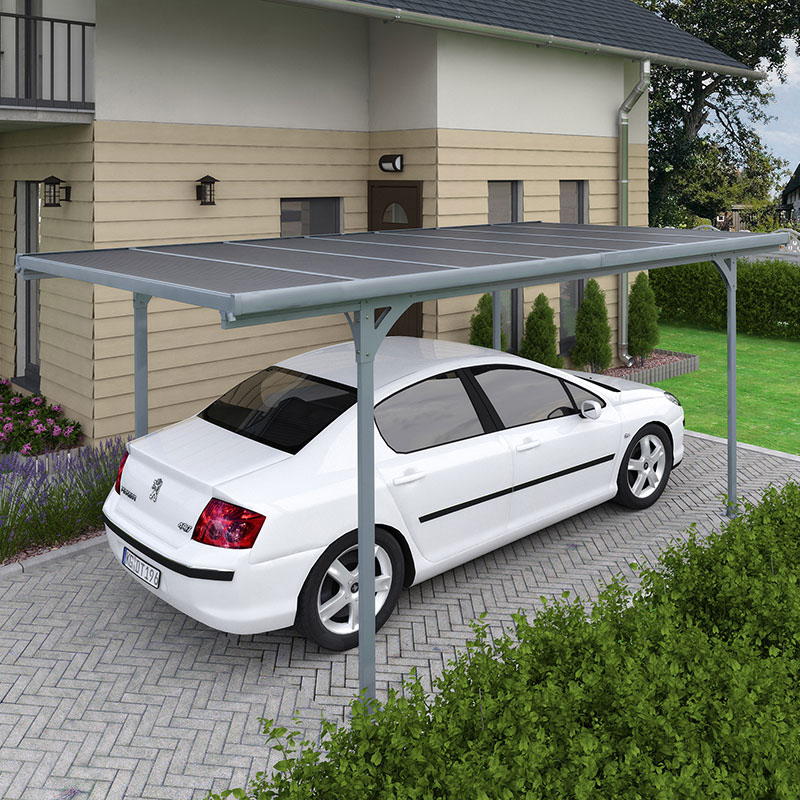
10% OFF: 17’x10′ (5.1x3m) Palram Canopia Verona 5000 Metal Carport £1,168.9910%

-
17’x10′ (5.1x3m) Palram Canopia Verona 5000 Metal Carport £1,249.004%
Double carports 170 sq ft / 16 m² give two vehicles a defined, covered parking space in a compact footprint, with options in open-sided, gabled, flat-roof and lean-to forms for different plots and driveways.
Two bays, one tidy footprint
A double carport in the 170 sq ft / 16 m² range is a practical answer when you need shelter for two cars, but do not want a full garage taking over the whole garden. The size is compact, yet it still gives a clear parking layout, so doors can open without the usual shuffle of moving one car to reach the other. That matters on busy mornings, and it also helps when a family uses the same drive for daily use, occasional visitors, or a second vehicle that stays parked most of the time.
What makes this category useful is the balance between coverage and space economy. A carport of this size is often chosen where a property has a narrow side access, a shorter driveway, or an outdoor area that needs to keep some breathing room for pathes, bins, bikes, or a small turning zone. It does the job without looking oversized.
What the 16 m² layout really suits
The 16 m² footprint is best understood as a compact double-shelter format rather than a full-depth garage. It suits smaller cars, everyday runabouts, hatchbacks, city cars, and certain slim SUVs, depending on the exact dimensions and arrangement. That means it is worth checking the clear internal width, post positions, and the way the roof overhangs may affect access.
Bestseller der Kategorie double carports 170 sq ft / 16 m²
In this category, buyers often compare the shape of the bay more than just the headline size. A carport with a broader front opening may feel easier to use than one with posts close to the wheel line. A deeper roof line may improve weather cover, while a wider span can make parking more relaxed. It is not just about whether two vehicles fit on paper; it is about how they fit in daily life.
Open-sided, semi-closed, or framed in timber?
Double carports come in several forms, and the choice can change how the space feels and functions. The most common is the open-sided carport, which gives fast access from both sides and suits a drive where you want easy door swing and good visibility. It feels light and unobtrusive, and it is often the neatest option for front gardens or shared accesses.
A semi-closed version adds partial side panels or a rear section. That can help when wind direction is a problem or when one side faces a neighbour, a path, or a wetter exposure. It also gives the structure a more enclosed look without turning it into a full building.
Then there is the timber-framed carport, which has a warmer, more architectural feel than many metal layouts. Timber often blends well with fences, sheds, and garden rooms, especially where the plot already uses natural materials. The difference is not just visual; timber frames can feel softer on a residential drive, while powder-coated steel or aluminium usually gives a sharper, more minimal line.
Roof shapes that change the whole character
The roof is one of the main things buyers notice, because it affects both appearance and how the carport sits in the garden. A flat roof carport keeps the profile low and clean. It suits modern homes, narrow plots, and places where you do not want a bulky outline. It can also help if planning visibility matters, since the shape is discreet.
A gable roof brings a more traditional look, with a pitched centre line that gives the carport a familiar garden-building feel. It tends to sit well beside cottages, suburban homes, or properties with pitched roofs on the house itself. A pitched form can also make the structure look less like an add-on and more like part of the wider setting.
Lean-to carports are different again. They attach to an existing wall, which can be useful where there is limited free-standing space or where you want one side already sheltered by the house or garage. This layout is often chosen for tight side returns, because it uses the building line efficiently. It is a smart way to gain cover without needing a large freestanding frame.
Why people choose a double carport over a garage
There are clear practical reasons. A double carport generally allows easier in-and-out access than a closed garage, especially for larger doors or awkward parking angles. No garage door to swing up, no tight internal turning, and less of that feeling that one misplaced object has blocked the whole space.
It also gives vehicles weather cover while staying open and airy. That is useful for reducing the burden of daily parking in rain, frost, falling leaves, or strong sun. In day-to-day use, it is often the difference between scrambling in the weather and stepping in and out with a bit more calm.
Another point is visual weight. A double carport can feel less dominating than a full garage, especially on smaller plots. For buyers who want to protect two vehicles but still keep the front of the property looking open, that lighter presence matters. It can feel like a structured parking solution rather than a building taking over the whole outdoor area.
Useful differences between materials
In this size range, materials can shape the overall impression as much as the roof form. Steel carports tend to suit clean-lined properties and often give a crisp, modern edge. They are a common choice where low visual clutter is important and where the owner wants a sharp frame around the parking bay.
Aluminium carports usually feel lighter in appearance, with slim lines and a more refined finish. They often appeal to buyers who want something neat and understated. The look is less heavy, which can be useful where a garden already has strong fencing, paving, or boundary structures.
Timber carports have a different appeal altogether. They sit more naturally in garden settings and can work well with green planting, gravel drives, and traditional homes. The difference is mostly in tone: steel and aluminium lean towards a technical look, while timber feels more settled and domestic.
Shapes that fit different driveways
Not every driveway or plot is squared off in a simple way, and that is where the shape of the carport becomes important. A symmetrical double carport is the straightforward choice for a wide, even parking area. It keeps both bays balanced and gives a tidy front elevation.
A offset design can work better where one side of the plot is tighter, or where the approach angle is not perfectly central. This can sometimes make the carport feel easier to live with, because the posts do not interfere with the same place twice. It is one of those small design details that can change how natural the parking feels.
There are also single-span wide fronts versus layouts with more visible support points. A cleaner span may look more open, while extra supports can make the structure feel more grounded and robust. Neither is automatically better; it depends on what the garden can take visually and physically.
What the size means for two-vehicle use
When a product is described as double carports 170 sq ft / 16 m², buyers should think carefully about the kind of two-vehicle use they expect. The space can work well for two compact vehicles parked with discipline, or for one regular car and one smaller second car. It may also suit a car and a motorbike, or a car plus a bicycle zone, depending on the actual dimensions.
The main advantage is that the space is defined. You know where each vehicle goes, and that brings order to a drive that might otherwise be a bit of a muddle. For households with shared use, that is often more valuable than a larger but less organised area.
It is also worth noting that door opening room can be more important than pure bay length. A carport that technically fits two vehicles, but leaves no side clearance, will feel cramped. So the best match is not just the one with the right overall area, but the one with the right usable shape. Bit of a boring detail maybe, but it matters a lot.
Design details that buyers notice straight away
Small details can shift a carport from merely functional to genuinely appealing. Post thickness, roof edge finish, and the way the frame meets the ground all influence how neat the structure looks from the house. Some buyers prefer a strong frame with clear lines; others want a lighter outline that does not dominate the garden.
Colour is another important part of the decision. Darker frames can make the structure recede visually, which is useful if you want the cars and paving to remain the main feature. Lighter shades can feel softer, especially next to rendered walls or pale fencing. Matching the carport to existing outdoor materials can help it feel planned, not added later in a hurry.
There is also the question of height profile. A lower roof can look neat and restrained, while a taller form can improve the sense of space and reduce the compressed feel that sometimes comes with compact footprints. Buyers often only notice that after standing under one in person, because diagrams do not always show the feel of it.
How to compare versions without getting lost in the numbers
If you are comparing products in this category, look beyond the headline 170 sq ft / 16 m² figure and check how that space is arranged. Two carports with the same area can feel very different if one is wider and shallower, and the other is deeper and narrower. One may suit side-by-side parking better; another may be fine for staggered use or smaller cars.
Also compare whether the structure is intended to be free-standing or attached. Free-standing options offer flexibility in placing the bay where it suits the drive. Attached versions can save space and tie neatly into the house or another building. The choice often comes down to the site more than the product itself.
Look at support layout too. More open access can feel better for daily use, but extra posts may provide a stronger sense of structure and sometimes a more sheltered parking line. It is a small trade-off, but one that changes how easy the carport feels once it is in place.
When a compact double carport makes the most sense
This category works well for households that want a clear parking solution without committing to a big build. It suits properties where outside space is valuable and every square metre has to earn its keep. It can also work for buyers who are planning around a smaller front or side area but still need two sheltered places.
For town homes, narrow plots, and gardens that already carry sheds, paths, or planting, a compact double carport can be a useful compromise. It offers shelter and structure without closing in the space. The result is often more orderly, and the drive starts to feel less like a random parking zone and more like a proper part of the property.
If the aim is to park two vehicles side by side with a neater outdoor layout, this size category is worth serious attention. It gives enough room to solve a real daily problem, but it does not ask for a huge footprint in return.
Practical buying tips for the right fit
Measure the usable width, not just the total area. Posts, roof overhang, and side clearance can all affect how easy it is to park and open doors.
Check the approach angle. A carport that looks fine on a straight plan may feel tight if the driveway turns in late or narrows before the entrance.
Think about vehicle mix. Two small cars are a very different fit from a long estate and a crossover. Same area, different outcome.
Match the roof form to the plot. Flat, gable, or lean-to styles each suit different house lines and boundary shapes.
Choose the visual weight carefully. A frame that is too heavy can dominate a small front garden; one that is too light can feel underdone. There is a middle ground that tends to work nicely.
The kind of choice that pays off every day
A well-chosen double carport 170 sq ft / 16 m² is not about excess. It is about making the daily routine cleaner: parking in one place, keeping the cars under cover, and using the outside space with a bit more logic. The best options in this category are the ones that fit the site properly, suit the shape of the vehicles, and look like they belong where they stand.
For shoppers comparing styles, the decision usually comes down to open versus semi-enclosed, flat versus pitched, and free-standing versus attached. Each version solves the same basic need, but in a slightly different way. That is what makes this category worth browsing carefully rather than rushing past it.
In short, if you need two-bay cover in a compact format, and you want something that feels orderly without being heavy-handed, this size and style of carport deserves a close look.
- Open-sided double carports for easy access and a lighter look
- Semi-enclosed designs for extra shelter on exposed plots
- Timber frames for a warmer, garden-friendly feel
- Steel or aluminium frames for a sharper, more contemporary line
- Flat-roof styles for low visual impact
- Gable-roof styles for a more traditional profile
- Lean-to carports for side returns and wall-adjacent parking
- Symmetrical layouts for balanced side-by-side parking
- Offset layouts for trickier driveway approaches
Choose the shape that suits the way you actually park, not just the way the drawing looks. That simple bit of thinking can save a lot of faffing later on.
[Sassy_Social_Share]