
double carports 16x10 - Best Deals in UK!
Showing all 7 results
-
18% OFF: 16’x10′ (4.8x3m) Palram Canopia Arizona Breeze 5000 Grey Metal Carport £2,449.0018%

-
9% OFF: 16’x10′ (4.8x3m) Palram Canopia Grey Carport Atlas 5000 £1,459.009%

-
9% OFF: 16’x10′ (4.8x3m) Palram Canopia Grey Carport Atlas 5000 £1,456.999%
-
9% OFF: 16’x10′ (4.8x3m) Palram Canopia Arizona Wave 5000 Grey Metal Carport £2,546.999%

-
16’x10′ (4.8x3m) Palram Canopia Grey Carport Atlas 5000 £1,569.002%
-
16’x10′ (4.8x3m) Palram Canopia Arizona Breeze 5000 Grey Metal Carport £2,939.002%
-
16’x10′ (4.8x3m) Palram Canopia Arizona Wave 5000 Grey Metal Carport £2,749.00
Double carports 16×10 give two vehicles a compact, sheltered parking bay with a balanced footprint, practical headroom, and a tidy fit for driveways where space matters.
Why the 16×10 footprint works so well
A 16×10 double carport sits in that useful middle ground between a small single bay and a full-width structure that can start to dominate a front garden or driveway. The shape is especially appealing if you need two parking spaces but do not want a bulky garage-style build. The 16×10 size can suit side-by-side parking, a car plus a smaller vehicle, or one vehicle with a bit of side clearance for doors, shopping, or muddy boots.
What makes this format practical is the way it uses space. The width gives you room to park without feeling pinched, while the 10-foot depth keeps the structure neat and less intrusive. It can be a smart pick for homes where the driveway is useful, but not endless. For many buyers, that is the main draw: coverage without overcommitting footprint.
Forms that change the look and the fit
Not every double carport looks the same, even when the basic size is 16×10. The form you choose changes how it feels in use and how it sits with the house, the garden, and the driveway line.
Bestseller der Kategorie double carports 16x10
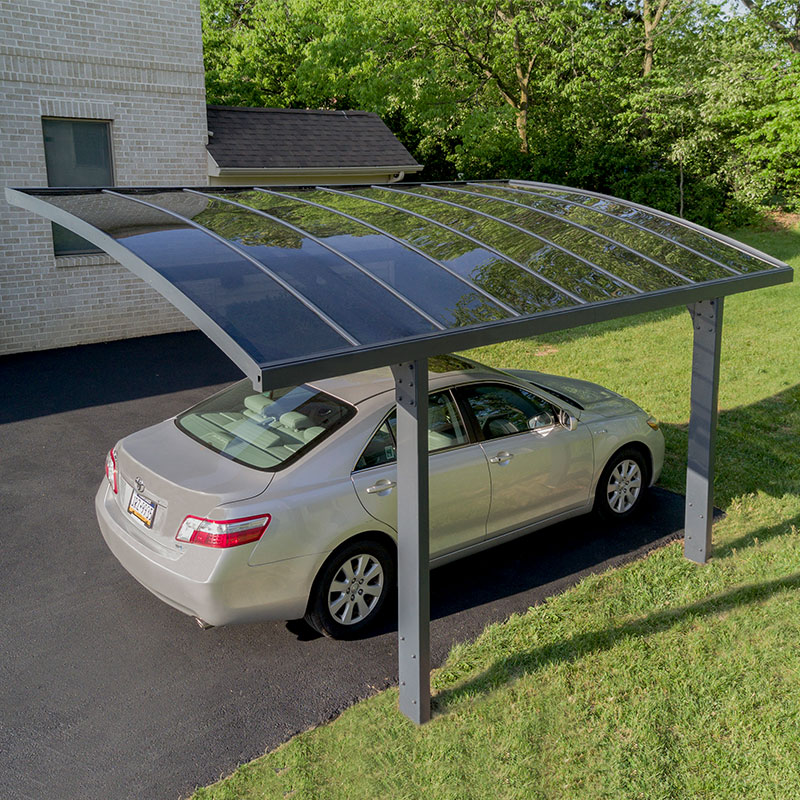
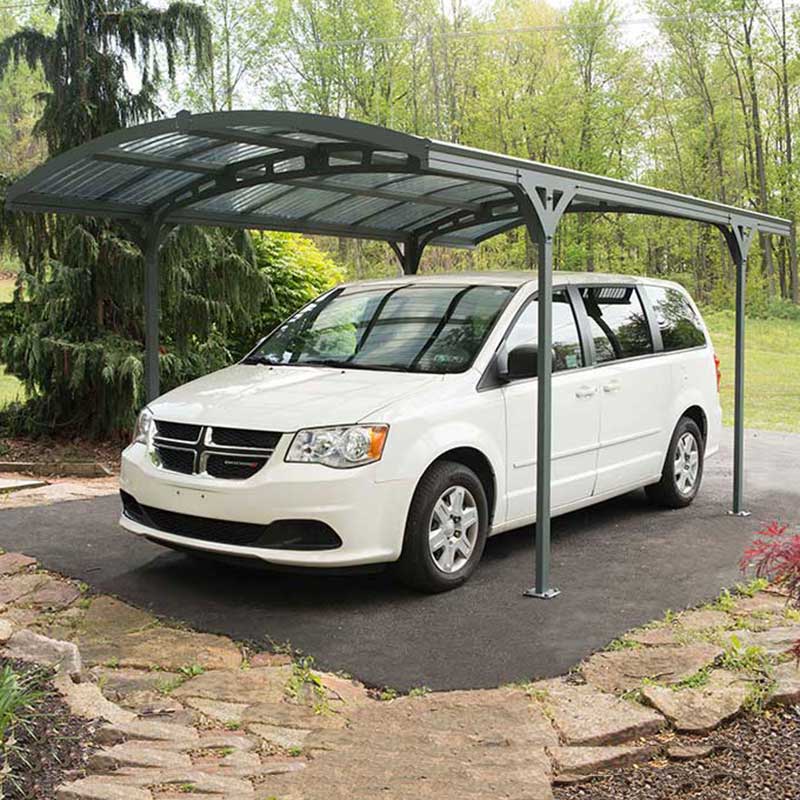
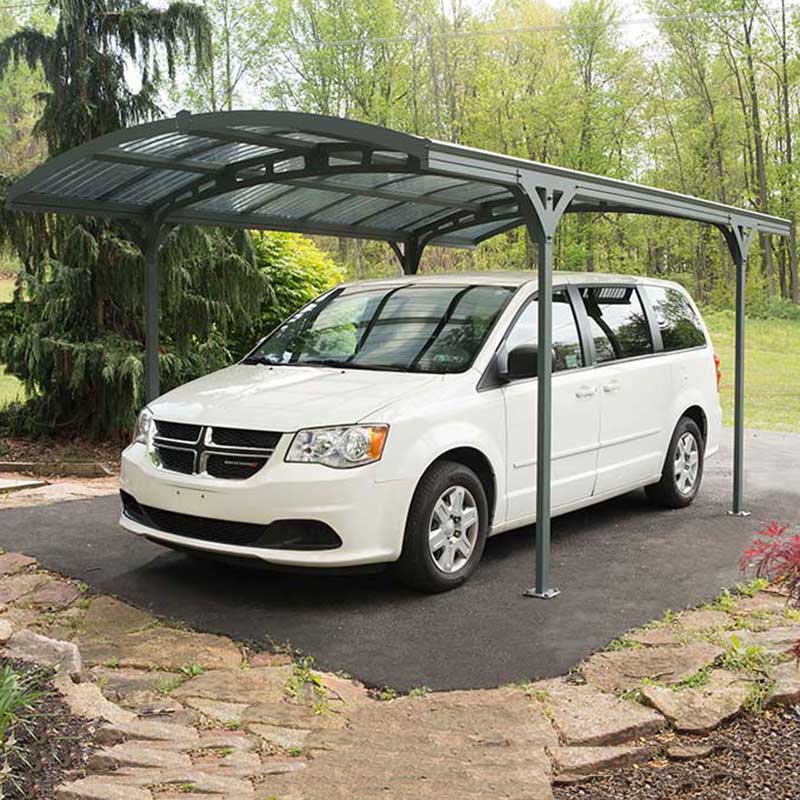
- Flat roof double carports have a clean, low profile and can suit modern homes or tighter boundary lines.
- Gable roof styles bring a more traditional outline and often feel less boxy from the street.
- Lean-to designs work well when the carport needs to sit against a wall or another building.
- Freestanding versions give more freedom with placement and are useful when the driveway layout is open.
- Attached double carports can bridge the gap between house and parking area, making access feel more direct.
The difference is not just visual. A gable roof can create a more open feeling above the vehicles, while a flat roof often keeps the overall height down. A lean-to shape may suit a side return or a run beside the home, but a freestanding carport can be easier to position where the driveway already does most of the work. If the plot is awkward, form matters as much as size.
Side by side, tandem, or mixed parking?
When people look at double carports 16×10, they often assume side-by-side parking is the only option. That is not always the case. Depending on the exact layout, vehicle widths, and how much room you want around the doors, there are a few ways to think about the space.
Side-by-side parking is the obvious choice when the width is being used for two cars. It feels organised and makes both vehicles easy to reach. This layout is handy when both cars are used every day, because neither one needs to be moved first.
Tandem parking, where one vehicle sits in front of the other, can be useful if the width is better suited to access space rather than two full car lengths. In a true double carport, tandem use may come into play when one vehicle is smaller, or when the owner wants a covered parking bay plus a little extra sheltered room.
Mixed use is another angle. Some buyers use the second bay for a compact car, motorbike, trailer, or even just as open clearance for loading and unloading. That flexibility is part of the appeal. A double carport is not only about two cars, it is about how the parking area behaves day to day.
Roof shapes that do more than change the outline
The roof style on a 16×10 double carport does more than affect the appearance. It changes how the structure feels, how light it presents, and sometimes how the space beneath is experienced when you pull in.
Flat roofs usually keep the form understated. They suit people who want the carport to blend into the edge of the property rather than stand out. They can be a good match for contemporary houses, rendered walls, and neat driveway lines. The low profile is often a big part of the attraction.
Gable roofs bring a more pitched silhouette. This can give the carport a more classic look, and the height at the ridge may make the space feel less compressed. For some homes, that extra visual lift helps the carport sit more comfortably beside the main building.
Skillion or single-slope roofs can be useful where rainwater direction or building line needs are part of the layout. They give a clear directional shape and often suit side-mounted installations. The angle can also make the whole build feel streamlined.
The right roof shape often comes down to the style of the home, the available height, and how much presence you want the carport to have. If the aim is quiet practicality, a flat or skillion roof often makes sense. If the carport needs to look more like it belongs with the house from the start, a gable may feel more settled.
Materials and finishes that affect the everyday feel
Buyers often look first at dimensions, but the material choice matters just as much. It changes the character of a double carport 16×10 and can affect how open, enclosed, or architectural it feels.
Timber carports tend to suit gardens and homes where a softer, more natural appearance is wanted. They can sit well near planting, traditional façades, and driveways with a less industrial finish. Timber also gives the structure a warmer feel, which some people prefer when the carport is visible from the front of the house.
Metal-framed carports usually read as more defined and crisp. They can work nicely for buyers who want a straightforward, practical look. The frame lines are often slimmer, which can help the structure feel less heavy despite the double bay format.
Polycarbonate or panel roofing is sometimes chosen where light transmission matters. In a carport, that can help avoid a dark, shut-in feel beneath the cover. For some sites, that extra brightness makes parking and unloading easier without adding enclosed walls.
The best finish is the one that fits the property without fighting it. A carport that looks like an afterthought can feel wrong, even when the sizing is right. A good match between roof, frame, and house style makes the whole setup feel more considered.
What makes a double bay different from a single bay
The difference between a single and double carport is not just one of width. A double carport 16×10 changes how the whole driveway works. It creates a shared shelter that can support two vehicles under one roofline, which helps the frontage feel more organised.
Compared with a single bay, a double carport can reduce the need for repeated manoeuvring. That matters if one car is frequently in and out while the second stays parked for longer. It also gives a more useful area for passengers, bags, boots, prams, and those awkward moments when you need both doors open at once.
There is also a visual difference. A single carport can sometimes feel like a narrow extension. A double structure often looks more intentional, especially when it is proportioned carefully against the house. It can frame the driveway rather than just sit on it.
At the same time, the 16×10 format is still compact enough to avoid the oversized look that some wider double structures can create. That balance is one reason people keep coming back to this size.
Useful fitting tips before you order
A few checks before choosing a double carport 16×10 can save awkward surprises later. These are not the glamorous parts, but they make a real difference to whether the carport feels handy or cramped.
- Measure the vehicles you actually own, not just the size you think you need. Mirrors, door swing, and boot access all count.
- Check the driveway angle so you know whether pulling in straight is easy or if a tighter turn is involved.
- Allow for opening space around both sides if two cars will be used side by side.
- Look at roof height and eaves if you drive a taller vehicle or carry roof bars.
- Think about placement in relation to gates, walls, paths, and the house front, because the carport should not block movement.
- Match the form to the frontage so the structure feels like part of the property rather than a separate object.
It can be easy to focus only on the footprint, but the way the carport meets the driveway edges matters just as much. A few inches of breathing room can be the difference between easy parking and constant small adjustments.
When the space needs to do a bit more
Some buyers are not only after cover for two vehicles. They want a parking area that can also help with daily life. A double carport 16×10 can be a good fit when you need space for a car and a second item that is not quite a car, or when one bay is used more loosely.
That could mean room for a trailer, a motorbike, or a vehicle that is used less often. It can also give useful sheltered space for getting children into seats without standing in the rain, or for loading awkward items without having to do it on the open drive. It is this kind of everyday flexibility that often tips the decision.
For homes without a large garage, the double carport can act as a practical buffer zone. It does not enclose the vehicles, but it does give a clear covered area that feels more purposeful than an open patch of driveway. That is a small shift, but a useful one.
Which style suits which kind of home?
The best-looking carport is usually the one that agrees with the house rather than competing with it. A double carport 16×10 can work in several settings, but the style choice makes a big difference to how natural it feels.
For a modern home, a flat or skillion roof with crisp lines may sit neatly beside glazing, render, and straight-edged paving. The shape feels controlled and tidy.
For a traditional property, a gable form or timber frame may feel more at home, especially if the rest of the frontage has pitched lines or natural materials. It avoids a harsh contrast.
For a narrow driveway or side space, a lean-to design can be the most practical choice because it uses a boundary or wall as part of the overall arrangement. That can make the structure feel less exposed.
For a freestanding setup, the double carport can become a clear parking feature in its own right. This is useful where the driveway is open and the carport needs to stand on its own as the main parking shelter.
The buying case: practical, neat, and easy to live with
People often choose double carports 16×10 because they want a solution that is easy to understand and straightforward to use. It is not hidden away, and it does not ask you to rearrange the whole property around it. It simply makes parking feel more ordered.
There is also something reassuring about the scale. It is large enough to be useful, but not so large that it starts to swallow the garden or make the drive feel crowded. That makes it a sensible middle option for households with two vehicles, or for one vehicle and future flexibility.
The structure can also help the frontage look more complete. Instead of two cars sitting out in the open, the parking area becomes a defined part of the property. For many buyers, that alone makes the whole home feel more organised. It is a small improvement, but one you notice every day.
Last checks that help the decision feel right
Before choosing a double carport 16×10, it helps to picture the daily routine, not just the parked vehicles. Think about arriving home, opening doors, unloading bags, and leaving again in a hurry. The right carport should make those things easier, not merely cover the cars.
- Does the width suit two cars in your household?
- Is the roof style in line with the house?
- Will the structure feel balanced on the driveway?
- Is there enough room for turning, opening, and stepping out?
- Would side-by-side use or a more flexible layout work better?
If the answer to those questions is mostly yes, the 16×10 format is likely doing its job. It is a size that works best when you want two-vehicle shelter without a sprawling build, and when the look of the carport matters as much as the function. That mix of order, cover, and proportion is exactly why this category stays appealing.
[Sassy_Social_Share]