
Door Covers under £800 - Best Deals in UK!
Showing all 3 results
-
21% OFF: Palram Canopia Bordeaux 4460 White Door Canopy £784.9921%

-
19% OFF: 13â10 x 2â11 Palram Canopia Lily 4100 Black Clear Large Door Canopy (4.21m x 0.88m) £703.9919%

-
15′ x 3′ Palram Canopia Nancy 4500 Door Canopy – Grey (4.52m x 0.94m) £784.99

Door Covers under £800 bring practical protection and a cleaner look to exterior entrances, from side doors and back doors to garden access points, with styles that suit timber, uPVC and metal frames.
Why a door cover changes the feel of an entrance
A good door cover does more than sit there and look tidy. It can help define the entrance, give a little extra shelter, and make a doorway feel more finished without pushing the spend into a higher bracket. In the under £800 range, you usually find options that balance design and function rather than overcomplicate things. That means sensible proportions, decent materials, and styles that work with real houses, not just perfect brochure photos.
For garden-facing doors, that can matter quite a bit. A cover can soften the line between indoors and outdoors, give the entrance a more intentional look, and make the door feel less exposed. Some buyers want a neat visual frame. Others want extra coverage for rain, breeze, or direct sun. The useful part is that the category gives you room to choose based on the door itself, not just the price tag.
Shapes that suit different openings
Not every doorway wants the same shape, and that is where this category gets interesting. A flat panel cover has a simple, modern look and tends to suit contemporary homes or straight-lined garden structures. A arched cover feels softer and can suit traditional doors, especially where the doorway already has curved features. Then there are angled or canopy-style covers, which work well when the main aim is to move rain away from the threshold.
Bestseller der Kategorie Door Covers under £800
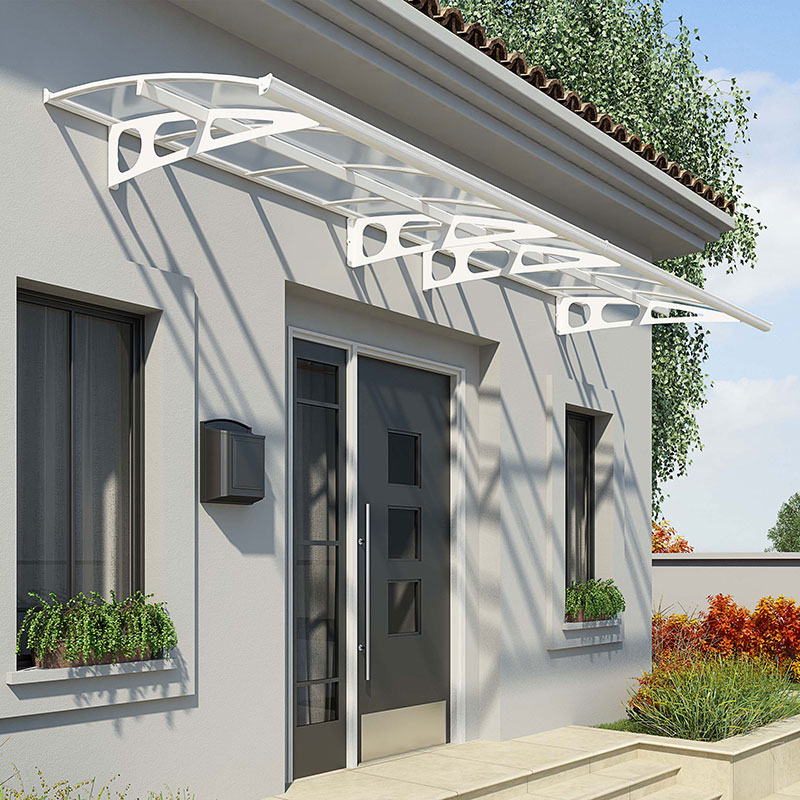
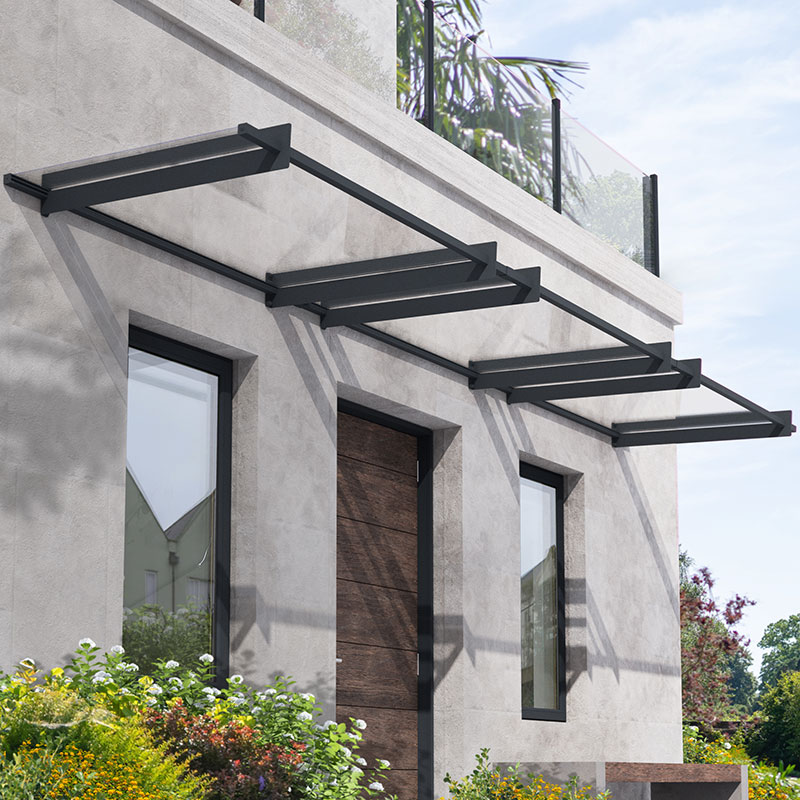
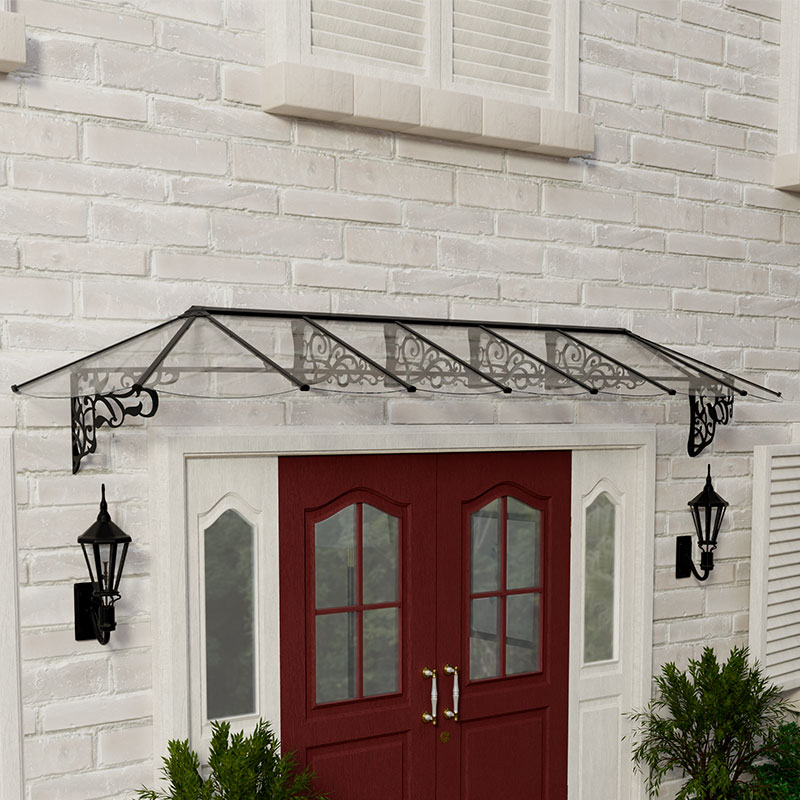
You may also see half-height covers that visually protect the lower section of the door or create a lighter look, and full-height covers that give a more enclosed finish. The difference is not just visual. Full-height options can feel more substantial and formal, while smaller covers tend to sit quietly in the background. If the entrance is already busy with glazing, brick detail, or climbing plants, a simpler shape often works better.
Materials that make sense at this budget
Within the £800 ceiling, material choice usually sets the tone for the whole purchase. You may find powder-coated metal for a crisp, defined outline and a more rigid structure. It is often chosen for clean lines and a less fussy look. Wood gives a warmer feel and can blend in with garden surroundings, fencing, or a timber porch. It suits a softer, more natural finish, though the style should still match the house rather than feel bolted on.
Composite and similar mixed-material options can offer a tidy middle ground where buyers want the appearance of one material with a slightly different balance of weight and durability. The point is not to chase a fancy label but to match the door type and the wider frontage. A heavy-looking cover on a small door can feel out of place, while a slim frame on a wide entrance might look a bit lost.
What each type brings to the doorway
The appeal of door covers under £800 is that you can choose by use, not only by looks. If the entrance needs a visually strong boundary, a more structured cover can frame the door and give it definition. If the aim is gentle shelter, a canopy-style option may be the better fit. If privacy matters more, then a cover with a more closed profile can reduce the open feel around a side or rear entrance.
There is also a difference between decorative covers and more practical weather-shedding designs. Decorative versions are about appearance, balance, and the way the doorway sits in the garden view. Practical ones are usually chosen because they change how the doorway performs in use. A buyer who regularly carries in bags from the garden, or uses the back door in all weather, may prefer the latter. Someone focused on kerb appeal might lean the other way.
Benefits that matter in everyday use
The most obvious advantage is a more considered entrance. A door cover can make a plain exterior door look as though it belongs to the rest of the home instead of sitting apart from it. For garden-facing entrances, that can be especially useful because the door often sits in a transition area between landscaped space and the house. The right cover can help that transition feel smoother.
Another benefit is that it can create a sense of shelter at the threshold. Even a modest cover can soften the effect of direct weather exposure. That does not mean turning the entrance into a sealed porch, but it can reduce the bare, open feeling around the door. Buyers often like that because it gives a more settled look without demanding a major build.
There is also the practical point of visual order. A well-sized cover can hide awkward proportions, make the door line feel more balanced, or help bridge the gap between old and new materials. For homes where the garden side of the property has been updated in stages, that matters more than people think. It can make the whole area look less patched together.
Picking between simple, framed and enclosed styles
Simple styles usually suit people who want a clean outline and not much else. They are easy to place visually and often work best when the doorway is already attractive or architecturally strong. Framed styles add more definition and can make the entrance feel deliberate, even when the door itself is plain. Then there are more enclosed designs, which feel better when privacy, shelter, or a stronger visual boundary is the goal.
The differences are worth thinking through before buying. A simple cover can sit lightly against the house and leave the door as the main feature. A framed design creates more of a story around the doorway. An enclosed style can look more substantial, but it can also need more visual space around it so it does not feel tight. In other words, the cover should suit the scale of the entrance, not fight it.
Useful ways to match the cover to the house
It helps to look at the door finish, wall colour, and nearby garden materials together. A dark metal cover can work neatly with black hardware, slate, or modern fencing. A timber-look cover may suit brick, render, or planting-heavy borders where a softer tone feels right. If the house already has strong lines, keeping the cover simple can stop the front from feeling overworked.
For homes with visible side access or a rear entrance that leads into the garden, the cover should feel part of the route rather than a separate object. That means thinking about how people approach the door. Is it seen straight on? From an angle? From the patio? These small details change how a cover reads. A piece that looks subtle from one side can feel bulky from another, so checking the profile matters.
What makes a choice feel worth the spend
Shoppers in this category often look for a balance of appearance, suitability, and price. Under £800 gives a decent amount of room, but not enough to ignore the basics. You want the size to sit properly around the doorway, the shape to match the house, and the material to suit the exposure level. If the door is sheltered already, a simpler design may do the job nicely. If the entrance is more open, a cover with a deeper projection or fuller outline may make more sense.
The value is often in the way the cover lifts the whole entrance without demanding a full porch build. That is a big reason buyers look here first. The category can offer a change in character that is visible from the garden, the path, and the door itself. It is a small architectural move, but it can shift how the home feels when you arrive at it. And that matters, even if it sounds a bit fussy.
Things to check before you decide
Before adding anything to basket, check the door width, clearance, and opening direction. A cover that looks neat on screen can feel wrong if it crowds the frame or interrupts the swing of the door. Also think about the depth of the surround. Some entrances have enough wall space for a bolder outline, while others need a slimmer option to avoid looking overbuilt.
It is also worth checking whether the style supports the exact look you want: minimal, traditional, rustic, or architectural. The terms sound obvious, but they make a real difference once the piece is in place. A rustic-style cover can add warmth, yet it can look too busy on a sharply modern extension. A pared-back piece can look smart, but it may feel too plain on a cottage frontage. Small mismatchs like that are what make a doorway look slightly off.
Door cover styles that suit garden settings
Because this is a garden shop category, the surroundings matter as much as the door. Planting, paving, timber screens, pergolas, and boundary features all influence what looks right. A neat, linear cover usually works well with gravel paths, square edging, and structured planting. A more organic or curved style can sit better where the garden has softer lines, mixed borders, or a less formal layout.
For doors that open straight onto a patio, the cover can help define the threshold between social space and entry point. That can be handy when the garden is used often and the door is part of daily movement rather than just a front-facing feature. The right choice gives that area a clear identity. It can feel like a small piece of design, but it has a lot to do with how the house is experienced from outside.
Why buyers keep coming back to this price point
Door Covers under £800 are popular because they sit in a practical middle ground. They are not a casual add-on, but they are also not the kind of purchase that demands a large build or a long rethink of the frontage. That makes them useful for people improving a side entrance, dressing up a garden door, or giving a plain opening more character without going too far.
The best results usually come from choosing a cover that looks like it belongs there, rather than something that tries too hard. If the shape feels right, the material fits the house, and the size sits comfortably around the door, the whole entrance tends to look more resolved. That is the real draw of this category: a practical, visual change that can make a doorway feel properly finished, and not just added on at the last minute.
Quick points to compare while browsing
- Shape: flat, arched, angled, half-height or full-height
- Material: metal, wood, or composite-style finishes
- Look: modern, traditional, rustic or minimal
- Use: decorative presence, added shelter, or a stronger doorway frame
- Fit: doorway width, wall space, and door swing
- Setting: front entrance, side door, rear garden access, or patio-facing opening
A final note for making the right pick
If you are comparing options, keep coming back to the same simple question: does the cover suit the door, the house, and the way people actually use the entrance? That question does a lot of the work for you. In this price range, the most satisfying choices are usually the ones that look calm, feel appropriate, and do not need explaining. They just sit there and make the entrance look better. Which, honestly, is often exactly what people are after.
[Sassy_Social_Share]