
Door Covers under £600 - Best Deals in UK!
Showing all 6 results
-
19% OFF: 12â2 x 2â11 Palram Canopia Lily 3600 Black Clear Large Door Canopy (3.7m x 0.88m) £593.9919%

-
18% OFF: 10â6 x 2â11 Palram Canopia Lily 3100 Black Clear Large Door Canopy (3.19m x 0.88m) £541.9918%

-
9% OFF: 15′ x 3′ Palram Canopia Altair 4500 Grey Door Canopy (4.54m x 0.92m) £547.999%

-
Palram Canopia Herald 2230 Black Door Canopy £519.994%

-
10′ x 3′ Palram Canopia Nancy 3000 Door Canopy – Grey (3.01m x 0.94m) £514.99

-
14′ x 3′ Palram Canopia Nancy 4100 Door Canopy – Grey (4.11m x 0.94m) £564.99

Door covers under £600 bring together practical entrance shelter, neat kerb appeal and a clear price point, with styles from sleek canopies to wider porch covers for front doors and side doors.
Why a door cover changes the feel of an entrance
A door cover does more than sit above the frame and look tidy. It creates a small protected zone at the threshold, which matters when you want the space by the front or side door to feel more considered. In this category, the appeal is often a mix of weather protection, neater presentation and a shape that fits the building rather than fighting it. For homes with a busy entrance, a well-chosen cover helps the doorway read as a proper feature instead of just a gap in the wall.
Keeping the budget under £600 opens up a useful range without pushing you into overly complex options. You can still look at simple flat canopies, curved designs, more architectural overdoors and broader porch-style covers. The differences are not only visual. They affect how much shelter you get, how far the cover projects, and how the entrance feels when you stand beneath it with keys, shopping or a parcel in hand.
Flat, curved or pitched: the shapes that matter
Shape is one of the first decisions worth making because it changes both the look and the way the cover works with rain. A flat door cover gives a sharp, modern outline. It suits clean brickwork, rendered walls and contemporary porches, especially where you want a neat line above the opening. Flat forms tend to feel compact, which is handy if the doorway sits close to a path or step.
Bestseller der Kategorie Door Covers under £600
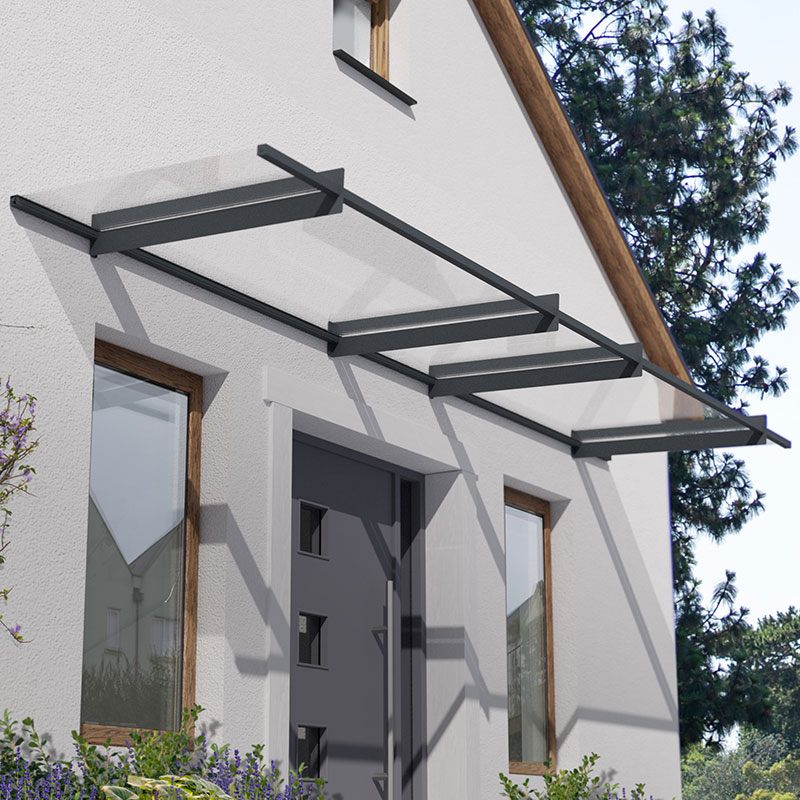
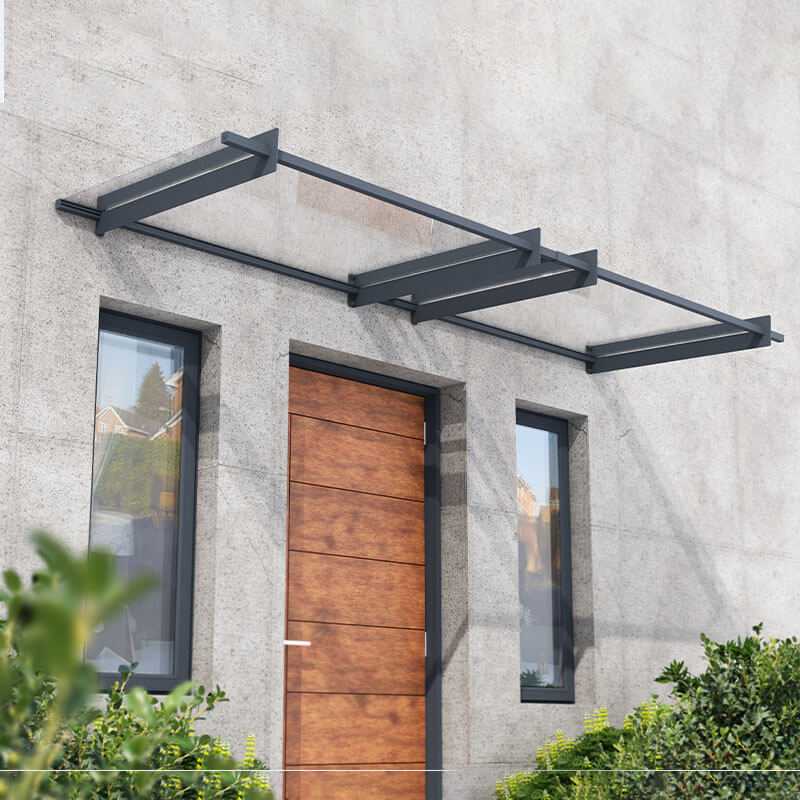
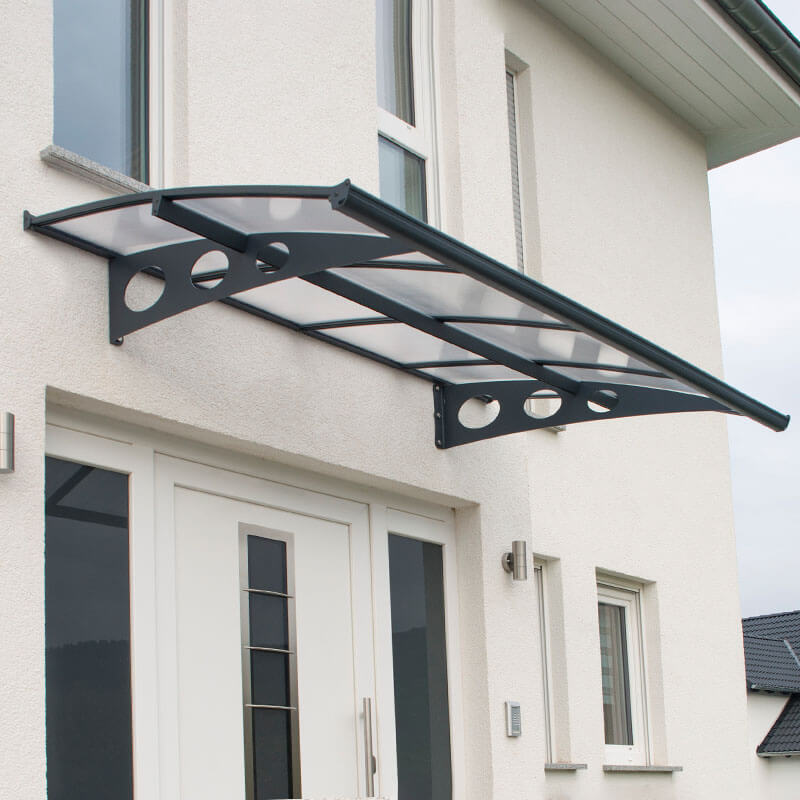
A curved door cover softens the entrance. The arch-like profile can sit nicely on traditional homes and can make a small doorway appear less boxy. The curve also gives rain a path away from the front edge, which some buyers prefer because it looks more fluid than a straight canopy.
Pitched or angled covers offer a more obvious roof-like shape. They often look a bit more substantial and can suit entrances that already have strong rooflines, gables or decorative trim. The pitched form can be useful when you want the cover to appear as an extension of the house rather than a separate add-on.
Then there are hooded and semi-hooded styles, which sit somewhere between a slim canopy and a deeper shelter. These are useful when you want modest coverage without a bulky structure. They can work well over secondary doors, side accesses and compact front entrances where every cm matters.
What sits inside this budget
Under £600, the category often includes covers that balance material choice, size and visual finish. You may find powder-coated metal frames with infill panels, polycarbonate glazing styles that let light through, and more decorative framed designs that add a defined edge to the doorway. The main point is that the budget still leaves room for a look that feels more finished than a very basic shelter.
Many buyers use this price band to choose between light-transmitting covers and solid-looking covers. A translucent option can brighten the entrance and help avoid that closed-in feel above a front door. A more opaque style can give stronger visual presence and a sense of privacy, which some people like for side entrances or doorways close to neighbours.
The budget can also influence the depth and width of the cover. A compact cover may be enough for a single front door, while a wider format can protect the area where two people stand, or where a door opens outwards and you still want dry space to pause. That difference sounds small, but in practice it shapes how comfortable the entrance is to use day to day.
Different kinds of door cover buyers usually compare
It helps to look at the main subtypes side by side, because each one solves a slightly different need:
- Entrance canopies – slim, direct overhead shelter for a single doorway
- Porch covers – broader structures that give more side and head protection
- Door hoods – compact covers with a neat, tucked-in profile
- Overdoor shelters – practical coverings that focus on stopping rain at the threshold
- Decorative covers – designs where the front elevation matters as much as the shelter
Each type has its own strengths. A door hood can be a tidy solution when the space is tight and the goal is simply to keep water away from the top of the frame. A porch cover is more generous and may feel better if the doorway is the main entrance used every day. A decorative cover can make sense where the front of the home needs a bit more presence, especially if the rest of the façade is quite plain.
Material choices and why they feel different
Material matters because it changes the tone of the entrance. A metal-framed cover usually brings a crisp, defined line. It often suits modern homes and can feel more architectural. Depending on the finish, it may read as understated or slightly industrial, which some people prefer over a softer look.
Polycarbonate panels are common in this sort of category because they can let light through while still giving overhead shelter. That is useful if the doorway is already shadowed, or if you want the entrance to stay bright without leaving the door fully exposed. This can be a good fit for narrow front paths too, where darkness can make the area feel smaller.
There are also covers that combine a frame with a more solid visual surface. These often feel a bit more substantial from the street. The difference is not just appearance; a more opaque look may suit homes where the entrance needs visual definition, while a lighter translucent finish can stop the cover from feeling heavy.
Within the under-£600 range, the trick is often choosing the material that fits the doorway’s character. A small cottage-style entrance may call for a softer profile, while a square, modern façade may look better with a sharper, minimal structure. Neither is better in every case, it just depends on the opening.
Little details that make a bigger impression
When shoppers compare door covers, the headline shape gets attention first, but the smaller details are where a lot of the difference shows. A narrow projection depth gives neat shelter without taking over the front of the house. A deeper projection can be more useful if you regularly stand in the doorway while unlocking, talking to someone or waiting for a parcel.
Edge treatment is another point. A cover with a more defined front line can make the entrance look sharper. Rounded edges feel gentler. A slightly arched front can pull the eye upwards, which may be useful on plain façades where you want a bit of movement. It sounds simple, but those small visual cues change how the whole entrance reads.
Colour also matters more than people think. Neutral tones tend to blend with brick, render and stone. Darker finishes can outline the doorway more strongly and hide the cover visually from a distance. A pale or translucent finish can sit quietly and let the entrance remain the focus. In a shop category, this means buyers can match the cover to the home rather than treating it as a generic add-on.
Practical advantages buyers are really looking for
The obvious advantage is shelter at the threshold. That means less direct rain on the area right before the door, and a more comfortable place to pause while opening or closing it. For side doors, this can be especially handy because those entrances often get used for quick in-and-out trips and need a bit of protection without turning into a full porch project.
Another benefit is how a cover can help the entrance feel more defined. Some doorways look unfinished without a visual top. Adding a cover gives them a clear start and stop point. It can also make a narrow or shallow front area feel more intentional, even if the rest of the property is fairly simple.
For homes where the doorway is visible from the street, a door cover can improve kerb appeal in a very direct way. Not in a flashy sense, but by making the entrance feel sorted. Buyers who are comparing options under £600 often want that effect: something neat, practical and not too expensive, but still noticeable enough to feel like a real addition.
How to choose between slim and more generous covers
Size is the point where many purchases are won or lost. A slim cover is ideal if you only need the top edge of the door shielded and the space around it is tight. It works well for modest entrances, side passages and homes where you do not want the façade to look crowded.
A wider cover gives more comfort around the doorway. It can protect a larger standing area and create a better transition between indoors and outdoors. If your door opens outward, or if the entrance is often used by more than one person at a time, that extra width can make a proper difference.
Depth is worth checking carefully. A cover can look fine in a photo but still feel too shallow in use. If you want the space to stay useful when it is raining hard, a bit more projection is worth considering. If the goal is mainly visual balance and light shelter, a slimmer form may be enough. This is where buyers save money wisely, rather than just buying the biggest option.
Matching the cover to the home’s style
A door cover works best when it feels like it belongs to the building. On a traditional home, buyers often lean towards curved or pitched forms because they sit more naturally with classic windows, masonry and decorative brick details. On a contemporary house, a flat or sharply angled cover tends to look more settled, especially when the front elevation already uses straight lines.
For homes with a lot of visual texture, such as strong brick patterns or mixed materials, a simpler cover often prevents the entrance from looking overworked. By contrast, if the frontage is very plain, a cover with a bit more shape can give it a clear focal point. The goal is not to overdecorate. It is to make the doorway feel complete.
Also think about the relationship between the cover and the door itself. A glazed door may pair well with a lighter, more open cover. A solid painted door can handle a slightly more structured canopy because the entrance already has a strong block of colour. These are small design decisions, but they help a lot when you want the final result to look considered rather than random.
Useful tips before buying
Before choosing, measure the door width, the area above the frame and the space the cover will project into. A tiny mistake here can make a good product feel awkward. Also think about what happens at the front step or threshold, because a cover that is technically the right size can still feel out of proportion if the path is very narrow.
Check whether you want the main effect to be shelter, light or visual framing. That one choice can narrow the field quickly. Buyers looking for more daylight often favour translucent styles. Buyers who want a stronger entrance shape may lean towards a more solid-looking design. Those who want a subtle, almost invisible addition may prefer something slim and pared back.
It is also worth considering how the cover will look from inside the home. Some people focus only on the exterior, but the view looking out through the doorway matters too. A cover that is too heavy can darken the entrance, while one with a lighter surface can keep the transition more open. That balance is a common reason shoppers choose one style over another.
Why this category is easy to shop with a fixed budget
A price ceiling of £600 gives structure to the search. Instead of scrolling through every possible entrance cover, buyers can focus on options that are realistic for their home and their budget. That makes comparison simpler, especially when weighing up shape, material, depth and appearance at the same time.
It also means the category can serve different kinds of projects. Some shoppers need a modest cover for a side entrance. Others want a more visible front-door feature that helps the house feel finished. The budget does not force one look. It just sets a sensible frame for choosing something practical, tidy and not overcomplicated.
For anyone trying to improve an entrance without turning it into a big build, door covers under £600 offer that useful middle ground. They can add shelter, shape and a more polished finish, while still staying in a range that feels approachable. And honestly, that is often exactly what makes them easy to choose.
[Sassy_Social_Share]