
Door Covers under £4000 - Best Deals in UK!
Showing all 2 results
-
21% OFF: 24â7 x 4â7 Palram Canopia Sophia XL 8000 Grey Clear Door Canopy (7.5m x 1.4m) £3,279.0021%

-
21% OFF: 27’9 X 4’7 Palram Canopia Sophia XL 9000 Grey Clear Door Canopy (8.45m x 1.4m) £3,689.0021%

Door covers under £4000 give you practical shelter, sharper kerb appeal and a more finished entrance, with options in polycarbonate, glass, aluminium and timber-style looks for front, back and side doors.
Small change at the door, noticeable difference outside
A door cover can do more than keep a bit of rain off the step. In this budget, you can look at a proper range of styles that shape the whole entrance: slim overdoor canopies, deeper porch covers, and more enclosed door shelters that help define the front of the house. The right choice depends on how much cover you want, how bold you want the frame to look, and whether the opening needs a neat, minimal line or something with a bit more presence.
Under £4000, there is room to choose details that matter in real use: the depth of the cover, the projection from the wall, how much side protection it gives, and whether it feels airy or more enclosed. That price band often opens up better material choices too, so you can compare lightweight aluminium against heavier framed designs, or go for clear, tinted, or opal panels depending on how much light you want to keep at the door.
Which type suits the space?
Door covers are not one-size-fits-all, and the differences show up quickly once you start comparing shapes. A shallow canopy can be enough for a sheltered front step where the aim is mostly to stop drizzle from hitting the keyhole. A deeper porch cover gives more standing space, so you can open the door without getting soaked or struggling with parcels. A more enclosed entrance cover can also help if the door faces wind, not just rain.
Bestseller der Kategorie Door Covers under £4000
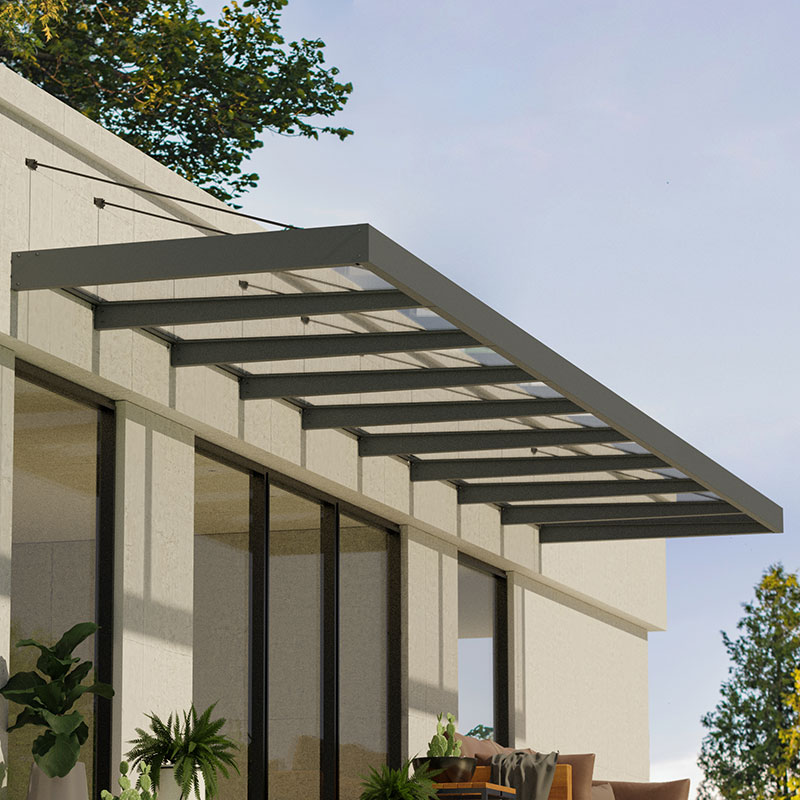
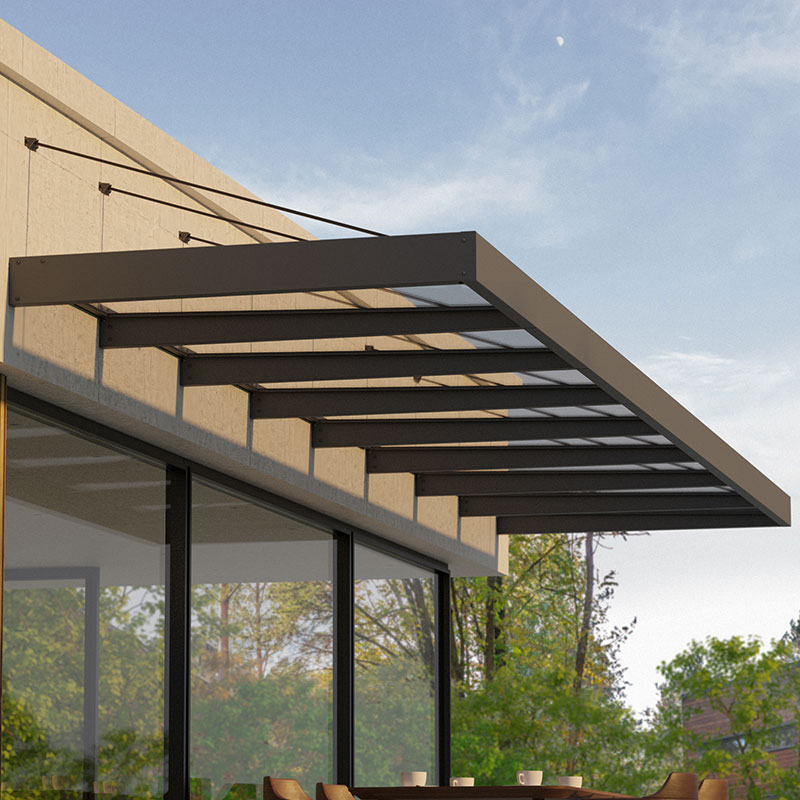
Common forms include:
- Flat or low-pitch canopies for a clean, modern line and modest rain shelter
- Curved covers that soften the front of a building and help shed water neatly
- Lean-to porch covers for a simple sloped roof look with useful headroom
- Gable-fronted covers that suit more traditional homes and create a more defined entrance
- Side-panelled shelters that give a bit more protection from wind driven rain
The shape changes the feel as much as the function. A flat profile often looks lighter and less obtrusive, while a gable or porch style can make the entrance feel more substantial. If the doorway is already narrow, a compact canopy may be the better fit. If there is room to create a small threshold area, a deeper cover can make everyday use feel easier.
Materials that make sense in this budget
In the under-£4000 range, you can compare materials that look and perform quite differently. Aluminium frames are popular because they stay visually neat and can support a range of panel types without looking bulky. Polycarbonate is often chosen where light weight and impact resistance matter, and it can be clear, tinted or opal depending on the level of brightness you want at the door. Glass brings a more solid, finished appearance and can work well when the entrance should feel bright rather than shaded.
There are also timber-look options and mixed-material designs, where the frame gives structure and the covering does the practical work. For buyers who want the entrance to match existing windows, doors or fencing, the surface finish can be almost as important as the structure itself. A darker powder-coated frame tends to feel crisp and architectural, while lighter tones can blend into brick or render more quietly.
It is worth noting the difference between appearance and coverage. A clear panel may look barely there, but still provide good overhead protection. An opaque or tinted surface can reduce glare and offer a bit more privacy, though it may also make the doorway feel less open. That trade-off is often the main decision point, not just the price.
Front door, back door, side door: not all entrances need the same cover
A front door usually benefits from a cover that adds a clear visual feature as well as shelter. Here, the shape of the canopy or porch can help frame the house and make the entrance easier to spot. A back door often needs something more straightforward: protection for carrying bags in and out, less splashing from the step, and a bit of overhead cover when unlocking the door in bad weather. Side doors can be awkward spaces, so compact designs often work best where every centimetre matters.
For side and rear entrances, a slimmer projection may be enough if the main aim is to keep the threshold drier. At a front entrance, a broader design can improve both comfort and the look of the house. If there is a path leading directly to the door, a cover can create a more intentional arrival point rather than leaving the opening exposed and flat against the wall.
What the budget can do without overreaching
With a ceiling of £4000, the choice is usually about getting the right balance rather than paying for unnecessary extras. That amount can allow for better-looking finishes, stronger frame materials, and more considered sizing. It also gives room to think about whether you want a very simple cover or something with enough visual weight to sit comfortably on the building.
Shoppers often compare three things first: size, material, and coverage. Size affects how well the entrance works day to day. Material affects the look and how solid the cover feels. Coverage affects how much the doorway is protected from rain, wind and direct sun. Once those are clear, the rest becomes much easier to narrow down.
There is also a practical difference between a cover that merely shades the top of the door and one that extends enough to protect a person standing there. If you frequently receive deliveries, carry shopping in, or need a moment to find keys, a deeper projection is usually worth considering. If the entrance is tucked into a recess already, a smaller canopy might be all that is needed.
Clear, tinted or opaque: light matters more than people expect
The panel finish can change how the whole entrance feels. Clear panels let daylight through and keep the entrance feeling open, which helps where the doorway already sits in shade. Tinted panels cut some brightness and can reduce glare on sunnier spots. Opaque or opal panels soften the light and give the cover a calmer visual presence, often making the entrance feel less exposed from above.
This choice is not just cosmetic. A clear canopy may show up dirt and weather marks more obviously, though the request here is not about cleaning. More importantly, it keeps the door area brighter, which can matter if the doorway is tucked against a wall or under trees. An opaque finish can feel more private and more deliberate, especially on doors where you do not want direct views down into the entrance.
Useful differences in frame style and shape
Frame style changes the tone of the whole installation. A slim frame looks modern and quiet, while a thicker profile can feel more solid and traditional. The same is true of edge detail: a neat squared-off line gives a sharper look, whereas softly rounded edges can make the cover seem less rigid. Those small visual differences can help the cover match the rest of the property without needing to copy every detail.
There are also functional differences in the way some shapes deal with weather. A curved canopy can help water run away more naturally, while a pitched porch-style design creates more headroom at the entrance. A flat canopy suits tighter spaces and keeps the design restrained, but a pitch can feel more comfortable if the doorway is frequently used by taller people or if parcels and umbrellas are part of the daily routine.
If the building already has strong lines, a straightforward cover can sit neatly without competing. If the entrance is plain, a more defined porch shape can add structure without needing any other changes. That is one reason people compare door covers not just by size, but by the character they bring to the front of the house.
Details worth checking before you choose
When looking at door covers under £4000, a few details can make the difference between a good fit and a clumsy one. Check the projection from the wall, because a cover that is too shallow may look right on paper but feel limited in practice. Look at the width relative to the door and frame, because the cover should feel balanced, not tiny or overhang too far. Pay attention to side clearance if there are windows, drains, lights or neighbouring features close by.
It also helps to think about the entrance as a sequence rather than a single door. Where does the path end? Is there a step, a landing or a porch base? A cover should relate to that space instead of hovering above it. If there is already a brick arch, recess or canopy line, matching the depth and proportion can make the result feel much more settled.
Another useful point is how the cover changes the look from inside and outside. Some buyers focus only on the exterior view, but the underside is what you see every day when stepping out. A tidy underside, with a frame and panel arrangement that feels deliberate, tends to look better than something that appears improvised.
Why buyers keep coming back to door covers
People often start with weather protection and end up appreciating the entrance upgrade just as much. A covered door feels more orderly. It gives a clear arrival point. It can make a house seem better kept without changing the whole frontage. And in practical terms, it reduces the awkward pause of standing in the rain while unlocking the door or waiting for someone else to open it.
Different users value different benefits. Families may want a cover that gives a bit of space for bags, school items or muddy boots at the threshold. Home workers may prefer a brighter doorway that feels open but still protected. Buyers focused on appearance might want a shape that frames the front of the house and works with the windows rather than sitting awkwardly above them.
In this budget range, you are often choosing between different kinds of usefulness, not between useful and useless. That is a good sign. It means there is room to be selective about the exact form that fits the entrance best.
Quick buying pointers that help narrow the list
- Choose the depth first if your main aim is rain protection for standing at the door
- Choose the shape second if you want the cover to match a modern or traditional frontage
- Check the light level at the doorway before deciding between clear, tinted or opaque panels
- Match the frame tone to doors, windows or nearby exterior finishes for a calmer look
- Think about usage if the door is used for deliveries, daily exits or just occasional access
- Allow for surrounding space so the cover does not crowd windows, lamps or path edges
A better entrance without making it complicated
Door covers under £4000 offer a workable middle ground: enough choice to be selective, not so much that the decision becomes messy. Whether you are after a compact canopy, a more sheltered porch cover, or a shaped entrance that changes the look of the house, the key is matching the form to the doorway rather than chasing extra features you do not need.
Look closely at material, shape, projection and light transmission. Those four points usually tell you more than a long product list does. If the cover feels balanced with the house, suits the way the door is used, and gives the amount of shelter you actually want, then it is doing the job properly.
For anyone comparing options in a garden shop category, this is the kind of purchase that can quietly improve daily use and the whole first impression at the same time. Not flashy, not overdone, just a solid addition that makes the doorway feel more finished.
[Sassy_Social_Share]