
Door Covers under £3000 - Best Deals in UK!
Showing the single result

Door covers under £3000 for garden and outdoor spaces: compare porch-style covers, door canopies, awning covers and weather shields that add shelter, style and a cleaner finish.
Why a door cover changes the whole feel of an entrance
A good door cover does more than sit above a doorway. It shapes the first impression of a house, a shed, a side entrance or a garden room, while giving the opening a more finished look. In the under £3000 range, you can find options that feel more considered than a basic rain hood, yet still stay within a practical budget. The appeal is not only visual. A cover helps create a calmer threshold, especially where the door is exposed to wind, splashback, or changing weather. That makes it easier to keep the entrance area looking neat, and in many cases it can also make the doorway more usable day to day.
For garden buyers, the category can cover quite a few different uses. Some people want something slim and discreet over a side door. Others are looking for a broader cover for a patio-facing entrance or a garden outbuilding. The difference often comes down to the shape, the depth, and how much of the area around the door needs shelter. That is why this category works best when you compare the structure, not just the style.
Shapes that do different jobs, not just different looks
Door covers come in a range of forms, and the shape affects how they perform. A flat canopy gives a modern, pared-back line and suits cleaner architectural styles. It tends to sit neatly above the door without drawing too much attention. A curved cover softens the look and can help water run off more naturally. Then there are angled designs, which can create a more traditional finish and often feel a bit more substantial over a doorway.
Bestseller der Kategorie Door Covers under £3000
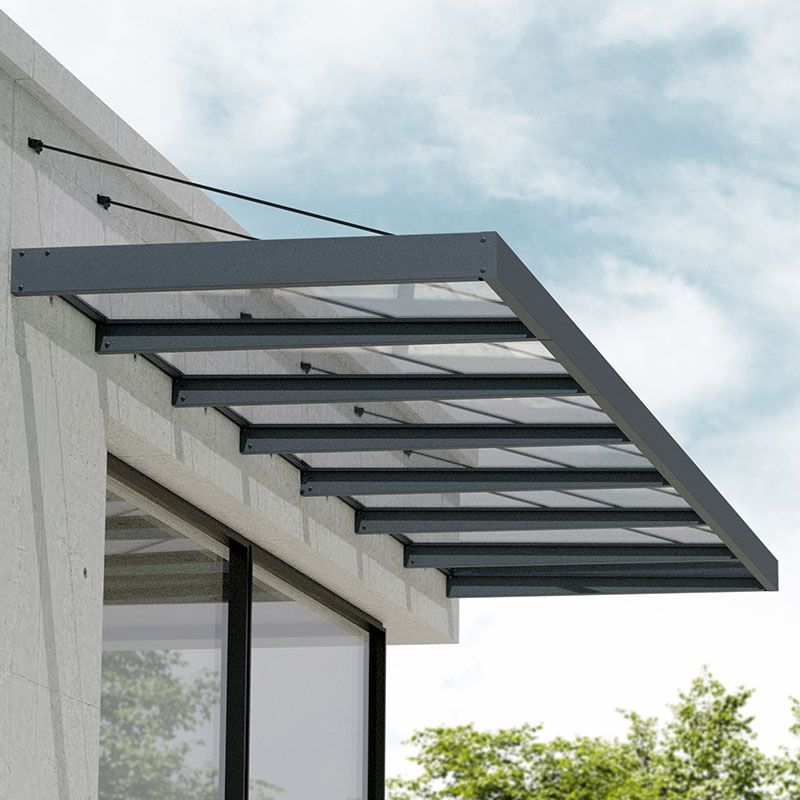
Some covers are narrow and focused, designed simply to protect the immediate threshold. Others project further out, giving room to stand while unlocking the door or taking off muddy boots. In a garden setting, that extra depth can make a real difference. A cover with a deeper projection may also help reduce splash from paving or gravel close to the entrance. If the door opens onto a path, deck or steps, the shape needs to work with that layout rather than fight it.
Wall-mounted covers are popular where space is tight, while freestanding or partially supported styles can suit broader entrance zones. Some buyers prefer a compact profile because it feels lighter against the building. Others want a more architectural frame around the doorway. Neither is better in every case, and that is the point: the right shape depends on how the entrance is used, how exposed it is, and how much visual weight you want above the door.
Under £3000: where practicality starts meeting better materials
This price range opens up a more confident choice of finishes, sizes and construction details. You are not looking at throwaway pieces, but you are also not forced into a very high-end project. That middle ground is useful because it often gives you enough room to choose based on the doorway itself rather than only on price. A well-chosen cover under £3000 can feel tailored to the building, especially when the dimensions are balanced with the surrounding wall space.
In this budget, buyers often compare metal-framed covers, polycarbonate-topped canopies, glass-look options, and more solid architectural styles. The main differences tend to be in appearance, light levels, and how prominent the cover feels from the garden. Some designs are intended to look discreet and modern, while others create a more sheltering presence with stronger lines and deeper shade. If your doorway already has a lot going on — brick detail, cladding, planting, lanterns — a simpler cover may work best. If the entrance feels plain, a stronger form can add definition without needing a full porch build.
It is also the sort of budget where measurement matters a lot. A cover that is too shallow may look fine in a photo but not do enough in real use. One that is too broad can overwhelm a small doorway. The sweet spot is often a width that lines up with the door and surrounding trim, with enough projection to catch rain before it reaches the threshold. That balance is often what makes a cover feel like part of the property rather than an add-on.
Different sub-types and what each one brings
There are several sub-types worth comparing when shopping in this category:
- Door canopies – usually compact, practical and focused on direct overhead shelter.
- Porch-style covers – broader in feel, often giving a more enclosed or framed entrance impression.
- Entrance awnings – lighter-looking options that suit a softer visual effect.
- Weather hoods – slim covers that sit close to the wall and work well where space is tight.
- Side-door covers – useful for utility entrances, garden access points and less formal openings.
The difference between these is not only size. A canopy is often chosen for quick shelter and a clean silhouette. A porch-style cover may offer a stronger sense of enclosure, helping the entrance feel more intentional. An awning-style cover can feel lighter and less dominant, which is handy on smaller houses or garden buildings. A weather hood is typically the most restrained in appearance, making it a good choice when you want function without a bulky frame. These differences matter when matching the cover to the building’s character.
How style changes the entrance without overdoing it
A door cover is one of those parts of a home that can be fairly quiet in design, yet still change the whole front or side elevation. A narrow, straight-lined canopy can sharpen up a plain doorway. A deeper cover can make a simple entrance feel more settled and complete. If your garden path leads to a side or rear door, the cover can act as a visual marker, helping the doorway read as a proper entrance rather than just another opening in the wall.
For buyers who prefer a practical finish, a slim and simple shape is usually the easiest route. For those who want the entrance to feel more framed, a cover with a more pronounced edge or slight curve may suit better. The finish also matters. Darker tones often blend into the doorway and let the building speak for itself. Lighter or metallic finishes can stand out a bit more and suit contemporary settings. None of this needs to be flashy. Often the best choice is the one that looks as though it should have been there from the start.
Proportion is a big part of the decision. A small cover above a wide door can feel underdone. A huge one above a narrow side entrance can look a bit heavy. The right balance makes the entrance feel considered, which is usually what buyers notice even if they cannot say exactly why it works.
The useful bits buyers tend to compare first
When people browse door covers, the main comparison points usually are:
- Depth – how far the cover projects from the wall.
- Width – whether it covers just the door or gives extra side protection.
- Profile – slim, curved, angular or more substantial.
- Finish – how it sits with brick, render, timber or cladding.
- Light impact – whether the cover keeps things open or creates more shade.
- Visual weight – how bold it looks on the wall.
These details sound small, but they are exactly what determines whether a cover feels right. A deeper profile can help with wet weather, but it may also make the doorway look more enclosed. A slim profile can feel neat and modern, though it may not create the same degree of shelter. A wider cover may be useful for double doors or areas where people often pause at the threshold. The right option depends on how the entrance is used, not just how it photographs.
When a modest budget still gives you choice
Under £3000 is a useful bracket because it allows for a proper step up in appearance without drifting into projects that need too much commitment. It is enough room to think about the entrance as part of the garden layout. That might mean choosing a cover that lines up with paving, steps or a path run, or one that sits neatly beside planting and boundary walls. In garden retail, these details are often what help a product feel fitting instead of randomly placed.
This budget also lets you compare different degrees of shelter. Some covers are mainly about stopping rain at the top of the door. Others help create a drier standing area just outside the entrance. If your doorway is used often with shopping bags, plant pots, bins or muddy footwear, a slightly broader cover can be more useful than a very shallow one. If the entrance is mostly decorative or only used occasionally, a simpler model may be enough.
There is also a difference between choosing a cover for a front-facing entrance and one for a garden access point. A front door cover often needs to look tidy and balanced from the street. A side or rear door cover can lean more toward function, especially where the area is hidden from direct view. That is why this category is broader than it first sounds. The best pick often comes down to the doorway’s role in the property.
Buying tips that make the shortlist easier
Before settling on a door cover, think about how the doorway is actually used. If the door swings out into the area, make sure the projection and position will not feel awkward. If the entrance sits under an upper window or close to another feature, a compact model may be better than a broad one. For garden settings, also think about whether nearby planting or furniture changes how the doorway reads from a distance. A cover can look very different once it is surrounded by pots, gravel, timber screening or a paved path.
It helps to compare not only the cover itself but the shape of the wall area around it. A tall narrow doorway often suits a slimmer canopy. A wider opening can take a more substantial form. If the building has clean lines, avoid something too ornate unless that is the style you want to carry through the rest of the garden. If the property already has a softer, older character, a curved or more framed cover may sit more naturally.
One practical tip is to imagine the entrance in bad weather rather than in sunshine. That is usually when a door cover proves its worth. Think about where the rain comes from, whether the doorway is exposed to wind, and whether people have a place to stand while opening the door. Those factors can make a simple cover feel much more useful than it might first appear.
What makes one cover feel better than another
Two products can look similar at first glance and still feel quite different once they are placed on the building. One may have a cleaner edge, another a more supportive stance. One may blend in, another may become a feature. The differences are often subtle: the amount of depth, the finish, the way the front line is shaped, or how heavily the cover sits against the wall. These things matter because a door cover is visible every day. It needs to feel right from close up and from across the garden.
There is also the question of practical presence. Some buyers want a cover that simply does the job and disappears into the architecture. Others want the entrance to look more defined, as though the doorway has been given a proper frame. Neither approach is wrong. The best result is the one that supports the building and the way you use it. In that sense, the category is less about buying an add-on and more about choosing the detail that completes the entrance.
A category that earns its place without shouting for attention
Door covers under £3000 sit in a sweet spot for buyers who want something useful, neat and visually settled. You can choose a compact canopy, a porch-style cover, a slim weather hood or a more framed entrance design, depending on how the doorway works and how much character you want it to have. The main advantage is flexibility: enough choice to suit modern garden buildings, side entries and front doors, without stepping into an overcomplicated project.
If you are comparing options, focus on the things you will notice every day: how the shape sits above the door, how much shelter it gives, how the finish works with the building, and whether the size feels in proportion. A good door cover does not need to try hard. It just needs to look like the doorway always meant to have it there.
[Sassy_Social_Share]