
Door Covers under £2500 - Best Deals in UK!
Showing all 2 results
-
21% OFF: 15â5 x 4â7 Palram Canopia Sophia XL 5000 Grey Clear Door Canopy (4.71m x 1.4m) £2,049.0021%

-
21% OFF: 18â6 x 4â7 Palram Canopia Sophia XL 6000 Grey Clear Door Canopy (5.65m x 1.4m) £2,459.0021%

Door covers under £2500 for gardens and entrances: compare porch covers, door canopies, lean-to covers and solid roof options that bring shelter, style and a neater finish to the front of your home.
Why a door cover changes the feel of the whole entrance
A good door cover does more than keep the rain off the threshold. It frames the entrance, gives the front of the house a more considered look and can make stepping in and out feel less exposed. For many homes, the right cover also helps create a clear transition between outside and inside, which is handy when you’re carrying shopping, moving garden shoes, or just trying not to get drenched in a classic British shower.
In this category, door covers under £2500 sit in a useful middle ground. They can be simple enough to suit a small doorway, yet substantial enough to make a real difference in appearance and shelter. Buyers often compare them for shape, material, coverage depth, and how much visual weight they add to the front of the house. That’s where the choice starts to get interesting.
Shapes that actually matter, not just on paper
Door covers come in a few main forms, and each one changes both the look and the way rain is handled. A shallow canopy gives light cover and keeps the doorway from feeling boxed in. A deeper porch-style cover extends further out, so it can give more protection to the steps or the person standing there with keys in one hand and a bag in the other.
Bestseller der Kategorie Door Covers under £2500
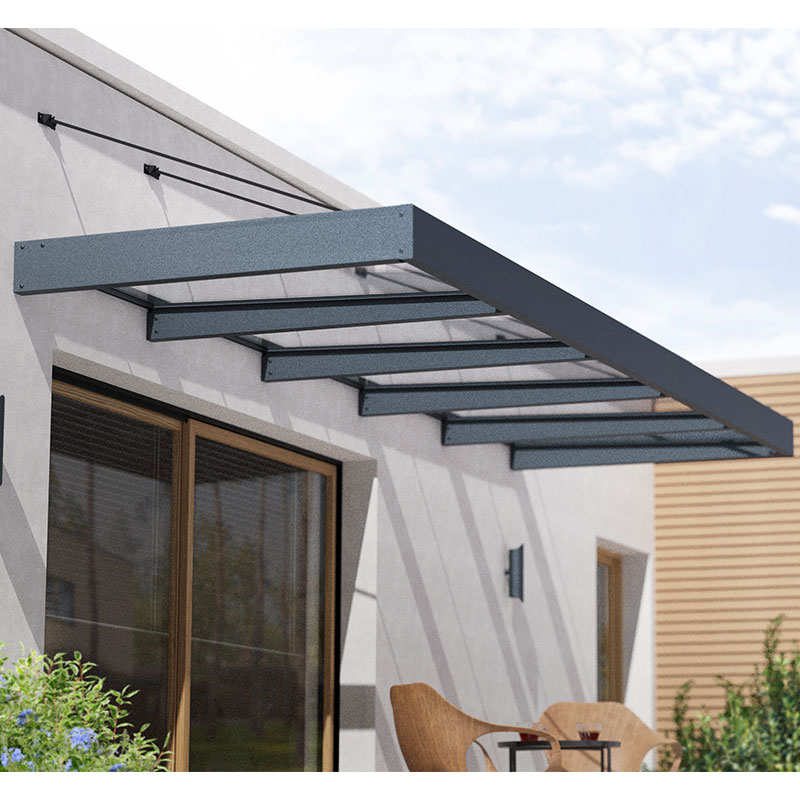
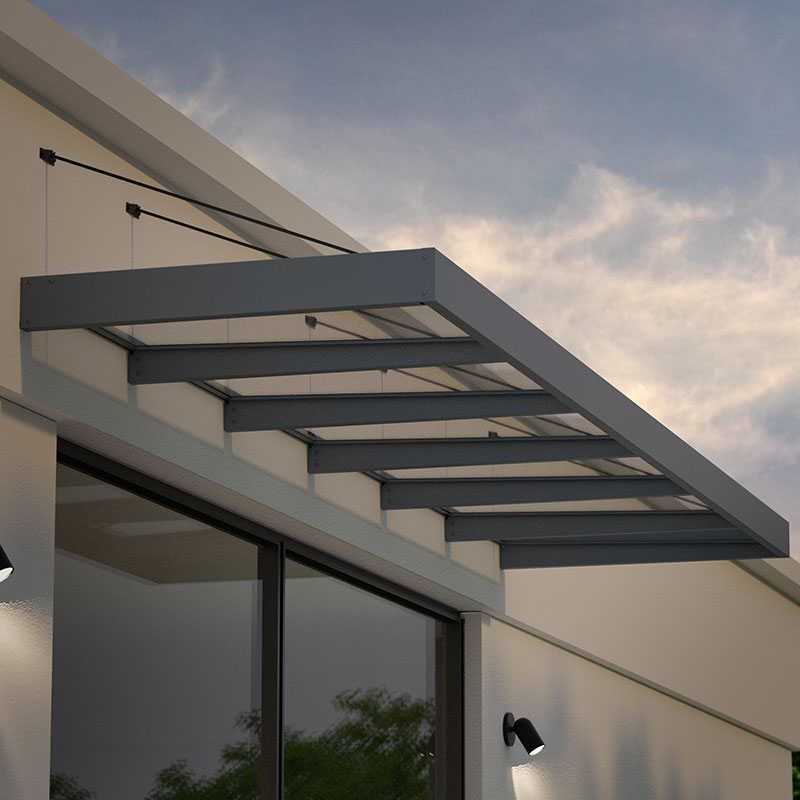
Flat covers tend to look clean and modern, especially on simple brick or rendered façades. Curved or arched covers soften the front elevation and can echo older windows or traditional detailing. Pitch-roof designs help rain run off quickly and often suit houses with visible roof lines, while lean-to covers keep things practical and compact. The shape isn’t just a style choice; it affects drainage, how much headroom you keep, and how the cover sits against the wall.
- Flat door covers – neat, understated and often used for a more minimal entrance.
- Pitched door covers – useful where you want rain to shed away fast and the front needs a stronger roof-like look.
- Curved covers – softer in appearance and often chosen to avoid hard lines at the doorway.
- Deep porch covers – better when extra standing space is important.
- Compact canopies – good for narrower doors or tighter frontages.
Material choices and why they feel so different
Material has a big say in how a door cover looks and how heavy it appears from the street. Timber-framed covers can bring a warmer, more traditional feel and often suit homes with garden-led character. They work well when you want the entrance to feel part of the landscape rather than a bolt-on feature. Aluminium-framed covers lean towards a sharper finish, with slimmer lines and a more contemporary edge. They’re often chosen when the front of the house already has a crisp, modern look.
Polycarbonate roofing is common in lighter covers because it lets in light without making the entrance feel dark. That matters on north-facing doors or darker porches. A solid roof cover, by contrast, gives a more enclosed feel and can suit front doors that get a lot of weather exposure. The material affects sound too: lighter roofs can give a slightly different feel in heavy rain, while solid roof builds tend to seem more settled and less airy.
For buyers comparing options under £2500, the material often decides whether the cover feels like a decorative frame or a practical shelter. Neither approach is wrong; they just solve different problems.
What you gain when the doorway gets proper cover
The most obvious benefit is shelter from rain, but there’s more going on than that. A well-chosen door cover can help keep the doorstep drier, which means the area just inside the door is less likely to pick up water and mud. That’s useful in homes with active gardens, children, pets, or simply a lot of coming and going.
Another benefit is visual balance. An uncovered front door can sometimes look a bit stranded, especially on wide facades. A cover gives the entrance a more finished outline. It can also make the doorway easier to identify from the street, which is practical if the front of the house has little other detail.
Some buyers like the sense of privacy at the threshold. A deeper porch-style cover can give just enough shielding to stand under while unlocking the door, without feeling fully shut in. That small change in how the entrance is used can be surprisingly noticeable day to day.
- Better shelter at the front door during rain and drizzle.
- Cleaner threshold area around the entrance.
- Clearer visual framing for the front door.
- More usable standing space for arrivals and departures.
- Improved street presence without changing the whole facade.
Differences that are easy to miss until you compare them side by side
Two door covers might look similar at a glance, but small differences can change the result quite a bit. Projection is one of the main things to check. A shallower canopy can be fine for light shelter, but if the door sits in a windy or very wet spot, a deeper cover may do a better job of taking the edge off the weather. On the other hand, a deep cover can look a bit bulky if the front of the house is narrow.
Fixing style also matters. Some covers are designed to be wall-mounted in a very neat way, which suits compact entrances. Others read more like a small architectural feature, with visible support brackets or stronger framing. The visible structure changes the tone: some homeowners want the cover to disappear into the front of the house, while others want it to stand out a little.
Then there’s the difference between open-sided covers and more enclosed porch forms. Open-sided versions keep things lighter and less formal. More enclosed styles feel more like a proper mini-vestibule. If you’re choosing under £2500, it’s worth asking whether you want a simple weather shield or a more defined arrival space. That answer narrows the field fast.
Useful buying points that tend to make the decision easier
Because this is a practical purchase as much as a visual one, the details matter. Look closely at the width of the doorway, the depth of the cover, and the line of the roof in relation to your front wall. A cover that looks fine in a product image can feel too low or too shallow once it’s next to your actual entrance. It sounds obvious, but it’s the sort of thing people sometimes only spot after measuring twice and still being a bit surprised.
Think about whether the entrance gets a lot of direct rain, wind, or afternoon sun. A cover with more depth may be more useful if weather blows straight toward the door. If the front of the house already has strong architectural lines, a simpler canopy may be enough. If the entrance feels bare, a more substantial porch-style cover can provide a better sense of presence without changing the whole frontage.
It also helps to consider how the cover relates to the garden side of the property. On homes where the front door opens close to planting, paths, or boundary features, a cover can make the entrance feel more intentional, almost like part of the garden design rather than something separate from it.
- Check projection depth against your doorstep space.
- Match the style to the existing house lines.
- Decide between open and enclosed depending on how sheltered you want the entrance to feel.
- Look at roof pitch if rain runoff is a concern.
- Keep proportions in mind so the cover sits naturally over the door.
When a lighter canopy works better than a full porch
Not every home needs a large, wrapped-around entrance cover. A lighter canopy can be a better fit where the doorway already has character, or where space is tight and you don’t want the front elevation to feel crowded. These smaller forms often appeal to buyers who want a clear improvement without making the entrance look too built-up.
Lighter covers are also useful where the main aim is to give a bit of shielding while keeping the front door visually open. They can suit modern homes, cottage-style houses, and side entries where the cover is doing a specific job rather than trying to create a whole porch area. The difference between a canopy and a porch is not just size; it’s how much of the entrance you want to redefine.
If the front of the property already has a lot going on — brick detailing, decorative glazing, or a narrow path — a compact door cover can help without adding clutter. That restraint can be useful, especially under a budget where you’d rather spend on the right fit than on extra structure you don’t really need.
When a deeper cover earns its keep
A deeper porch cover makes sense when the entrance is used a lot, or when you want a more sheltered space to pause before opening the door. This is especially handy if the front door opens directly to steps or a landing where standing in the weather is not ideal. A deeper cover can make that small pause feel more comfortable and less exposed.
These covers also help define the entrance as a proper part of the home’s architecture. They can add a stronger sense of order to the front facade and make the doorway look as though it belongs there, rather than being simply fitted into the wall. That can be a real advantage on houses where the entrance feels a bit plain or where the proportions are awkward.
There is, of course, a trade-off. A deeper cover asks for more visual space and sometimes more careful matching to the house style. But for many buyers, that is the point: more shelter, more presence, and a more comfortable threshold.
Budgeting under £2500 without losing the plot
The under £2500 bracket gives room for a considered choice. You’re not stuck with the most basic option, but you also don’t need to drift into unnecessary complexity. That means you can weigh up finish, shape and coverage in a practical way. If the front of the house needs only a neat shield over the door, a simpler cover can leave more of the budget for a tidy, well-matched finish. If the entrance needs to feel more complete, a porch-style design may be worth prioritising.
It’s useful to compare products based on what they actually add to the doorway: does the cover make the entrance drier, sharper, more sheltered, or simply more decorative? Often the best buy is the one that solves the specific problem at hand. A good fit tends to feel quieter in a positive way — not shouting for attention, just making the front of the house work better.
Small details that make a big difference at the doorway
People often notice the big things first — shape, colour, size — but small details can affect satisfaction just as much. The line of the edge, the look of any brackets, the way the roof sits against the wall, and whether the cover feels balanced above the door all play a part. A cover can be technically correct and still feel slightly off if the proportions are awkward.
For that reason, it helps to think about the cover as part of the front elevation, not just an accessory. Some homes suit a cover that looks almost invisible from a distance. Others need a stronger feature that anchors the doorway and gives it proper presence. There’s no single right answer, only the one that fits the house and the way you use the entrance.
That’s what makes door covers under £2500 such a useful category: there’s enough variety to compare forms, materials and levels of shelter, but still a clear limit that keeps the search focused. A well-chosen cover can turn a plain doorway into a more practical and more satisfying entrance, with no fuss and no overcomplication.
[Sassy_Social_Share]