
Door Covers under £2000 - Best Deals in UK!
Showing all 2 results
-
18% OFF: 12â5 x 4â7 Palram Canopia Sophia XL 4000 Grey Clear Door Canopy (3.79m x 1.4m) £1,699.0018%

-
12% OFF: 22â x 4â7 Palram Canopia Herald 6690 Grey Mist Large Door Canopy (6.71m x 1.39m) £1,579.0012%

Door covers under £2000 for gardens and home entrances: browse porch canopies, overdoor shelters and entrance covers in metal, polycarbonate and timber-look styles, with options for rain, shade and a tidier front
Why a door cover can change the whole front of a home
A good door cover under £2000 does more than sit above the doorway. It can help make an entrance feel more finished, give a bit of cover when the weather turns, and create a cleaner line between the house and the garden. In this price range, buyers often look for a balance between practical shelter and neat design, without going into the premium end of bespoke build projects.
For garden shops and outdoor living spaces, that often means choosing between simple overdoor canopies, wider porch covers, and more statement-led entrance shelters. Some are compact and discreet, while others are made to feel like part of the architecture. The difference is not just how they look. It is also about how much cover they offer, how much space they take up, and how well they suit the style of the doorway.
Shapes that do more than look neat
Door covers come in a few main shapes, and each one gives a different feel. A flat canopy keeps things sharp and simple. It tends to suit modern homes, garden rooms, and clean-lined extensions. It can also feel less bulky over smaller doors where a heavy frame would look out of place.
Bestseller der Kategorie Door Covers under £2000
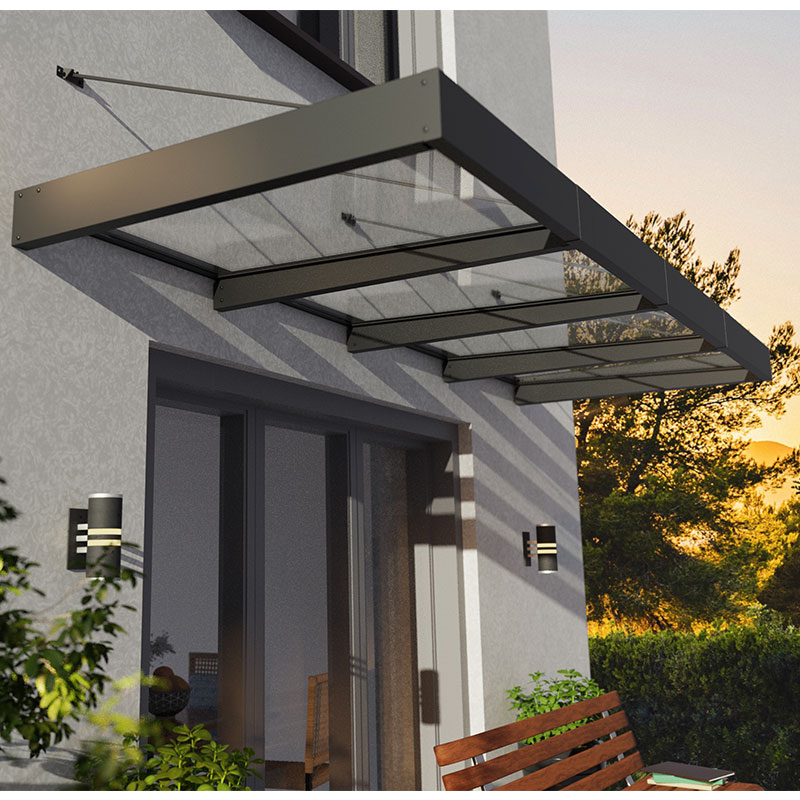
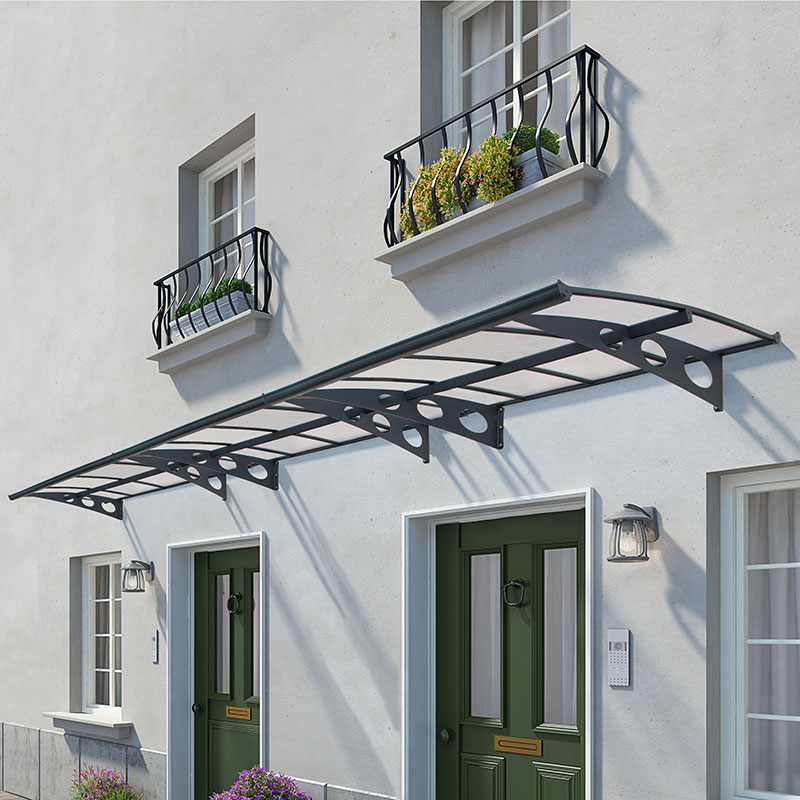
A curved or arched cover softens the front of the home. It often works well where the doorway itself has a gentler shape, but it can also break up a very straight facade. Then there are pent-style covers, where the slope helps shed rain away from the entrance. They are common because the shape looks practical and usually feels quite easy on the eye too.
Some categories also include full porch-style covers that extend further than a simple canopy. These can create a little threshold area and help the doorway feel more sheltered. If the entrance is set back, a deeper form can make that space more useful rather than just decorative.
Materials that suit different budgets and finishes
When looking at door covers under £2000, the material often shapes the whole buying decision. Powder-coated aluminium is popular because it brings a crisp finish and usually suits modern exteriors. It is often chosen for a lighter visual look, especially where buyers do not want the entrance to appear too heavy.
Steel-framed covers tend to feel more substantial and are often used where a stronger architectural presence is wanted. They can work well with brick, render, and darker door colours. By contrast, timber-look finishes can soften the appearance and sit nicely against cottages, garden lodges, and homes that want a less industrial feel.
Another key choice is the roof or top panel. Polycarbonate panels are common because they allow light through while still giving cover. That can be useful if the area by the door feels dim already. Opaque or tinted finishes, on the other hand, can reduce glare and help the entrance feel calmer. The right pick depends on whether you want more light at the threshold or a more shaded, private look. Both have their place, honestly.
Open, semi-open or enclosed: not all covers do the same job
Some door covers are very light in structure, with just enough framing to shelter the doorway. These suit buyers who mainly want rain protection and a tidy visual line. They are often less intrusive and can work well above a front door that already has a porch area or recessed frame.
Semi-open covers usually offer more defined edges and sometimes side support. That gives the entrance a more built-out feel, and it can make the approach to the door seem more settled. They often sit in the middle ground between a simple canopy and a full porch enclosure.
Enclosed or deeper porch-style covers are different again. They can create a stronger sense of boundary at the front of the home and are often chosen when the doorway needs extra shelter from wind-blown rain. They also tend to look more integrated with larger front elevations. The trade-off is that they need more space and can feel too dominant on a narrow frontage.
Little differences that matter more than they first seem
At first glance, two door covers may look quite similar. But small details can change how they work and how they feel. The projection from the wall matters because it affects how much of the standing area is actually covered. A short projection can look neat, but it may leave little room for stepping aside with bags or shaking off rain. A deeper cover gives more usable shelter, though it needs the frontage to be able to take it.
The width also matters. A cover that is only a touch wider than the door can feel tailored and compact. One that extends beyond the frame may help protect a side window or give a more balanced appearance. This is often one of those details people notice after installation, so it is worth getting right before ordering.
Fixing style is another point. Some door covers are made to be visually light, while others show a more visible bracket or support line. That changes the look a lot. A visible frame can add character, but a slimmer profile can feel cleaner, especially when the rest of the exterior is already busy.
What buyers usually gain from a cover at the doorway
The practical appeal is easy to understand. A door cover can help keep the doorway drier when rain hits, giving a bit of protection while unlocking the door, taking deliveries, or coming in from the garden. That small sheltered zone can make everyday use feel more comfortable, especially on homes where the door opens straight outside.
There is also a visual benefit. A front entrance can look unfinished without something to define it. A well-chosen cover can make the door feel more intentional, as if the entrance has been given a proper frame. For buyers planning a front garden refresh, that can be as important as the shelter itself.
Some covers also help with shade on sunny aspects, which can be useful if the door faces south or west. And for homes where the entrance is visible from the street or garden path, a cover can bring the front elevation together in a way that feels more thought through. It is a small change, but it can shift the whole look. Not in a dramatic way, just enough.
How to choose between compact and statement styles
If the doorway is narrow, a compact overdoor canopy may be the better fit. It keeps things neat and avoids overpowering the frontage. This can be a good option for side entrances, garden access doors, and smaller houses where the cover should be functional without taking centre stage.
If the front of the home has a broader wall area, a more architectural porch cover can work well. These are often picked where the entrance needs a stronger frame, or where the buyer wants the door area to feel more like a proper arrival point. They can add presence without needing to go into a fully enclosed porch build.
For buyers who want something that feels somewhere between the two, a semi-deep canopy is often the sensible middle route. It gives more visual substance than a tiny overhang, but it does not ask for the same space or visual commitment as a larger structure. That balance is why it ends up being a common choice.
Materials and forms that suit different looks
Modern homes often suit straight edges, slim frames and neutral finishes. A flat roofline with a dark powder-coated frame can look calm against render or smooth brick. It gives a crisp outline that does not fight with the architecture.
Traditional homes often suit softer shapes or timber-style detailing. A curved or pitched cover can echo older doorway forms and sit better with cottages, period terraces, or properties with painted woodwork. It should feel like it belongs there, not like a bolt-on afterthought.
For buyers who want something in between, a simple metal frame with a translucent roof panel can be a good compromise. It keeps the entrance bright, but still gives a clear shape. In category terms, that mix is useful because it appeals to shoppers who want function first but still care about how the front of the home reads from the path.
Useful buying points that save a lot of second guessing
Before choosing a door cover, it helps to check the available wall width, the door swing, and how far out the cover can project without feeling awkward. A cover that looks perfect in the product image may not suit a narrow step or a doorway with nearby lighting, downpipes, or side glazing.
It is also worth thinking about what the cover should do most: keep off rain, soften bright sun, or add a more finished entrance. Not every cover excels at all three. Some are more about shelter, others more about appearance. Buyers often make better choices once they decide which job matters most.
Another tip is to consider how the cover works with the front garden path or paving. If the approach is open and visible, a lighter canopy may feel best. If the entrance is exposed or set back, a deeper form can give a more protective arrival point. The setting around it really does change the effect.
What a £2000 budget can open up
With door covers under £2000, shoppers can usually look at a decent spread of styles rather than being pushed into the very basic end. That can mean better finish options, more considered shapes, and covers that feel less temporary. It is a useful budget point for anyone trying to improve the front of the home without taking the project into a bespoke build range.
It also allows for choice between different visual moods. A buyer can go subtle with a slim canopy, more robust with a framed shelter, or more decorative with a cover that gives the doorway extra structure. This is where the category gets interesting, because the spend can shift the result from simply practical to properly coordinated with the home’s exterior.
The better part is that there is room to think about style, proportion and use at the same time. That usually leads to a stronger purchase. People often say they want a cover for rain, but what they really want is an entrance that feels sorted. That is the bit the right cover can do.
Choosing with the doorway, not just the product, in mind
The best results usually come from matching the cover to the door itself. A small door under a tall wall needs a different treatment from a wide front entrance with space to breathe. A cover that sits comfortably in the scale of the house will always look more deliberate than one that is simply the first attractive option on the page.
Think about the height of the opening, the surrounding brickwork or render, and whether the entrance already has strong features such as sidelights, fanlights or bold house numbers. These details affect whether a canopy should fade into the background or act as a visual frame. There is no single right answer, which is actually the nice part.
So when browsing this category, it helps to look beyond the headline shape. Compare the profile, depth, frame style and roof finish. Those are the details that decide whether a door cover just fills a gap or genuinely improves the front of the home.
- Flat canopies for a clean, modern line
- Curved covers for a softer entrance feel
- Pent-style shelters for practical rain run-off
- Porch-style covers for deeper shelter and a fuller presence
- Metal-framed designs for a crisp architectural look
- Polycarbonate-topped options for light with cover
- Timber-look finishes for a warmer, more traditional feel
For many buyers, the appeal of a door cover under £2000 is that it sits in a sensible space: enough budget to choose a better matched design, but not so much that the purchase becomes overcomplicated. That makes it easier to pick a cover that feels right for the home, the garden, and the front approach. And when the shape, finish and size all line up, the entrance just works better. Simple as that, really.
[Sassy_Social_Share]