
Door Covers 80 sq ft / 7 m² - Best Deals in UK!
Showing all 3 results
-
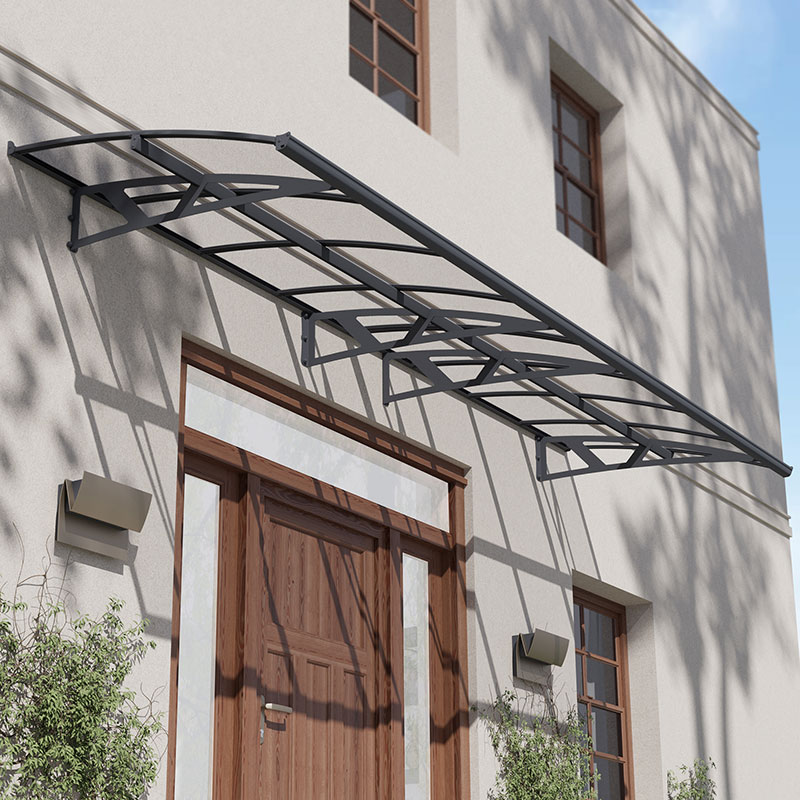
21% OFF: 15â5 x 4â7 Palram Canopia Sophia XL 5000 Grey Clear Door Canopy (4.71m x 1.4m) £2,049.0021%

-
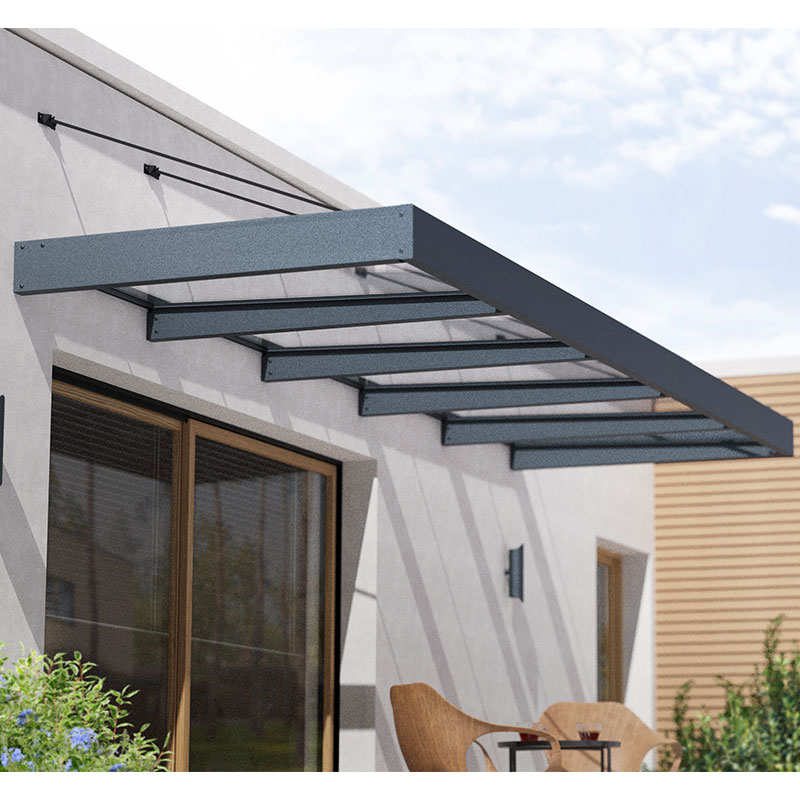
19% OFF: 14â8 x 4â7 Palram Canopia Amsterdam 4460 Grey Clear Large Door Canopy (4.47m x 1.39m) £907.9919%

-
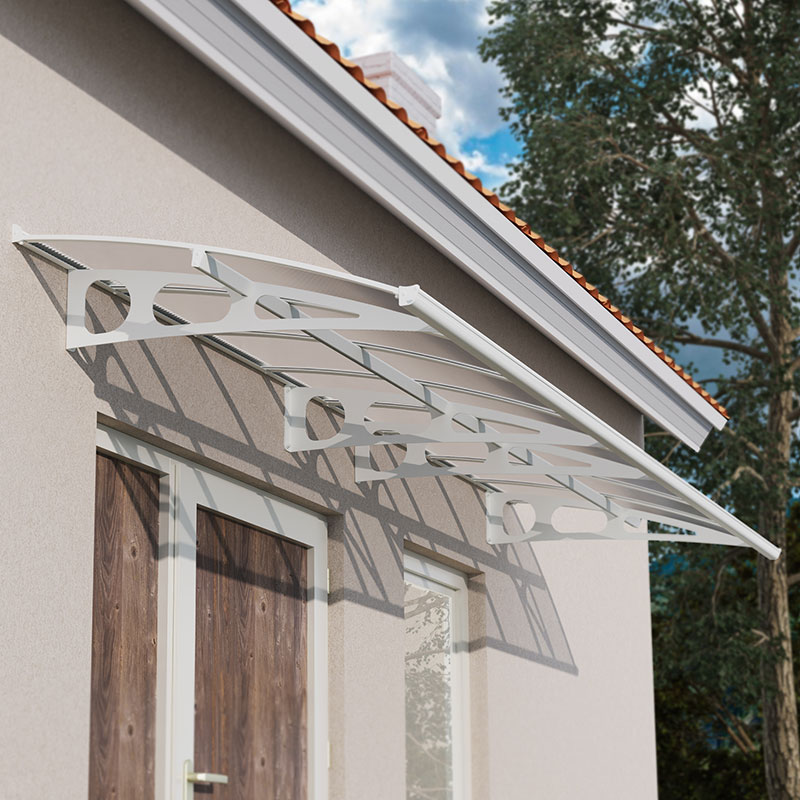
14′ x 5′ Palram Canopia Bordeaux 4460 Large Door Canopy – White Mist (4.47m x 1.39m) £979.99

Door Covers 80 sq ft / 7 m² for garden doors, sheds and patio entrances help reduce draughts, shield glazed panels and cover wider openings with a practical, measured fit.
Made for wider doorways, not one-size guessing
Door covers covering 80 sq ft / 7 m² are suited to larger single doors, double doors and broad external entrances where a smaller cover just leaves gaps. In a garden setting, that can mean a patio door, French doors, a side access door or even a wider shed door that needs proper coverage across the full surface. The point is not just size, but how the cover sits over the opening. A cover that matches this area gives you room for overlap, better edge sealing and fewer awkward joins.
That extra area also makes a difference when the door has rails, handles, panes or mixed materials. Instead of forcing a narrow piece to stretch and pull, you can choose a cover that sits more naturally across the frame. It looks tidier, works better and is less likely to leave exposed corners where wind, damp or debris can creep in. For buyers comparing options, this size is often the sweet spot between compact covers and very bulky rolls that feel like too much for the job.
Shapes and formats that suit different door setups
Not every door cover behaves the same way. Some are made as flat sheets, others as panel-style covers, and some are shaped to follow a particular door layout. The right form depends on what you are trying to cover and how much access you still need.
Bestseller der Kategorie Door Covers 80 sq ft / 7 m²
- Flat rectangular covers – useful for simple doors and frames where you want a clean overlap.
- Wide panel covers – better for double doors or larger openings with fewer seams.
- Folded or layered covers – handy where the door has handles, locks or uneven features.
- Transparent or semi-clear covers – suitable when light transmission matters, especially near glazed garden doors.
- Opaque covers – chosen when visual screening or full blocking is the priority.
The shape matters because doors in gardens are rarely plain. You may have a timber frame, a composite surface, a glazed centre panel or a door that opens out into a path, planting area or lean-to. A cover that is too rigid can be clumsy. A softer, more adaptable format can sit closer to the structure and is easier to align around irregular edges. If the opening is quite wide, a cover in the 80 sq ft / 7 m² range gives you a lot more freedom to position it without feeling short on material.
Why this size works so well on garden entrances
The main advantage of 7 m² door covers is simple: they give enough surface area to work across broader doors without having to make a patchwork. That is useful for draught reduction, weather screening and temporary protection during seasonal changes or outdoor work. In a garden shop category, that translates into a cover that can handle practical jobs rather than decorative ones.
Another plus is overlap. A cover with enough spare area can extend beyond the door edge, which helps where frames are slightly uneven or where the door is set back in a recess. That overlap can also make fastening easier, because you have more margin for clips, ties, hooks or edge fixings depending on the product design. Less strain on the corners usually means a better fit, and a better fit is what buyers notice after the first windy night.
There is also a visual difference. A properly sized cover tends to hang or sit with a bit more order. It does not look like it has been borrowed from another job. For customers comparing products, that can matter almost as much as the technical fit, especially for doors that are visible from the garden path or patio.
Material choices and what they change
Within this category, the material makes a real difference to how the cover feels, performs and looks. Some versions prioritise flexibility, while others are chosen for stiffness, opacity or resistance to moisture. You will often see different strengths in the way the cover handles corners, folds and repeated positioning.
- Lightweight covers – easier to handle and position, especially for frequent on-and-off use.
- Heavier-duty covers – better when the door is exposed to stronger winds or rougher outdoor conditions.
- Flexible covers – work well around handles, locks and awkward frames.
- Smoother-finish covers – can be neater on visible entrances and glazed areas.
- Textured covers – often feel sturdier and may grip the surface better in place.
The useful part for shoppers is not just what the material is, but how it changes the handling of the cover. A smoother finish may be easier to wipe down after garden debris or pollen, while a thicker material can feel more dependable on exposed entrances. If the door opens and closes often, flexibility is worth paying attention to. If the cover is mostly in place for longer periods, a firmer structure may suit better. Small difference, big feel.
Different door types, different fitting needs
Door covers 80 sq ft / 7 m² are not just for one kind of doorway. The same area can suit several layouts, but the way it works changes with the door type. A single side door asks for a neat, centred fit. Double doors need wider coverage and often more careful edge alignment. Glazed French doors may need a cover that behaves differently around panes and frame divisions. Shed doors, on the other hand, are often more about functional shielding than appearance.
For patio doors, coverage across both leaves can help reduce the feel of open glass and broad frame sections. For garden side doors, a cover in this size range is often large enough to provide proper overlap without making the entrance awkward to use. For outbuilding doors, the emphasis may be on preventing surface wear, hiding stored items or adding a barrier against breezy corners.
One thing worth watching is opening direction. An outward-opening door may need a cover that does not bunch at the hinges. An inward-opening one may need a neater edge around the handle zone. That is why buyers often compare not just width and height, but also how the cover is cut, finished and intended to sit on the frame.
Benefits buyers usually notice first
The practical benefits tend to show up quickly once the cover is in place. A well-sized cover can make a doorway feel more controlled and less exposed, which is useful in a garden where weather changes fast and surfaces can pick up dirt, spray or wind-borne debris.
- Better surface coverage across wider door openings
- Fewer exposed edges at the corners and along the frame
- Cleaner appearance on visible garden entrances
- More adaptable fit for irregular or recessed doors
- Less need for makeshift overlap compared with smaller covers
There is also a convenience angle. When a cover is closer to the right area, it tends to be easier to place correctly the first time. That matters on jobs where you do not want to keep adjusting a flap or reworking a fold. People often underestimate how much time gets wasted on covers that are nearly right but not quite. This size helps remove some of that faff.
How 80 sq ft / 7 m² compares with smaller and larger options
Smaller covers can be fine for compact doorways or partial screening, but they often leave a noticeable border uncovered around broader external doors. That can mean less protection and a patchier look. Larger covers give more reach, but they can be harder to manage, heavier to store and a bit excessive if the doorway is not especially wide.
80 sq ft / 7 m² sits in a useful middle band for many garden applications. It is large enough to deal with double-width entrances and generous overlap, yet not so large that it becomes awkward for everyday handling. For buyers, that balance often matters more than chasing the biggest size available. If the door is standard, this category may feel a touch generous. If the door is broad, glazed or set into a deeper opening, it starts to make a lot more sense.
So the choice is really about proportion. Smaller pieces can look neat, yes, but they may not solve the job properly. Oversized covers can solve the job but bring hassle with them. This category is aimed at the in-between space where practical fit, tidy appearance and manageable handling all matter at once.
Useful buying points before you choose
When looking at door covers in this size, measure the full visible area, then think about the edges too. A door is never just the panel itself; there is frame, recess, trim and often a little bit of unevenness. That is why a cover with real overlap can be more useful than one that only just matches the door face.
- Check the opening width as well as the door leaf size.
- Think about overlap if the frame is recessed or irregular.
- Look at the door hardware – handles, locks and hinges change the fit.
- Match the finish to the location if the door is visible from the garden.
- Choose the form that suits use – frequent access needs a different setup from a fixed cover.
It also helps to decide what matters most: screening, light, weather protection or a neater boundary around the entrance. The answer may lead you to a different material or shape even within the same 80 sq ft / 7 m² category. Two covers can be the same size and still feel very different in use, so it is worth reading the format carefully rather than buying on area alone.
Where this category fits in a garden shop range
In a garden shop, Door Covers 80 sq ft / 7 m² sit alongside practical products for entrances, storage areas and outdoor structures. They are the sort of item people choose when they want a solution that feels measured rather than improvised. If your doorway is wide, exposed or simply harder to cover neatly, this category gives you a sensible place to start.
It suits customers who want one cover to do a proper job across a larger opening, without having to piece together several smaller sections. It also suits anyone replacing a cover that never quite reached the corners, or who wants a tidier look on a visible garden door. And because the area is already defined, comparing options becomes less about guessing and more about choosing the right finish, shape and fit for the actual doorway.
If you are narrowing it down, think in terms of door type, exposure, surface finish and how often the door is used. That usually points you to the right version more quickly than size alone. The good bit is that this category gives you enough room to choose properly, without overcomplicating the decision.
[Sassy_Social_Share]