
Door Covers 45 sq ft / 4 m² - Best Deals in UK!
Showing all 3 results
-
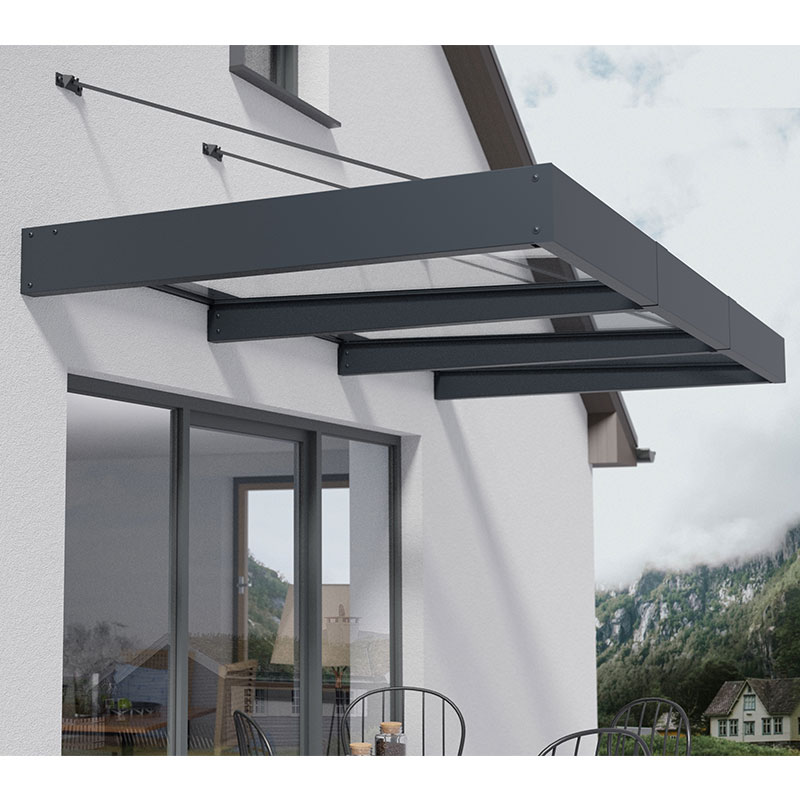
18% OFF: 9â4 x 4â7 Palram Canopia Sophia XL 3000 Grey Clear Door Canopy (2.86m x 1.4m) £1,279.0018%

-
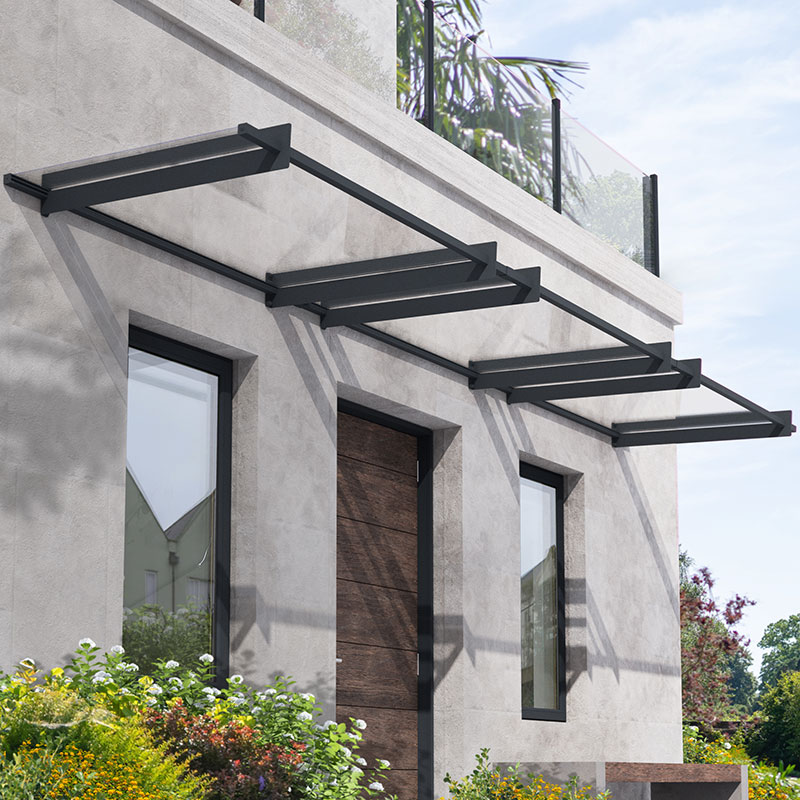
9% OFF: 15′ x 3′ Palram Canopia Altair 4500 Grey Door Canopy (4.54m x 0.92m) £547.999%

-
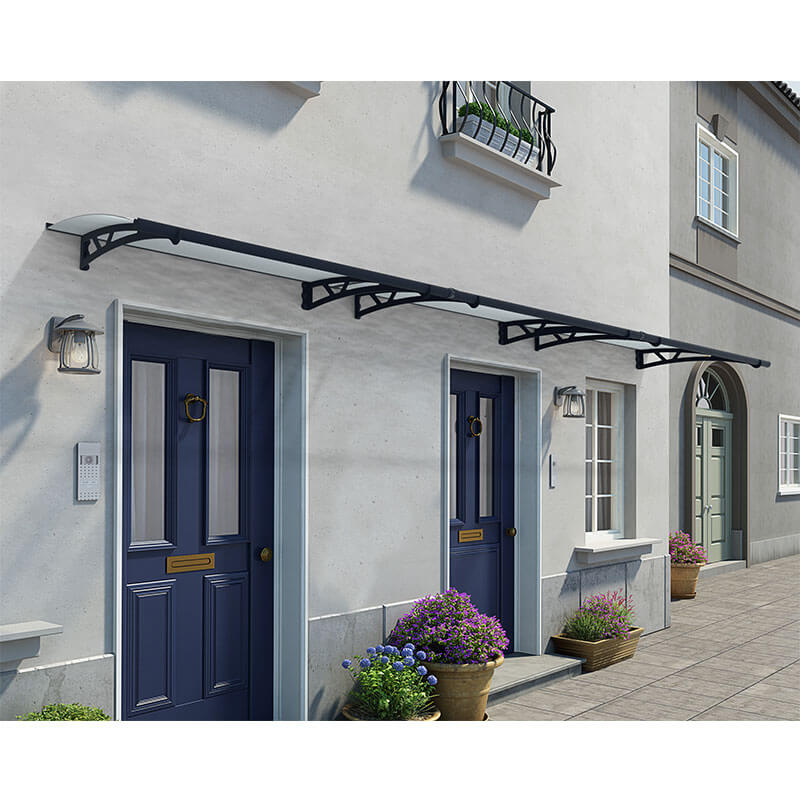
15′ x 3′ Palram Canopia Nancy 4500 Door Canopy – Grey (4.52m x 0.94m) £784.99

Door Covers 45 sq ft / 4 m² offer a practical fit for garden doors, side entrances and patio access, with choices in fitted, magnetic, insulated and weatherproof styles for a tidy, draught-aware finish.
Made for a specific opening, not a vague guess
When a door cover is sized around 45 sq ft / 4 m², the whole point is accuracy. This is the sort of category that suits buyers who already know the area they need to cover and want to avoid excess flapping material, awkward overlaps or a cover that leaves the lower edge exposed. In garden settings, that can mean shed doors, greenhouse access doors, side garden gates with a full door face, or patio doors where the outside edge needs a neat, consistent layer.
The useful thing about this size is that it sits in a practical middle ground. It is large enough for a proper door face or a pair of smaller leaves, yet not so broad that it becomes clumsy. For a shopper comparing options, the right fit is often the difference between something that looks integrated and something that seems pushed on as an afterthought.
Shapes that suit different frames and openings
Not every door cover works in the same way, and shape matters more than many people expect. The most common forms you will come across in this size range are:
Bestseller der Kategorie Door Covers 45 sq ft / 4 m²
- Rectangular covers – best for standard single doors, full-height shed entries and straight-edged frames.
- Panel-style covers – suited to doors with a defined centre section, where the cover follows the visible frame rather than wrapping the whole surround.
- Overlap designs – useful when a bit of extra drop or side coverage is needed, especially on doors that sit slightly proud of the wall.
- Split or two-part covers – handy for double doors, French doors or wider access points where each side needs to move independently.
- Edge-seal styles – made for buyers who want the cover to sit close to the opening and reduce gaps around the perimeter.
The shape you choose changes how the cover behaves in daily use. A rectangular cover gives a clean visual line. A split design can make access feel easier because you do not have to open everything at once. An overlap style gives a bit of forgiveness if the frame is not perfectly square, which is not uncommon in older garden buildings.
Different subtypes, and what each one does
Within Door Covers 45 sq ft / 4 m², the main subtypes tend to be defined by how they attach and what they are trying to achieve. That is useful because two covers can look similar from a distance and still behave in very different ways.
Fitted covers are shaped to sit closely against the opening. They are the neatest option when appearance matters, and they can work well on garden doors that are often seen from the patio or seating area. Magnetic covers are chosen for quicker access and a firmer closing line, though they depend on the frame being suitable. Hook-and-loop fix covers, while simple, are often favoured where buyers want a straightforward grip around the edges without fuss. Insulated covers add an extra layer between outside air and the door face, which can help where the door opens onto a cooler area like a workshop, potting shed or unheated outbuilding. Weatherproof covers are intended to stand up to damp, wind and general outdoor exposure, so they are often picked for exposed garden spots.
There are also more decorative subtypes. Some buyers want a plain, practical finish. Others want a textured or patterned look that feels more in keeping with the garden structure. That difference is not just visual; a textured surface can sometimes feel less stark against timber, brick or painted metal. The key is to choose the subtype based on the doorway’s role, not only on looks.
Why the 45 sq ft / 4 m² size is useful
This size is not random. It suits a category where coverage has to feel intentional rather than oversized. A 45 sq ft / 4 m² door cover can be large enough to make a noticeable difference without taking over the whole frontage. That matters when the door is part of a wider garden scene and you still want the finish to look balanced.
For shoppers, the main benefit is clarity. You are not guessing whether a smaller sheet might stretch far enough, or whether a larger one will bunch up around hinges and handles. In practical terms, this size helps reduce the odds of needing awkward trimming or living with a cover that sits unevenly. It also makes comparing products easier because the coverage range is already defined.
What changes between materials
Material choice has a big effect on how a door cover behaves, especially outdoors. In this category, you will usually see differences in feel, weight, finish and the way the cover sits against the opening.
- Flexible fabric-style covers tend to be easier to position and may suit more irregular frames.
- Heavier-duty covers generally feel more stable once fitted and are often picked for exposed garden entrances.
- Foamed or layered covers add bulk and can create a more substantial barrier between inside and outside.
- Smooth surface covers give a cleaner, sharper look and are easier to line up visually.
- Textured finishes can soften the appearance and work well when the door is part of a rustic or timber garden structure.
The best choice depends on the door’s location. A sheltered greenhouse side door may not need the same type of cover as a workshop entrance that faces rain, wind and repeated opening. Buyers often notice that a lighter cover is easier to position, while a denser one feels more secure once in place. There is a trade-off there, and it is worth thinking about before purchase.
Where these covers make the most sense
Door Covers 45 sq ft / 4 m² are especially relevant where the door is part of outdoor storage, growing space or garden living. That might include a potting shed that needs a tidier face, a greenhouse access point that benefits from a more defined barrier, or a patio door that needs a seasonal cover for a cleaner look and a bit less chill around the edges. They also suit side entrances to utility spaces where function matters more than decoration, though many people still like a finish that feels in keeping with the house and garden.
The nice thing about a category built around this kind of size is that it serves both the practical buyer and the one who wants a neater appearance. You are not forced into choosing between form and function; you can look for a cover that does both in a modest, believable way.
Benefits buyers usually notice first
The first benefit is fit. A cover sized for this area is easier to match to the opening, and that usually means a better result straight away. The second is visual order. A correctly sized door cover can make a garden door look more deliberate and less like a patchwork of add-ons. The third is practical shielding, whether that means reducing draughts, creating a cleaner boundary, or giving the door face an extra layer of protection from the elements.
There is also a quieter benefit that matters a lot in real life: less frustration during use. A cover that sits properly does not need constant adjustment. It does not bunch around the handle. It does not hang too low and drag. It simply feels like it belongs there, which is often what buyers really want, even if they do not say it out loud.
Choosing between neat, flexible and robust
Some shoppers want a cover that disappears into the doorway visually. Others prefer something that can be moved easily. A third group wants a cover that feels firm and reliable, even if that means a slightly fuller profile. These three priorities often point to different subtypes.
Neat fit is usually the choice for visible entrances and front-facing garden buildings. Flexible fit is useful where access needs to be quick or where the frame is not perfectly regular. Robust fit is worth considering for exposed positions, where the cover has to stay composed when the weather turns or when the door is used often. There is no single right answer, and that is exactly why the category matters.
Little things that make a purchase easier
A few checks can save disappointment later. First, think about the actual opening, not just the door leaf. Handles, hinges and any raised trims can affect how the cover sits. Second, consider whether the cover needs to work with a single door or a pair of doors. Third, ask whether you want the opening to remain quick to use, or whether the main purpose is to create a steadier barrier that stays put.
If the door is in a garden structure with uneven edges, a slightly forgiving style may be more useful than a rigid one. If the doorway is already clean-lined and modern, a fitted cover will probably look better. For buyers who are not sure, a middle-ground option usually makes sense: something that covers the area well without being too stiff or too bulky.
Subtle differences that change everyday use
The differences between covers are not always dramatic at first glance, but they show up quickly once installed. A magnetic style can feel quicker to manage. A fitted edge can give a more polished outline. An overlap design can hide small misalignments. A heavier material can sit better on a breezy day. Even the way the surface is finished changes the overall effect, especially on a garden door that is close to paving, planting or outdoor seating.
That is why it pays to compare beyond the headline size. Two products may both cover 45 sq ft / 4 m², but one may be built for a crisp decorative edge while the other is made for a more practical, weather-aware result. The category works best when buyers can see these differences clearly and choose based on how the door is used, not just how big it is.
Useful buying pointers before adding to basket
- Check the opening style – single, double or split access changes what will feel natural.
- Look at the frame shape – straight frames suit fitted covers, while uneven ones can benefit from overlap.
- Think about visibility – a front-facing door may call for a cleaner finish than a hidden side entrance.
- Match the cover type to use – frequent access, seasonal shielding or a tidier look each suggest different subtypes.
- Consider the door’s surroundings – timber, metal, brick and painted surfaces all make the cover read differently.
These small decisions can have a big effect on satisfaction. Buyers often start with size, then realise that attachment style, edge shape and surface finish matter just as much. That is normal. It is also why a well-organised category helps; it lets people compare without having to decode everything from scratch.
A finish that fits the garden, not just the doorway
In the end, a Door Covers 45 sq ft / 4 m² category is about making a doorway feel properly considered. Whether the aim is a tighter fit, a cleaner outline, a more weather-aware barrier or simply a neater look on a garden building, the size range gives enough room to choose with confidence. The right cover should feel proportionate, sensible and well matched to the opening, with a shape and subtype that suit the way the door is actually used.
For a shopper, that means less second-guessing and more confidence in the result. And that is often what turns a practical buy into one that feels right every time you use the door.
[Sassy_Social_Share]