
Door Covers 25 sq ft / 3 m² - Best Deals in UK!
Showing the single result
-
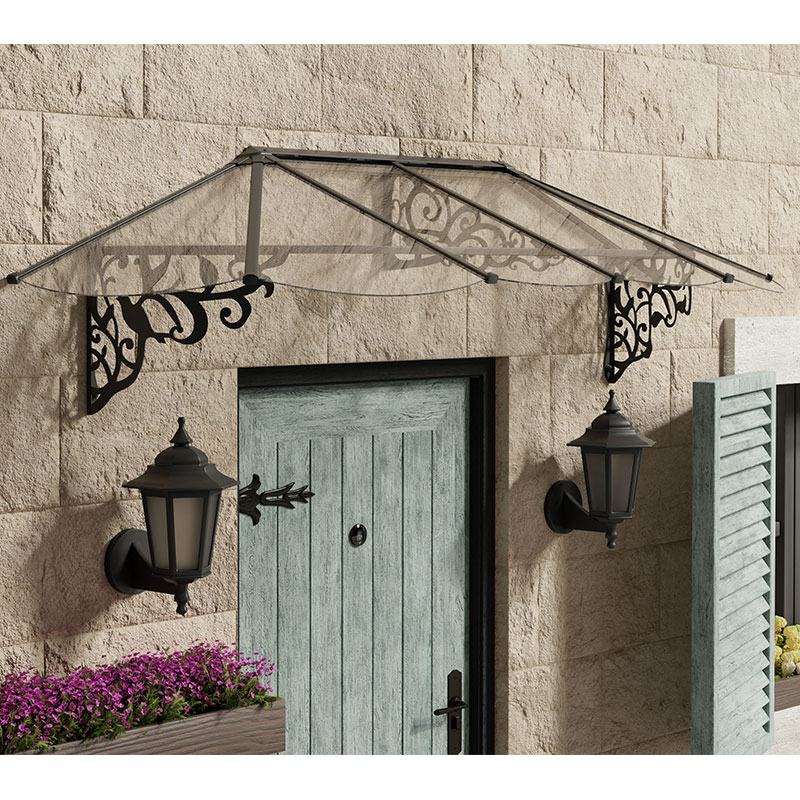
18% OFF: 8â9 x 2â11 Palram Canopia Lily 2600 Black Clear Door Canopy (2.67m x 0.88m) £491.9918%

Door covers 25 sq ft / 3 m² for draught control, dust reduction and privacy in a neat, space-saving format. Explore magnetic, self-adhesive, insulated, clear and opaque door covers sized for smaller openings and everyday indoor use.
A practical size for tight spaces and quick coverage
Door covers 25 sq ft / 3 m² are made for doorways where you want a tidy fit without overbuying material. This size is handy for single internal doors, compact entrances, utility rooms, partition openings and smaller access points where you need a barrier that does a clear job but does not take over the whole room. It is a useful format when the aim is to manage draughts, dust, visibility, noise and temperature transfer around one doorway rather than a larger wall opening.
Because the coverage is measured at about 25 square feet or 3 square metres, it helps buyers compare products by area instead of guessing from photos alone. That makes it easier to choose between sheet-style covers, fitted door membranes, curtain-like barriers and panel designs. Some covers are intended to sit right over the doorway edge, while others span the full opening with a little overlap for a more secure seal. The exact finish can change how the cover looks and how it performs, so size really matters here.
Shapes and formats that suit different doorways
Door covers in this category come in a few practical forms, and each one does something slightly different. Flat sheet covers are simple and flexible, often used where you need broad coverage with minimal fuss. Curtain-style covers hang more softly and can be better when you still want regular pass-through access. Panel covers feel more structured, which can help when the opening needs a neater edge or a firmer barrier. Then there are zip access door covers, which allow entry without removing the whole cover, a useful detail in busy households or workspaces.
Bestseller der Kategorie Door Covers 25 sq ft / 3 m²
Some products use magnetic closures along the middle, so the cover opens and closes with a light push and then settles back into place. Others rely on self-adhesive fixing, which is common when you want a quick install on a clean frame. There are also wrap-around styles that use overlap, tension or fitted edging to hold more securely. The format you choose often depends on how often the doorway is used and whether the cover should stay in place all day or be taken down more often.
Different types you will see in this category
Within Door covers 25 sq ft / 3 m², the main variations are about material, closure and opacity. A clear door cover lets light through and keeps sight lines open, which can be useful in a home where natural light matters or where you still want to check what is happening on the other side. A opaque door cover gives more visual screening, so it suits spaces where privacy is the priority. If you want a middle ground, semi-transparent covers soften the view while still letting some light pass.
Insulated door covers are another common type. These are designed to help reduce heat loss, soften draughts and create a more stable feel around the doorway. They can be thicker, quilted or layered, and they often feel more substantial than a basic dust cover. For areas where the door is opened often, a magnetic insulated cover can be practical because it blends a barrier with quick access. In contrast, a plain sheet cover can be lighter, simpler and easier to position when the doorway use is less frequent.
There are also dust-control covers and screening covers that are aimed more at keeping debris or airborne mess from drifting into adjacent rooms. These are often chosen for rooms under renovation, utility areas or places where clutter is moving in and out. A buyer looking for room division may prefer partition-style door covers, while someone who wants quick privacy may lean toward a thicker or darker version. The difference is not just appearance; it is about how the cover behaves in daily use.
Material choices and what they change
The material has a big effect on how a door cover feels and performs. Lightweight plastic or PE-style covers are often chosen for simple protection and easier handling. They can be a good fit when you need something that is practical rather than decorative. Fabric-based covers often feel softer and may suit indoor spaces where appearance matters as much as function. Quilted or layered materials tend to add body and can feel more solid when you want a barrier against cool air or sound transfer.
Some versions are made with reinforced edges, which can make a difference if the cover will be opened and closed repeatedly. Other covers use transparent film sections combined with opaque borders, which is handy when you want to keep the doorway bright but still define the space. In this category, the material also affects how flat the cover hangs, how neatly it sits around the frame and how obvious it looks from the room. A cleaner finish can matter a lot if the door is visible from a main living area.
Why buyers choose this size instead of a larger cover
A 25 sq ft / 3 m² cover is often chosen because it matches the job more closely. If the opening is small, a smaller cover can look tidier and avoid the awkward excess that comes with an oversized product. It also makes sense where you want a targeted barrier instead of covering a broad area. In other words, you are not buying extra material just to leave it folded away somewhere.
This can be especially useful when the door is part of a room with limited space around it. A smaller cover may be less bulky, easier to align and simpler to install without making the frame look crowded. It also helps when the doorway is one of several in the same area and each one needs its own specific solution. For customers comparing options, the main advantage is practical matching: the cover size fits the opening, the job and the space without much guesswork.
How the different closures change daily use
The closure style affects how the door cover behaves day to day. Magnetic closures are useful when hands are full or when the doorway is used often. They close in a quick, familiar way and can feel less bothersome than lifting or untucking a cover each time. Zip doors create a more deliberate access point, which can be useful if you want the barrier to stay in place while still allowing controlled entry. They also help when you need the opening to remain mostly sealed between uses.
Self-adhesive covers are straightforward and often chosen for speedy setup. They can be appealing if the cover is not likely to move around much. Hook-and-loop fastening gives a bit more flexibility, particularly where you may want to adjust or remove the cover at times. Overlapping or tucked-edge designs can be a simple answer when you want the doorway to remain accessible yet protected. Each one has a slightly different feel, so the right choice depends on how often people walk through and how important a neat seal is to you.
Where the benefits become obvious
In a home, door covers 25 sq ft / 3 m² can help with day-to-day comfort in a very direct way. They can reduce the sense of a room being exposed, which matters in busy homes, shared spaces and rooms that need a little boundary. If a doorway links warmer and cooler areas, an insulated or fitted cover can make that transition less noticeable. If the issue is more about sightlines, a opaque or semi-opaque cover can create privacy without needing a permanent door solution.
They can also be helpful where one room is doing double duty. For instance, a study may also be used as storage, or a utility room may need to be kept visually separate from the rest of the house. A door cover gives you a way to soften the opening while still keeping the access point functional. That is one of the main reasons people browse this category: it is a simple product, but it solves a few things at once.
Choosing between clear, opaque and mixed designs
If you want light and visibility, clear door covers are the obvious choice. They work well when the room needs to stay bright and open, and when you do not want to make a small space feel boxed in. If you need more privacy or visual separation, opaque covers are more suitable, especially in areas where the doorway is on show. Mixed designs, such as clear centres with darker borders, can balance both needs and are often a sensible middle option.
The choice is also about what the doorway is used for. A clear cover can feel lighter and more airy in a home setting. An opaque one can feel more deliberate and practical. A mixed style can be useful when the opening needs to be both functional and unobtrusive. It is a small detail, but the visual effect is not small at all, especially in rooms where the doorway sits right in your line of sight. Sometimes people forget this part and then end up wishing they had picked a different finish, which is a bit of a nuisance.
Useful buying points before you place an order
Before choosing a cover, it helps to check the actual opening size, the frame shape and the intended fix method. Even within the same 25 sq ft / 3 m² category, some products allow more overlap than others, so the usable coverage can feel slightly different. If the doorway is irregular, a flexible sheet or adjustable fastening may be easier to work with than a rigid format. If it is a regular rectangular opening, a more structured cover can sit neatly and look less improvised.
It is also worth thinking about how often the door is used. For high-traffic areas, a magnetic or zip access cover may be more practical than a fixed sheet. For less frequently used openings, a simpler cover may be enough. If the room has a strong temperature difference, insulated options are worth comparing against lighter versions. And if the space is visually busy already, an opaque or toned-down finish can help the doorway blend in instead of shouting for attention.
Small differences that can make the right product feel right
Some details are easy to miss until the cover is installed. A slightly different edge finish can affect how flat the cover sits. A more flexible panel may be easier to align, but a firmer one may hang more cleanly. If the product uses a middle opening, the way that opening joins matters just as much as the closing style itself. And if the cover is intended to be seen often, the colour and texture can make the whole doorway look more considered rather than temporary.
There is also a difference between a cover that simply fits and one that feels suited to the space. A cover that is too visually heavy can dominate a small room. A very light cover might not give enough presence where privacy is important. So the category is not only about size; it is about the balance between coverage, access, appearance and sealing performance. That balance is what makes the right choice feel satisfying after installation.
For rooms that need a bit more separation
Door covers 25 sq ft / 3 m² are a good fit when a room needs to feel more defined without making permanent changes. They suit doorways that need a bit of shielding from noise, dust, draughts or view lines, and they can be selected in a style that suits the room rather than fighting it. Whether the preference is for a light clear barrier, a firm opaque screen, an insulated layer or a quick-opening magnetic design, the category offers options that solve different everyday problems.
For buyers, that means less compromise. You can choose a cover that is sized for the job, shaped for the opening and finished in a way that suits how the space is used. If the aim is to make a doorway feel less exposed, less drafty or simply more controlled, this category gives a focused answer without adding clutter. And that is often exactly what a doorway needs: something that does its part quietly, neatly, and without making a scene.
- 25 sq ft / 3 m² coverage suits compact doorways and targeted protection
- Magnetic, zip and self-adhesive styles offer different access and fixing options
- Clear, opaque and semi-transparent finishes change light, privacy and visual impact
- Insulated versions help where temperature differences or draughts matter
- Sheet, curtain and panel formats give different levels of flexibility and structure
- Overlap and frame fit are worth checking before buying, especially on smaller openings