
Door Covers 130 sq ft / 12 m² - Best Deals in UK!
Showing the single result

Door Covers 130 sq ft / 12 m² for doors, entrances and openings where a fitted cover helps with draught control, privacy, splash protection and a tidier finish indoors or out.
Why this size matters at the doorway
When a product is described as 130 sq ft / 12 m², it usually points to a coverage area rather than a single fixed shape. That makes this category handy for buyers who need to cover a larger door zone, a double opening, a porch-facing entrance, or several adjoining panels in one go. In practice, the size gives you a bit more breathing room when you are matching a cover to a frame that is not perfectly standard, or when the goal is not just to hide a door, but to seal, shield or soften the whole access point.
For shoppers, this means less guesswork. You can compare the stated area against the width and height of the opening, then decide whether you need a snug fit, a draped fit, or something with overlap. That difference matters. A cover that sits flush tends to look neater; a cover with extra material can be better for wrapping around awkward edges or coping with doors that swing, slide or sit slightly proud of the wall.
Shapes and styles you will actually come across
Door covers in this size range are not one single thing. The shape often depends on the job they are meant to do. Some are cut as a full rectangular sheet, which is useful where the opening is broad and the buyer wants a simple, even finish. Others follow a more fitted panel style, with pre-formed edges or a central section designed to sit over the active part of the door. You also see roll-up forms, fold-over designs and panelled covers where the material is divided for easier handling.
Bestseller der Kategorie Door Covers 130 sq ft / 12 m²
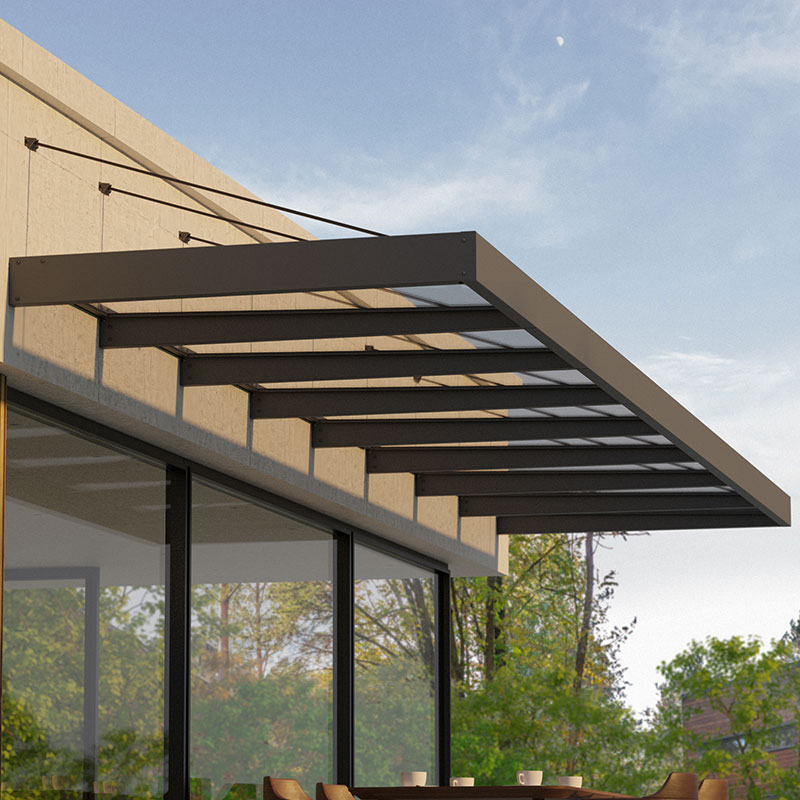
A few common forms stand out:
- Flat sheet covers for broad, straightforward coverage.
- Quilted or padded covers where the aim is to add a bit of thermal buffering or soften contact.
- Clear or translucent covers when light still needs to pass through.
- Opaque covers for privacy, concealment or a cleaner visual break.
- Freestanding or draped styles that do not depend on a rigid frame.
- Adhesive or fixed-edge styles for a more settled, less mobile result.
The difference between them is not just looks. It is how they behave at the doorway. A flat sheet may be quicker to position, while a padded or layered version can sit better when the door is exposed to cooler air or occasional knocks. Clear versions feel lighter visually, but they do not hide much. Opaque styles do the opposite and are usually chosen when the opening itself is a bit untidy, or when the buyer wants to block sightlines without changing the door structure.
Material choices that change the feel of the cover
Material is where a lot of the practical difference sits. A PVC-style cover often suits areas where splash resistance and wipe-clean behaviour matter. A fabric-backed cover can feel softer and less industrial, which may suit interior doors, garden rooms or temporary room dividers better. Foil-backed or layered materials are usually chosen for a more reflective or insulating effect, while lighter textile covers tend to be easier to fold, store and reposition.
Some buyers prefer a smoother face because it looks neater from a distance. Others choose a textured finish because it helps the cover feel less rigid and can disguise minor marks. The trade-off is simple: smoother coverings often clean up more neatly, while textured ones can sit more naturally in a lived-in space. If the cover is going near a patio-style entrance, utility side door or garage threshold, the material should also feel stable against movement, not floppy in a draught.
What each type is good at
This category tends to attract buyers for a few clear reasons, and the strongest ones are usually very practical. One door cover might be chosen for privacy, another for weather buffering, another to keep a room visually calm where the door area is busy, unfinished or in transition. Some people need a temporary barrier during decorating, building work or seasonal changes. Others want a more permanent front or side door solution that looks tidy but still works hard.
The main advantages often include:
- Extra coverage for wider or less standard openings.
- Better draught reduction when the door area leaves small gaps.
- Improved privacy around glazed or exposed entrances.
- Visual neatness where the door or frame looks unfinished.
- Temporary protection during works, moving, or seasonal swaps.
- Flexible fitting where a rigid alternative would be awkward.
What sets one cover apart from another is usually the balance between coverage and convenience. A thicker cover may sit better and feel more substantial, but it can be less quick to fold away. A lighter cover can be easier to handle, though it may not give the same sense of shelter. That is why buyers often compare the material, edge treatment and fixing method before anything else.
Fixings and fit: the details that decide the result
Even in a generous 130 sq ft / 12 m² category, the fitting method can make or break the outcome. Some covers are designed with eyelets, tabs or reinforced edges, which help when the cover needs to be hung or tied in place. Others rely on self-adhesive strips, hook-and-loop fastening or simple overlap positioning. Each one gives a different level of control. Eyelets tend to suit a more secure setup; hook-and-loop is more forgiving; adhesive systems can be neat, but they depend on the surface and how smooth it is.
Fit also changes the experience. A tighter fit usually looks more intentional and can help with keeping the doorway sealed. A looser fit may allow more movement, which is not always a bad thing if the door needs to open and close often, or if the cover is meant to be temporary. The trick is to check where the cover needs to sit: on the face of the door, around the frame, over an archway, or across a double-width entrance. It sounds obvious, but many people buy on area alone and forget the shape of the opening. Bit annoying, really.
Different use cases, same category
Door covers in this size are often chosen for very different rooms and entrances, which is why the category can look a bit mixed at first glance. A front entrance may need a smarter, more presentable finish. A utility room door may need something stronger and less decorative. A glazed back door might call for a cover that reduces sightlines while still letting a bit of light through. In a workshop or garden building, the priority may be robustness and coverage across uneven edges rather than looks alone.
That is why it helps to think in terms of the job, not just the name. If the opening is exposed and changes temperature quickly, a layered or heavier cover makes more sense. If the door is indoors and used mainly for dividing spaces, a lighter and neater style may be enough. For spaces where people come and go often, quick release or simple access matters more than a fully sealed appearance. The best choice is the one that matches the doorway’s actual behaviour, not the one that sounds neat in a product title.
Small differences that buyers notice straight away
Some differences are obvious before you even fit the cover. Thickness, for example, changes how the material hangs. A thin cover tends to drape softly and can look less obtrusive, but it may show folds or movement more easily. A thicker one sits with a bit more body and can feel more purposeful. Then there is the edge finish: plain cut edges feel simpler, while bound or reinforced edges usually last better under repeated handling.
Opacity is another big one. Fully opaque covers block view and create a clear visual break. Semi-transparent covers keep some light, which is handy if you want the entrance to feel less closed off. Patterned surfaces can also help disguise dust or marks, although that is more about appearance than function. If you are comparing options, do not just look at the front surface. Check how the cover is finished at the corners, how it folds, and whether the fixing points look like they can cope with regular use.
Choosing the right cover without overcomplicating it
The easiest way to narrow the choice is to ask three things: what needs to be covered, how often the door is used, and what result matters most. If the answer is “a larger opening with occasional use”, a straightforward sheet or draped style may do the job. If the answer is “a visible doorway that needs privacy”, then opacity and edge fit become the focus. If the answer is “an exposed entrance that feels draughty”, then material density and overlap take the lead.
A useful tip is to compare the stated coverage area with the actual door zone rather than the door leaf on its own. The frame, side margins, arch or neighbouring panel may all count. Also, a door cover that seems a little more generous than you need can be useful when the opening is not square. That extra bit of flexibility often saves a return, or at least stops the whole thing looking squeezed.
What makes this category worth browsing properly
Door Covers 130 sq ft / 12 m² sit in a practical sweet spot for shoppers who want coverage with enough room to adapt. The category is broad enough to include different shapes, finishes and fixing styles, yet specific enough to make comparison meaningful. That is useful when the opening is awkward, the doorway is visible from a living space, or the cover needs to do more than just sit there looking tidy.
For buyers, the appeal is in the combination of coverage area, format choice and visible finish. Some want something discreet. Others want something that clearly does a job. Some need a temporary answer for a project; others want a more settled doorway solution. With this size range, there is usually enough flexibility to find a cover that feels made for the space rather than forced into it. And that, honestly, is what makes the category worth a proper look.
[Sassy_Social_Share]