
Decking under £800 - Best Deals in UK!
Showing all 3 results
-
22% OFF: Forest Ultima Wooden Garden Pergola with Retractable Canopy 8′ x 8′ £739.9922%

-
18% OFF: 8′ x 8′ Forest Pergola Deck Kit No. 1 (2.4m x 2.4m) £794.9918%

-
7% OFF: 8′ x 16′ Forest Patio Deck Kit No. 1 (2.4m x 4.8m) £739.997%

Decking under £800 is a practical way to add an outdoor platform, define a seating area, or tidy a tricky corner without pushing the budget too far. Compare timber and composite styles, flat or raised forms, and compact kits.
Why this budget works for real garden spaces
When the brief is Decking under £800, the range usually focuses on smaller-to-medium projects where every square metre matters. That does not mean compromising on looks. It means choosing the right format for the space you actually have: a narrow side return, a patio that needs softening, a modest back garden, or a balcony-style zone that could do with a cleaner finish.
This price point often suits buyers who want a defined outdoor area without committing to a full terrace overhaul. You can get a more organised layout, improve the feel underfoot, and create a clear zone for a table, bench, or planters. The key is matching the board type, subframe style, and overall footprint to the job, rather than chasing a large deck that spreads the budget too thin.
Board choices that change the whole look
The main decision is usually between softwood decking, hardwood decking, and composite decking. Each one behaves differently in cost, appearance, and how much of the budget it consumes.
Bestseller der Kategorie Decking under £800
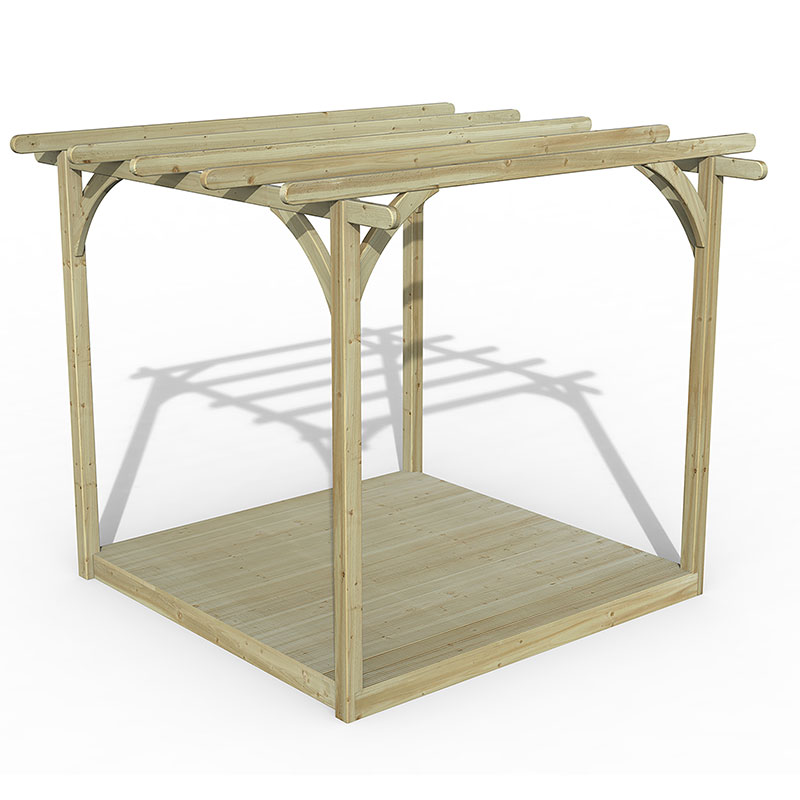
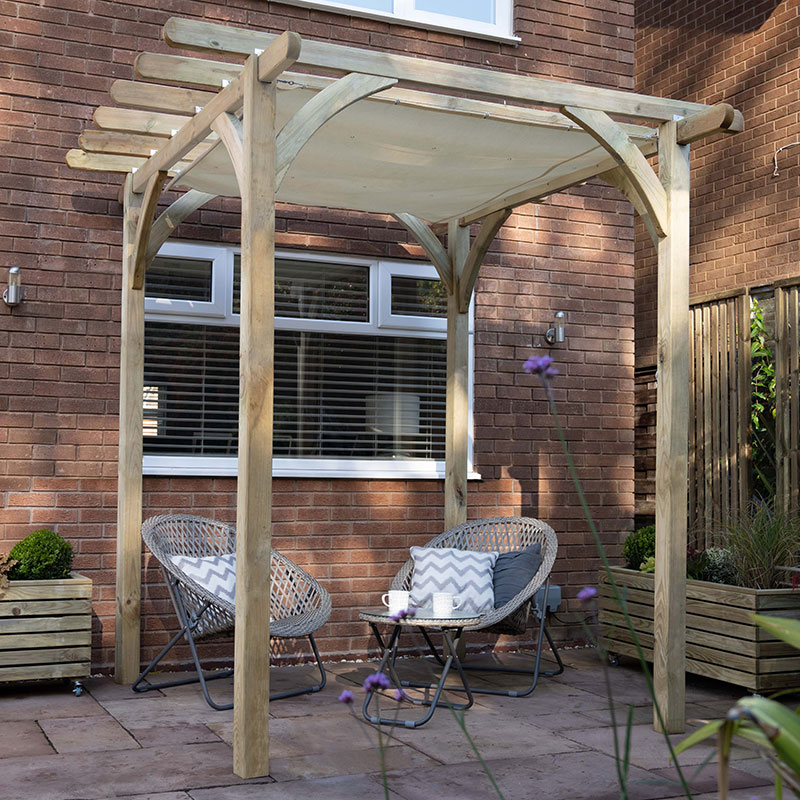
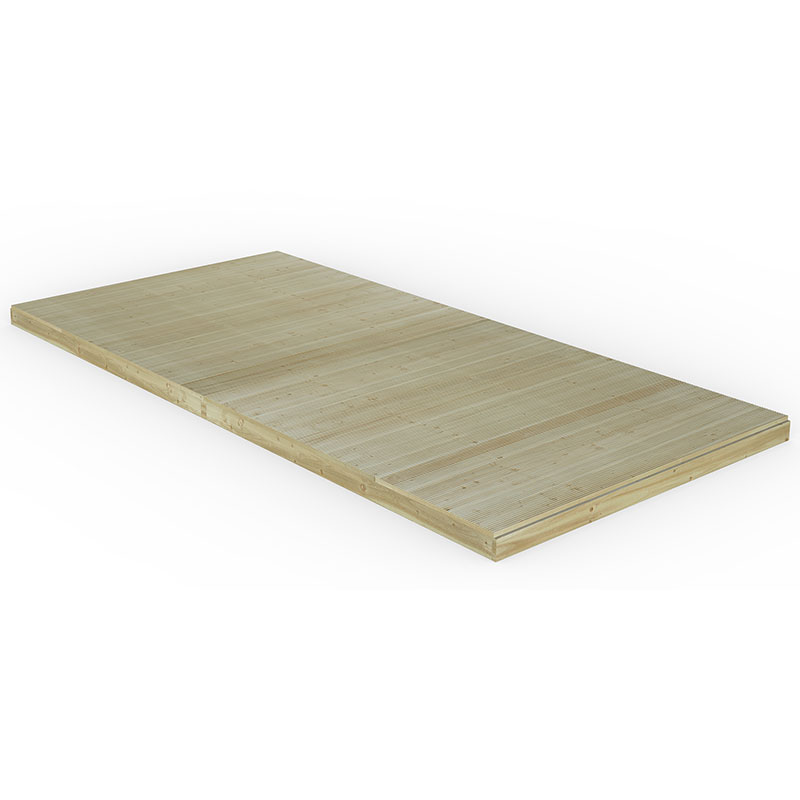
- Softwood decking is often the most budget-friendly option, with a familiar timber look and a choice of grooved or smooth boards.
- Hardwood decking tends to sit at a higher price within the category, but can bring a denser, more refined finish in a smaller installation.
- Composite decking may cost more per board, yet some compact projects still fit under £800 if the area is limited and the board count is kept sensible.
The difference is not just visual. Softwood boards often feel lighter in character, while hardwood gives a tighter grain and a more solid presence. Composite offers a more uniform finish and can work well where a cleaner, contemporary look is wanted. If the project is small, the material choice can make the space feel either rustic, formal, or modern without adding extra elements.
Shaped for patios, paths and awkward corners
Decking under this budget is not only about a classic rectangle. Many shoppers are looking for a shape that fits an existing layout, and that is where form matters. A square deck suits compact seating areas and makes furniture placement straightforward. A rectangular deck works well for narrow gardens or runs alongside the house. Corner decking can turn an unused edge into a usable zone, while a platform-style deck helps level a small area and creates a distinct outdoor room.
There is also a useful difference between flush decking and raised decking. Flush installations sit close to ground level and often feel neat and unobtrusive. Raised versions can help bridge a drop, level uneven ground, or create a more defined entertaining spot. Under £800, low-height builds are common because they use less material overall and keep the structure simpler.
What you gain beyond the surface itself
The appeal of budget decking is not only in the boards. It is in the way the whole area changes. A deck can make a garden feel more usable by creating a clear transition from house to outdoor space. It can help turn a bare patch into somewhere for chairs, a parasol, or a fire pit style setting, depending on the layout you choose.
It also helps when a garden has mixed materials. A deck can sit neatly against paving, gravel, or lawn and make the space read as more intentional. For buyers comparing options, this can be the point where decking beats loose patio furniture alone: it gives the area a fixed shape. That matters especially in smaller gardens, where visual order makes the space seem more considered.
Timber warmth or composite calm?
One of the clearest differences in Decking under £800 is the feel of the finish. Timber decking usually gives more texture and a natural pattern, so it suits gardens that already have planting, rustic fencing, or a relaxed layout. The grain, knots, and slight colour variation can make the deck feel less rigid.
Composite decking leans towards a smoother, more even appearance. It can suit modern plots, pared-back planting, or spaces where the aim is a tidy, consistent surface. If you want a deck that visually links with contemporary paving or dark garden furniture, composite often makes sense. If you want something with a more traditional garden feel, timber can be the better fit.
The difference in budget impact is worth noting too. A smaller timber deck may give more board area for the money, while composite can use a bigger share of the £800 limit. So the choice is less about which is better in general, and more about what the space needs to look like once it is finished.
Board profiles that quietly shape the result
Not all decking boards look the same, even when the material is similar. Grooved boards create lines that feel practical and familiar. They are often chosen for traditional garden styles and give the deck a bit of visual structure. Smooth boards give a cleaner appearance and can make a small deck look less busy.
There are also differences in board width. Narrow boards can add a neater, more detailed feel, while wider boards reduce the number of joins and can make a small deck look simpler. In a budget category, this detail matters because the board profile can make a compact deck feel either detailed or open, even before any furniture goes on it.
Some buyers prefer a traditional plank look, while others want a more modern, linear format. If the deck is going beside a brick wall or older property, a classic board style may fit better. For cleaner extension spaces or newer builds, straighter lines can look more at home.
Compact kits and custom layouts
For shoppers working to a clear price cap, the biggest practical difference is often between a pre-set decking kit and a more flexible board-and-accessory approach. A compact kit can help control costs because the dimensions are already planned. That is useful if you have a small patio area or a straightforward rectangle to fill.
A more custom layout gives you room to adjust the shape, but it can also stretch the budget faster. Extra cuts, corners, and edge details add up. If the aim is to stay under £800, a tidy, regular shape is usually easier to keep within range. Even a small design change — like a simple step edge, or a shallow return on one side — can affect how much material you need.
For awkward spaces, it can help to think in zones. A narrow strip for standing, a wider section for seating, or a deck that wraps just one side of a conservatory can all make better use of the budget than trying to cover everything. Small decisions like that often make the difference between a deck that feels fitted and one that feels forced.
Raised, low-level, and split-level options
Level is another important distinction. Low-level decking is usually the easiest route under £800, because it needs less structure and can suit ground that is already fairly even. It is a strong choice for casual dining areas, reading corners, or a simple platform outside the back door.
Raised decking costs more in materials and planning, but it can solve a real layout problem. If the garden falls away, or there is a step down from the house, a raised deck helps create one usable plane. For smaller gardens, even a modest lift can make the area feel more deliberate.
Split-level decking is less common at this budget, but a shallow change in level can sometimes work if the area is compact. The trick is to keep the design simple. In budget terms, each extra level means more support and more board edges, so the layout should earn its place.
Where budget decking tends to work best
These products are often chosen for spaces where the goal is to improve layout, not remake the whole garden. That might be:
- a small rear patio that needs a warmer surface
- a side return that is too narrow for a full seating set
- a garden corner that feels underused
- a compact terrace needing a cleaner transition from indoors
- a raised planter area that benefits from a clear edge
Because the budget is limited, the most successful projects are usually the ones where the deck is doing one clear job. It may be creating a dining spot, framing a doorway, or giving a tidy finish to an otherwise patchy area. That clarity is often what makes the result feel more expensive than it was.
Simple tips that keep the purchase sensible
A good way to shop this category is to begin with measurements, then work backwards from the shape. It sounds basic, but it is easy to spend money on an attractive board style before checking whether the layout really suits it. Under £800, that step matters a lot.
- Prioritise the footprint: a neat, smaller deck often looks better than a stretched one that leaves awkward edges.
- Match the board style to the house: grooved timber suits some plots, smoother finishes suit others.
- Keep cuts down: regular shapes usually protect the budget better than complex outlines.
- Think about the view from inside: the deck will often be seen through doors or windows before it is used.
- Choose one clear function: dining, lounging, or a pathway zone, rather than trying to do all three.
These are not flashy tricks, just sensible ways to make sure the money goes into the parts that matter. A small deck with a clean outline and the right surface often looks more considered than a larger layout squeezed into the same spend.
What to compare before adding to basket
Before buying, compare the details that affect how the deck will feel once it is in place. Board thickness changes the sense of solidity. Board width changes the visual rhythm. Surface finish affects whether the deck reads as rustic, clean, or contemporary. Shape affects how furniture sits and how the space is walked through.
It is also worth comparing whether the set-up is better suited to a straight run, L-shape, or compact square. Straight runs are the easiest to plan and often keep the budget in check. L-shapes help frame a seating corner. Squares are efficient when the garden area is simple and contained.
If the area beside the deck is already busy — with borders, pots, or a shed — a quieter board finish can help. If the surrounding garden is plain, a more textured board can add interest without extra decoration. Small differences like this shape the whole result.
A finish that makes the garden feel more settled
In the end, Decking under £800 is about getting a useful, attractive outdoor surface without overcomplicating the project. The best choice is the one that suits the size of the space, the shape of the garden, and the look you want to see every day. Timber brings a natural feel, composite gives a more even finish, and different board profiles can shift the tone from traditional to modern with very little effort.
For buyers who want value, the strongest options are usually the ones that keep the design focused: a sensible footprint, a clear shape, and a material that matches the rest of the garden. That is where budget decking earns its place — not by trying to do too much, but by fitting properly and looking like it belongs there.
[Sassy_Social_Share]