
Decking under £500 - Best Deals in UK!
Showing the single result

Decking under £500 makes it easier to create a neat outdoor sitting area, a small platform for pots or a practical corner for a table and chairs, all without pushing the budget too far.
Small Budget, Proper Outdoor Impact
When people look for decking under £500, they are usually trying to solve a very real space problem: a patch of uneven ground, a tired patio edge, a narrow side return, or a back garden that needs one defined area to feel more usable. This category is not about grand terraces or complicated landscaping. It is about creating a usable surface with a clear price in mind.
That makes the range interesting, because you are often comparing timber decking boards, composite decking packs, starter kits, and smaller format deck tiles. Each one changes what the final space looks and feels like. Some give you the classic natural wood look. Others are more uniform and can suit a tidy, modern layout. The main job is the same, though: turning an awkward bit of ground into somewhere that feels intentional.
What Usually Fits Inside the Budget
At this price point, the size of the area matters as much as the material. A budget of under £500 often works best for:
Bestseller der Kategorie Decking under £500
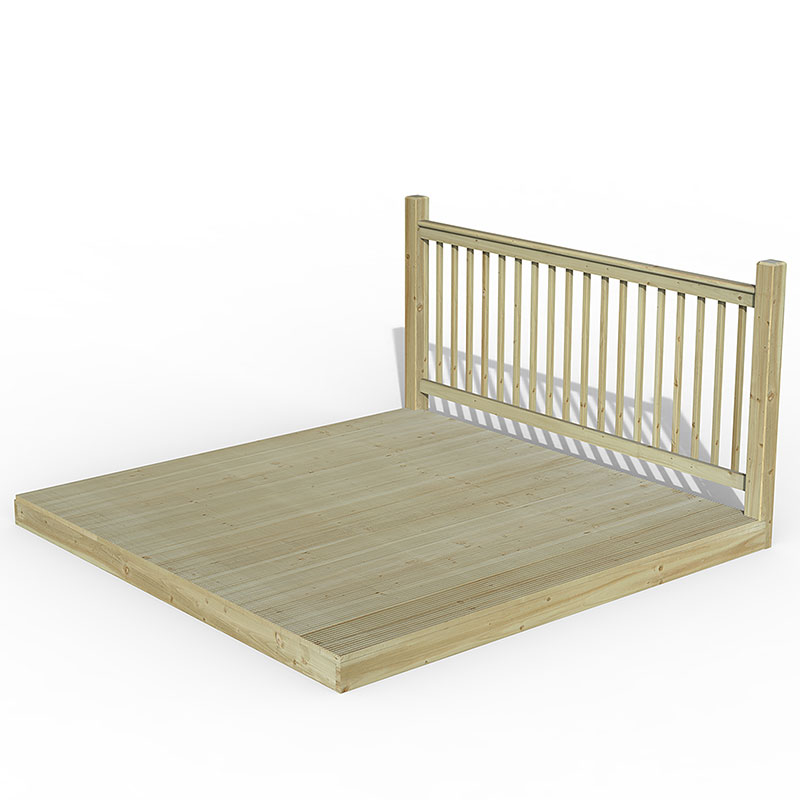
- a small seating zone for two to four people
- a raised platform for a shed entrance or rear door area
- a narrow deck strip along a fence or wall
- a compact square deck for a bistro set
- deck tiles for covering a smaller hard surface with a faster install
It is worth saying plainly: with decking, budget is not only about the boards. Fixings, framing, and the way the area is laid out all affect what you can achieve for the money. That is why smaller, simpler shapes often make more sense than trying to stretch the budget across a large area with lots of cuts and corners.
Timber Decking: The Familiar Choice
Timber decking is still the route many buyers lean towards when they want a natural look and a more traditional feel. Within a budget of £500, timber can be a practical pick because it often gives a better amount of surface area for the cost, especially when compared with some composite options. It also suits garden spaces that already have wood fencing, planters, or pergolas, since the finish tends to sit in the scene rather than stand apart from it.
There are a few common timber styles to look out for:
- Softwood decking boards for a classic, straightforward build
- Grooved boards for a more patterned surface and a familiar deck look
- Reversible boards where one side may be grooved and the other flatter
- Planed boards if you want a cleaner edge and a neater finish
Each type creates a slightly different feel. Grooved boards read as more traditional, while flatter boards can look a bit calmer and more contemporary. If your garden already has plenty of texture, such as brick, gravel, or busy planting, a simpler board profile can stop the area feeling too fussy.
Composite Decking: Clean Lines Without the Guesswork
Composite decking often appeals to buyers who want a more uniform look. It usually has a more consistent colour tone and can make small outdoor spaces feel tidier, especially where you do not want visible knots or the uneven grain you get with timber. Under £500, composite tends to appear in smaller packs or limited coverage areas, so it is often chosen for a feature section rather than a full garden rebuild.
The main difference between composite and timber is the overall appearance and feel. Composite can look more controlled, with a smoother visual finish. Timber feels more natural and a little less formal. If your garden leans modern, with metal furniture, pale paving, or black planters, composite may fit better. If your space is softer and more cottage-style, timber can sit in more gently.
Another point buyers notice is shape and edge detail. Some composite boards have a more defined profile, which can make border lines look crisp. That works well if you are aiming for a square or rectangular deck where the edges matter quite a lot. It may not be the cheapest route per square metre, but for smaller areas it can still sit within the budget if you keep the layout sensible.
Deck Tiles: Fast-Looking Structure for Smaller Spaces
Deck tiles are a different type of solution altogether. They are usually chosen for smaller, flatter areas where a full framed deck would be too much for the space or the budget. They give a tiled appearance, but with a deck-style finish, and they can be especially handy for balconies, paved corners, or compact patios that need a visual lift.
For many buyers, the charm is in the format. Instead of long boards and complex runs, deck tiles create a grid or block effect that feels ordered and easy to plan around. That can suit modern spaces, but it can also work in older gardens where the goal is simply to make a tired patch look less patchy. Under £500, tiles can be a clever way to get a defined area without having to buy a large volume of traditional decking components.
They also offer a different look from board-based decking. A board layout tends to pull the eye along a line. Tiles, on the other hand, break the surface into sections. That can make a small space feel more designed, even if the area itself is not big. It is a nice option when you want a quick visual change and do not need a fully built subframe.
Shapes That Change the Whole Feel
The shape of decking makes more difference than people expect. A rectangular deck is the easiest to budget for because it usually needs fewer cuts and fewer awkward edge pieces. It gives a calm, direct look and works well in narrow gardens or along the back of the house. A square deck feels more compact and can be useful as a dedicated seating pad or plant display zone.
Then there are wraparound sections and L-shaped layouts. These can look interesting, but they often use more material and waste more offcuts. If you are working under £500, these shapes need a bit more thought. Even a small L-shape can push the cost up because the framing and finishing details become more involved. That does not mean they are off the table, just that they suit tighter planning and smaller spans.
There is also the choice between a deck that sits flush and low or one that has a slightly raised profile. A lower build is often simpler in both appearance and cost. Raised decking can create a more defined destination in the garden, but it usually needs more structure beneath it. For budget-conscious buyers, the low-profile route often gives the best balance of look and value.
Why the Material Difference Matters
People often compare decking just by price, but the material changes the result in several ways. Timber offers a more varied, natural surface with visible grain and tonal variation. It feels closer to classic garden landscaping and can suit spaces that already have a lot of organic detail. Composite tends to look more even and controlled, which helps if you prefer a tidier, less rustic result.
There is also a difference in board width and appearance. Wider boards can make small spaces feel less busy because fewer lines are visible across the surface. Narrower boards add more rhythm and can suit traditional designs. Grooved boards make the deck surface look more structured, while flatter boards give a calmer finish. If your garden is quite small, too many narrow lines may make the area feel busy, so wider boards can sometimes be the better choice.
Good Reasons Buyers Choose This Category
There are practical reasons people search for decking under £500, but the emotional part matters too. A deck can make the garden feel more finished without needing a full redesign. It can define where the table goes, where shoes come off by the back door, or where a couple of chairs sit in the evening. It also helps awkward surfaces feel more usable, which is often the real aim.
Some of the main benefits include:
- clear zone-making in small gardens
- better visual structure around doors, seating, or planters
- more choice of style than plain paving alone
- flexible sizing for compact outdoor areas
- good value focus when the project needs to stay controlled
That mix of function and appearance is why this category attracts so many practical buyers. You are not just buying boards, really. You are buying a way to make the space make sense.
How to Tell One Option from Another
If you are choosing between options in this budget, a few differences are worth checking closely. First, look at whether the listing is for boards, tiles, or a small pack. They sound similar, but they behave very differently in use. Boards usually need more planning and framing. Tiles are easier to visualise, but may suit only certain surfaces. Packs may give you a defined coverage area, which helps if you want to keep close to budget.
Second, check the surface style. Grooved decking gives a familiar deck appearance, but may not be the best fit if you want a sleek finish. Smooth or planed boards feel less busy visually. Third, think about colour tone. Pale wood shades can make a small garden feel lighter, while deeper browns and grey tones can make the area feel more grounded. None of these choices is purely cosmetic; the colour changes how large or neat the space seems.
Buying Tips That Help the Budget Go Further
When shopping in this category, it helps to think in terms of the finished area rather than the item alone. A product that seems cheaper at first may not suit the shape of your garden or may require more pieces than expected. So it is smart to look at coverage, board dimensions, and whether the form is suitable for the space you have in mind.
A few useful points to keep in mind:
- measure the usable space first, not just the garden overall
- choose a simple shape if you want to stay near the £500 mark
- match the board style to the rest of the garden features
- check whether the layout suits boards or tiles
- think about border edges, because they can change the final look more than expected
It can also help to compare rectangular packs with mixed-use pieces. A tidy rectangular set is often easier to plan, while piecing together odd shapes may lead to more waste. Waste matters when the budget is tight, even if it only looks like a few spare offcuts. On a small project, those extras can be the difference between staying inside budget or drifting over it.
Where This Type of Decking Makes the Most Sense
Decking under £500 is particularly suited to smaller garden changes where impact matters more than scale. Think of a back door step-out area, a corner for a bistro table, a strip beside a lawn, or a raised patch that separates sitting space from planting. It is also a sensible way to test a decking look before committing to something larger later on.
For rented homes, compact gardens, and spaces that just need a neater outdoor floor, this category can be a very sound starting point. It gives you a way to shape the space without having to redesign the whole garden at once. And because there are different under-types, finishes, and forms available, it is possible to match the feel of the deck to the rest of the outdoor area instead of forcing one look everywhere.
A Final Thought for Choosing Well
The best choice here is rarely the one with the fanciest wording. It is usually the one that fits the area properly, suits the garden style, and gives the right balance of surface size, finish, and practical use. Timber, composite, and deck tiles each solve a slightly different problem. Board width, groove pattern, colour, and shape all change the result in ways you will notice once it is in place.
So if you are browsing decking under £500, look for the option that makes the space feel clearer, not just cheaper. A simple square run, a compact rectangular platform, or a neat set of tiles can be enough to change how the garden works day to day. And that, for many buyers, is the bit that really matters.
[Sassy_Social_Share]