
Decking under £200 - Best Deals in UK!
Showing the single result

Decking under £200 gives you a practical way to refresh a patio, balcony, or compact garden space with budget-friendly decking, from simple slatted panels and deck tiles to small timber and composite pieces, all chosen to bring structure, grip, and a tidier finish without stretching the spend.
Small Budget, Proper Impact
When people look for decking under £200, they are usually trying to solve a very specific problem: make an outdoor area feel more finished without taking on a big build. That is why this category is useful. It focuses on manageable sizes, smarter formats, and materials that can work in tighter spaces. You might be covering a patch of tired slabs, creating a neat sitting zone, or defining a path across a garden corner that always looks a bit forgotten.
The main appeal is not just the price. It is the way these products let you change the feel of a space quickly. A small decked area can make a seating spot feel clearer, a balcony feel more ordered, and a courtyard feel less patchy. With the right shape and material, even a modest spend can look considered rather than thrown together.
What Falls Into This Category?
This category can include a few different decking formats, and each one suits a different kind of project. Some are made for simple, quick fitting; others are better when you want a more traditional look and do not need a huge surface area.
Bestseller der Kategorie Decking under £200
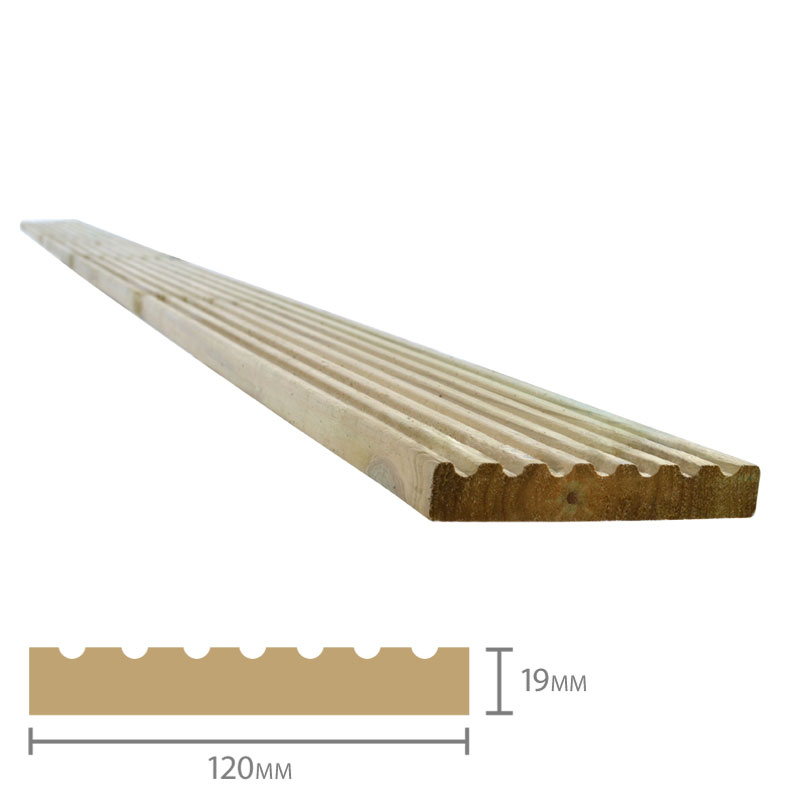
- Deck tiles – modular squares or rectangles that click or slot together for fast covering of flat surfaces.
- Timber decking boards – narrow boards for building a small decked platform or replacing worn sections.
- Composite decking pieces – boards made from mixed materials, often chosen for a more uniform finish.
- Interlocking slatted panels – handy when you want a clean, ordered surface with less fuss.
- Compact decking packs – smaller sets designed for limited areas where full-size solutions would be too much.
The point is simple: under £200 usually means you are shopping for a smaller footprint or a clever format. That does not make the choice narrow. In fact, it can make it easier to match the decking to the space instead of forcing the space to fit the product.
Timber, Composite, and Tile: The Main Differences
For many buyers, the first decision is the material. Timber decking has a natural, familiar look that suits gardens with plants, gravel, and softer lines. It often feels more traditional and can be the right choice when you want the deck to sit quietly in the background rather than dominate the area. Under £200, timber options are usually compact, which works well for step areas, small platforms, or a simple strip beside a shed or fence.
Composite decking tends to suit people who want a more even finish across a small space. The look is often a bit more uniform, and that can be useful if the surrounding area already has a lot going on. It can help a tiny garden feel less busy. In this price range, composite is often found in smaller sets or tile-style formats, so it is worth checking the coverage before deciding.
Deck tiles sit somewhere in between. They are especially useful if you want to cover an awkward section without building a full deck from scratch. Many buyers like them because the layout feels tidy and the design is easy to read. If you have a narrow balcony, a small terrace, or a squared-off corner, tiles can be a neat solution.
Shapes That Work With Real Garden Spaces
Not every outdoor space is neat and rectangular. That is where the shape of your decking makes a real differance. In the under-£200 range, you will often see products that are made to handle smaller or simpler footprints, but the shape still matters a lot.
- Square tiles – good for compact areas and easy to lay in a grid.
- Rectangular boards – better for long, narrow spaces or a more classic decking layout.
- Slatted panels – suit modern garden designs and can help the area feel orderly.
- Corner-friendly pieces – useful where a full deck would waste material.
Square formats are often the easiest for beginners because the pattern is straightforward and the result looks balanced. Rectangular boards can create a more traditional decking feel, especially if you want the eye to travel along the length of a garden. Slatted panels tend to give a lighter, more open look, which can help a small space feel less boxed in.
Why Buyers Keep Coming Back to Budget Decking
The strongest reason is simple: value for a defined area. If you are not trying to cover the whole garden, a budget limit can work in your favour. You can choose the exact area that needs attention and spend the money where it will be seen. That could mean the seat beside the house, the patch under a table, or the awkward strip by a greenhouse.
Another advantage is flexibility. Small decks can be used to separate zones without building walls or edging. A decked section around outdoor chairs makes the seating area feel intentional. A few tiles by the back door can turn a messy step-down into something cleaner. A compact run of boards can give a barbecue area a more settled feel. These are not dramatic changes, but they are the kind that make a garden easier to use.
Budget decking also works well when you want to test a layout before committing to something bigger. If you are not yet sure where the main seating area should sit, a smaller deck can help you find the right spot without overcommitting. That is useful in gardens that change with the seasons, or in rented spaces where permanent changes are not ideal.
Which Style Suits Which Space?
The best choice often depends less on taste and more on how the area is used. A tiny balcony with a table and two chairs may be better suited to deck tiles because the modular fit keeps things neat. A garden strip beside a shed might suit timber boards because the linear shape feels natural. A compact family patio could benefit from composite pieces if you want a more consistent finish with less visual clutter.
- For balconies – tiles and slim panels often fit best.
- For side returns – narrow boards or interlocking pieces can make the space feel more usable.
- For seating corners – square modular decking gives a clear base for furniture.
- For patio refreshes – a small decked section can break up a flat slab area.
It helps to think in terms of use rather than size alone. A 2m x 2m area can work beautifully as a coffee spot, while a long thin run can feel better as a walkway or transition zone. The form should match the habit, not just the measurements.
Little Details That Make a Big Difference
In this category, the small details are often what separate a decent buy from a frustrating one. Look closely at the finish and the format. A surface with a more defined grain may feel more natural, while a cleaner surface can look sharper in a modern setting. If the pieces are modular, check how the edges line up. If the layout is board-based, think about whether the lengths suit your space or leave awkward offcuts.
Also consider whether the decking is designed to sit flat in one zone or to move with a flexible layout. Some products are better for quick transformation, while others are better when you want a more permanent look. That difference matters more than people often think. A fast-fitting option can be ideal for a rented terrace, but a slightly more structured board layout may suit a garden that already has brick, stone, or timber features.
Buying Tips That Save Headaches Later
With decking under £200, the smartest purchase is usually the one that matches the area closely. It sounds obvious, but it is easy to get distracted by the finish and forget the practical bits. Measure the space carefully, then think about the usable shape after any awkward corners, steps, or fixed features are taken out of the equation.
- Check coverage first – some smaller packs look generous until you work out the actual area.
- Think about layout – square, rectangular, and slatted formats each change the feel of the space.
- Match the style to the setting – timber suits softer garden schemes; composite can sit well in cleaner, more modern spaces.
- Plan around furniture – the deck should suit the table, chair, or bench, not just the empty space.
- Allow for edges – neat borders can matter as much as the centre area.
If you are choosing between two options, ask which one gives the more useful surface rather than the more dramatic picture online. A plain, sensible deck in the right place often earns its keep faster than a flashy one that does not quite fit. Not every garden needs a big statement; sometimes it just needs a clean, level place to put a chair.
More Than One Way to Spend Less Than £200
There is a bit of freedom in this price point because you are not locked into one grand layout. Instead, you can use decking in a more targeted way. Some buyers prefer to cover one focal area and leave the rest of the garden open. Others split the budget across two smaller spots, such as a breakfast area by the house and a reading corner at the end of the garden. Both approaches can work.
That is one of the quiet strengths of cheap decking solutions done properly: they let you make the garden feel more intentional without trying to solve everything at once. The result can be subtle, but it often changes how the whole space is used. A garden with a clearly defined deck feels easier to furnish, easier to walk through, and more finished to the eye.
Finish, Feel, and Everyday Use
People often focus on colour first, but the feel of the decking matters just as much. A more textured finish can give a stronger sense of structure, while a flatter surface can look calm and unfussy. In a small area, that choice can shape the mood of the whole space. If the garden already has plenty of visual texture from planting, a simpler deck may balance things well. If the rest of the area is very plain, a more defined grain or slatted design can add a bit of character.
It is also worth thinking about how the decking sits with the rest of the setting. Grey tones can work with modern paving and metal furniture. Warm wood tones can settle nicely near borders, planters, and natural stone. Darker finishes can feel more grounded in a compact space, while lighter ones may make a small area seem less enclosed. None of that is fixed, of course, but it helps to picture the deck as part of the full scene rather than a separate item.
A Simple Upgrade That Does Not Feel Plain
What makes this category useful is the mix of practicality and design. Decking under £200 is not about overspending to make a point. It is about choosing the right size, shape, and material for a space that needs a clearer purpose. Whether you are after timber decking boards, composite tiles, or a compact modular layout, the best choice is the one that fits the way the space is actually used.
For buyers working with a modest budget, this is a good place to find products that can still make a garden feel more thought-out. A small deck can create a neat pause between house and lawn, a firm base for furniture, or a simple way to lift a plain corner. It is a practical purchase, yes, but also a visual one. And when the shape is right, the space tends to feel better straight away.
[Sassy_Social_Share]