
Decking under £1000 - Best Deals in UK!
Showing all 3 results
-
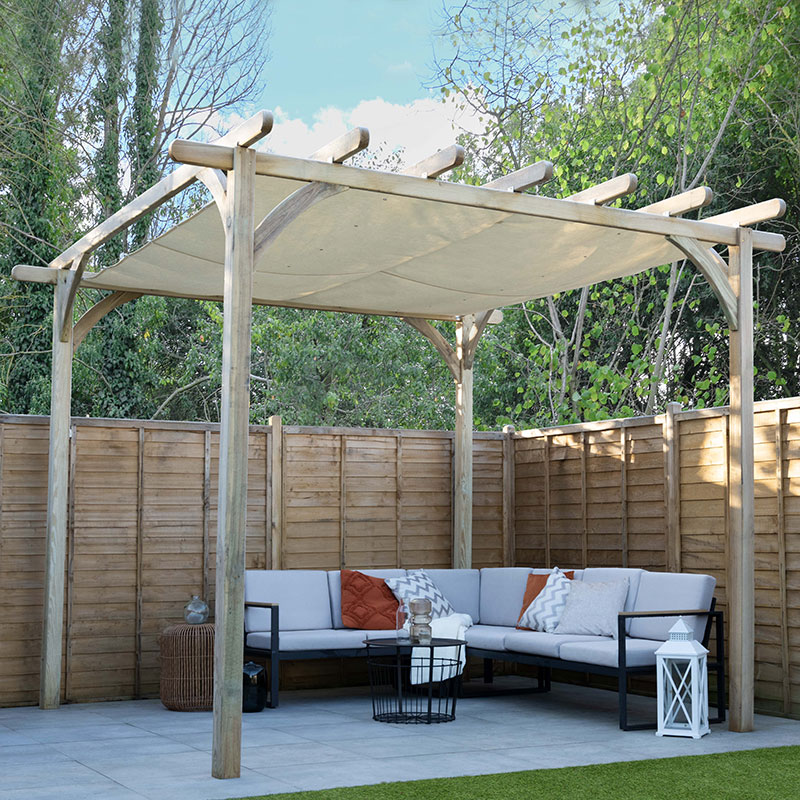
23% OFF: Forest Large Ultima Wooden Garden Pergola with Retractable Canopy 12′ x 12′ £949.9923%

-
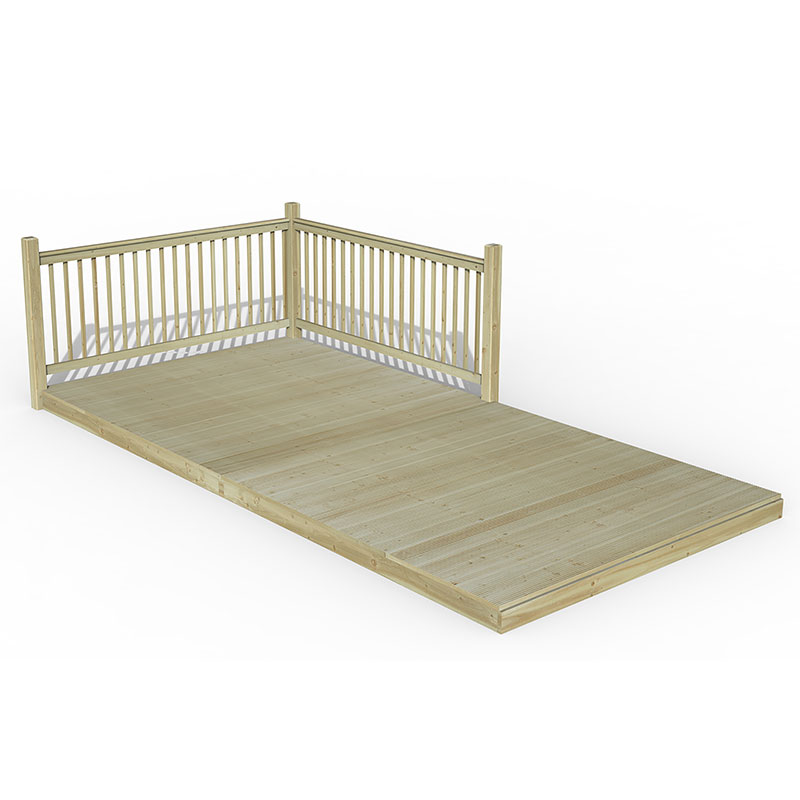
7% OFF: 8′ x 16′ Forest Patio Deck Kit No. 2 (2.4m x 4.8m) £979.997%

-
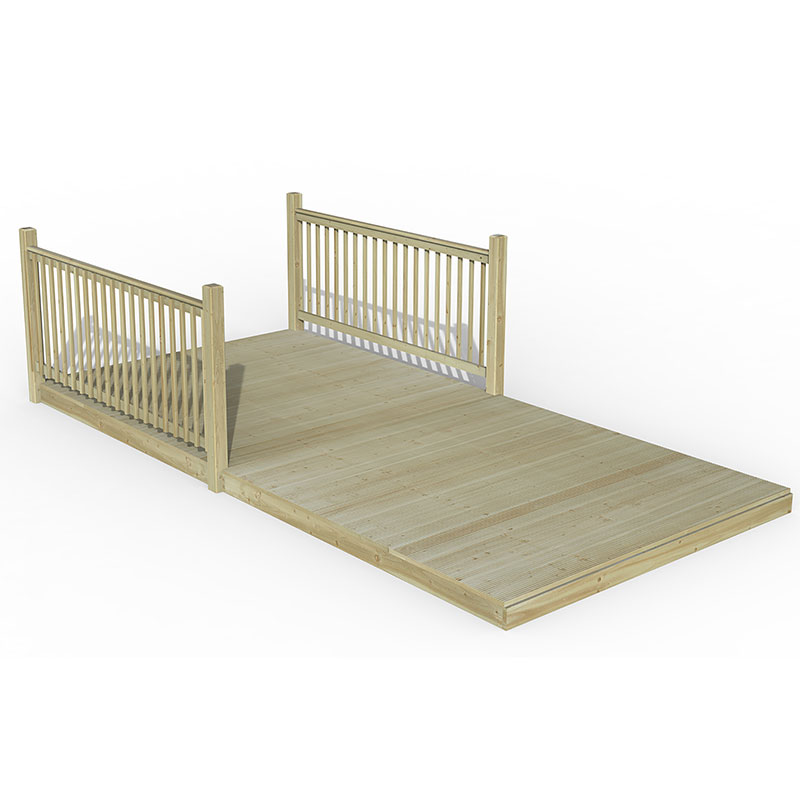
7% OFF: 8′ x 16′ Forest Patio Deck Kit No. 3 (2.4m x 4.8m) £992.997%

Decking under £1000 offers a practical way to add a defined outdoor surface for seating, dining or a hot tub area, with options in timber, composite-style boards, and compact kits for smaller gardens.
Small Budget, Clear Upgrade
When you are looking at decking under £1000, the aim is usually to get a tidy, usable outdoor platform without overcomplicating the job. That price point suits smaller patios, side returns, courtyards, and neat garden corners where a full-scale build would be more than you need. It can also work well for people who want a defined zone for a bistro set, planters, or a barbecue area, without moving into a big landscaping spend.
The nice thing about this category is the range. You will find softwood decking for a more traditional look, pressure treated boards for better outdoor durability, and some composite decking choices if you want a more uniform finish. The differences matter, because the same budget can give you a larger area in timber, or a smaller but neater-feeling setup in a denser material. That choice is often the main decision, not just the shape or colour.
What £1000 Usually Covers
With a budget like this, buyers often focus on the visible parts first: the boards, the frame, and the fixings. In a lot of cases, the money needs to stretch across deck boards, support joists, screws or clips, and sometimes edging pieces. If the area is simple and level, you can keep the spend under control more easily. If there are steps, curves, or awkward angles, the material cost can creep up fast.
Bestseller der Kategorie Decking under £1000
A basic rectangular deck is usually the easiest to price for. A square or narrow layout tends to use standard cuts and less waste, while a deck with angled corners, a raised edge, or a wrap-around feel will need more planning and more offcuts. That does not mean you have to avoid those shapes, just that the budget behaves differently depending on the form.
- Rectangular decking – simple to plan, straightforward to fit, less wastage.
- Square decking – useful for compact seating areas and small patios.
- L-shaped decking – works around corners or next to extensions, though it uses more cutting.
- Raised decking – ideal where ground levels vary, but the frame can take a bigger chunk of the budget.
- Platform decking – low and neat, often best for easy access and casual use.
Timber, Composite, and the Feel Underfoot
The main materials in this price range each have a different character. Softwood decking is usually the most budget-friendly, which means more area for your money. It tends to suit buyers who like the warmer, more natural look of timber and do not mind a visible grain pattern. Boards can come in different widths, and that changes the finish quite a bit. Wider boards can make a small area feel calmer, while narrower boards give a more detailed, traditional appearance.
Composite decking, when available within budget, often appears in smaller quantities or as slimmer projects. The selling point is the more consistent look and the reduced movement in the board surface compared with some natural timber products. Composite can also be chosen for a cleaner, more modern line, especially in grey, brown, or charcoal tones. It is worth noting that not every composite option feels the same underfoot; some have a smoother finish, while others mimic timber more closely. If the main goal is to stay under £1000, the board size, colour and total coverage will matter more than fancy extras.
There are also practical differences in how each material suits the space. Timber can feel softer and more classic, while composite often looks more crisp and uniform. If the garden already has a lot of natural texture, a simple timber deck can blend in nicely. If the surrounding area is brick, render or modern paving, a neater-profile board may sit better visually. It is not really about right or wrong, more about what the rest of the garden is already doing.
Board Widths, Grooves and Surface Style
Within decking under £1000, the board surface is not just a cosmetic detail. Grooved boards and smooth boards create different results. Grooved boards are often chosen for their familiar decking look and the lines can help a smaller surface feel more structured. Smooth boards, on the other hand, can look more contemporary and can suit minimalist planting or simple outdoor furniture. Some people find smooth boards easier on the eye because they do not dominate the space quite as much.
The choice between wide boards and narrow boards is worth thinking about too. Wider boards can make a modest garden feel less busy, and they usually mean fewer lines across the deck. Narrower boards can give a more detailed pattern and sometimes feel a bit more traditional. Neither is better in every case. If your garden is already compact, a very busy board pattern can make the area seem smaller than it is, which is why wider boards are often picked for tighter spaces.
Square-edge boards and boards with more defined profiles also make a difference to the overall look. A sharp, clean edge can suit modern seating areas, while a slightly softer, more textured board may work better where the deck is meant to feel part of a relaxed garden. These are small details, but they affect how the whole outdoor area reads at a glance.
Why People Choose Decking at This Price
For many buyers, the draw is not just cost, but the balance between spend and impact. Decking under £1000 can turn a rough patch of ground into a space that feels intentional. It creates a level surface for furniture and makes a garden easier to zone, especially if you are working with an odd-shaped lawn or a mix of hard and soft landscaping. A deck can also help create a sense of order where the rest of the garden is a bit untidy or uneven.
Another reason this category is popular is flexibility. You can choose a small, neat build now and extend later, or start with one main area and add planters, privacy screens, or a step detail in the future. That makes decking a practical purchase for people who want progress without committing to a huge redesign straight away. It is a good middle ground, really.
- Creates a level area for tables, chairs and loungers.
- Defines garden zones without needing full paving.
- Fits compact spaces where larger builds would overwhelm.
- Offers choice in timber look, colour tone and board profile.
- Leaves room for future changes if you want to extend later.
Shape Choices That Change the Whole Space
The shape of the deck has a bigger effect than many shoppers expect. A long narrow deck is useful alongside a house wall or fence line and can make a tight garden feel more organised. A square deck suits a central seating area or a small dining set, where people need room to move around the furniture. A wrap-around edge can link two parts of the garden, though it usually takes a little more material and planning.
Curved decking is less common in lower budgets because it often needs more cutting and generates waste, but even a slight softened edge can change the feel of a hard-edged garden. If the rest of the space is full of right angles, a gentler deck border can make it feel less rigid. On the other hand, a sharply defined rectangle can be easier to place and easier to furnish, which is part of why it remains a favourite for smaller spending brackets.
Useful Details Buyers Often Overlook
When browsing decking under £1000, it is easy to focus only on the visible boards. But the way the deck is put together changes both the look and the value for money. Board length affects waste. Fixing style affects the finish. Board spacing affects the feel of the surface and how open or solid the deck looks. Even the direction of the boards can make a narrow garden appear wider or longer.
A simple tip is to match the board direction to the shape of the space. Running boards across a narrow garden can help widen the view, while running them lengthways can draw the eye outwards in a long plot. It sounds small, but in a compact garden every visual trick counts. Another useful point is to think about furniture placement before buying. A deck that is too shallow for a table and chairs can look fine on paper yet feel cramped once it is built.
If you are comparing options, pay attention to whether the deck is intended for a low platform or a raised structure. Low-level decking usually suits straightforward gardens and can keep the budget tighter. Raised decking may be the right answer for a sloping area, but it needs more framing and therefore more of the available spend. That distinction matters a lot when £1000 is your upper limit.
Different Looks, Different Uses
Not every deck serves the same purpose. Some are mainly for outdoor dining, others for a sun lounge area, and some are simply there to tidy a transition from house to garden. A dining-focused deck usually needs a fairly stable, open shape, with enough room to pull chairs out. A lounge area can be smaller and more intimate, which means the visual finish matters more than absolute size. A transition deck near patio doors is often about making the step outside feel cleaner and more finished.
In smaller gardens, the right deck can make a surprising difference to how the space is used. It can create a dry place for a bench, a spot for containers, or an area where muddy shoes do not land straight on grass. That is one of the quieter advantages of decking: it gives the garden a bit more structure without taking away the relaxed feel. And unlike some hard landscaping choices, it still feels like part of the outdoor space rather than something dropped into it.
How to Shop This Category Without Guessing
When comparing products in this price band, it helps to think in terms of coverage, board style, and overall finish. Ask yourself how much area the deck really needs to cover, because a smaller, neat build often looks better than stretching the budget too far and ending up with thin margins elsewhere. Also look at whether the product suits the style of the garden you already have. A rustic timber deck and a sharply modern garden can work together, but they need a bit more thought.
It is worth checking whether the boards have a profile that suits your intended use. If the deck will be used often and has furniture on it, a finish that feels steady and coherent can be more appealing than something overly decorative. If the space is mainly visual, like a small seating corner seen from the kitchen, then colour tone and board layout might matter more than total size. That is where this category becomes useful: there is enough choice to fit different priorities, but not so much that it gets unmanageable.
- Measure the usable area first, not just the total garden size.
- Decide on timber or composite style before comparing board counts.
- Check the shape of the space, because rectangles are easier on budget.
- Think about furniture footprint so the deck does not feel too tight.
- Choose a board direction that suits the shape of the garden.
A Practical Finish That Still Feels Personal
Decking under £1000 is often chosen because it feels realistic. It gives you something solid, useful and visually clear, without asking for a huge outlay. The best part is that even within a modest budget, the choices still have personality. A warm timber finish feels softer and more traditional. A grey or dark-toned board can feel sharper and more contemporary. A narrow layout can feel neat and tidy, while a wider platform gives the impression of more room to breathe.
That is why this category works so well for many gardens. It is not only about spending less; it is about spending in a way that still changes how the outdoor space is used. Whether you need a simple square platform, a low rectangular deck, or a small raised area to smooth out a sloping patch, there is plenty to compare. And when the details are chosen well, the deck ends up doing exactly what it should: making the garden easier to enjoy, and just a bit more pulled together.
[Sassy_Social_Share]