
Decking under £100 - Best Deals in UK!
Showing all 3 results
-
37% OFF: Forest Treated Softwood Value Deck Board 19mm x 120mm x 2.4m Pack of 10 £74.9937%

-
29% OFF: Forest Treated Softwood Value Deck Board 19mm x 120mm x 2.4m Pack of 10 £84.9929%
-
13% OFF: Forest Treated Softwood Value Deck Board 19mm x 120mm x 2.4m Pack of 5 £59.9913%

Decking under £100 brings together budget-friendly deck boards, decking tiles and small-format kits for patios, balconies and compact gardens, with options in wood, composite and plastic finishes to suit different layouts.
Small Budget, Big Change
Choosing decking under £100 is often about making a space feel more finished without overspending. In this category, the appeal is not just the price point, but the mix of formats and materials that can work in tighter spaces. A small run of boards can edge a seating area. A set of tiles can turn a plain slab into something warmer underfoot. Even a modest section of decking can change how a garden zone reads, especially where grass is uneven or a patio feels a bit cold and hard.
This budget bracket suits buyers who want to test an idea first, or to build a feature in stages. You might be looking for a corner platform, a narrow path, a balcony surface, or a simple way to define where furniture sits. The main difference in this range is usually not just cost, but the shape of the decking, the surface texture, and how much area each pack covers.
Boards, Tiles, Panels: Different Shapes for Different Spaces
One of the clearest distinctions in decking under £100 is the form it takes. Some buyers want traditional decking boards, which create a continuous look and suit longer runs beside walls, fences or lawn edges. Others prefer interlocking decking tiles, which are often easier for smaller spaces and awkward corners. Then there are panel-style pieces, which can make the job feel more like laying a ready-made surface rather than building one from scratch.
Bestseller der Kategorie Decking under £100
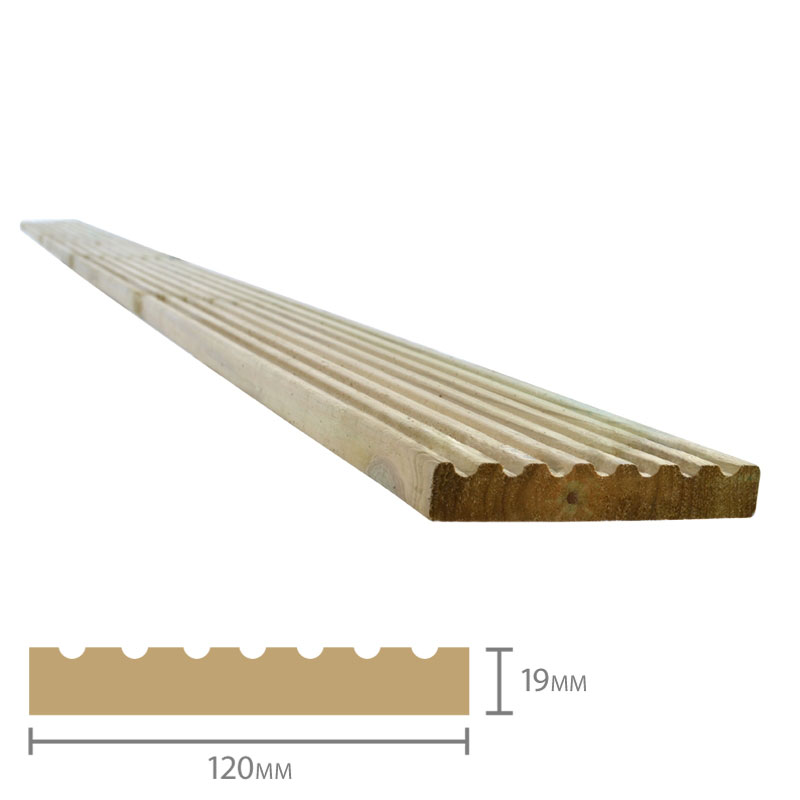
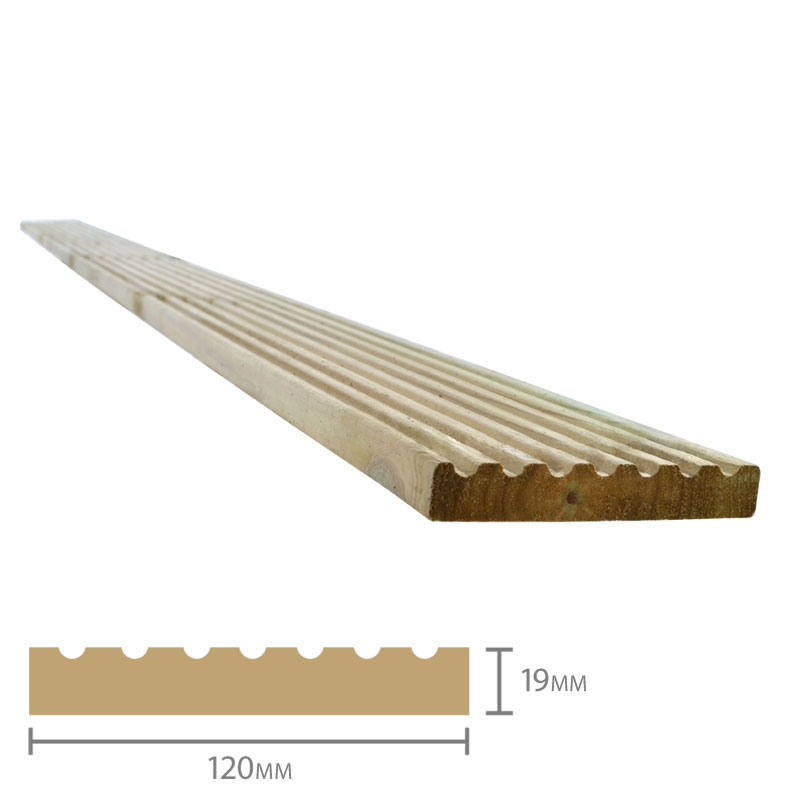
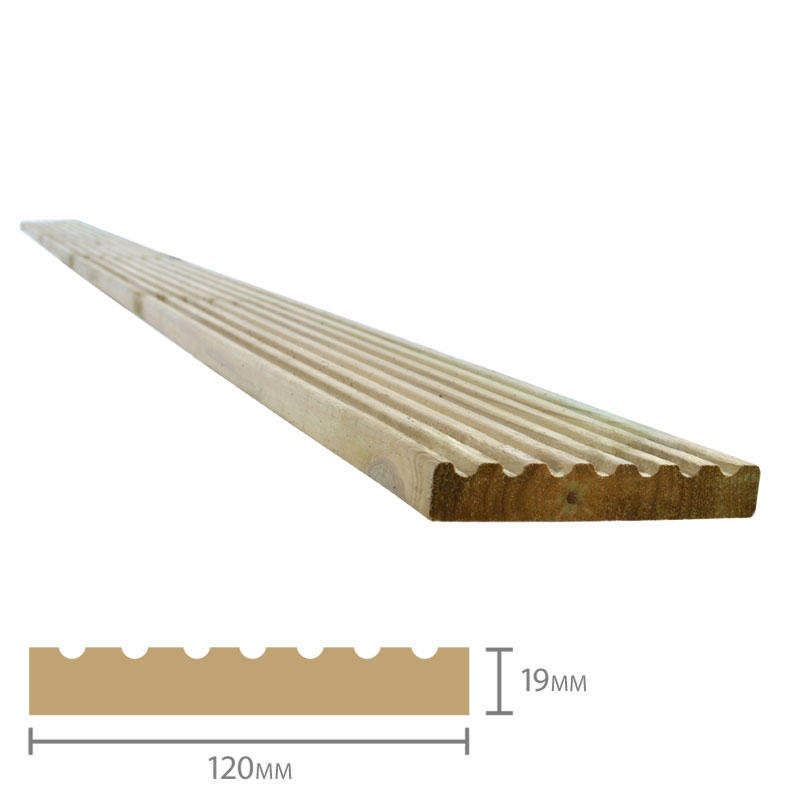
Deck boards usually give the most classic appearance. They can look neat and linear, and they often make a narrow garden feel longer. Decking tiles are better if you want a quicker visual change and a layout that can follow square or rectangular footprints. They also suit renters or anyone who does not want a full structural deck. Panels sit somewhere in the middle, giving a tidy finish with less fuss than a custom build. Each shape has its own pace and look, so it helps to match the form to the space rather than just the price.
Wood Grain, Composite Feel, Plastic Finish
Material makes a real difference in this price range. Softwood decking often gives a more natural, familiar look, with visible grain and a warmer tone. It tends to suit traditional gardens, cottage-style planting, and areas where a bit of texture matters. Composite decking can bring a more even surface and a cleaner edge, often with a more uniform colour through the boards or tiles. Plastic or recycled plastic decking options lean towards practicality, especially where the aim is a straightforward surface with a simple appearance.
The feel underfoot changes too. A wood-grain finish can seem more natural and slightly softer visually, while a smoother composite or plastic surface can give a sharper, more modern result. In a category like this, the difference is often about the balance between appearance, weight, and how the product fits the project. If you want a more rustic garden look, wood usually fits that mood. If you want something cleaner and more even, composite or plastic may suit better.
Where Budget Decking Makes the Most Sense
Decking under £100 works well in places where a full-scale build would be too much. Think of a small terrace, a balcony, a side passage, a compact courtyard, or a section beside a shed. It can also be used to create a visual break between two surfaces, such as lawn and gravel, or patio and planting bed. In these smaller settings, the aim is often to define space rather than cover everything.
It also suits feature areas. A few boards behind a bench can make a sitting nook feel more intentional. A tile run under a bistro set can make a breakfast corner feel more settled. If your garden has an odd shape, budget decking can help square off part of it without forcing the whole layout into one fixed style. That flexibility is one of the main reasons people look in this category.
What Changes the Look Most: Width, Colour and Surface
When comparing products, the most obvious visual differences usually come down to board width, surface pattern, and colour tone. Wider boards can make a small area feel calmer, with fewer joins across the surface. Narrower boards can add detail and create a more classic deck look. Tiles usually produce a more modular finish, which can be neat and practical, though less seamless than boards laid in a run.
Colour also matters more than people expect. Pale grey can feel fresh and contemporary, while brown or timber tones read as more traditional. Darker finishes can anchor furniture areas, though they may show dust or water marks more easily, so the general look may depend on how much natural cover the area gets. Surface pattern is another key point: grooved decking gives a more textured appearance, while smooth decking looks simpler and a bit more minimal. Neither is automatically better, it depends on the style you want to build around.
Little Jobs, Clear Results
One of the nicer things about budget decking is that small changes can have a clear effect. A narrow strip of boards can help hide a plain edge. A set of square tiles can make a cramped area look more organised. A raised surface, even if it is only slight, can help a seating zone stand apart from the rest of the garden. These products work well where the visual payoff is important and the footprint is not huge.
That makes this category appealing for buyers who are deciding between several small projects. You may not need a whole deck, just a section that makes furniture sit properly or gives your outdoor space a bit of structure. In that sense, decking under £100 is often about solving one visible problem rather than changing the whole garden at once.
Why Some Buyers Choose Tiles Over Boards
Decking tiles are often picked for convenience and flexibility. Their modular shape makes them easier to place in compact zones, and they can suit layouts where a board run would feel too long or too fixed. If the area has lots of edges, corners or interruptions, tiles can sometimes feel less awkward to plan. They also create a pattern that looks deliberate, which is useful in smaller spaces where every square matters.
Boards, on the other hand, tend to give a more tailored and built-in look. They often feel better when you want a strong horizontal line through the garden. They can also make a narrow area appear longer, which is handy in side returns or along a fence. So the choice between tiles and boards is not only about budget, but about whether you want a modular layout or a continuous deck line.
Shapes That Fit More Than One Plan
In this price range, buyers often end up choosing products that can be used in more than one way. Square tiles suit neat layouts, but they can also be turned to fit awkward boundaries. Rectangular boards work well in straight runs, yet they can also be cut to frame a corner or create a border effect. Some products are sold in packs that suit small areas straight away, which is useful if you do not want to end up with too much left over.
That said, it helps to think in terms of surface coverage rather than just the pack photo. A product may look simple, but the exact shape can decide whether it works on a balcony, under a bench, or across a garden step. Choosing the right format can save a lot of faffing about later, and yes, that matters even when the budget is modest.
Practical Benefits Buyers Usually Notice First
- Clearer zoning for seating areas, paths or small outdoor corners.
- Different finishes to match a rustic, modern or low-key garden style.
- Compact pack sizes that suit smaller projects and tighter budgets.
- Choice of forms such as boards, tiles and panel-style pieces.
- Surface variety including grooved, ridged and smoother looks.
- Simple visual impact without needing a large footprint.
- Useful for uneven spaces where a full deck would be harder to plan.
Matching the Decking to the Garden Mood
The right choice often depends on the overall feel of the space. A natural-looking board can fit beside planting, timber furniture and softer lines. A neat tile pattern can work well with modern planters, black frames and compact outdoor sets. Grey tones often sit comfortably in urban gardens or balcony settings, while warmer browns and muted timber shades can feel more relaxed in greener spaces.
If your garden is already busy with colour, a simpler decking finish can help calm it down. If the surrounding area is quite plain, a bit of grain or texture can stop it feeling flat. This is where different sub-types matter. The same category can contain a lot of visual personalities, and the better match is usually the one that supports what is already there rather than fighting it.
Good Questions to Ask Before You Choose
Before adding a product to basket, it helps to check a few details. How much area does the pack actually cover? Is the finish more natural or more uniform? Does the shape suit a straight run or a small square? Will the surface sit neatly against existing paving or gravel? These are the sort of questions that can make a budget purchase feel much better once it is in place.
It can also help to think about how visible the decking will be. If it is the main focal point, a cleaner finish may be worth prioritising. If it is tucked beside a shed or behind a seating area, a simpler texture might be enough. In short, the best choice is not always the most detailed one, just the one that works with the space you actually have.
A Budget Category with Real Use
Decking under £100 is a practical category for buyers who want a defined outdoor surface without stepping into a bigger project than needed. It covers different materials, shapes and looks, which makes it suitable for many kinds of garden layouts, from narrow side paths to small social corners. The main strengths are the variety of forms, the visible difference in surface style, and the way a small section can pull the rest of the space together.
If you are comparing options, focus on the shape first, then the finish, then the overall look next to your existing garden features. That order often makes choosing feel less muddled. And once you spot the right balance of size, texture and style, the category becomes a lot more useful than it first appears.
[Sassy_Social_Share]