
contemporary summerhouses - Best Deals in UK!
Showing all 6 results
-
12% OFF: 10×6 Shire Orchid Contemporary Wooden Summer House £1,299.0012%

-
12% OFF: 10×8 Shire Highclere Contemporary Wooden Summer House £1,759.0012%

-
12% OFF: 10×10 Shire Highclere Contemporary Wooden Summer House £1,919.0012%

-
12% OFF: Shire Barnsdale 2.7m x 2.7m Wooden Log Cabin Summer House (19mm) £1,339.0012%

-
12% OFF: Shire Barnsdale 2.7m x 2.7m Wooden Log Cabin Summer House (19mm) £1,340.9912%
-
12% OFF: Shire Barnsdale 2.7m x 2.7m Wooden Log Cabin Summer House (19mm) £1,421.9912%
Contemporary summerhouses with clean lines, large glazing and practical layouts bring a calm, modern feel to the garden, giving you a bright extra room for dining, working or relaxing.
Where modern garden rooms begin
Contemporary summerhouses are not trying to look like old-fashioned cabins. They usually lean into simple geometry, slim frames, generous windows and a more architectural finish. That makes them a strong fit for gardens that already have a neat, modern look, but they can also give a fresh contrast in softer, more planted spaces. The point is not just style, though. These buildings are often chosen because they feel open, useful and visually lighter than a traditional timber summerhouse.
In practical terms, the category covers a broad range of designs: some are cube-shaped and sharp-edged, some are more asymmetrical with a side canopy or offset entrance, and others use a low profile so they sit quietly in the landscape. A contemporary summerhouse can be more than a place to sit in summer. It can work as a reading space, an outdoor dining room, a hobby zone, or a calm spot for remote work, depending on how the interior is laid out and how much glazing it has.
Clean shapes, calm lines, clear purpose
The most recognisable feature is the modern silhouette. Instead of decorative trims and fussy detailing, you get straight edges, flat or gently sloping roofs, and window layouts that feel deliberate. This gives the structure a composed look, especially when paired with dark cladding, natural timber, or a painted finish in muted tones. A contemporary summerhouse often feels less like an extra shed and more like a planned extension of the home.
Bestseller der Kategorie contemporary summerhouses
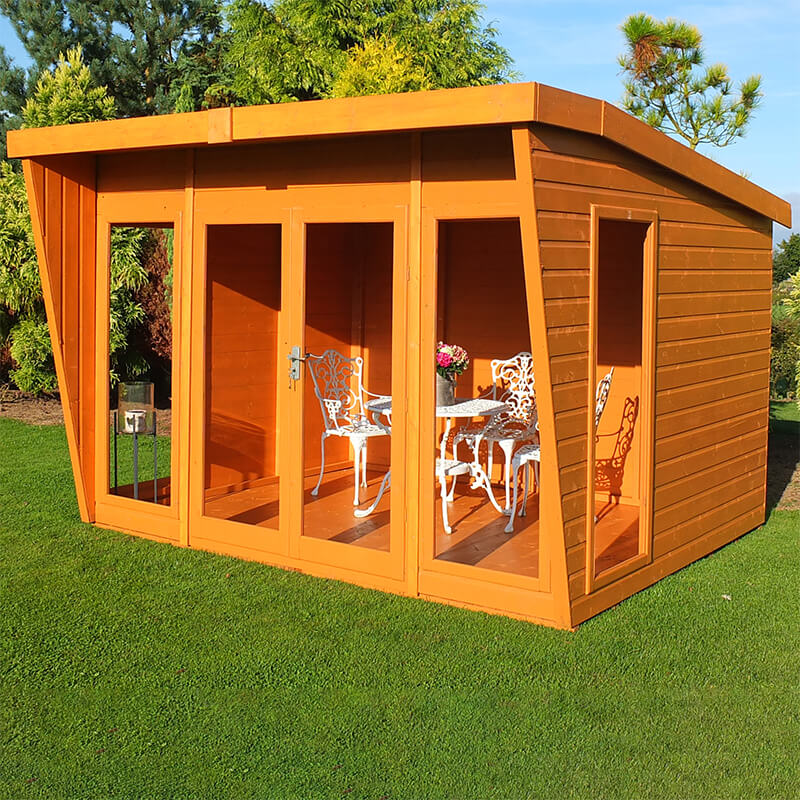
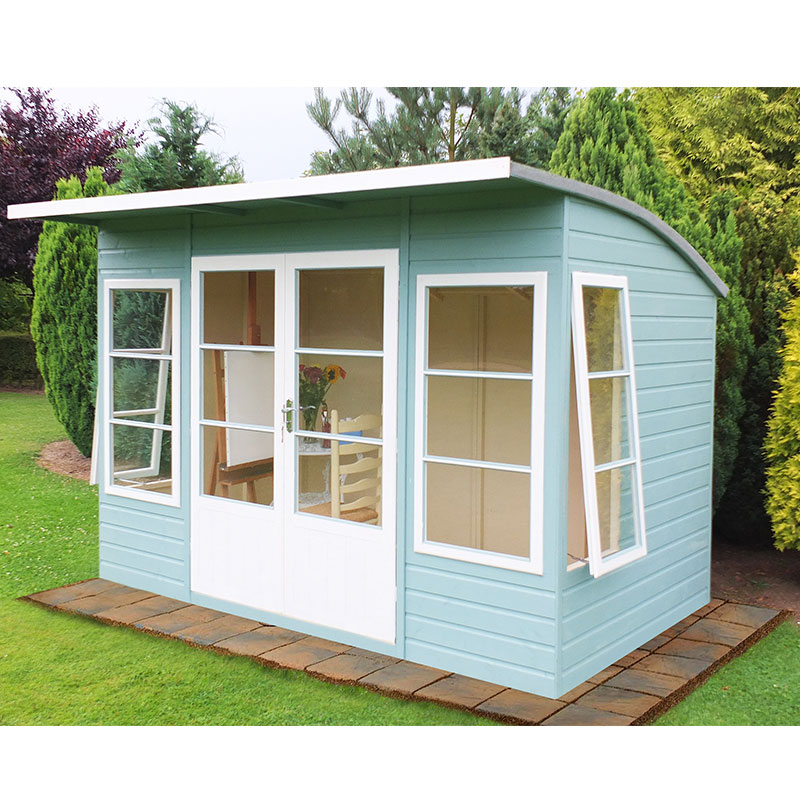
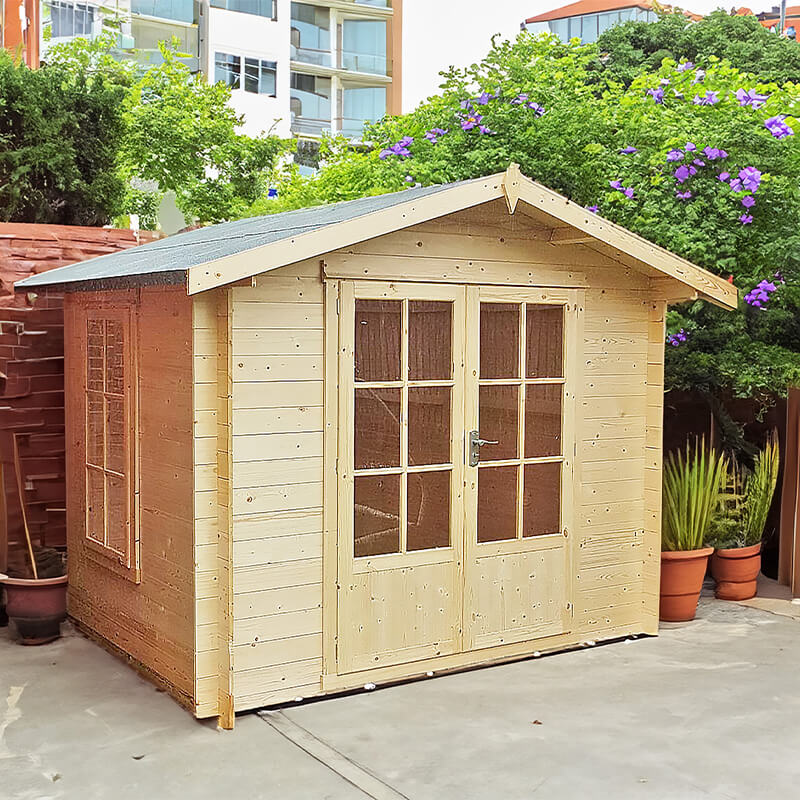
Shape makes a big difference to how the building reads in the garden. A rectangular footprint is easy to furnish and works well for tables, sofas or desks. A square design can feel balanced and compact, which suits smaller plots. Corner summerhouses use an angled form to fit into a boundary edge or an underused part of the garden, helping you reclaim space that might otherwise be awkward. There are also pent roof summerhouses, where the sloping roof adds a tidy contemporary profile and can create more headroom at the front or back, depending on orientation.
Glazing that changes the mood
One of the main differences between contemporary and more traditional styles is the use of large windows, full-height glass panels and sometimes double doors or sliding-style openings. This is not just about looks. More glass changes the atmosphere inside, bringing in daylight and making the room feel connected to the rest of the garden. That connection is part of the appeal: you can sit inside and still feel part of the outside space, even when the weather is being a bit awkward.
There are a few glazing approaches you’ll see in this category:
- Full front glazing for an open, pavilion-like feel
- Corner glazing to widen the view and soften the boundary of the room
- Mixed solid and glazed walls for a better balance of privacy and light
- Glazed doors to make access feel easy and to lift the whole frontage
- Strip windows for a more discreet, architectural look
The difference between these options is quite noticeable. A summerhouse with lots of glass feels airy and sociable, but it may need more thought around placement if you want a sense of seclusion. A design with more solid wall sections can feel cosier and more sheltered, while still keeping that modern edge.
Materials that set the tone
Material choice has a huge effect on how a contemporary summerhouse looks and feels. Natural timber is still common, but it is usually used in a cleaner, less ornate way. Vertical cladding can make the building feel taller and more modern. Horizontal boards create a laid-back, linear look. Some designs use a darker stain or finish to blend into planting and make the glazing stand out more sharply. Others keep the timber lighter for a softer, Scandinavian-style mood.
There are also summerhouses that bring in metal details, slim aluminium framing or strong black window profiles. These touches suit a contemporary design because they emphasise crisp edges and reduce visual bulk. Compared with traditional summerhouses, the overall impression is often more minimal and less decorative. That difference matters if you want something that feels current rather than rustic. If your garden already has modern paving, steel planters or restrained planting, these finishes can tie things together really well.
Useful material contrasts include:
- Vertical cladding for height and a neat, architectural rhythm
- Horizontal cladding for a broader, calmer appearance
- Dark finishes for a more grounded, discreet presence
- Natural finishes if you want the building to sit softly among greenery
- Mixed material details where timber and framing are used to sharpen the overall design
Rooflines with a modern profile
The roof is one of the quickest ways to tell different contemporary summerhouses apart. A pent roof gives a neat sloping form and is often favoured for its simple modern look. A flat roof style can feel even more architectural, with a very low visual profile, though the exact appearance depends on the depth of the eaves and edge detailing. Some designs use a subtle dual-pitch roof but keep the rest of the structure restrained, so the result still feels contemporary rather than traditional.
What matters here is the relationship between roof shape and the rest of the build. A low roof can make a summerhouse feel understated and suited to tighter boundaries. A taller roof can give a more spacious interior and a stronger sense of presence. If you want a building to look quietly elegant rather than dominant, that roofline choice is worth thinking about early on. It changes not only the exterior but also how the room feels once you step inside.
Compact nooks or wider social spaces
Contemporary summerhouses come in a range of sizes, and the right one depends on how you plan to use the space. Smaller versions are ideal when you want a garden retreat without giving up too much lawn or planting area. They can hold a compact chair set, a bench, or a small work table. Larger designs are better for dining, entertaining or creating distinct zones inside the building, such as one corner for seating and another for storage or a desk.
The difference in layout becomes very important once furniture enters the picture. A square footprint may be easy to furnish symmetrically, but a long rectangular build can support a sofa along one wall and a table near the glazing. Corner units can be surprisingly efficient because they use boundary space well, though they may suit custom furnishing a bit better than ready-made bulky pieces. Before buying, it helps to imagine the room in use, not just standing empty in a product image. Sounds obvious, but people often skip that bit.
Privacy, light and the balance between them
One of the key appeals of this category is the way it balances open light with usable privacy. A lot of glazing can create a bright and inviting room, but a thoughtful contemporary design still considers where people will sit, how the building faces, and what can be seen from neighbouring gardens. That means you get the airy feel without necessarily giving up comfort.
Different layouts suit different degrees of exposure. If your garden is overlooked, a design with glazing concentrated on one side or towards the rear may be a better choice. If the summerhouse sits deeper in the plot, a more open frontage can make it feel like a destination space. It is also useful to think about the direction of the sun. A glazed south-facing front can be lovely in the morning and afternoon, while a sheltered side opening may feel more comfortable for longer sitting periods. That kind of planning makes a big difference to how much you use the room.
Why buyers choose contemporary summerhouses
The appeal is partly aesthetic, but there are practical reasons too. These structures often create a room that feels lighter, more flexible and easier to integrate into a modern garden scheme. Because the style is pared back, it tends to sit well with patios, decking, raised planters and simple outdoor furniture. It also works across a range of garden sizes, from urban courtyards to larger landscaped plots.
Compared with a traditional summerhouse, a contemporary version often offers:
- A more open interior feel thanks to larger glazing areas
- A cleaner exterior line with fewer decorative details
- Better visual fit in modern gardens and new-build settings
- Flexible use for lounging, working, eating or hobbies
- A sharper architectural presence without looking heavy
That said, the best choice depends on what you want the garden building to do. If you want a tucked-away spot with a cosy, enclosed feel, a design with more solid walls may suit you better. If you want a room that feels bright and social, the more glazed end of the category is worth focusing on. Different does not mean better or worse — it just means the building speaks a different language.
Small details that make a big difference
In contemporary summerhouses, the small details are often what create the finish people respond to. Slim framing around the doors can make the whole frontage feel less cluttered. A recessed entrance can give depth and a sense of arrival. Black hardware or minimal handles can quietly reinforce the modern look. Even the spacing of boards or the proportion of glazed sections can alter the feel from soft and relaxed to crisp and precise.
There is also a difference between designs that look purely decorative and those that seem properly thought through. A well-proportioned opening, for example, does more than let in light; it frames the garden like a view. A side window can brighten a darker corner without ruining privacy. A canopy over the entrance can make the threshold feel more useful in everyday use. These are the things buyers often notice after the first impression has settled.
Choosing the right style for your garden
If you are narrowing down the options, it helps to match the building to both the garden and the way you want to live in it. A minimal cube suits a crisp, modern layout. A corner summerhouse is useful when the plot has an awkward angle or you want to keep the centre of the garden open. A pent roof model gives a streamlined look and can feel less bulky. A design with more glass can create a striking focal point, while a more balanced mix of solid and glazed panels often feels easier to place in a mixed planting scheme.
Think too about how the summerhouse will sit beside fences, hedges and paving. A dark exterior can recede visually and make planting stand out. A lighter timber finish can soften harder landscaping. A model with wider doors can be practical if you plan to move chairs or tables in and out regularly. And if you’re after a place that feels good from the inside and the outside, the proportions need to work on both counts, which is where contemporary design usually earns its keep.
A finish that feels deliberate, not overdone
What draws many people to contemporary summerhouses is that they feel composed without trying too hard. The style gives you a garden room with a clear identity: modern lines, usable light, and a shape that makes sense in real life. It can stand quietly at the edge of the garden or act as the main feature, depending on the finish and size you choose. Either way, the category offers enough variety in form, glazing and layout to suit different plots and different ways of spending time outdoors.
For anyone comparing options, the key is to look past the general label and focus on the details that matter to daily use: shape, roofline, window placement, privacy balance, and interior practicality. Those are the things that decide whether a summerhouse becomes a space you use now and again, or one that quickly feels like part of the garden itself.
[Sassy_Social_Share]