
Carports under £4000 - Best Deals in UK!
Showing all 4 results
-
8% OFF: 20′ x 17′ Palmako Karl Wooden Carport (6m x 5.1m) £3,489.008%

-
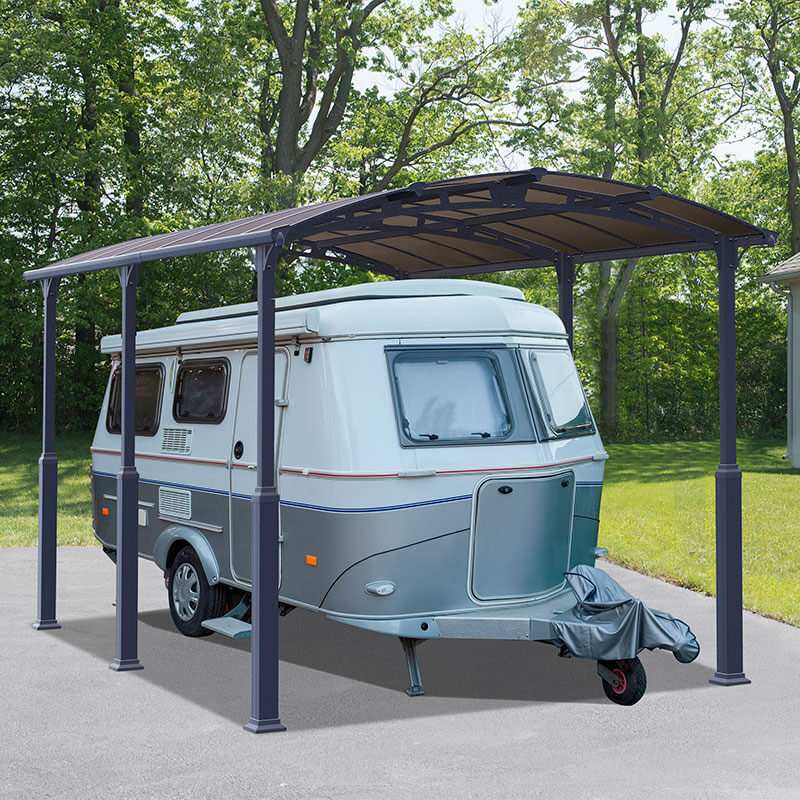
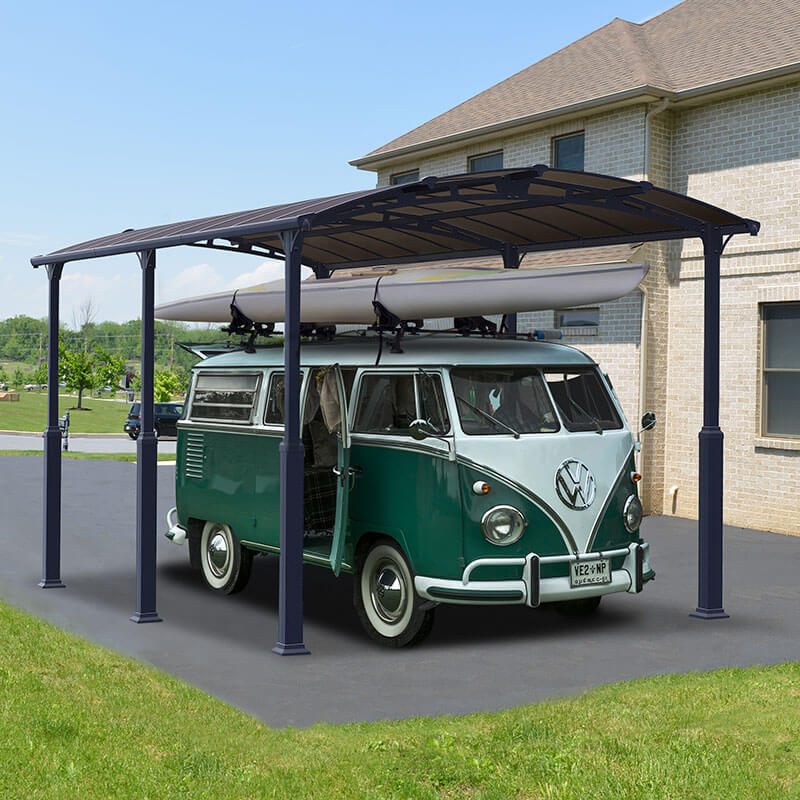
12′ x 28′ Palram Canopia Arcadia 8500 Grey Metal Carport (3.59m x 8.58m) £3,499.00

-
12′ x 21′ Palram Canopia Arcadia Alpine 6400 Grey Metal Carport (3.59m x 6.44m) £3,529.00

-
12′ x 16′ Palram Canopia Arcadia Alpine 5000 Grey Metal Carport (3.59m x 5.02m) £3,039.00

Carports under £4000 give you a practical way to protect a car, van or motorbike without stretching the budget; compare open-sided, flat roof and lean-to options for your space.
Why this budget still makes sense
A carport does not need to be a huge build to make a real diference. Within the under £4000 range, you can still find structures that do the main job well: keeping rain off the bodywork, reducing frost on the windscreen and giving a bit of cover from falling leaves, bird mess and tree sap. For many buyers, that balance of price, size and useful shelter is the point. You are not paying for a fully enclosed garage, so you keep the build lighter, simpler and often quicker to place in the garden or by a driveway.
This price band often suits people who want a straightforward parking cover rather than a full-outbuilding. It can also be a smart choice where planning or space limits make a garage less practical. A carport can feel less bulky visually, which matters if you want the front of the property to stay open rather than boxed in.
Open, semi-open and enclosed side sections
One of the main differences between carports is how much the sides are left open. A classic open-sided carport is the simplest format and usually gives the clearest access. It is useful when you reverse into the space or need to step in and out with shopping, pushchairs or tools without a tight turn. With fewer side panels, it can also look lighter in a smaller garden.
Bestseller der Kategorie Carports under £4000
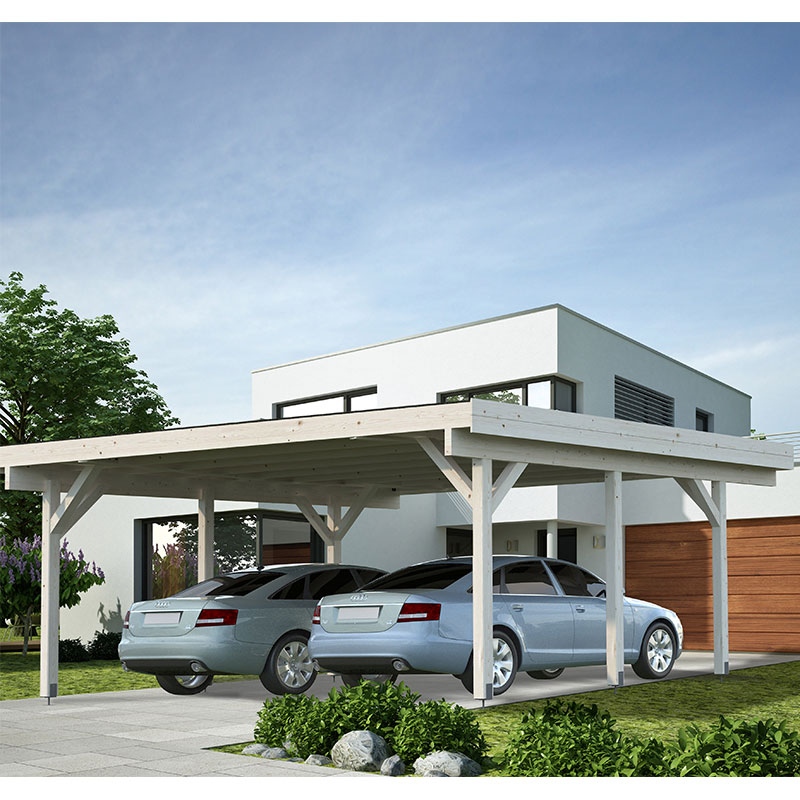
A semi-enclosed design adds side protection, often on one or two sides only. This can help when wind drives rain in from one direction, or where a boundary sits close by and you want a bit more shielding. It is a useful middle ground because it keeps the carport open enough to avoid feeling cramped, while giving more coverage than a basic frame.
Fully enclosed styles sit closer to a garage feel, but in this budget they are usually limited in size or finish. If the aim is to stay under £4000, many buyers choose an open or semi-open layout because it keeps the structure simpler and the price more reachable. The trade-off is obvious: more openness means less side shelter, but it also means easier access and less visual weight.
Roof shapes that change the whole feel
The roof is not just a finishing touch. It changes drainage, looks and how the carport sits beside the house. A flat roof carport has a neat, low profile that can work well against a wall or in a modern setting. It tends to look tidy and restrained, especially when you do not want the structure to dominate the driveway.
A single-slope or lean-to roof is common where the carport attaches to a building or garage. The sloping surface helps water run off in one direction, which is useful where you want a simple shape with fewer visual breaks. It often suits narrow side spaces too, because the height can be managed more easily against an existing wall.
A gable roof carport gives a more pitched, house-like shape. That can be handy if you want the structure to echo the style of the main property. It may feel a bit more spacious visually, since the peak creates extra height in the centre. In the under-£4000 category, this shape may appear on smaller footprints, but it is still attractive to buyers who dislike a boxy look.
There are also arched or curved roof forms, though these are less common at this budget and size level. Their rounded profile can soften the look of a driveway, especially if you prefer something less angular. The main difference is appearance rather than huge practical change, although the shape can affect the way rain and snow move off the top.
Materials that suit the price point
When shopping for carports under £4000, material choice matters because it affects both the look and what kind of installation you are dealing with. Timber carports often bring a more traditional feel. They can sit nicely in garden settings, beside brick homes or anywhere you want a softer appearance than metal. Timber also tends to blend better with fencing, sheds and planting, which helps if the carport sits in view from the house.
Metal carports, often with steel frames, lean towards a sharper and more practical look. They can suit modern homes or driveways where a cleaner line feels right. A metal frame may also allow slimmer supports, which matters if you want more manoeuvring room. In this budget, metal options are often chosen for their simpler structure and tidy finish.
Some buyers prefer a mix of materials: a frame in one material and roof panels in another. That kind of combination can give a balance of appearance and function. The key point is to look at the frame strength, roof covering and overall footprint together, not only at the headline price. A carport that looks affordable but is too shallow or too narrow will not feel like a bargain once it is in place.
Which shape works best for your parking space?
Shape is not only about style. It affects how easily you can park, open doors and move around the vehicle. A single-bay carport is the usual choice for one car and often fits neatly in tighter gardens or short driveways. It gives a clear, defined space without taking over the whole frontage.
A double-width carport can be tempting if you have two smaller vehicles or want extra room beside a family car. In this budget, double-width does not always mean large enough for every need, so it is worth checking the actual dimensions rather than assuming it will suit two full-sized vehicles. Some buyers use the extra width for a car and motorbike, or for a car with a bit of side space for bins or a bike rack.
Freestanding carports are often more flexible because they can be placed away from the house wall. That works well for larger drives and may help if you want the vehicle cover to sit closer to the entrance gate. Attached carports, by contrast, can feel more integrated and may make a shorter route from car to door. The difference is practical: freestanding usually gives placement freedom, while attached versions can make better use of the building line.
What under £4000 usually buys you
At this price, buyers often look for a carport that delivers the essentials rather than a full premium package. That can mean a sensible frame size, a practical roof form and a finish that looks good from the road without pushing into complex build territory. It is a budget where you may need to choose between more coverage and a more refined finish, instead of expecting both in full.
In real terms, carports under £4000 often suit compact to medium parking areas, or a single vehicle with room for easy entry. They can also work well for garden vehicles, small trailers or a motorbike if the dimensions are right. The nice thing is that the spending stays contained while still giving a proper shelter rather than a makeshift cover.
If your space is awkward, the budget may be better spent on a simpler but better-fitting shape than on extra style features. A neat lean-to or open-sided frame that fits the driveway well often brings more day-to-day value than a larger structure that feels tight to use. That is where careful measuring really pays off.
Useful differences buyers often overlook
Small details can make a big difference to how a carport feels once installed. One example is clearance height. A normal family hatchback is one thing, but if you drive a SUV, estate or van, you need to check the height under the canopy and at the entrance. A carport that looks fine on paper may feel awkward if rooflines or supports sit too low.
Another point is post placement. Wide openings are useful for easy parking, but the position of supports matters if your doors open wide or if you need to swing shopping bags out of the boot. Some buyers prefer posts set slightly further out so they do not feel boxed in. Others are happy with a tighter frame because the driveway is narrow and every centimetre counts.
Roof coverage also changes the experience. A deep roof gives better shelter at the front and rear of the car, while a shallower roof can leave the nose or tail more exposed to wind-driven rain. If your drive slopes, the direction of the roof fall can also affect where water ends up. These are not flashy details, but they are the bits you notice every week.
Design styles that fit different homes
For a more contemporary home, a clean-lined flat roof carport can sit neatly beside brick, render or cladding without creating too much visual fuss. It tends to read as practical and organised. If you like a less obvious structure, this type can be a good fit.
Traditional homes often suit timber-framed carports or pitched roof shapes a bit better. They can echo outbuildings, porches and garden structures already on site, which helps the carport feel like it belongs there rather than being dropped in. The look is not only about taste; it can affect how the whole frontage feels when seen from the street.
Some buyers also look for minimal side framing to keep sightlines open. That helps on smaller plots, where a heavy structure might make the drive feel narrower than it is. Others want more visual mass because they are trying to match a larger property or mask a utility area. The right style depends on what you want the space to do when the car is not there.
Practical buying tips that actually help
Start with the vehicle itself. Measure the overall length, width and height, then allow room for mirrors, opening doors and a bit of walking space. Many problems come from checking only the car body and forgetting the little extras that make parking feel tight.
Next, think about how you use the driveway. If you turn sharply, a carport with a generous entrance may matter more than one with thicker framing. If the drive is narrow, an open-sided design can be easier to live with than a more enclosed version. If the vehicle sits near a wall or hedge, side clearance becomes a major factor.
It also helps to compare the usable sheltered area rather than only the roof outline. Some structures have a roof that appears large, but the posts sit in a way that reduces actual parking space. A good-looking carport that makes opening the driver’s door awkward will quickly feel like the wrong choice.
Finally, do not ignore the setting. A carport near the house may need to look tidy from kitchen windows or the front path. One at the bottom of a garden might focus more on function. The same budget can lead to very different results depending on placement, so think about the whole approach to the space, not just the shelter itself.
Why buyers choose a carport over a garage
A carport can feel like the easier answer when you want cover but not a full enclosed structure. It usually offers a more open, airy feel and can be less visually heavy than a garage. For people who mostly want to shield the vehicle from rain and debris, that is often enough. You keep quicker access, less bulk and a simpler look.
There is also the matter of flexibility. A carport can sometimes be used for other tasks when the vehicle is away, such as covering a trailer, stacking dry logs for a short period, or creating a protected standing space while unloading shopping. It is a shelter first, but it can be more adaptable than a closed garage in everyday use.
Within the under £4000 range, that balance becomes even more attractive. You are not paying for full walls, doors and a large internal volume, yet you still get a defined parking area with proper overhead cover. For many homes, that is the sweet spot.
Matching the budget to the right type of buyer
These carports suit a wide range of buyers: first-time homeowners who want a tidy drive solution, families who need weather cover for school runs, and anyone with a vehicle that sits outside most of the time. They also make sense where the garden layout leaves enough room for a shelter but not for a full garage build.
If you are comparing options, focus on the type of carport rather than just the category title. Ask yourself whether you want open access, side protection, a pitched roof, a low-profile roof or a structure that sits close to the house. Each style creates a slightly different feel, and that difference matters once the carport becomes part of the everyday routine.
The best choice is often the one that makes parking calmer, loading easier and the front of the property more useful. That does not sound dramatic, but it is usually what makes buyers happy later on. A well-chosen carport under £4000 gives you a sheltered space that feels thought-through, without asking you to overcommit on size or spend.
- Open-sided carports for easy access and a lighter look
- Semi-enclosed designs for extra side shelter without feeling boxed in
- Flat roof styles for a neat, low-profile finish
- Lean-to options for use against a wall or beside an existing building
- Gable roof forms for a more pitched, home-like appearance
- Freestanding frames for flexible placement on a driveway or in a garden edge
- Attached carports for a more direct link to the house
- Single-bay sizes for one vehicle and a compact footprint
- Double-width layouts when extra side room is needed
When you are comparing carports under £4000, the real question is not only what fits the budget, but what fits the way you park, turn and live with the space. The right style can make the driveway feel calmer straight away, and that is worth paying attention to.
[Sassy_Social_Share]