
Carports under £2000 - Best Deals in UK!
Showing all 2 results
-
9% OFF: 17’x12′ (5.1×3.6m) Palram Canopia Arcadia 5000 Metal Carport £1,997.999%

-
12′ x 15′ Palram Canopia Arcadia 4300 Grey Metal Carport (3.59m x 4.3m) £1,519.00

Carports under £2000 are a practical way to give a vehicle some cover without stretching the budget, with choices in single-span, lean-to, freestanding and open-sided designs for different spaces and parking needs.
Budget-Friendly Shelter That Still Feels Thought Through
When people search for carports under £2000, they are usually looking for a balance: a structure that does the job, looks neat in the garden or driveway, and does not cost as much as a full garage. That price point often brings together simpler frames, fewer decorative extras, and practical layouts that focus on cover, access and space efficiency. It is not about oversized statements; it is about creating a sensible parking zone that fits a real home, real weather, and a real budget.
Within this range, you will commonly see carports designed for one vehicle or compact multi-purpose shelter, often with clean rooflines and straightforward posts. The appeal is that you can still get a defined parking area, shelter from rain and frost, and a bit of protection from bird mess, falling leaves, and day-to-day weathering, without needing to rework the whole garden layout.
Shapes and Styles That Change the Whole Feel
Carports are not all the same shape, and that difference matters more than many buyers first expect. A flat-roof carport usually keeps the look low and tidy, which can suit modern houses or tighter driveways where height is a concern. A pent roof style slopes in one direction and often feels a touch more traditional, while also helping rainwater move away in a simple line. An arched roof brings a softer profile and can look less rigid, though it may need a little more vertical room.
Bestseller der Kategorie Carports under £2000
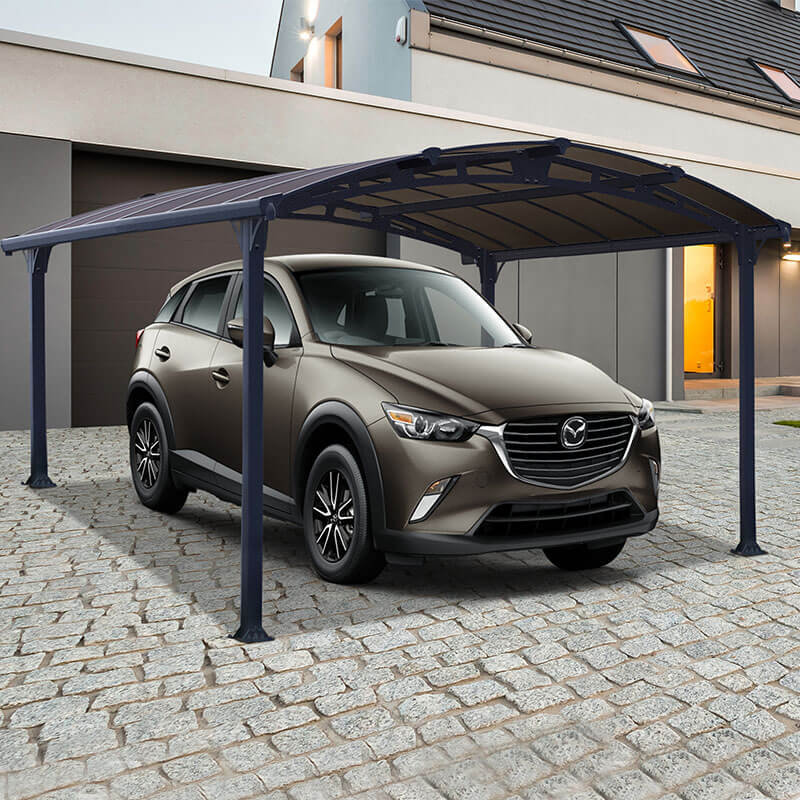
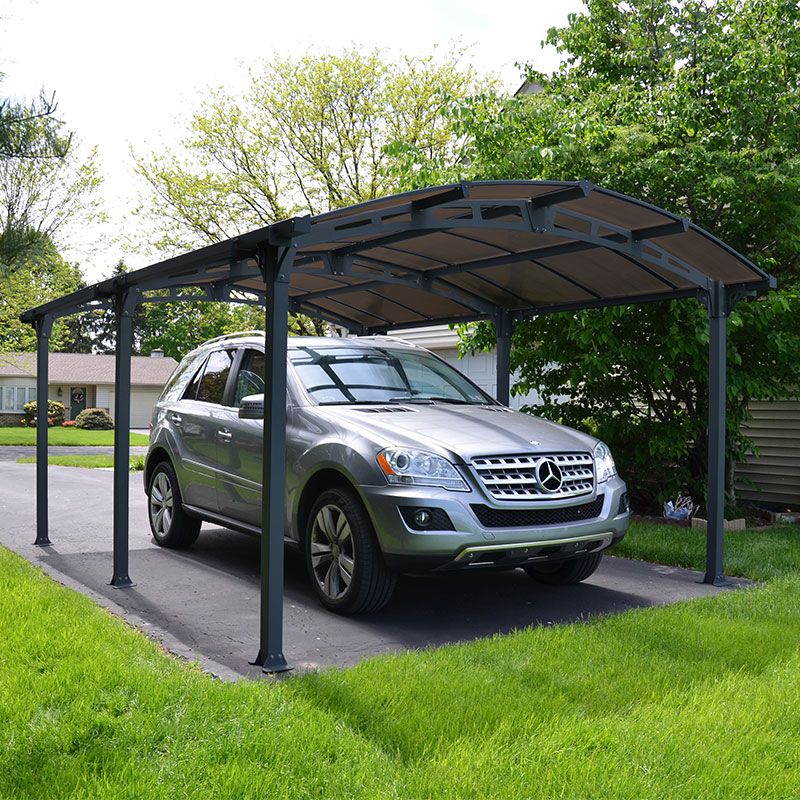
Lean-to carports are another common choice under this budget. These sit against an existing wall or building, so they make smart use of a house side, garage wall, or garden structure. Because they share support on one side, they can feel efficient in smaller plots. By contrast, freestanding carports stand on their own and are useful where the car sits away from the house, or where you want parking coverage that is not tied to a wall.
Some buyers prefer an open-sided carport because it gives easy access from all angles and avoids the enclosed feel of a garage. Others lean towards partial side panels for a bit more shelter from side winds. The difference is often less about style for style’s sake and more about how the space actually gets used.
Single, Double, and Somewhere in Between
The most obvious distinction in this category is size. A single carport is the usual fit under £2000, especially if the aim is to cover one standard car, hatchback, or small SUV. It keeps the footprint manageable and usually leaves room for path access or bin storage nearby. For many homes, that is enough.
A double-width layout may still appear in this price area, but it is more likely to involve simpler materials, reduced height, or a very basic frame. Sometimes the value is not in extra decoration but in getting two vehicles side by side or one vehicle plus extra side storage. If you only need room for one car but want space for opening doors without scraping against walls, a slightly wider single unit can be the better choice.
There are also multi-use carport formats that can shelter a car while still leaving space for bikes, garden equipment, or trailer storage at one end. That sort of layout is handy when the driveway needs to work hard. It is not just a parking spot; it becomes a bit of a working area, which can be pretty useful on a busy property.
What Materials Usually Matter Most
At this price point, buyers often compare wooden carports and metal carports. Each has its own feel and practical strengths. A timber carport can look warmer and sit more naturally beside fencing, sheds, and garden planting. It tends to suit homes where a softer, more traditional visual is wanted. The character of wood is often a big part of the attraction, even before you get to the shelter itself.
Metal carports, especially those with steel or aluminium frames, usually feel more pared back and utilitarian. That can be a good thing. The lines are often cleaner, the structure can look less bulky, and the visual emphasis stays on function. For some shoppers, that is exactly the point. A metal frame can also suit a more contemporary property without drawing too much attention.
Roof coverings vary too, and this is where practical differences show up. Some carports use polycarbonate roofing, which is often chosen for its lightness and the way it can admit some daylight rather than making the space feel dark. Other options may include more opaque roof panels for a stronger shaded effect. The choice depends on whether you want the area beneath to feel airy or more fully sheltered. Neither approach is automatically better; it depends on the driveway, the car, and the look of the home.
Open Sides, Partial Panels, and Why That Difference Counts
One of the main reasons people choose a carport instead of a garage is the feeling of openness. An open-sided carport gives easy drive-in access and makes it simpler to step in and out of the car, unload shopping, or park in a hurry. There is less to bump against, and the structure tends to feel lighter in the garden.
That said, partial side panels can add a noticeable practical difference. Even a single side panel can help with wind direction, especially on exposed driveways where rain seems to travel sideways. Panels can also help visually define the parking bay, which is handy if the carport sits close to a lawn or path and you want the area to look more finished.
Fully enclosed carport variants are less common in the lower budget bracket, because once you start enclosing more of the sides, the structure begins to behave more like a garage or shed. If your main goal is easy access and basic cover, a more open format often makes better sense. If you need a sense of boundary without full enclosure, the middle ground can be the sweet spot.
Roof Lines That Shape the Practical Use
The roof is not just a visual detail; it affects how the carport works day to day. A flat roof keeps the overall height compact, which can help where planning or visual impact is a concern. It also gives the structure a neat, boxy appearance that suits modern homes. A sloped roof, by contrast, can improve runoff and may feel less heavy in a small garden, as the line draws the eye away from the full mass of the frame.
For some properties, roof shape also helps with clearance. If the vehicle is taller than average, or if roof-mounted accessories are common, then checking the internal height is more important than many people first think. A roof line that looks fine in photos may still feel tight if the family car has a roof box or a high rear profile. This is one of those details that saves trouble later.
Some buyers are drawn to a curved roof because it looks softer and can feel less stark against planting or brickwork. Others prefer the straight lines of a simple pitched form. The right answer is usually the one that fits the house and does not make the driveway look crowded.
What You Gain Beyond Simple Cover
The obvious benefit of a carport is shelter, but there are a few more everyday gains that make the purchase feel worthwhile. A covered parking space can help reduce the amount of weather sitting directly on paintwork, windows, mirrors and door handles. It can also make winter mornings feel easier, with less ice build-up and fewer leaves in awkward places. That does not mean the vehicle is untouched by the weather, but the exposure is reduced in a very practical way.
For homeowners, a carport can also help keep the driveway looking more ordered. Instead of a vehicle feeling parked on an open patch, it has a defined place with a clear purpose. That can improve how the front of the property reads, especially if the carport line is matched to fencing, wall colour or nearby garden features. It is a simple change, but it often makes the whole area feel more intentional.
Another plus is flexibility. A carport is not locked into being a car-only space every moment of the day. Depending on its size, it may also cover a motorbike, bicycles, a small trailer, or even serve as a sheltered drop-off point for shopping and parcels. In other words, it can earn its keep in more than one way.
Things Buyers Often Compare Before They Decide
When looking at carports under £2000, it helps to compare a few key points side by side:
- Footprint – will it fit the driveway without blocking gates, paths, or turning space?
- Height – is there enough room for the vehicle you already own, including any roof accessories?
- Frame material – does the look suit the property, and does the structure feel right for the setting?
- Roof type – do you want a flatter, lower profile or something with a clearer slope?
- Side openness – is easy access more important than extra wind shelter?
- Positioning – will it sit beside a wall, or does it need to stand alone?
These comparisons matter because a carport can look good on a product page and still feel wrong in a real driveway if the proportions are off. A slightly smaller, better-fitted structure often gives a more satisfying result than trying to force in something oversized.
Small Details That Make a Big Difference at This Price
In a lower budget range, the small details tend to shape the final choice. Some buyers pay close attention to post spacing, because wider gaps can improve access but may feel less visually enclosed. Others look at roof overhang, which can help direct rain away from the edges and make the covered area feel more generous. Even the way the frame sits on the ground can matter, since a carport that looks balanced tends to feel more settled in the garden.
Colour is another quiet but important factor. A dark frame can disappear more into the background, while a lighter or natural timber finish may stand out more. If the driveway is already busy, a muted finish can stop the area from looking cluttered. If you want the carport to be seen as part of the home rather than just an add-on, matching tones with the house or fence can help a lot.
And yes, it is worth checking whether the layout leaves enough room for opening car doors fully. It sounds obvious, but it is one of those points that people can overlook when they are focused on roof shape or frame style. A carport is only useful if the practical daily movement around the vehicle still feels easy.
Why This Category Makes Sense for So Many Homes
Carports under £2000 fit a wide range of homes because they are direct, readable and functional. They work where a garage would be too large, too closed-in, or too costly. They also suit properties where the driveway already exists and just needs a clearer structure around it. For many buyers, that is the appeal: you get a defined parking solution without turning the front of the house into a major building project.
The best choice is usually the one that answers a few simple questions well. How much space do you have? How open do you want the sides to feel? Does the roofline sit comfortably with the house? Is the vehicle standard height, or a bit taller? Once those points are clear, the shortlist gets easier.
If you are comparing types, think in terms of use first and appearance second. A lean-to may suit a narrow side space. A freestanding single carport may suit a front driveway. A wider open-sided design may help if you need quick, everyday access. The budget does not have to mean compromise in a bad way; it can mean choosing the right kind of simple.
The Kind of Purchase That Pays Off in Daily Use
What makes a carport worthwhile is not just the first impression, but the everyday convenience. Pulling into cover in the rain feels different from parking in the open. Getting into the car on a frosty morning feels less awkward. Having a defined shelter for one of the most used items on the property can quietly improve routines without demanding attention.
That is why buyers often come back to carports under £2000 even when they first started looking at sheds, garages, or other outdoor structures. A carport sits in a useful middle space: simpler than a garage, more vehicle-focused than a general garden shelter, and often easier to fit into an existing driveway layout.
If you want a structure that looks sensible, works hard, and does not swallow the budget, this category gives plenty to think about. The key is finding the right mix of shape, size, material and openness for the vehicle and the space you already have. Get that part right, and the rest tends to fall into place.
[Sassy_Social_Share]