
Carports under £12500 - Best Deals in UK!
Showing the single result

Carports under £12500 offer a practical way to protect your vehicle with a structure that suits the space, the style of your home and the budget you have set aside.
What sits in this price band
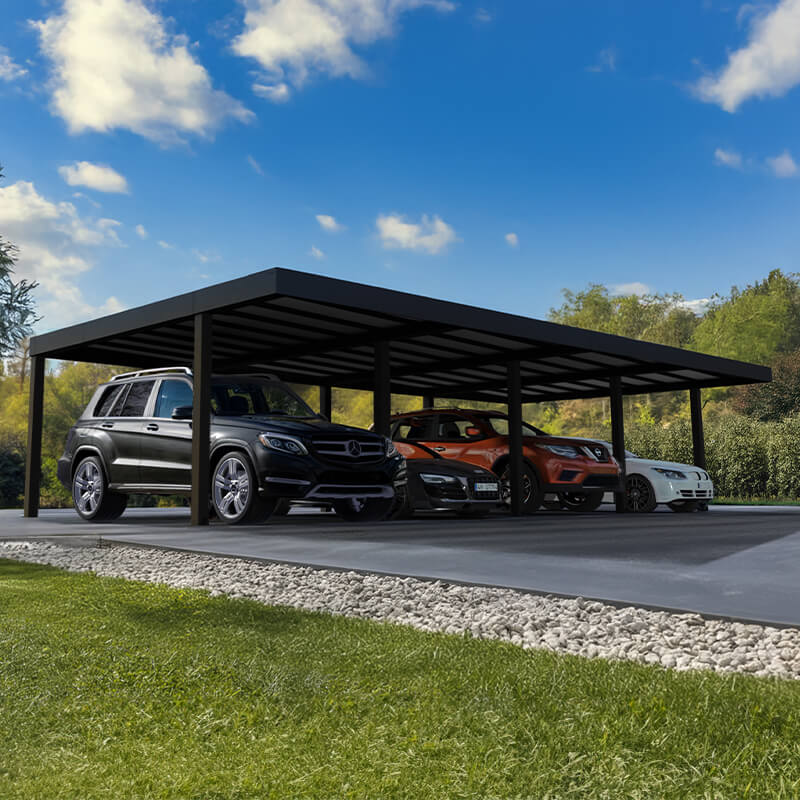
When you are looking at carports under £12500, you are usually choosing from a range that can include single-bay and some double-bay designs, depending on the materials, roof style and size. This budget often opens the door to a proper, permanent-looking structure rather than a light temporary cover, which is why it appeals to buyers who want something that feels settled and useful. The exact specification matters a lot: an open-sided frame, a lean-to design against a wall, or a free-standing unit can all land in this bracket, but the final price changes with span, finish and whether you need a simple shelter or a more architectural feature.
It is also a useful price point for comparing material choices. Timber carports can feel warm and sit naturally beside gardens or older homes. Metal carports usually bring a cleaner, more industrial look and may suit modern drives better. Some designs mix materials, such as timber posts with a polycarbonate roof, or steel framing with a timber effect finish, though availability depends on the supplier. In this budget, the differences are often about appearance, width and roof shape rather than just the basic idea of a carport.
Open-sided, enclosed or somewhere in between
A big decision is how much cover you want around the vehicle. A classic open-sided carport keeps things simple and airy. It gives overhead protection from rain, frost and bird mess, while leaving the sides open for easy access. That openness can make parking easier, especially on tighter drives, and it avoids the boxed-in feel some buyers want to avoid. It is a good fit if you need a functional cover without making the frontage look heavy.
Bestseller der Kategorie Carports under £12500
By contrast, a partially enclosed carport adds some side panels, maybe at the rear or one side only. This can help block wind-driven rain and create a more defined parking bay. It may also give a better sense of privacy if the carport sits close to a boundary or road. A fully enclosed structure begins to move toward a garage-like feel, but many buyers in this budget still prefer some openness because it keeps the structure lighter, visually and physically. The main difference is not just looks, but how the carport handles weather exposure and access.
Lean-to, freestanding and attached styles
Lean-to carports are popular when a house wall, garage wall or boundary wall can take the role of one side of the structure. They can be a neat way to use space efficiently, because they often need fewer posts and can sit closer to the home. That makes them appealing for narrower driveways or side access areas. A lean-to style can also feel tidy because it connects the shelter to the existing building, almost like an extension of the property rather than a separate object.
Freestanding carports, on the other hand, give more placement flexibility. They can sit in front of a house, beside a drive, or further back where a parking bay already exists. This type can work well if you do not want the structure fixed to the house, or if the layout means attachment is not practical. A freestanding unit often has a more balanced look from all sides, which can matter if it will be visible from the garden as well as the road.
There is also the attached carport style, which is similar to a lean-to but can be designed to match the property more closely. The distinction can be subtle, but in shopping terms it matters because some buyers want the carport to feel like part of the house and others want it to stand apart. The right choice depends on space, wall position and the way you want the front of the property to read visually.
Roof shapes that change the whole feel
The roof has a big effect on both the look and the practical performance of carports under £12500. A flat roof or nearly flat roof gives a pared-back, modern look and can suit contemporary homes or low eaves. It often keeps the structure visually calm, though the actual angle is still important for rain runoff. This style can work well where height is limited, but it needs careful planning so water does not sit where it shouldnt.
Mono-pitch roofs are another common option. These slope in one direction and create a clear, simple profile. They can feel more purposeful than a flat roof while still being compact. This design can be useful when water needs to shed away from the house or toward a drainage point. Many people choose this shape because it balances practicality with a clean appearance.
A gable roof offers a more traditional silhouette. It can suit period homes, larger drives and gardens where the structure is meant to look more like a deliberate outbuilding. The double slope can make the carport feel more substantial, although it may also use more height and visual space. Buyers often pick roof shape based on how the carport will sit beside the house, not just the weather performance.
Timber, steel and mixed materials
Timber carports are often chosen for their softer appearance. They can sit comfortably beside brick, render or natural planting, which makes them a good option where the carport is visible from the garden. In this budget, timber can be a strong choice when you want the structure to feel part of the property rather than just added on. The size, timber section and finish all influence the price, and that is where many comparisons happen.
Steel carports lean toward a more precise and structured look. They are often selected for modern homes, wider driveways or situations where a slimmer frame is desirable. Steel can suit a practical, low-fuss appearance, and buyers often compare it with timber when they want sharper lines and a more minimal frame. The difference is not only aesthetic; frame thickness, post spacing and roof support can vary quite a lot between the two.
There are also mixed-material designs, which can be useful when the buyer wants one look for the frame and another for the roof. For example, a metal frame with a translucent roof panel can let in more light, while a timber frame with a solid roof surface can feel more sheltered. These combinations can make a carport work harder visually and functionally, though they also mean you should check what is included in the quoted cost, because the budget can shift quickly with extras.
Single bay, double bay and wider spans
A single-bay carport is usually the most straightforward option and often the easiest to fit into a standard driveway. It provides shelter for one car and can still leave side space for bins, bikes or pedestrian access if the layout allows it. For many homes, this is the best balance between cost, footprint and usefulness. Within the £12500 bracket, a well-made single-bay design can offer a tidy solution without crowding the frontage.
Double-bay carports are more generous and naturally cost more because of their width, material use and roof coverage. In this price band, a double-bay model may be possible, but the details matter more: simpler finishes, a lean-to configuration or a more basic roof may keep it within budget. The key difference is not only parking for two vehicles, but also the extra space that can help if you need room for opening doors, loading the boot or parking a larger vehicle alongside a smaller one.
Some buyers also compare extra-wide single bays with standard doubles. This can be useful where one vehicle is large but the drive is not deep enough for two separate covers. Wider spans can offer more practical space without fully stepping up to a twin-bay footprint. It is worth measuring not just the car, but the turning room and the angle at which you park, because these details can make a carport feel either roomy or awkward.
Why buyers look at this price point
The attraction of carports under £12500 is that the buyer can move beyond a basic shelter and look at shape, structure and finish in a more considered way. This budget often allows enough room to choose a design that fits the home rather than settling for the first thing that is cheap. It can also suit households that want the car protected from everyday weather without committing to a full garage build.
Another draw is visual impact. A carport is not only about parking; it changes the front of the property. If chosen well, it can make the drive feel more organised and give the home a clearer entrance point. The structure can help define a parking area, which is useful if the driveway otherwise feels open-ended or a bit too exposed. In this sense, the carport is doing more than keeping rain off the car, it is shaping the whole approach to the house.
Useful checks before you choose
Before buying, it helps to think about post placement, turning room and the height of the vehicle. A carport can look fine on paper but become awkward if a post lands where a door needs to open, or if the roof height is too tight for a taller car, SUV or van. It is worth measuring the actual vehicle with mirrors folded in and then adding a bit of allowance, because a few centimetres can make a noticeable difference.
Also consider roof overhang and how water will leave the structure. Even in simpler designs, the roof edge matters because it affects how much shelter you get at the sides and how exposed the driveway edges remain. If the carport sits near a wall or fence, the width of the overhang can alter both drainage and access. That is one of those details people sometimes miss at first.
Another point is style matching. A carport does not need to copy the house exactly, but it should feel deliberate. A timber carport often sits comfortably near traditional brickwork or gardens with planting. A steel frame may work better where the home has strong lines, large glazing or a modern entrance. Matching is less about perfect sameness and more about avoiding a structure that feels out of place.
What to compare in the listing
When browsing carports under £12500, compare the following:
- Overall footprint so you know whether it fits the driveway without blocking movement.
- Roof type because flat, mono-pitch and gable shapes change the look and the water run-off.
- Frame material since timber and steel have different visual and structural qualities.
- Open or enclosed sides to judge how much weather exposure you are comfortable with.
- Single or double bay depending on parking needs now and later on.
- Height clearance for cars with roof bars, taller bodywork or occasional delivery vehicles.
- Finish and colour because the wrong tone can make the structure stand out in a way you did not expect.
How the budget can stretch further
Within this price limit, small design choices can change what you can afford. A simpler roof line may leave more room in the budget for a wider frame. A single-bay design may free up enough to choose a more refined material finish. Some buyers also decide that an open-sided design is a better use of funds than adding side panels they may not really need. It is a matter of making the carport do the right job rather than trying to force in every feature.
If the carport will be seen every day, it can be worth putting money into the elements that affect shape, scale and structure first. A neat, well-proportioned carport often feels more satisfying than one with extra features that do not suit the site. That is especially true on front drives where the carport is part of the first view from the street. In other words, good proportions can matter more than ticking every box.
Choosing a carport that feels right for the property
The best carport under £12500 is usually the one that fits the driveway, matches the character of the house and covers the kind of vehicle you actually own. A narrow front drive may suit a lean-to or single-bay structure, while a wider area might justify a freestanding double bay or a more open, architectural design. The right carport can make parking easier, reduce daily fuss and add a more finished look to the front of the home.
There is plenty of choice in this bracket, but the useful differences are usually clear once you compare them properly: open or part-enclosed, lean-to or freestanding, timber or steel, single or double bay, flat, mono-pitch or gable roof. Those are the details that shape both the appearance and the usefulness of the purchase. If you focus on those points first, it becomes easier to spot the carport that feels sensible, looks right and gives the sort of shelter you were actually after.
[Sassy_Social_Share]