
Carports under £10000 - Best Deals in UK!
Showing all 2 results
-
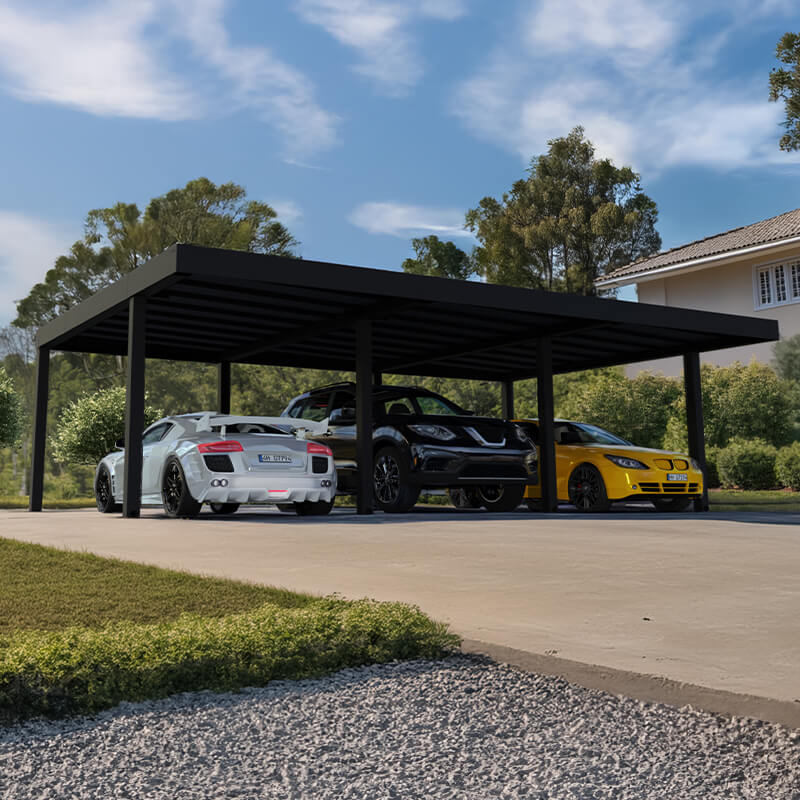
20′ x 30′ Palram Canopia Oslo Black Metal Triple Carport (5.96m x 9.01m) £8,869.003%

-
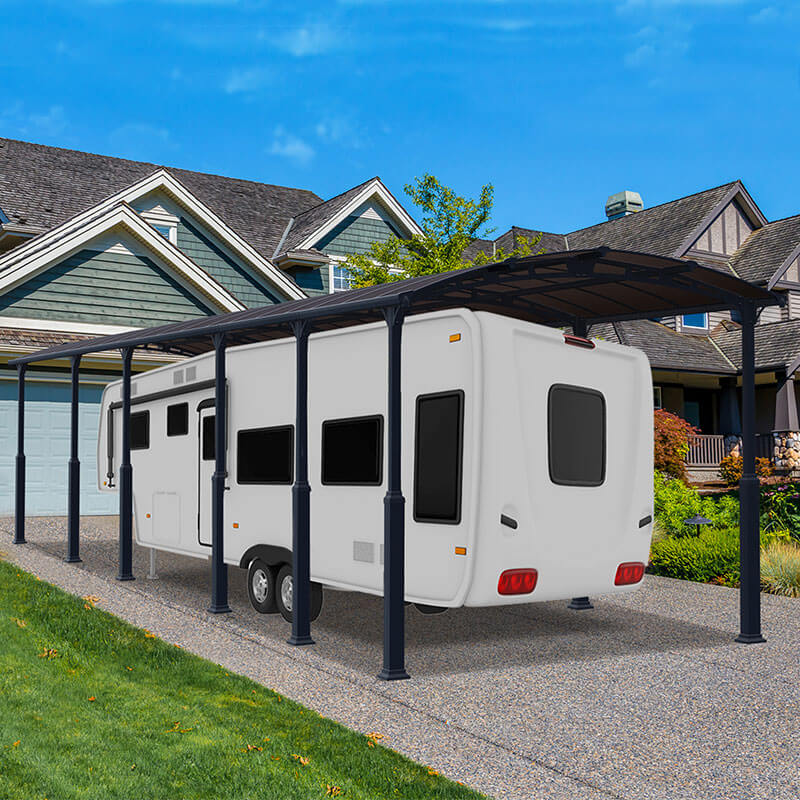
12′ x 42′ Palram Canopia Alpine 12700 Grey Metal Carport (3.59m x 12.86m) £7,759.00

Carports under £10,000 offer a practical way to protect your vehicle with covered parking, a choice of open-sided or semi-enclosed designs, and plenty of options for different driveways, gardens and budgets.
Why this price point makes sense
Choosing a carport under £10,000 often means finding that useful middle ground between a simple cover and a full garage build. You get real protection from rain, hail, UV exposure and falling leaves, but without the same level of cost, site work or visual bulk that can come with a more permanent structure. For many households, that matters more than chasing a complicated build.
This category is especially handy if you want to keep the car nearer to the house, make the front of the property look more organised, or create a sheltered parking zone that still feels open and easy to use. The budget also opens up more than one type of structure, so the choice is not just about price. It is about shape, material, roof style and how the carport fits your space.
Open, side-panelled or enclosed-adjacent
One of the first differences to think about is how open you want the structure to feel. A classic open-sided carport gives quick access, easy parking and a lighter look. It suits drivers who want shelter from above and around the top half of the vehicle, while keeping both sides open for airflow and manoeuvring. This is often the simplest visual match for modern homes and busy driveways.
Bestseller der Kategorie Carports under £10000
A side-panelled carport adds extra shielding on one or more sides. That can help when wind drives rain across the drive, or when your parking area sits beside a boundary and you want a bit more privacy. The extra panels also make the structure feel more defined, which can be useful if the carport is doing double duty as a storage-adjacent space for bikes or bins, though the main purpose is still vehicle cover.
At the far end, some buyers look at semi-enclosed carports. These are not the same as a full garage, but they do give a stronger sense of enclosure. They can work well if you want a more settled appearance and a clearer sheltered zone. The difference is not just visual; the more enclosed the form, the more you may notice in terms of light, airflow and how easy it is to drive in and out. It is a small thing, but it matter when the driveway is tight.
Roof shapes that change the whole look
The roof is not just a practical detail; it changes the entire character of the carport. A flat roof carport gives a neat, direct look and often sits well beside contemporary homes. It can be a good fit where height needs to be kept modest or where the carport needs to tuck under an existing line of sight. Flat profiles can look tidy, though they still need the right design to handle water run-off properly.
A pent roof carport has a single slope, which gives a slightly more dynamic look and can help water shed to one side. This shape is common where a simple, clean roofline is wanted without the symmetry of a gable. It can also be easier to position when the carport needs to lean away from a wall or sit within a narrower footprint.
A gable roof carport has the familiar pitched shape that many buyers associate with garden buildings. It brings a more traditional feel and can make the structure appear taller and more balanced. For some properties, that pitched line helps the carport sit more naturally in the garden setting. It may also be the style people choose when they want the parking area to feel less like an add-on and more like part of the home.
There are also curved and arched roof forms, which give a softer silhouette. These are less about matching strict house lines and more about creating a distinct cover with a lighter visual profile. If you prefer something that looks less boxy, this style can be worth a look. It often feels practical but not dull, which is a fair balance for a garden shop category.
Materials that shape the feel and the finish
Within this budget, you will often see carports in timber, steel, aluminium or mixed-material designs. Each brings a different look and a different sort of presence in the garden. Timber carports tend to feel warm and more in keeping with planted borders, fences and traditional homes. They can soften the appearance of a driveway and suit properties where natural materials already feature strongly.
Steel carports usually lean towards a more solid, structural appearance. They are often chosen where the buyer wants a sharper frame, clear lines and a straightforward parking solution. If your space already has a modern or industrial feel, steel may look more at home than a softer material choice.
Aluminium carports often feel lighter in visual weight. That can help in smaller gardens or on narrower drives where a chunky structure would look overpowering. Aluminium can also suit buyers who want a cleaner outline with less visual noise. It is not about making a statement; it is about keeping the design neat and less fussy.
Some options combine materials, such as a metal frame with a different roof finish. This can be useful when you want a carport that feels balanced rather than overdesigned. The main difference lies in how the structure reads from the street and how it sits beside the rest of the property.
Freestanding, wall-mounted or driveway fitted
How a carport is positioned makes a big difference to how it works day to day. A freestanding carport is the most flexible type, since it can sit in a driveway or garden parking area without needing to lean on the house. This is useful where the parking space is separate from the building or where you do not want to alter the wall of the home.
A wall-mounted carport, sometimes called attached, can feel more integrated with the property. It often creates a more direct route from car to door, which is handy on wet days and can make the parking setup feel more intentional. This type can also suit narrower plots where every bit of space has to work properly.
Driveway-fitted carports are really about making the most of an existing parking strip, turning an ordinary hardstanding into a covered bay. The right form here depends on width, turning room and how the car doors open once parked. A carport that looks good on paper can be awkward if the access is tight, so this is one of those things worth checking before buying.
Single bay, double bay or extra-long
The size of the carport changes not only what it can cover, but also how it feels in the space. A single-bay carport is the most common choice for one vehicle. It can suit a compact drive or a side return and keeps the footprint modest. This is usually the easiest option if you want shelter without taking over the front of the house.
A double-bay carport works well for two vehicles side by side or one vehicle with a generous amount of room beside it. It is useful for families, shared driveways or buyers who simply want a more roomy arrangement. The difference is obvious: one bay keeps the build discreet, while two bays begin to feel like a proper parking feature.
Extra-long carports can be helpful if you need space for a car and a trailer, or if the vehicle is longer than average. They also suit people who want a bit of leeway at each end when parking. In a budget under £10,000, this may influence the final shape more than anything else, because length can affect the scale of the roof and frame.
What makes one carport easier to live with than another
A lot of the buying decision comes down to small differences that are easy to overlook. A carport with a more open side will be simpler to drive into, especially if you are reversing in from a busy lane or awkward corner. A more enclosed design may feel stronger visually, but it may also reduce that sense of easy access. Neither is right for everyone.
Roof pitch matters too. A steeper roof can give a more classic appearance and help with drainage, while a shallower roof can look tidier under height restrictions. The shape you choose can also affect how the carport sits next to windows, eaves and boundary lines. That might sound minor, yet it often decides whether the structure blends in or sticks out.
Post layout is another point people notice once the carport is in place. Fewer posts can make parking easier and create a more open feel, while a denser frame can give a stronger sense of enclosure. It is a trade-off between visual lightness and structural presence. For some buyers, the difference is enough to change the final choice.
Useful features to look for before you buy
In this price range, it helps to check the details rather than just the overall shape. A carport that looks fine in a picture may not be the best fit for your space if the dimensions or layout are off by a little bit. That is why the feature list matters.
- Clear height for your vehicle, including roof boxes or roof racks
- Overall width that allows easy door opening
- Roof style suited to the look of the property
- Frame material that matches your visual preference
- Freestanding or attached position, depending on the site
- Side panels if you want more shelter from wind-driven rain
- Footprint that fits within the parking area without feeling squeezed
It also helps to think about the way you use the driveway through the day. If you often come home late or park in a hurry, a simpler open-sided layout may be easier to live with. If the carport is part of a more considered front garden design, the roof shape and material finish may matter more than sheer convenience. There is no single right answer, only the one that fits the routine.
When a carport feels more practical than a garage
Some buyers compare carports with garages and decide the carport is the better move. That is not just about budget, though under £10,000 is a major reason. A carport usually feels less enclosing, less visually heavy and quicker to use on a daily basis. You park, step out and go, with less faffing about than a closed structure can sometimes bring.
Another advantage is that a carport can be a more comfortable fit where a garage would crowd the garden or dominate the frontage. It does the job of overhead cover while allowing the space around it to keep breathing. For homes where the drive already has a lot going on, that lighter touch can be a real benefit.
Some people also like that a carport gives shelter without turning the parking area into a hidden corner. You still have visibility, airflow and an open approach. If you want a vehicle cover that feels useful rather than overbuilt, this category is worth a close look.
Little buying checks that save a lot of bother
Before choosing, measure the space carefully and then check it again. It sounds obvious, but carport purchases are often judged by the roof style first and the dimensions second, which can lead to a poor fit. Look at the width of the drive, the height near walls or fences, and the turning angle needed to get in comfortably.
Also think about how the carport will sit against the house frontage or the garden line. A structure that looks balanced from the road may still block a window, reduce light or leave the parking bay feeling cramped. It is worth picturing the route from the street to the carport in real use, not just as a still image.
If you are comparing open-sided and partially enclosed forms, ask yourself whether you want the carport to disappear into the plot or stand out as a proper feature. That answer often decides everything else, from roof shape to material choice.
A simple way to narrow the choice
If you are shopping in the carports under £10,000 range, start with three questions: how many vehicles, what shape suits the property, and how enclosed should it feel? Once those are clear, the rest usually falls into place. A single bay with a flat roof can suit a neat modern drive. A double bay with a pitched roof may work better where space is broader and the look can be a bit more substantial.
That is the appeal of this category: it gives enough room to choose sensibly, without pushing you into a complicated project. You can compare freestanding and attached layouts, weigh up timber versus metal, and decide whether you want a more open parking cover or a stronger sheltered zone. The result is not just a carport. It is a useful bit of the garden that helps the whole front of the property feel more sorted.
Why the right carport changes the daily routine
A good carport does not need to shout. It just needs to work in a way that makes everyday parking less of a hassle. The right one can make wet exits easier, keep frost and debris off the vehicle to a degree, and give the driveway a more finished look. Those things add up. They are not flashy, but they are the reason people start looking for one in the first place.
In this category, buyers can focus on the exact style that matches their home and the space they actually have. That is what makes carports under £10,000 such a practical search: enough choice to compare forms and features, but still within a realistic budget for many households. If you want shelter, shape and a smarter parking setup without overcomplicating the job, this is a very sensible place to look.
[Sassy_Social_Share]