
Bike Stores under £800 - Best Deals in UK!
Showing all 2 results
-
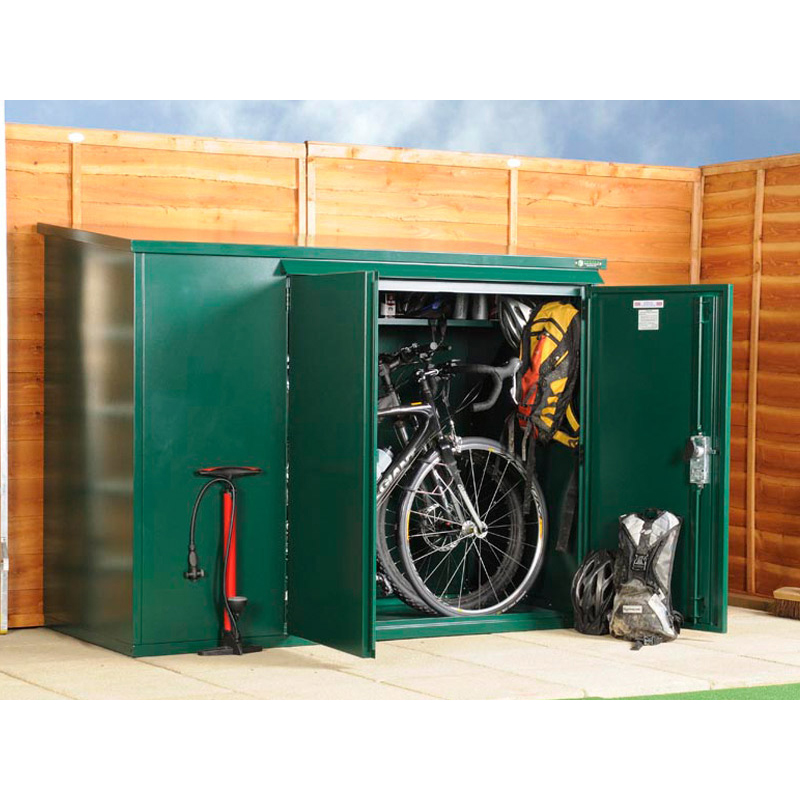
6% OFF: 7′ x 3′ Asgard Access 4 Bike Metal Storage Shed (2.13m x 0.83m) £792.996%

-
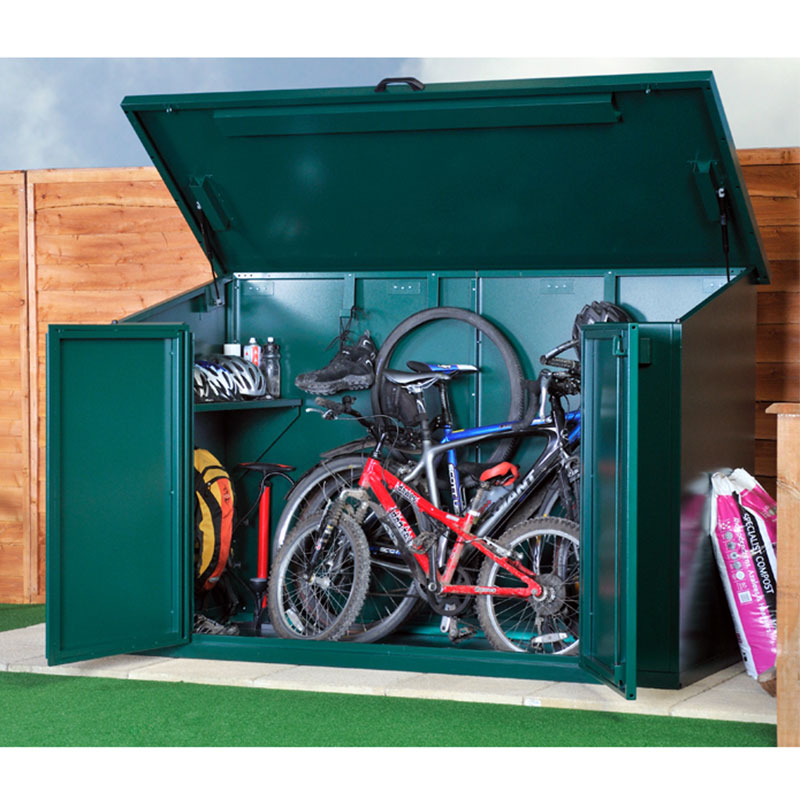
6% OFF: 6′ x 3′ Asgard Addition Premium Metal Bike Shed (1.8m x 0.9m) £747.996%

Bike stores under £800 bring together compact bike storage, secure outdoor shelters, and space-saving shed styles for tidy gardens, courtyards and driveways, with choices in timber, metal and plastic.
Space-Saving Storage That Fits Real Gardens
Bike stores under £800 are a practical answer when bicycles need a proper place without taking over the whole garden. At this price point, you can look at a wide range of formats that suit different layouts: narrow plots, shared patios, side alleys, family gardens or small front spaces. The main appeal is simple enough: keep bikes out of the weather, out of sight and ready to grab when needed.
Unlike a large full-size shed, a bike store is usually shaped with bikes in mind. That means a slimmer footprint, easier access through a wide door or lift-up lid, and an interior that makes sense for handlebars, pedals and child seats. Some designs lean more towards a bike locker style, while others feel more like a compact garden store with room for helmets, pumps and a few extras. That difference matters when you’re choosing how much space to give up and how often the bikes will be moved in and out.
What You’ll Find in This Price Range
Under £800, the category usually covers a good mix of materials and construction styles. Each one has a different feel and a different job to do:
Bestseller der Kategorie Bike Stores under £800
- Wooden bike stores for a more natural look in the garden, often blending in better beside fences, lawns and planting.
- Metal bike stores for a firmer, more enclosed finish, often chosen where the focus is on neatness and a lower-profile shape.
- Plastic bike stores for lighter-duty, weather-resistant storage with a clean, modern look and less visual bulk.
- Bike lockers for tighter spaces, often narrower and more compact, with a simple one- or two-bike setup.
- Bike sheds for buyers who want a bit more room and don’t mind a slightly larger footprint for extra convenience.
The difference between these is not just the material. It’s also about how they open, how much headroom they offer, and whether they are meant for one bike, two bikes or a small family cluster. A slim locker may suit a commuter or one adult bike, while a wider store can make more sense for a pair of bikes and a child’s bike too. That extra bit of width can save a lot of awkward shuffling later on.
Shapes and Forms That Make Daily Use Easier
The shape of a bike store can be as important as the size. A traditional rectangular unit is easy to place against a wall or fence and often gives the most usable internal floor area. A taller upright form can help if you need to keep the footprint small, though it may feel less roomy when opening the doors. Low, long designs can be useful where height is restricted by windows, branches or boundary rules, and they can sit quietly in the corner without dominating the view.
Some stores open from the front with double doors, which makes rolling bikes in and out feel straightforward. Others use a single door, which is handy where access is tighter but can be a bit more fiddly with larger handlebars or panniers. Lift-up lids are another option, especially on smaller stores, though they may suit lighter bikes or less frequent access. If you’ve ever tried to manoeuvre a chunky mountain bike through a narrow opening, you’ll know why the opening style matters a lot more than it first appears.
Choosing Between Timber, Metal and Plastic
Timber bike stores tend to suit gardens where appearance counts and you want the unit to sit naturally among plants, decking or fencing. They can feel warmer and less industrial, and they often work well if you want the storage to look like part of the outdoor setting rather than an added box. On the other hand, they can need a bit more thought around upkeep, and the finish may vary depending on the build.
Metal bike stores usually appeal when the priority is a tidy, enclosed shape with a more rigid structure. They can feel more secure and less prone to flexing, which is useful if the bikes are being stored every day. Some buyers prefer this style because it reads as more discreet and less decorative, which suits a modern patio or shared access area. The trade-off can be a colder look, and in a smaller garden that style may stand out more.
Plastic bike stores offer a lighter visual presence and are often chosen where simplicity matters. They can work well in damp or changeable weather, and the cleaner edges can suit urban gardens or paved spaces. They may not suit every setting visually, but they are worth a look if you want storage that doesn’t feel heavy or bulky.
Sizes That Match the Way You Ride
The right size depends on more than just the number of bikes. Think about the kind of bikes you own: road bikes, city bikes, mountain bikes, hybrids or kids’ bikes all sit differently. A store that looks fine on paper can feel tight once wide handlebars, mudguards, baskets or child seats are included. For that reason, it helps to look at internal width and opening size, not just the outside measurements.
A single-bike store is often enough for a commuter or a shared home where bikes are kept separately. A two-bike store is a useful middle ground for couples or smaller families. Larger units can handle a mix of adult and child bikes, but the layout should still make sense when the bikes are pushed in side by side. If the interior is too shallow or too narrow, the storage starts to feel awkward quickly, and that’s when a buyer begins to wish they had gone one size up.
Security Details Buyers Actually Notice
When people compare bike stores under £800, security is often one of the first things they check. A bike store is not only about shelter from rain, but also about giving the bikes a more protected place to sit overnight or between rides. That can include sturdy doors, a solid frame, or a design that allows a lock to be used effectively. The exact level of security varies, so it helps to compare how the store closes and how much visibility it gives from the outside.
A lower, enclosed design can make bikes less obvious from the street or neighbouring gardens. A unit with fewer gaps may also feel better for keeping tools and accessories tucked away alongside the bikes. Some buyers want a store that feels almost like a small fortress; others just want a neat, contained space that doesn’t invite casual handling. The right choice depends on location, routine and how exposed the garden is. There isn’t one answer that fits every plot, which is probably annoying, but true.
Features That Make the Difference in Use
What makes a bike store worth buying is often found in the details. A wide opening matters if you are rolling bikes in after work with not much patience left. A sloping roof can help if water run-off is a concern or if the store sits near a fence line. Extra headroom is useful for taller bikes and for avoiding that awkward bend when lifting the front wheel over a lip. Ventilation can also matter, especially where you are storing wet bikes after a ride through drizzle, puddles or the usual British weather doing its thing.
Other useful features can include an internal layout that leaves room for helmets, locks and pumps, or a floor that feels stable under tyres. Some stores are aimed more at quick access, while others focus on tidy concealment. Neither is automatically better. If you use the bike every day, easy access matters more. If the bikes are parked for longer periods, you may care more about the enclosed feel and the way the unit sits in the garden.
Why Under £800 Can Be a Sensible Budget
Sticking to bike stores under £800 gives a useful balance between choice and restraint. It opens the door to proper outdoor storage without pushing into a price bracket that feels too heavy for a garden improvement. For many buyers, this range is enough to reach a more durable build, a neater finish, or a size that works better than the cheapest options. It’s a budget where design begins to matter, not just price.
That matters because bike storage is often bought to solve a very specific problem. Maybe the hallway is full of muddy tyres, or the shed is already taken by lawn tools and plant pots. Maybe the bikes are too nice to leave exposed. Under £800, you can start filtering by shape, access and appearance rather than simply asking whether the box is cheap enough. That makes the purchase feel more considered, and less like a compromise you’ll regret the first time you need the second bike out in a hurry.
Useful Tips Before You Pick One
Before choosing a store, measure the space and then measure it again with the bikes in mind. Allow room for the handlebars to turn, for doors to open fully, and for a person to stand in front of the unit without feeling squeezed. If the store is going against a wall or fence, check that you still have space to approach it properly. A store can be technically the right size and still feel annoying if access is poor.
Also think about where the bikes come in and out most often. If the route is through a side passage, a narrower but taller store may work better. If the area is open and visible, a lower profile unit might look tidier. If you have mixed bike types, choose based on the largest one, not the smallest. It’s a common mistake to size for the bike that happens to be nearest at the time of buying, then realise later that the bigger one is the one that gets used most.
Different Buyers, Different Priorities
A commuter may want speed: a store that opens easily and doesn’t need much rearranging each morning. A family may want flexibility: space for two or three bikes, plus a bit of room for accessories. A design-focused buyer may care more about how the store sits in the garden, choosing a timber finish or a lower, more understated form. Someone in a shared courtyard may lean towards a more enclosed, secure-looking unit, while a house with a side return might favour a longer, slimmer shape that tucks out of the way.
That is why this category is useful rather than narrow. It doesn’t force every buyer into the same type of product. Instead, it lets you compare form, size, material and access in a way that matches how the bikes are actually used. And once you start looking at bike storage that way, the right option becomes a lot clearer.
Why This Category Makes Buying Easier
Browsing bike stores under £800 helps narrow the field without making the search feel limited. You can compare compact lockers, garden-style stores and fuller bike sheds, while still keeping an eye on budget. That gives you room to balance appearance with practicality, and to choose something that fits both the garden and the bikes.
If you’re trying to clear up outdoor space, reduce visual clutter, or just stop leaning bikes against fences and doors, this category gives you a sensible set of options. The best choice is usually the one that matches your space, your bike size and how often you use the bikes. Get those three things right, and the store tends to earn its place quickly.
[Sassy_Social_Share]