
Bike Stores under £700 - Best Deals in UK!
Showing all 2 results
-
21% OFF: 6’4 x 2’9 Trimetals Metal Bike Shed – Cream (1.95m x 0.88m) £629.9921%

-
21% OFF: 6’4 x 2’9 Trimetals Metal Bike Shed – Anthracite (1.95m x 0.88m) £629.9921%

Bike stores under £700 bring together secure bicycle storage, space-saving designs and garden-ready finishes for homes with one bike or a small fleet.
From front garden to side return: storage that fits real spaces
Choosing a bike store under £700 usually starts with the space you actually have, not the space you wish you had. That might be a narrow side passage, a paved corner by the fence, a patch of lawn, or a tucked-away bit of patio that keeps bikes out of the weather and off the hallway floor. In this price range, buyers often find a good mix of compact and medium-size options that suit everyday family use without looking bulky.
The main appeal is pretty simple: a bike store gives each bicycle a defined place. No more leaning frames against the wall, no more muddy tyres leaving marks on paving slabs, and no more juggling handlebars every time someone wants to get past. For many households, that order alone makes the space feel easier to live with.
Styles that do the job without taking over the garden
There are a few common forms of bike storage to look at, and the shape matters more than people think. A horizontal bike store tends to suit longer, lower areas and often feels less dominant in a small garden. It can be easier to tuck under a fence line or beside a shed. A vertical bike store uses height rather than floor space, which is handy when the footprint is tight. Then there are cabinet-style stores, which can feel more discreet, especially if you want the bikes hidden from view rather than displayed like outdoor kit.
Bestseller der Kategorie Bike Stores under £700
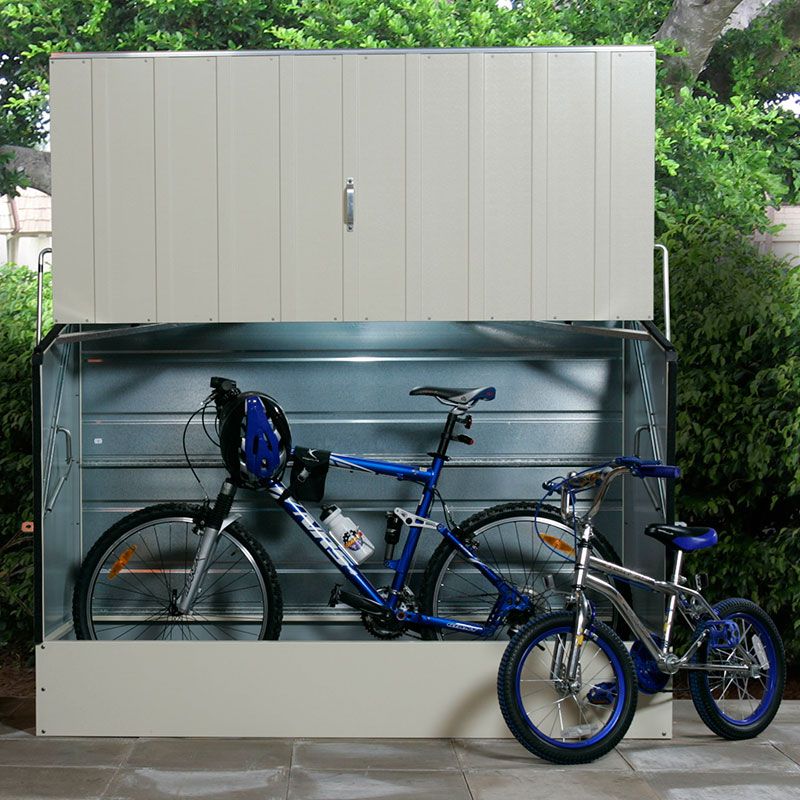
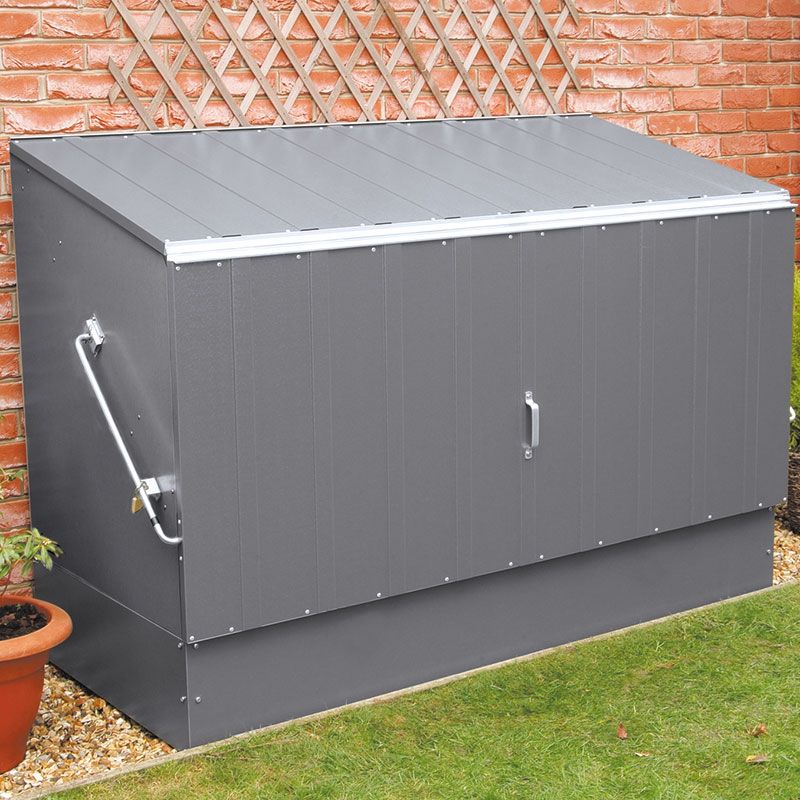
Some stores are designed for just one bike, while others can hold two or more. The difference is not only about capacity; it also changes how easy it is to move bikes in and out. A single-bike store can be neat and compact, but a multi-bike version may save time in a busy household where everyone needs access at once. If you’ve ever tried to extract one child’s bike from behind another without scraping pedals, you’ll know why layout matters.
Metal, timber, resin: the feel is different, and so is the look
Within this budget, you’ll commonly see metal bike stores, wooden bike stores and resin or composite designs. Each one has a different character.
- Metal stores often suit buyers who want a firm, no-nonsense appearance. They can feel tidy and compact, and the look is usually practical rather than decorative.
- Wooden stores blend more naturally with planting, fencing and sheds. They can sit well in a garden setting where the aim is to keep storage visually softer.
- Resin or composite stores tend to offer a clean finish and can suit people who want something less fussy in appearance.
The differences are not just visual. A timber store can feel more like part of the garden, while metal may come across as more utilitarian. Resin can be attractive for shoppers who prefer a neat surface and a simpler overall shape. When you’re choosing, think about whether the store should blend in, stand out, or just quietly disappear into the background.
Why buyers choose under £700: enough features, less compromise
A budget under £700 is often where practicality starts to feel balanced. It’s not the cheapest end of the market, and that matters because many very low-cost options can feel flimsy, awkward, or too small for real use. At the same time, you’re not moving into premium territory where every extra feature pushes the price up quickly. This bracket often gives you better proportions, more considered access, and a choice of finishes that look more at home beside a house or in a garden.
For buyers comparing options, this price point can be appealing because it often includes the features people actually ask for: space for a full-size bike, a form that doesn’t dominate the garden, and a design that feels suitable for regular use. It’s the sort of range where you can be picky about shape, colour, and footprint without feeling like you’re paying for extras you don’t need.
What makes a bike store easier to live with
There are small details that affect everyday use more than a glossy product shot might suggest. A wider opening can make it easier to guide handlebars through without turning the bike into a puzzle. A low threshold can help with heavy e-bikes or simply reduce the awkward lift of rolling the wheel across a lip. A store with a clear internal layout is also easier to use if you’re frequently taking bikes out in a hurry, which is often the case on school mornings or weekend rides.
Another thing to check is whether the store suits road bikes, hybrids, kids’ bikes or mountain bikes. These differ in handlebar width, frame shape and tyre size, so a store that looks generous on paper may feel tighter in practice. Mountain bikes with broader bars can be a bit more demanding, while a slimmer road bike may fit neatly in a space that seems compact at first glance.
Single, double, stacked: different ways to use the same footprint
When shoppers talk about bike storage, they’re often really talking about how many bikes can be handled without chaos. A single-bike store is useful for solo riders or for keeping one bike close to the house while the rest live elsewhere. A double store can be a better fit for couples, small families or anyone who wants a spare space for helmets and bits. Some designs place bikes side by side, while others rely on a staggered or stacked arrangement to make better use of the available area.
Side-by-side storage is usually simpler to understand at a glance, but stacked layouts can save width. That said, stacked systems may feel more involved when lifting or positioning the bike, so they’re not always the easiest for everybody. If children will use the store, or if someone in the household prefers less faffing about, a simpler ground-level layout can be the more sensible choice.
Discreet or decorative: picking the look that suits the garden
Not every bike store needs to shout for attention. Some buyers want a unit that looks close to a small shed, a bench chest, or a neat garden cabinet. Others are happy with a more functional appearance if it means getting the size and access they need. Under £700, you’re often weighing up visual discretion against storage capacity.
If your garden has a lot of planting, a timber finish can soften the overall effect. If the space is mainly paved or modern in style, a sharper-lined metal or composite store may feel more at home. The point is not to make the bike store disappear completely, but to make sure it belongs. A mismatched unit can stick out in an annoying way, even if it technically does the job.
Useful differences buyers often miss the first time round
People often compare bike stores by size alone, but the following details can change the buying experience quite a bit:
- Access direction — front opening, side opening or lift-up access all suit different spaces.
- Footprint — some stores need more depth, others more width, so the shape matters as much as the measurements.
- Door height — especially useful if you store bikes with taller handlebars or baskets.
- Internal clearance — enough room to avoid rubbing pedals or catching mudguards.
- Visual bulk — a store may be physically small yet still feel large if the design is boxy.
These details are the kind that can turn a fairly good buy into one that feels right day after day. And that’s really what most people want: not just storage, but storage that doesn’t create a new chore.
When security matters more than appearance
For many buyers, a bike store is partly about keeping bicycles out of sight and partly about making them harder to take. Under £700, you’ll see plenty of designs where the emphasis is on concealment and controlled access rather than showy styling. That can be especially relevant if the bikes are pricey, or if the garden is visible from the street or shared access path.
A more enclosed store can offer a better sense of privacy, while a simpler open-sided rack style may suit a more enclosed garden where security pressure is lower. The choice depends on the space around your home and on how often the bikes are left outside. If they’re used daily, easy access becomes important. If they’re stored longer term, a more closed design may feel more reassuring.
Little buying tips that make a lot of sense later
Before choosing, measure the space with a bit more care than you think you need. Leave room for the bike itself, but also for turning the bars and opening the door or lid without bumping a wall or fence. It helps to picture the bike being wheeled in while another person passes behind you, because that’s when an awkward layout starts to annoy.
It’s also worth thinking about whether the bike store will sit on paving, decking, gravel or a level base. Even a nicely sized unit can feel wrong if the ground underneath is patchy or cramped. A store that suits the ground and the route into it is usually the one that gets used properly, rather than becoming the thing everyone avoids because it’s just a bit of a hassle.
What makes this category worth browsing slowly
Bike stores under £700 are a useful middle ground for people who want something more substantial than a temporary cover, but without moving into the sort of spend that needs long deliberation. There’s enough variation here to suit different bike types, different gardens and different habits. A family with two everyday bikes may need a different shape from a weekend rider with a single road bike, and a cramped side alley calls for a different answer again.
That is why it pays to look beyond the headline price. Think about shape, access, capacity, finish and fit. Compare how the store would work on an ordinary Tuesday, not just how it looks in a product photo. A good bike store should feel like it belongs in the garden, keep the bikes ready to use, and make the whole place feel a bit less cluttered. It doesn’t need to be flashy. It just needs to be the right sort of practical.
Built for everyday use, not just occasional storage
The best reason to buy is often the simplest one: a proper bike store makes bikes easier to live with. It gives each one a place, reduces visual clutter, and helps a garden feel more settled. Under £700, buyers can usually find options that strike a fair balance between appearance and function, with enough choice to match the shape of the home rather than forcing the home to adapt to the store.
So if you’re looking for something that handles daily comings and goings, hides the bikes when needed, and keeps the garden looking more ordered, this category is worth a proper look. The differences between styles are real, and the best choice is usually the one that fits your space as if it had been planned there from the start.
[Sassy_Social_Share]