
Arches 9x4 - Best Deals in UK!
Showing the single result

9×4 garden arches bring structure, height and a defined passage to borders, paths and entrance areas, with slim profiles, climbing support and a clear decorative frame.
Why a 9×4 arch changes the shape of a garden
A 9×4 arch is the sort of garden feature that quietly changes how a space feels. The proportions matter: the 9 gives enough span to create a proper visual opening, while the 4 keeps the structure narrow enough to sit neatly over a path, between beds, or at the start of a planted walkway. It is not just a decorative hoop, and it is not just a support. It acts like a frame, pulling the eye forward and giving a garden a sense of direction.
That makes this category especially useful where you want a feature that is noticeable without taking over. A 9×4 arch can mark a transition between areas, soften a straight line, or make a modest entrance feel more considered. In practical terms, it offers room for climbing roses, clematis, honeysuckle, and other twining plants to build a shape above head height, while the width still leaves the pathway feeling open.
What “9×4” really means in the garden
The measurements are a big part of choosing the right arch. In this kind of naming, 9×4 usually refers to the overall footprint or opening proportions, depending on the product design, so it is worth checking the stated dimensions carefully. For buyers, the important point is not only the label but the effect: a 9×4 arch gives a balanced span with a relatively compact depth. That means it works well where there is enough width for a feature, but not loads of spare room.
Bestseller der Kategorie Arches 9x4
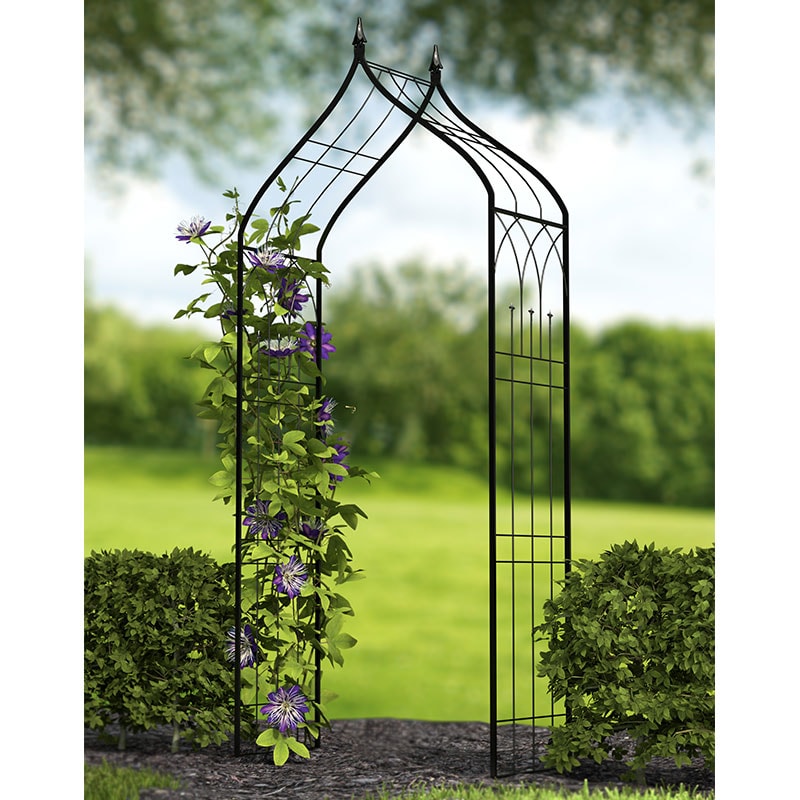
Compared with a wider arch, the 4-foot depth can feel more refined and less bulky. Compared with a smaller arch, the 9-foot width gives a better sense of arrival and a more generous frame for planting. It is this middle ground that makes the format so popular for garden entrances, path crossings, and paired planting schemes.
Forms you’ll see in 9×4 arches
Within this category, the form of the arch matters as much as the size. Different shapes change how the feature looks and how plants sit on it. Common forms include:
- Rounded arches — a softer curve that feels traditional and suits romantic planting styles.
- Gothic-style arches — a pointed profile that brings a sharper outline and a more formal look.
- Square-top or pergola-style arches — useful when you want a more architectural line, with climbing plants trained across the top.
- Single-span arches — a clean uninterrupted curve, often chosen for paths and entry points.
- Double-support arches — visually heavier, with extra side structure that can feel more grounded in open gardens.
The shape changes how the arch reads from a distance. A rounded one tends to blend into planting more gently, while a pointed or square-top design creates a clearer silhouette. If the garden already has lots of curves, a straighter form can add useful contrast. If the garden is full of straight lines, a rounded arch can soften everything a bit, without looking fussy.
Different materials, different moods
Material choice has a real impact on both appearance and feel. In the 9×4 category, arches are often selected for how the material works with the planting and surrounding furniture, not just for strength. Common options include metal arches, often in powder-coated finishes, and wooden arches where a warmer, more natural look is wanted. Metal usually gives a slimmer profile and a more open outline, while timber can look fuller and more rustic.
Metal arches suit formal borders, contemporary plots and places where you want the structure to recede behind the planting. The slimmer bars mean stems can weave through more easily, and the overall outline often stays readable even once the arch is covered. Timber arches, by contrast, sit well in cottage-style planting or softer schemes, though they can appear more substantial. That can be a benefit if you want the arch to stand on its own before the plants have filled in.
There are also visible differences in finish. A dark finish, such as black or deep green, tends to make leaves and blooms stand out more clearly. Lighter or natural tones can feel softer but may blend into pale fencing or stonework. The choice is less about fashion and more about what you want the arch to do in the composition of the garden.
Where a 9×4 arch works best
This size is especially useful in places where you want a clear opening without building something that dominates the view. It can mark the start of a garden path, create a link between two planting areas, or give a focal point at the end of a narrow lawn. A 9×4 arch can also work as a soft divider, suggesting movement from one part of the garden to another without needing a fence or wall.
It is often chosen for:
- Pathways that need a framed approach.
- Entrance points where a more finished threshold is wanted.
- Rose displays that need height and shape.
- Kitchen gardens where a planted gate-like feature adds order.
- Border crossings between beds with different themes.
The real advantage is that it can work in both small and medium spaces. In a tighter garden, a 9×4 arch can create the feeling of a separate room or zone. In a larger garden, it can help lead the eye through the space and stop long views from feeling flat.
Climbers that suit the frame
A garden arch is only half the story if you are going to plant it well. The right climbers help define the shape and show off the structure. For 9×4 arches, plants with flexible stems and a decent reach are usually a better fit than very heavy, woody climbers. Climbing roses bring layered flowering and a classic look. Clematis gives a lighter, more intricate finish, with the option to mix flowering times. Honeysuckle adds a softer, informal shape, while jasmines can lend a delicate outline.
What matters is how the climber behaves across the span. A dense climber can quickly hide the form of a narrow arch, which may be fine if you want a tunnel effect. A lighter climber allows the arch shape to stay visible. That difference is useful when choosing between a more decorative feature and a more plant-led display. Some buyers like the arch to remain obvious all year; others prefer the plants to take over the structure over time.
One arch, several looks
Even when the basic size stays the same, the visual outcome can be quite different. A 9×4 arch with a simple curve and slim bars feels open and minimal. The same size in a heavier frame can feel more substantial and formal. This is why shoppers often compare not only dimensions but also the profile, bar spacing and side detailing.
Some versions have side panels that give extra planting support. Others keep the sides quite open, which is handy if you want roses or clematis to be seen from several angles. An open-sided design can look more airy and can suit paths where you do not want the arch to create a tunnel effect. A denser side structure may feel better if the arch is meant to read as a standalone feature from the lawn or a terrace.
The opening itself is another difference. A taller, narrower opening can create a stronger sense of passage. A broader opening feels more relaxed and easier to pass under with baskets or garden tools. When people talk about a “9×4 arch”, they often focus on the footprint, but the actual internal clearance is what makes day-to-day use feel comfortable.
Practical benefits beyond the pretty bit
There is a clear decorative appeal, of course, but a 9×4 arch also offers practical value. It helps define circulation, which can be very useful in gardens that have no obvious route. It can guide visitors naturally from one section to another, especially when aligned with a path or set between two beds. That kind of visual guidance can make a garden feel calmer, because the eye understands where to go.
It also gives climbers a structured place to grow, instead of leaving them to spread across nearby shrubs or fences. For buyers who want a planted feature with a proper shape, that makes the arch a good anchor point. And because the form is vertical, it uses height rather than ground space, which is useful when the planting area is limited. In a way, it gives you more visual impact without asking for much floor area.
What to compare before buying
When looking at 9×4 arches, it pays to compare a few details beyond the headline size. These are the things that often affect satisfaction more than people expect:
- Overall height — important for headroom and for the eventual scale of the planting.
- Width of the opening — makes a difference to the sense of space underneath.
- Frame thickness — slimmer frames feel lighter; thicker ones feel more grounded.
- Side support design — determines how easily climbers can be trained.
- Base style — affects how the arch sits on the ground and how clearly it is anchored.
- Finish colour — changes how visible the structure is against foliage or hard landscaping.
It is worth paying attention to the proportions in the product images as well, because the same size label can look very different depending on the curve of the top and the amount of side detail. A slim, elegant arch and a fuller, more decorative one may both sit in the 9×4 bracket, but they serve slightly different tastes.
How the arch style affects the garden mood
A 9×4 arch can lean romantic, structured, rustic or fairly minimal depending on how it is designed and planted. A rounded metal arch with a dark finish tends to feel neat and composed, especially with white or pale flowers. A timber version with a gentler curve fits a looser, more country-style planting scheme. A pointed arch can create a stronger line and is often useful where the rest of the garden already has soft shapes.
The mood changes with season too. In spring, the arch may seem light and open. By midsummer, once the climbers have gained momentum, it can become a proper feature and not just a frame. In autumn, seed heads and foliage can still make the structure feel present, even if flowering has passed. That long visual season is one of the reasons these arches remain popular with buyers looking for something that does more than sit there.
Useful fitting thoughts without the guesswork
Although this category is about the arch itself, the way it sits in the ground changes the result a lot. A 9×4 arch should feel visually stable from the start, not wobbly or temporary. That means thinking about the base position and the surrounding surface. If it is going over a path, the feet need to align carefully so the opening feels central. If it is placed in planting, the surrounding soil or edging should allow the arch to stand straight and keep its shape in view.
It also helps to think about scale in relation to nearby features. A 9×4 arch can look too small if set in front of a broad facade with no planting around it, but very effective when positioned against beds that echo its width. In smaller spaces, it should usually be allowed some breathing room so the curve does not feel squeezed. That balance between structure and openness is often what makes the difference between an arch that looks fitted-in and one that looks planned.
Why people keep choosing this size
Buyers often come back to the 9×4 format because it offers a useful balance. It has enough presence to become a focal point, but it does not need a huge garden to make sense. It suits both planted and more architectural spaces, and it can be used to frame entrances, soften straight runs, or support climbing plants in a controlled way. It is also a flexible shape if you are not quite sure whether you want a decorative gateway or a more practical support feature.
There is a kind of quiet usefulness to it. The arch gives a garden a point of pause. It tells you where one area ends and another starts, and it does that without shouting. For many buyers, that is exactly the appeal: a feature that feels like it belongs, works with plants, and adds something visible from the first day, even before the climbers have fully taken over.
Choosing with the end view in mind
The best way to choose a 9×4 arch is to imagine what you will see through it, not just what the arch itself looks like. Will it frame a lawn? Lead to a seat? Sit at the mouth of a border? The answer changes which shape and finish make sense. A strong silhouette works better if the arch is meant to stand out from a distance. A slimmer form is better if you want the planting to do most of the talking.
That final view matters because an arch is never really just an object on its own. It is part of a line of sight, a route, or a planted scene. A well-chosen 9×4 garden arch gives the garden a bit of rhythm, a sense that the space has been thought through. And if the proportions are right, it can do that job without feeling overworked or overdone.
In short, what this category offers
If you are browsing Arches 9×4, you are really looking at a category that sits between decorative feature and practical plant support. It covers different forms, from rounded to pointed, different materials, from metal to timber, and different uses, from path marking to climber display. The differences are not tiny, either. They affect how open the garden feels, how formal the scene reads, and how much the structure blends with planting.
For shoppers, that means there is room to choose something that suits the actual layout, not just the look on the page. A 9×4 arch can be soft or architectural, visible or subtle, planted heavily or left fairly open. That range is what makes it a useful category to explore when a garden needs a defined shape, a better transition, or simply a bit more presence in the right place.
[Sassy_Social_Share]