
Arches 7x3 - Best Deals in UK!
Showing all 3 results
-
23% OFF: Panacea Scrolls Metal Garden Arch with Gate 7’5 x 3’2 £129.9923%

-
23% OFF: Panacea Scrolls Metal Garden Arch 7’5 x 3’2 £113.9923%

-
23% OFF: Panacea Curve Metal Garden Arch 7’5 x 3’2 £113.9923%

Arches 7×3 are a tidy, space-smart way to frame garden paths, support climbers and mark an entrance without taking over the border. Useful for narrow spaces and neat layouts.
A Slim Frame That Still Makes a Statement
Arches 7×3 suit gardens where width is limited but height still matters. The 7ft height gives climbing plants room to rise, while the 3ft span keeps the footprint compact. That shape works well in side passages, between beds, over short paths and at the start of a garden route where a bigger structure would feel a bit much. It is the sort of feature that changes how a space feels without stealing the space itself.
Compared with wider arches, a 7×3 garden arch feels more directed and precise. It naturally draws the eye forwards, which is handy if you want to lead visitors from one area to another. It can also create a more intimate passage, especially when planted with roses, clematis or honeysuckle. You get height, structure and a clear focal point in one go.
What 7×3 Really Means in the Garden
The size is the key difference. A 7×3 arch is not about sprawling across a large entrance; it is about fitting into places where a wider arch might block a path or crowd planting. That makes it a useful choice for smaller plots, narrow borders and allotment-style layouts. It can frame a gate, sit at the head of a walkway or mark the shift between lawn and planting area.
Bestseller der Kategorie Arches 7x3
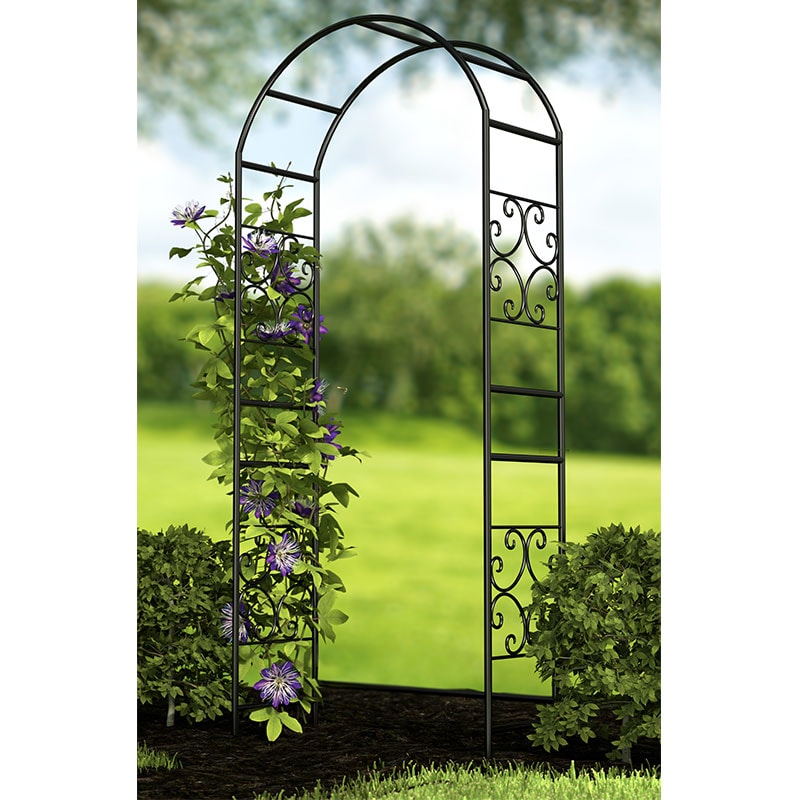
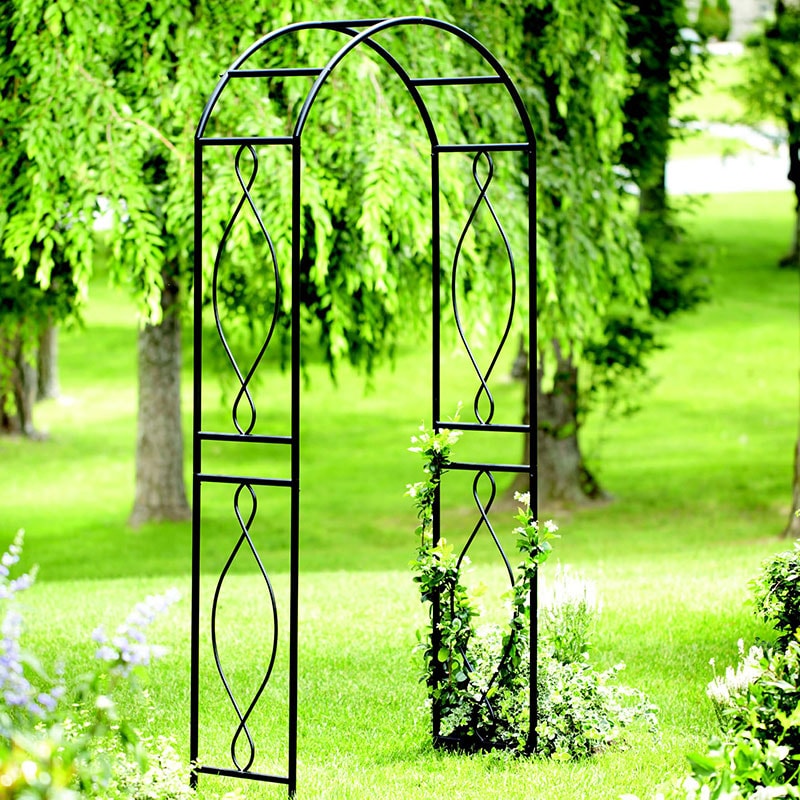
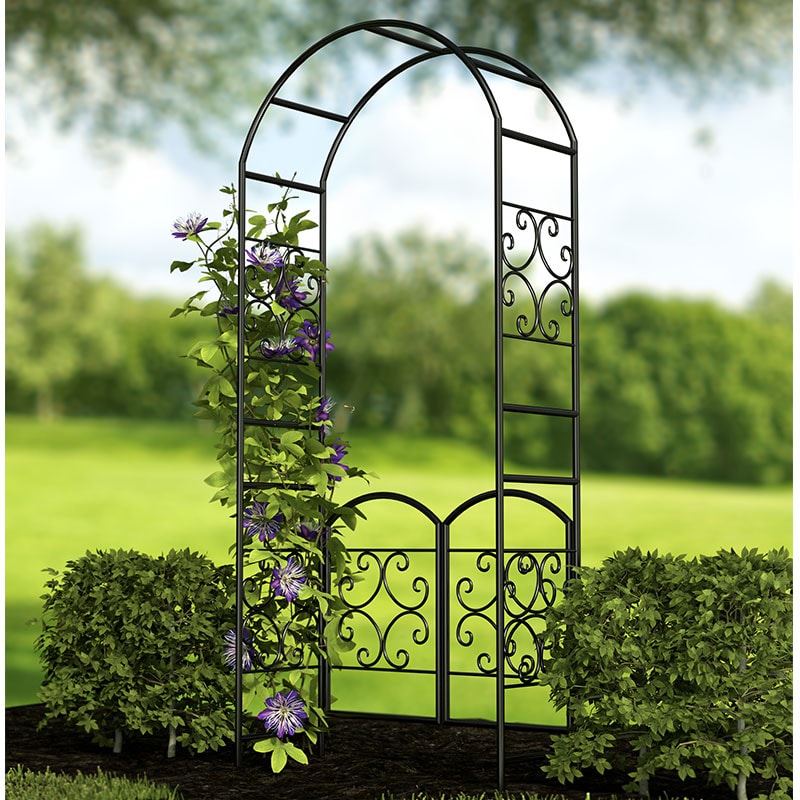
Because the width is limited, the planting style around it tends to look cleaner and more contained. You do not need a mass of foliage to make it effective. A few well-placed climbers can be enough to soften the frame and create that planted tunnel feeling. The result can look organised rather than busy, which is often what people want in a tighter garden.
Forms and Shapes You Will See Most Often
Even within the Arches 7×3 category, there are several common shapes and those differences matter. Some arches are more rounded, some sharper, and some mix a curve with straighter sides. The shape changes not only the look but the feel when you walk through it.
- Rounded arches give a softer, more traditional look and suit roses, jasmine and other free-flowing climbers.
- Gothic or pointed arches feel more architectural and can add a bit of drama without becoming too heavy.
- Square-top framed arches look neater and more contemporary, especially in structured gardens.
- Hoop-style arches are simple and tend to suit lighter planting and informal routes.
- Double-side arches with trellis panels offer extra climbing space and a more enclosed finish.
The shape also affects how the arch reads from a distance. A round form feels gentle and classic, while a pointed frame can create more vertical movement. If your garden already has plenty of curves, a straighter arch can bring balance. If the space is very rigid, a softer arch can make it feel less boxy. Small differences, but they show up quickly once the structure is in place.
Metal, Timber and the Look They Bring
The material changes the personality of the arch quite a lot. A metal 7×3 arch often has a slimmer profile and can suit both formal and relaxed settings. It usually looks lighter, which is useful where you want the structure to be seen but not dominate. Black or dark green finishes tend to blend into planting well, while lighter finishes stand out more.
Timber arches bring a warmer, more natural look and can sit nicely in cottage-style planting or rustic gardens. They often feel less sharp than metal and can work well when the surrounding beds are full and loose. The difference is mostly visual, but that visual weight matters. A timber arch can look gentler in a small plot, while metal may feel cleaner and more defined.
There are also arches with a mix of materials, such as metal frames with decorative sections or timber with trellis details. These versions can bridge the gap between a very plain support and a more decorative garden feature. The main thing is to match the finish to the rest of the garden, so the arch feels like it belongs there rather than being dropped in from somewhere else.
Climbers That Suit the Narrow Span
Not every climber behaves the same on a 3ft-wide arch. Some are naturally tidier and better suited to the limited width, while others grow more forcefully and need a bit more thinking through. The narrow span encourages a more vertical planting style, which can look elegant if chosen well.
- Climbing roses bring flowers, scent and a classic arch look, but the variety of growth habit makes a difference.
- Clematis is useful for threading through the structure without overwhelming it, especially if you want colour at different heights.
- Honeysuckle offers a softer, more informal effect and can help fill the arch with movement and texture.
- Jasmine suits a tighter frame when you want fragrance and a lighter leaf shape.
- Annual climbers can work for a season-led display, especially where you like changing the look each year.
The difference between climbers is not just flowers, it is habit. Some plants twine, some cling, some need tying in. On a narrow arch, that matters because there is less room for muddled growth. A plant that stays reasonably disciplined can make the frame look full without looking jammed. A vigorous plant can still work, but it may need better placement at the base so it has space to spread in a controlled way. Not all climbers suit every arch, and that is worth thinking about before buying.
Why This Size Works So Well in Smaller Gardens
One of the strongest points of Arches 7×3 is how they fit into gardens that need structure without bulk. The narrow width lets you place an arch where a larger model would be awkward, for example between two beds or over a path that is already only just wide enough. That makes the arch useful as a divider, a gateway or a planted highlight in its own right.
In a compact garden, this can help you create more than one area without putting up solid barriers. An arch suggests a transition but still allows light, air and views through it. That is a real advantage over fences or tall screens when you want a lighter touch. It can make a short walk through the garden feel deliberate, almost like the garden has a route rather than just edges.
The other advantage is scale. Many decorative features look too large in a small space. A 7×3 arch keeps things proportionate. It gives enough height to be noticed from indoors or across a lawn, but it does not crowd the scene. For buyers who want a garden feature that earns its place, that balance can be a big draw.
When a 7×3 Arch Feels Different from a Wider One
A wider arch tends to invite more planting at the sides and can feel more like an open gate. A 7×3 arch, by contrast, often feels more like a passage. That changes the mood. The narrower span gives a stronger sense of moving through something, rather than simply past it. It can make a walkway feel more contained and a bit more special.
This also means the arch can be better for visual alignment. If you place it at the end of a path, the narrower frame can help focus attention on what lies beyond. It is a neat trick for making a short garden seem more purposeful. A wider structure might be more decorative, but the 7×3 version can be more direct.
For buyers choosing between sizes, the main question is often whether the arch should blend in or become a feature. A wider arch may create a grander opening, but the 7×3 size often gives a cleaner, more measured effect. It is less about show and more about shape, and that can be exactly what a garden needs.
Practical Details Buyers Usually Notice First
Before choosing an arch, people tend to look at the things they will see and use every day: height, width, finish and how the plant support is arranged. With Arches 7×3, those details matter because the proportions are already quite specific. The arch needs to suit the path or planting area it is meant to sit over, otherwise it can feel off by a few inches and that makes a difference.
- Height matters for comfort and for the visual line from the garden.
- Width needs to suit the path, gate or border opening without crowding it.
- Side support such as trellis or bars can make climbing easier and more even.
- Finish colour changes how much the structure stands out once plants grow in.
- Style should match whether the garden is formal, cottage-like or modern.
It is also worth noticing how open or closed the sides feel. Some arches offer more surface for climbers, while others are simpler and rely on a few trained stems. If you want a fuller plant display, a more open lattice or trellis section can help. If you prefer the structure itself to stay visible, a simpler frame may suit better. This is one of those things people only notice after the arch is in place, so it helps to think ahead.
Useful Tips Before You Choose
There are a few small checks that can make a big difference with a 7×3 garden arch. None of them are complicated, but they do help the arch work better in the space you have. A little planning goes a long way here.
- Measure the path or opening at its narrowest point before you decide.
- Think about the final plant spread, not just how bare the arch looks on day one.
- Match the arch shape to the rest of the garden lines, curved or straight.
- Consider how visible the arch will be in winter when the plants thin out.
- Choose a finish that suits nearby fences, gates or edging so it does not clash.
If you are using the arch as a main focus, the surrounding planting should be planned to echo it, not fight against it. Repeating similar colours or leaf shapes either side of the base can make the feature feel settled into the garden. And if the arch sits at the end of a path, placing it with a clear line of sight helps the whole area feel more intentional. It is a small detail, but buyers often notice these things even if they cannot quite say why.
Where a 7×3 Arch Often Shines Most
Arches 7×3 are especially handy in places where the garden needs a soft divide. They work over short walkways, between different planting zones, near entrances to side beds and across narrow connections between areas. They can also look good leading into a seating space, where the arch gives a sense of arrival without turning the area into a closed room.
In a cottage-style garden, a planted arch can feel relaxed and full of life. In a more structured layout, the same size can create order and symmetry. That flexibility is part of the appeal. You do not need a huge plot for the arch to do its job. In fact, it often looks better where the space is smaller, because the proportions stay neat.
For shoppers comparing options, this size often makes sense when they want something decorative, practical and not overly demanding in footprint. It gives room for flowers to climb, space for people to pass through and enough presence to act as a focal point. Not too much, not too little — which is usually the sweet spot for this kind of feature.
The Small Details That Make the Choice Feel Right
When people buy an arch, they are often buying the feeling it will create as much as the structure itself. A 7×3 arch can give that feeling of direction, softness and enclosure without changing the whole layout of the garden. It can make a narrow route feel more considered and a plain opening feel more finished.
The charm lies in the balance: a slim width, enough height, and room for climbing plants to do their work. If you want a feature that adds shape, supports planting and suits a garden where space matters, this size earns a close look. It is a simple idea, but in the right place it can change the way the garden is seen and used, day after day.
[Sassy_Social_Share]